
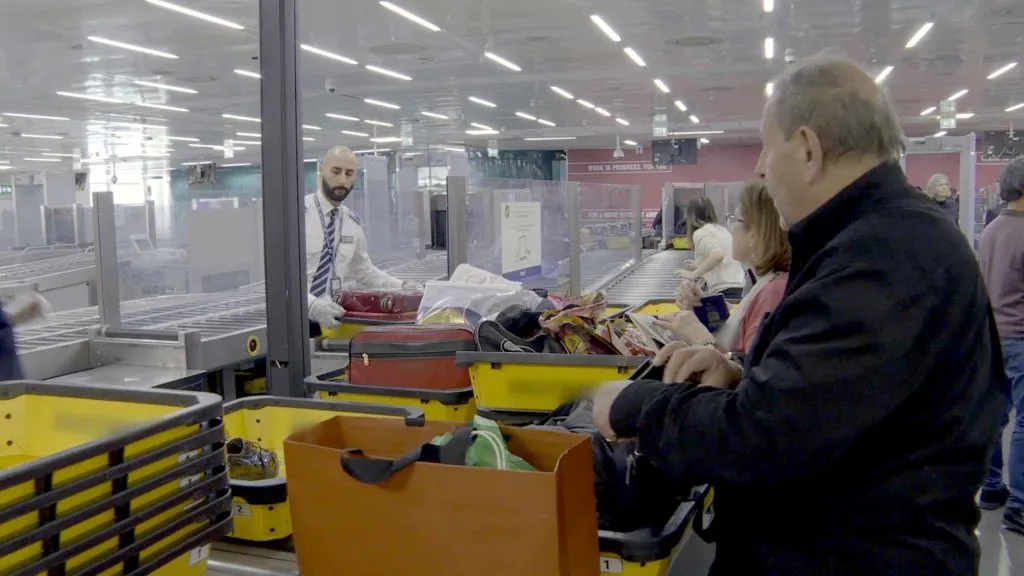
PUTRAJAYA – Airport security personnel in Malaysia have intercepted more than 1.8 tonnes of suspected drugs across three airports during the first 11 months of 2026. The operations also prevented nearly 6,000 live animals from being illegally transported out of the country through Kuala Lumpur International Airport (KUL).
Malaysia Airports Holdings Bhd (MAHB) revealed the figures on November 27, highlighting the role of Aviation Security (AVSEC) teams in identifying suspected smuggling activities through routine passenger and baggage inspections. The interceptions involved Kuala Lumpur International Airport, Penang International Airport (PEN), and Sultan Azlan Shah Airport (IPH) in Ipoh, Perak.
63 Drug Smuggling Cases Reported Nationwide
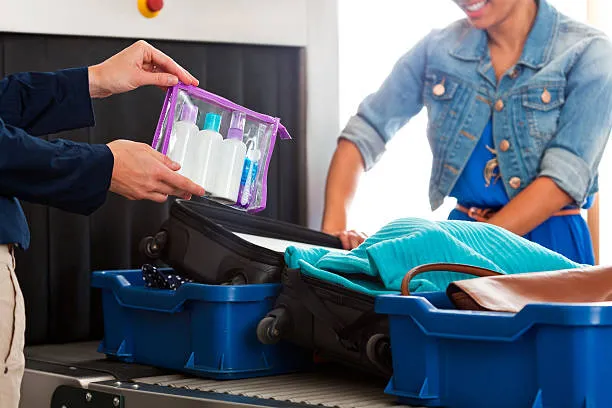
According to MAHB, AVSEC personnel recorded 63 suspected drug-smuggling interceptions between January and November 2026. The combined weight of the suspected substances exceeded 1.8 tonnes, with suspected cannabis accounting for approximately 97% of the total quantity seized.
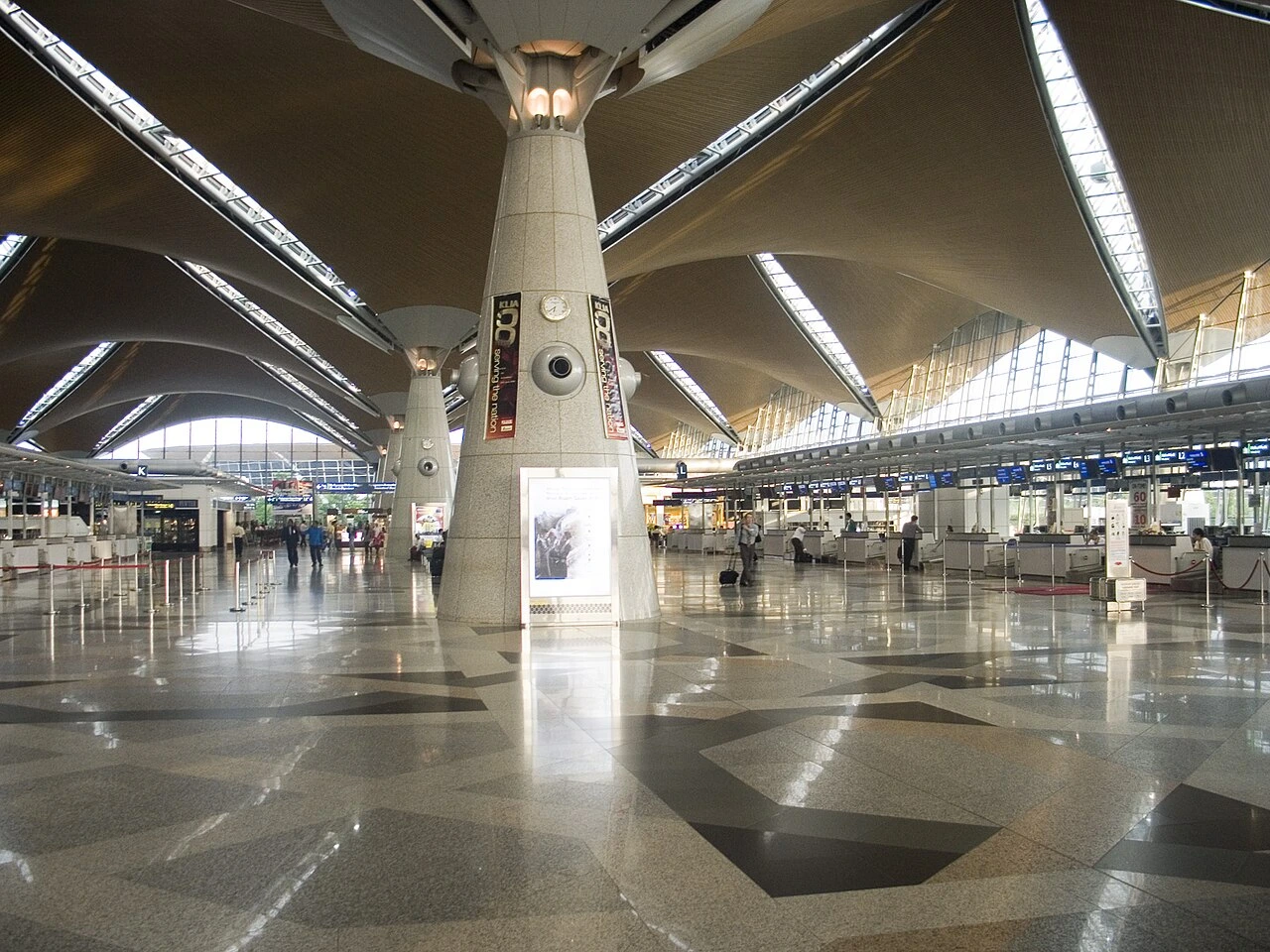
Most of the drug-related discoveries occurred during checked baggage screening at KLIA Terminal 1. The findings highlight how routine airport security procedures can help identify suspicious consignments before passengers board their flights.
Following each interception, AVSEC officers transferred the cases to the Royal Malaysia Police (PDRM) or the Royal Malaysian Customs Department for further investigation and enforcement action.
The airport security teams are responsible for detecting potential threats, while the relevant authorities handle subsequent investigations.
MAHB Managing Director Datuk Mohd Izani Ghani said security officers played an important role in protecting Malaysia’s aviation gateways.
He noted that decisions made shortly before aircraft departure could determine whether suspected smuggling attempts were stopped in time for authorities to intervene.
Nearly 6,000 Live Animals Saved
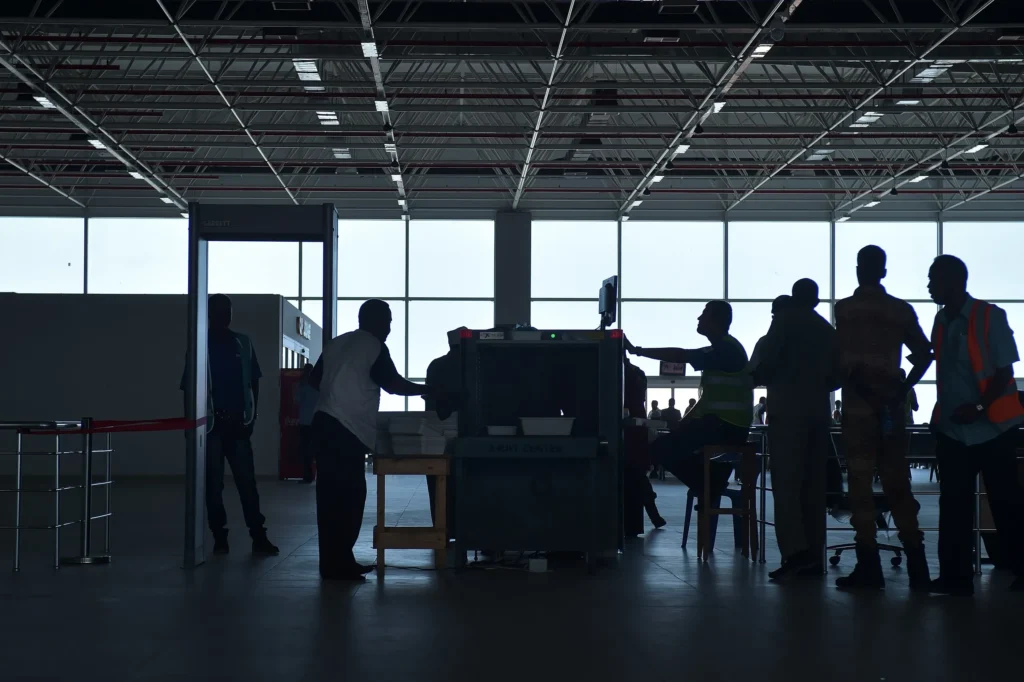
Drug detection was not the only area in which airport security teams recorded significant results. MAHB also reported 16 wildlife-related interceptions across both KLIA terminals between February and September 2026.
One of the largest discoveries occurred on June 16, when AVSEC officers intercepted two consignments containing more than 4,400 tortoises. The animals were stopped before they could be loaded onto aircraft and transported out of Malaysia.
Other wildlife trafficking cases involved turtles, gibbons, and birds. Altogether, approximately 6,000 live animals were prevented from being smuggled through KLIA during the reporting period.
The incidents demonstrate the wider responsibilities of airport security personnel, who must identify potential illegal activities involving both prohibited substances and protected wildlife. Such operations also require coordination between airport staff and government enforcement agencies.
Expanded Airport K9 Security Measures
To strengthen drug detection at KLIA, MAHB introduced additional support through specialist detection teams.
K9 units from the Royal Malaysia Police and the Customs Department were scheduled to begin pilot operations inside airport terminals on October 26, 2026, Bernama reported.
The deployment is intended to complement existing passenger and baggage screening procedures. Specially trained detection dogs provide an additional layer of security, helping authorities identify suspected illegal substances within busy airport environments.
MAHB is also working with TRAFFIC International Southeast Asia to improve awareness of wildlife trafficking among airport personnel.
The collaboration includes training for AVSEC officers, airport operations staff, and ground handlers to recognise potential signs of illegal wildlife transportation and report suspicious activities to the appropriate authorities.
The latest figures underline the importance of cooperation between airport operators, security personnel, police, and customs agencies.
As passenger traffic and international connectivity continue to make airports important gateways, MAHB is strengthening its screening capabilities to prevent airports from being exploited for drug and wildlife smuggling.
Stay tuned with us. Further, follow us on social media for the latest updates.
Join us on Telegram Group for the Latest Aviation Updates. Subsequently, follow us on Google News

