

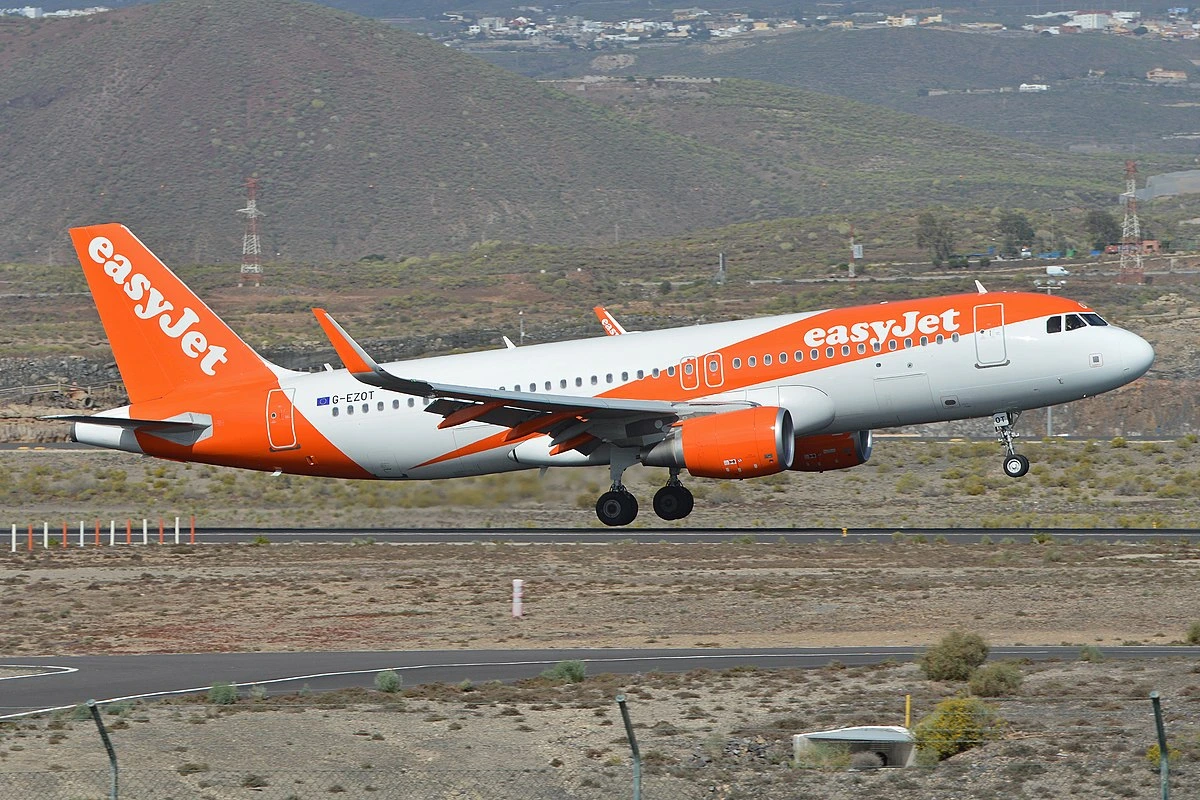
EDINBURGH – An Edinburgh-bound emergency response was triggered on Thursday, November 26, after an easyJet (U2) Airbus A321neo operating from Edinburgh Airport (EDI) to London Gatwick Airport (LGW) declared a general emergency shortly after takeoff. The aircraft returned to Edinburgh after reports of a technical problem, while residents in the surrounding area reported hearing a loud bang as the aircraft climbed away from the airport.
The flight, identified as EZY816, transmitted the international emergency transponder code Squawk 7700, prompting an emergency response at the Scottish airport. Although reports pointed to a possible engine malfunction, the aircraft landed safely, and easyJet confirmed that a replacement aircraft would operate the delayed service to London Gatwick.
Reported Engine Failure And Technical Warnings
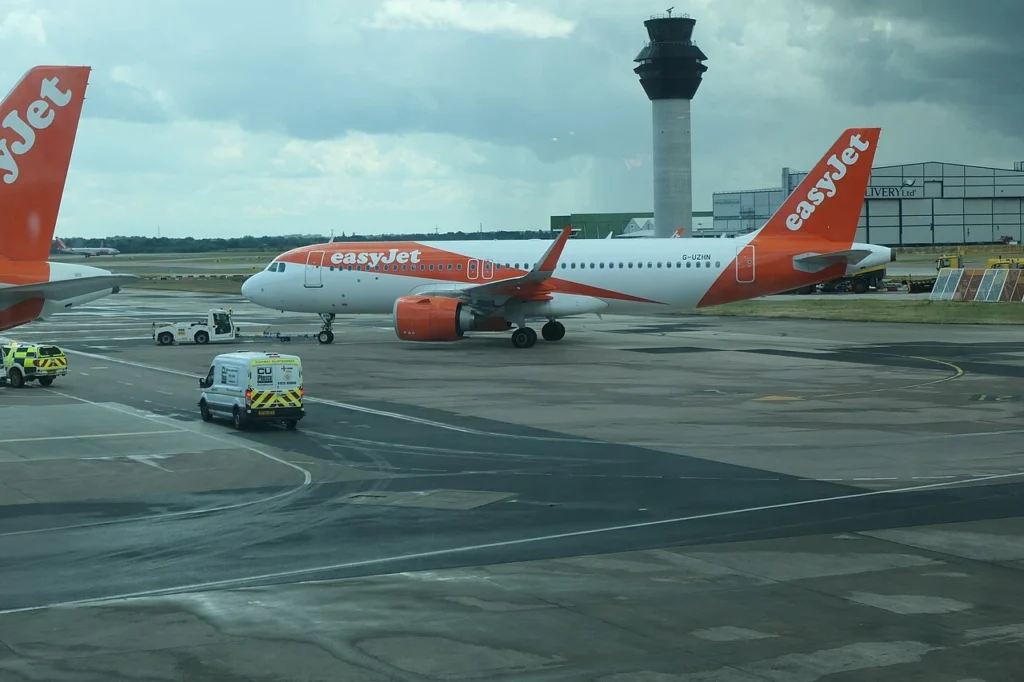
The Airbus A321neo reportedly encountered a technical problem shortly after departing Edinburgh at approximately 9 PM local time.
According to aviation communications reports, Aircraft Communications Addressing and Reporting System (ACARS) messages indicated several warnings involving the aircraft’s No. 1 engine.
The reported warnings included an engine stall and excessively high exhaust gas temperatures. Flight-tracking and aviation news reports also indicated that the aircraft’s left engine was shut down while airborne, as the crew prepared to return to Edinburgh.
The incident attracted attention after residents reported hearing a loud bang shortly after the aircraft departed. Footage shared on social media reportedly captured the sound, although its exact connection to the aircraft’s technical problem has not been independently established.
The aircraft was reportedly flying at approximately 5,000 feet when the crew managed the situation. However, easyJet has not publicly confirmed the specific engine malfunction or whether an actual engine failure occurred.
Emergency Return To Edinburgh
Following the reported technical warnings, the pilots transmitted Squawk 7700 to alert air traffic control that the aircraft was experiencing an emergency.
This internationally recognised transponder code allows controllers to identify an aircraft requiring emergency assistance and provide priority handling.
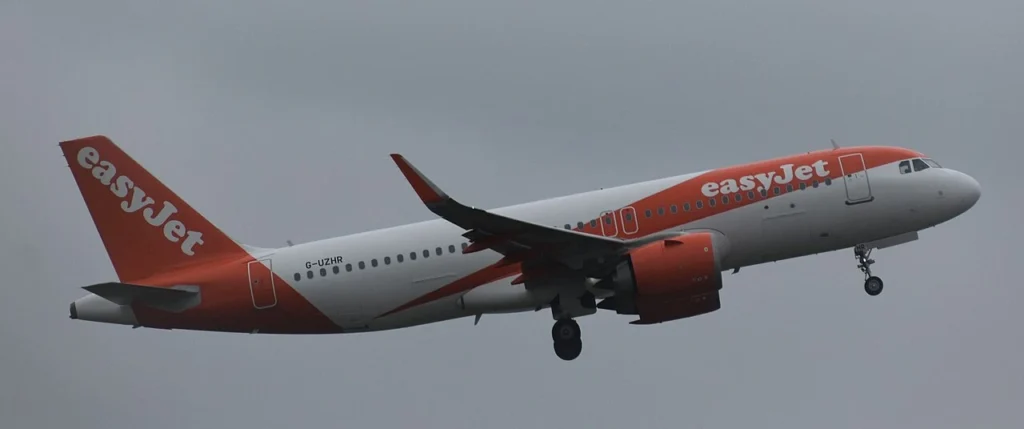
The Airbus A321neo did not immediately land after turning back. Flight-tracking information indicated that it circled several times before approaching Edinburgh Airport, allowing the crew to prepare for a controlled return.
Emergency services, including airport fire crews and police, were positioned to respond when the aircraft arrived. Some roads near Edinburgh Airport were also reportedly closed as a precaution while emergency personnel managed the situation.
The aircraft eventually landed safely at Edinburgh Airport, where emergency services met it. The precautionary response followed standard procedures for an aircraft returning after an engine-related warning.
EasyJet Arranges Replacement Aircraft
An easyJet spokesperson confirmed that flight EZY816 from Edinburgh to London Gatwick had returned because of a technical issue. The airline also clarified that the aircraft landed normally and that emergency services attended as a precaution.
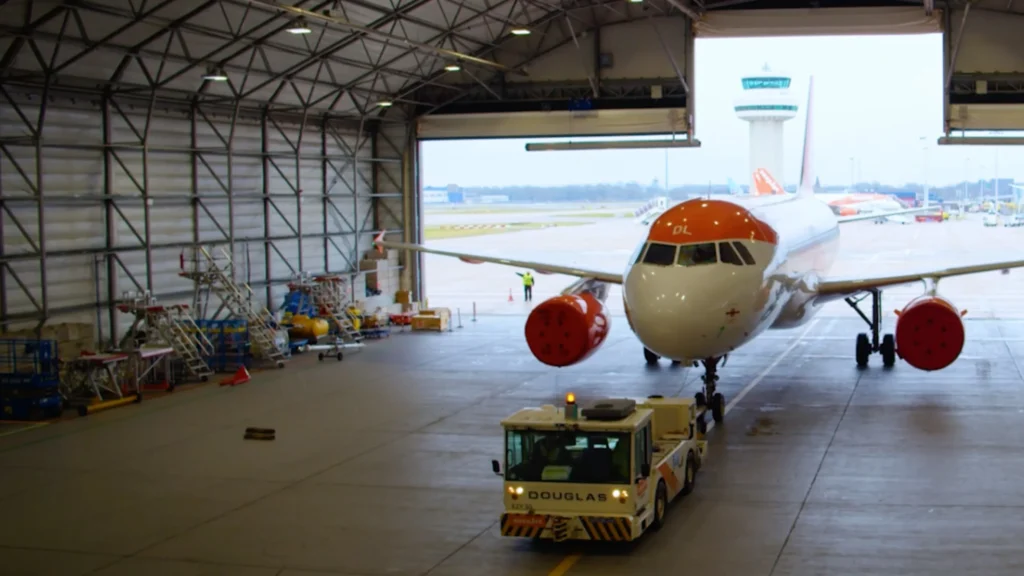
The spokesperson stated that a replacement aircraft had been arranged to operate the affected service to London Gatwick. The airline apologised for the disruption and reiterated that passenger and crew safety remained its highest priority.
The incident adds to a series of recent emergency declarations involving easyJet aircraft. On November 18, another easyJet flight, EZY897J, operating from Bristol to Edinburgh, declared an emergency after takeoff, Mirror reported.
That Airbus A320 returned to Bristol Airport after reportedly encountering a bird strike. The aircraft had turned back over South Wales before returning to its departure airport.
While both incidents resulted in safe returns, the November 26 event highlights the importance of aircraft warning systems, emergency procedures, and coordination between flight crews and airport emergency services.
Stay tuned with us. Further, follow us on social media for the latest updates.
Join us on Telegram Group for the Latest Aviation Updates. Subsequently, follow us on Google News


