

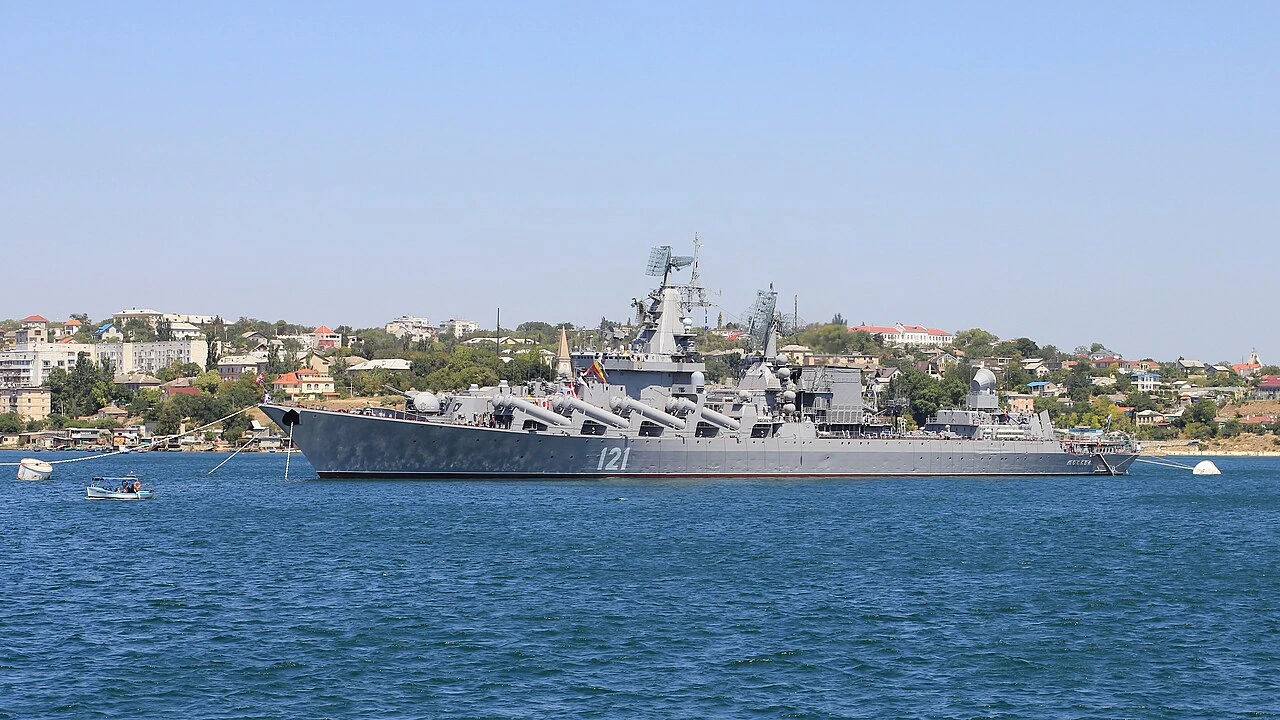
NORTH SEA – A suspected Russian military electronic warfare operation may have disrupted satellite navigation systems on approximately 140 passenger flights operating across northern Europe. The incident, which occurred on November 9, affected aircraft operated by British Airways (BA), Ryanair (FR) and easyJet (U2), according to reports citing aviation data analysis.
The suspected interference occurred while a Russian naval vessel was operating in the North Sea, raising concerns about the growing use of electronic warfare near busy civilian flight corridors. Although analysts identified a possible connection between the vessel’s movements and the disruption, no conclusive evidence has established Russian responsibility.
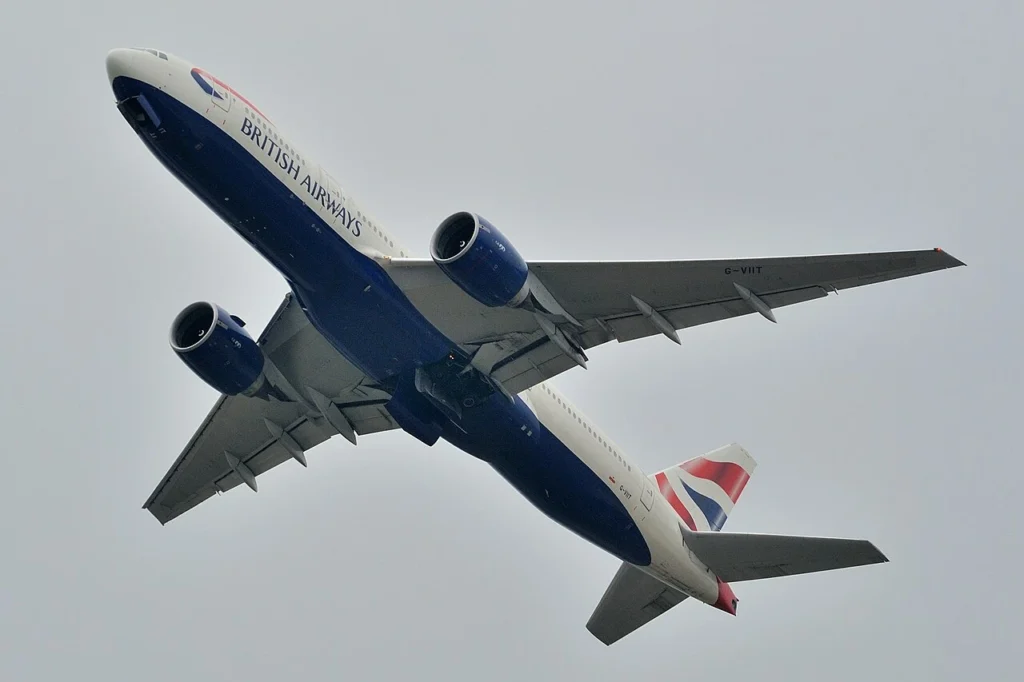
GPS Interference Hits Multiple Commercial Passenger Flights
The disruption lasted approximately 19 to 20 minutes, beginning at around 17:08 GMT and ending shortly after 17:27 GMT.
Aviation intelligence analysis by Hexbird identified a concentrated pattern of GPS signal degradation affecting aircraft across the southern North Sea, eastern England, the Netherlands and northwestern Germany.
The reported number of affected aircraft reached approximately 140, with as many as 92 experiencing interference simultaneously in the analysis. Around 40 affected aircraft were reportedly operating in or near UK-controlled airspace.
Among the affected services was a British Airways flight travelling from London Heathrow Airport (LHR) to Stockholm, which reportedly experienced GPS signal loss for around 20 minutes.
A Ryanair service from Edinburgh Airport (EDI) to Rome and an easyJet flight from Manchester Airport (MAN) to Hurghada, Egypt, also experienced disruption.
The suspected source was traced to an area in the North Sea, approximately 190 miles off the English coast, according to media reports. Its location coincided with the passage of a Russian naval vessel escorting cargo ships through the region.
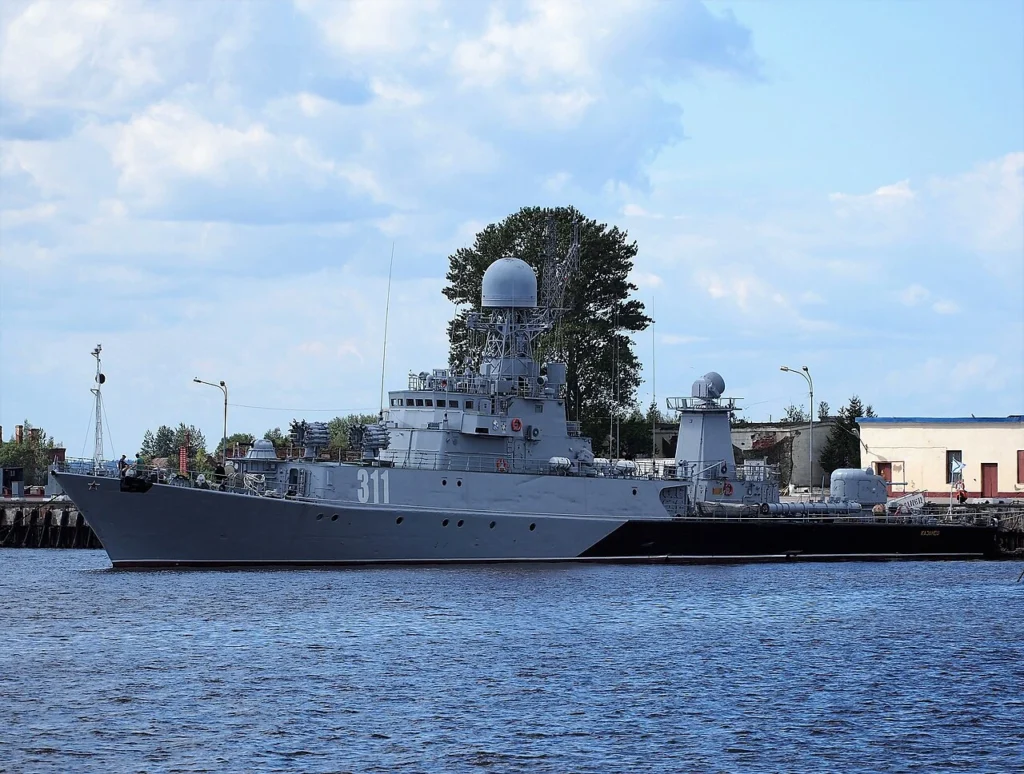
Russian Convoy Raises Serious Security Questions
The Russian vessel was reportedly accompanying three cargo ships, Lady R, Lady D and Maia-1, as they travelled south towards the English Channel. French and Dutch naval vessels were also reportedly monitoring the convoy during its passage through the North Sea.
Former naval intelligence officer James Droxford suggested that the escorting warship was the most likely source of the interference. He indicated that the disruption could have been intended to counter or discourage Western surveillance of the Russian vessels.
However, the aviation intelligence analysis has not identified the convoy as the confirmed source of the interference. The distinction remains important because the presence of a Russian naval vessel in the suspected area does not independently establish responsibility for the GPS disruption.
The incident has also drawn attention to the wider threat of electronic warfare against civilian aviation. Ukrainian security expert Oksana Kuzan told LBC that confirmed Russian involvement would be consistent with Moscow’s reported use of hybrid operations against Western countries.

Aviation Safety Concerns Grow Across Europe
Despite the widespread interference, reports indicated that the disruption did not cause a direct operational impact on the affected flights. Commercial aircraft carry alternative navigation systems, allowing pilots to continue operating safely when satellite positioning becomes unavailable.
However, GPS jamming can create additional challenges for flight crews and air traffic controllers, particularly when aircraft approach airports that depend on satellite-based navigation procedures.
Dutch air traffic control agency LVNL reported that seven flights experiencing GPS problems were guided towards Amsterdam Schiphol Airport (AMS).
The UK air traffic control provider NATS said it had received no pilot reports of satellite navigation interference across its network on November 9.
Meanwhile, the Civil Aviation Authority confirmed that it works with airlines and aircraft manufacturers to improve aircraft systems and reduce the effects of GPS interference.
The incident follows previous reports of GPS interference affecting British military aircraft near Russian territory.
In May 2026, an RAF aircraft carrying Defence Secretary John Healey reportedly experienced satellite navigation problems during a flight from Estonia to Britain, highlighting the continuing electronic warfare challenge facing military aviation, The Gaze reported .
Although the November incident caused no reported operational disruption to commercial flights, the possibility of interference from military platforms near busy air corridors remains a concern for European aviation authorities.
Stay tuned with us. Further, follow us on social media for the latest updates.
Join us on Telegram Group for the Latest Aviation Updates. Subsequently, follow us on Google News


