


LONDON- British Airways (BA) plans to retrofit 22 Airbus A320neo family aircraft with larger XL overhead lockers.
The upgrade aims to address limited cabin baggage space and reduce the number of passengers forced to check their carry-on bags at the boarding gate.
The programme covers 12 Airbus A320neo and 10 A321neo aircraft, delivered between five and 8 years ago without the optional XL lockers.
Installation work is expected to begin before the end of 2026, with approximately 11 aircraft scheduled for completion ahead of the 2027 summer travel season.
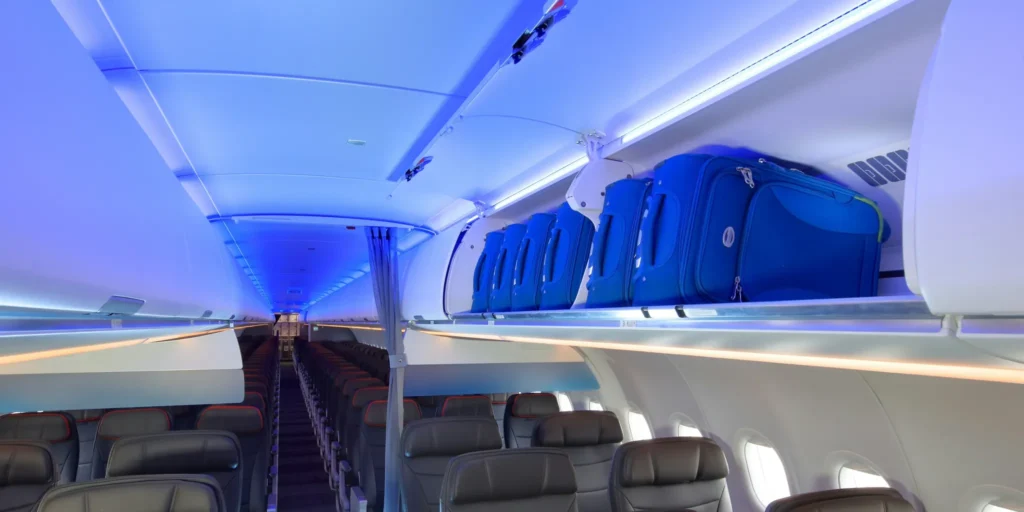
British Airways Plans XL Locker for 22 Aircraft
British Airways originally declined to install Airbus XL lockers on these aircraft when they were delivered, despite the larger compartments being available as an optional extra.
The airline’s decision has since become an operational challenge as traditional overhead bins struggle to accommodate passengers’ cabin baggage.
According to PYOK’s report, the affected aircraft include:
Airbus A320neo (12): G-TTNA, G-TTNB, G-TTNC, G-TTND, G-TTNE, G-TTNF, G-TTNG, G-TTNH, G-TTNI, G-TTNJ, G-TTNK and G-TTNL.
Airbus A321neo (10): G-NEOP, G-NEOR, G-NEOS, G-NEOT, G-NEOU, G-NEOV, G-NEOW, G-NEOX, G-NEOY and G-NEOZ.
Subsequently delivered A320neo and A321neo aircraft already feature XL lockers, so the retrofit will bring these 22 aircraft closer to the configuration used on newer deliveries.
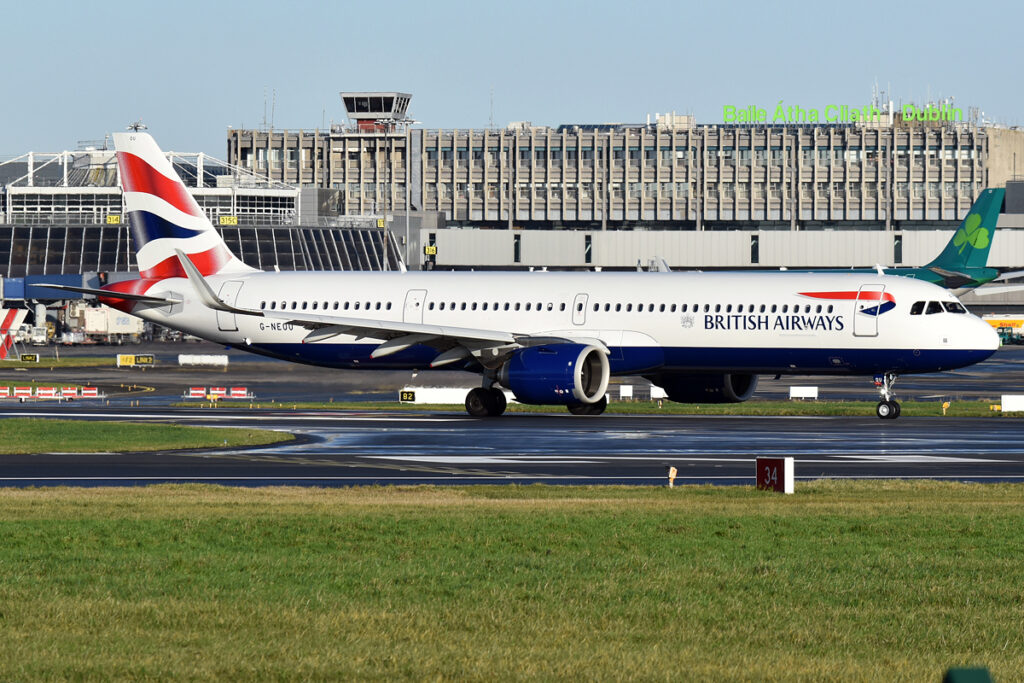
How Airbus XL Lockers Increase Baggage Capacity
Airbus developed its XL overhead lockers to accommodate more cabin baggage without changing the aircraft’s overall cabin layout. The compartments allow passengers to store roller bags vertically rather than placing them flat.
According to Airbus, XL lockers provide 40% more storage volume and can accommodate up to 60% more bags than previous-generation compartments.
Airbus also offers the Airspace L Bin, a more compact retrofit alternative for the A320 Family. The L Bin is not exclusively a ceo aircraft solution, as Airbus markets it for in-service A320-family cabin upgrades. Its suitability depends on the aircraft’s existing cabin configuration.
Lufthansa and Iberia were the first announced customers for the L Bin programme. Airbus subsequently confirmed selections by SWISS and two undisclosed airlines in 2024. Mexican carrier Viva also announced plans to retrofit 52 A320-family aircraft with L bins in 2025.
The economics of such upgrades remain important. Airlines operating aircraft approaching retirement may find the installation cost difficult to justify against their remaining service life.
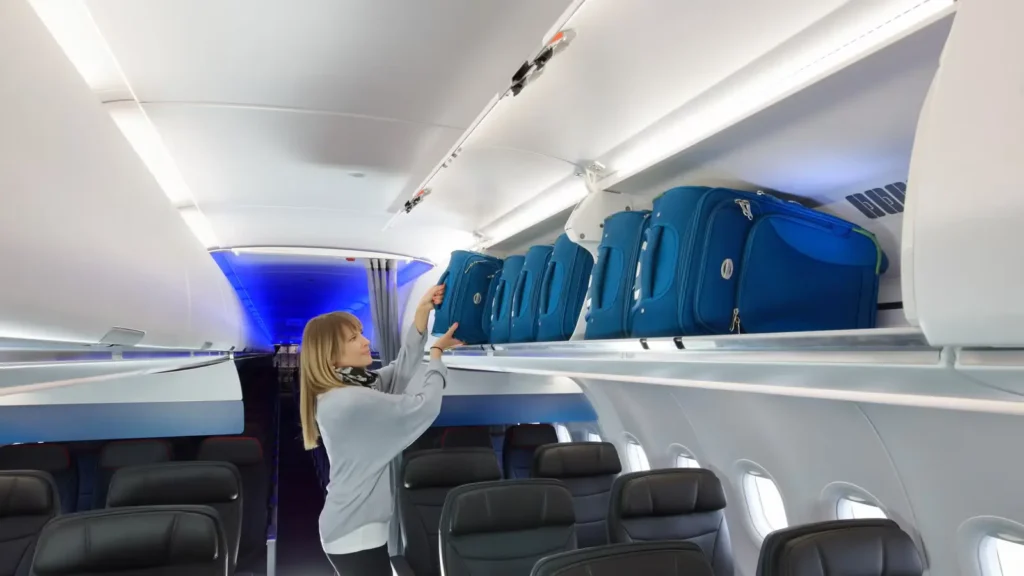
Passenger Behaviour Still Matters
Larger lockers can accommodate more luggage, but passengers must position their bags correctly to achieve the intended capacity.
Roller bags should be placed sideways rather than flat. PYOK reports that this arrangement can allow up to 8 rollaboards in a compartment. However, incorrect placement can waste space, even when pictograms inside the lockers illustrate the correct arrangement.
There is also a trade-off for passengers carrying smaller belongings. Sideways placement leaves limited room for hats, coats and other personal items.
As a result, modern overhead lockers increasingly prioritise roller bags, with smaller belongings using whatever space remains after passengers have stored their luggage.
This marks a shift away from the traditional hat-rack arrangement, where smaller items could share overhead space with larger bags.
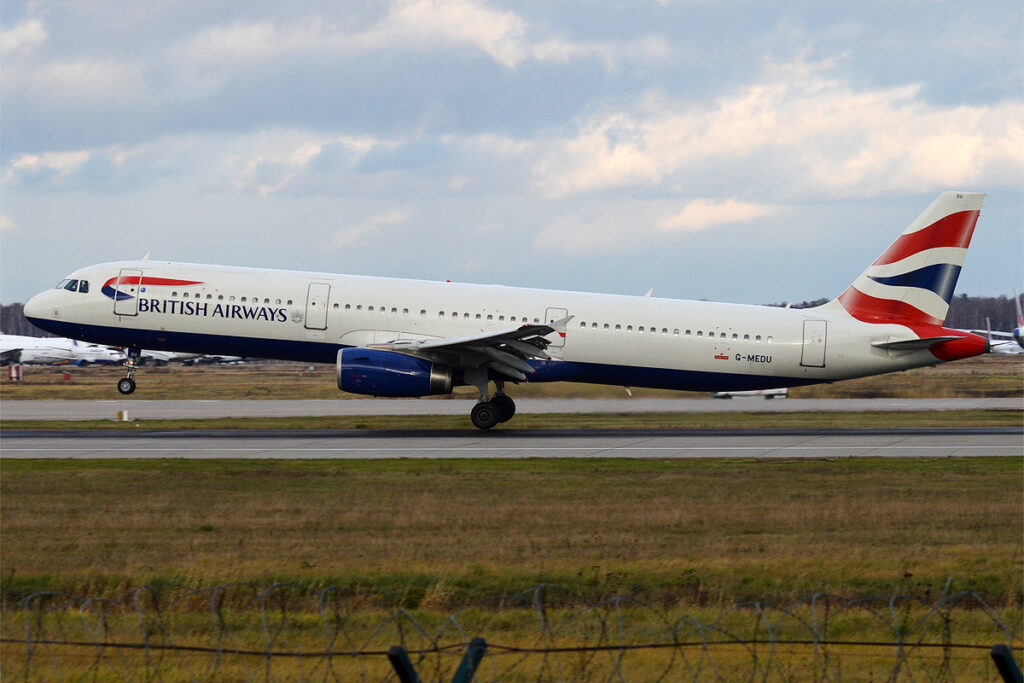
Why Larger Lockers Matter for Cabin Crew
The upgrade offers operational benefits beyond additional baggage capacity. Airbus’ L and XL locker designs use simplified mechanisms with fewer components that could fail, while reducing the need for cabin crew to push heavily loaded compartments shut.
More importantly, additional storage space can prevent overhead bins from filling up midway through boarding. This reduces the need to rearrange luggage, gate-check additional bags and deal with disputes over available space.
For British Airways, the primary business benefit is improved boarding efficiency. Fewer baggage-related interruptions can help reduce departure delays and support more reliable flight schedules.

Will Upgrade End Cabin Baggage Space Shortages?
The 22-aircraft retrofit should improve cabin baggage handling on the affected British Airways aircraft, but it cannot guarantee storage space for every passenger.
Baggage dimensions, passenger numbers and correct luggage placement will continue to influence availability.
With approximately 11 aircraft expected to receive the new lockers before the 2027 summer travel season, British Airways is addressing a recurring problem in its short-haul operations.
The upgrade should make boarding more efficient while reducing pressure on cabin crew and the need for gate-checked luggage.
Stay tuned with us. Further, follow us on social media for the latest updates.
Join us on Telegram Group for the Latest Aviation Updates. Subsequently, follow us on Google News
