


LONDON- A British Airways (BA) Boeing 787-10 Dreamliner declared an emergency over the North Atlantic on November 24, 2026, after reporting an engine oil leak while operating Flight BA239 from London Heathrow Airport (LHR) to Boston Logan International Airport (BOS).
The pilots activated the emergency squawk code 7700 more than four hours into the transatlantic journey. Despite a reported recommendation from British Airways’ maintenance team to divert to Keflavik International Airport (KEF) in Iceland, the crew continued to Boston and landed safely. The incident involved the same aircraft that diverted to Athens (ATH) ten days earlier following an engine shutdown.
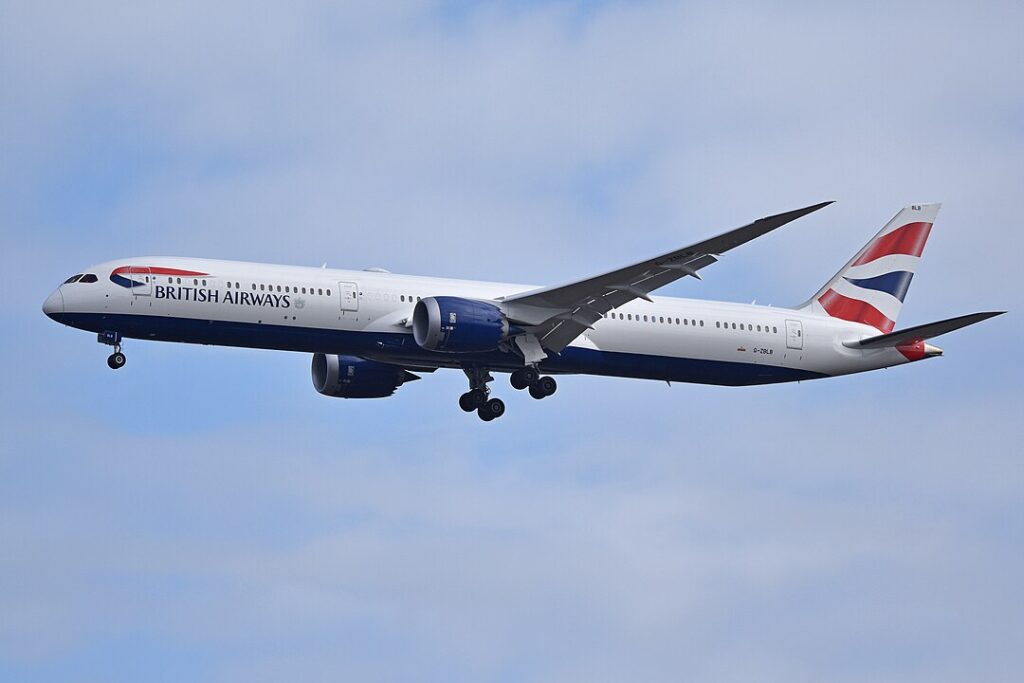
British Airways BA239 Declares Emergency
The aircraft involved was a Boeing 787-10 Dreamliner registered as G-ZBLC. It departed London Heathrow shortly after 7:30 p.m. local time on Tuesday, November 24, for its scheduled journey to Boston.
Flight-tracking data indicates that the aircraft was more than four hours into the flight when the pilots transmitted squawk code 7700, which signals a general emergency to air traffic control.
At the time of the emergency declaration, the Dreamliner was cruising at approximately 33,000 feet and travelling at around 378 knots. The aircraft was operating normally along its transatlantic route before the crew reported the engine-related problem.
The pilots subsequently informed Gander Air Traffic Control (ATC) in Canada that the aircraft was experiencing an engine oil leak. According to ATC communications, the problem became more noticeable when the engines operated at higher power settings.
The crew explained that reducing engine thrust stopped the oil leak from getting progressively worse. Following this assessment, the pilots descended from approximately 33,000 feet to 28,000 feet and maintained lower engine power for the remainder of the flight.
The decision allowed the aircraft to continue towards Boston without shutting down an engine. However, operating at a lower altitude and speed extended the journey compared with its normal operating profile.
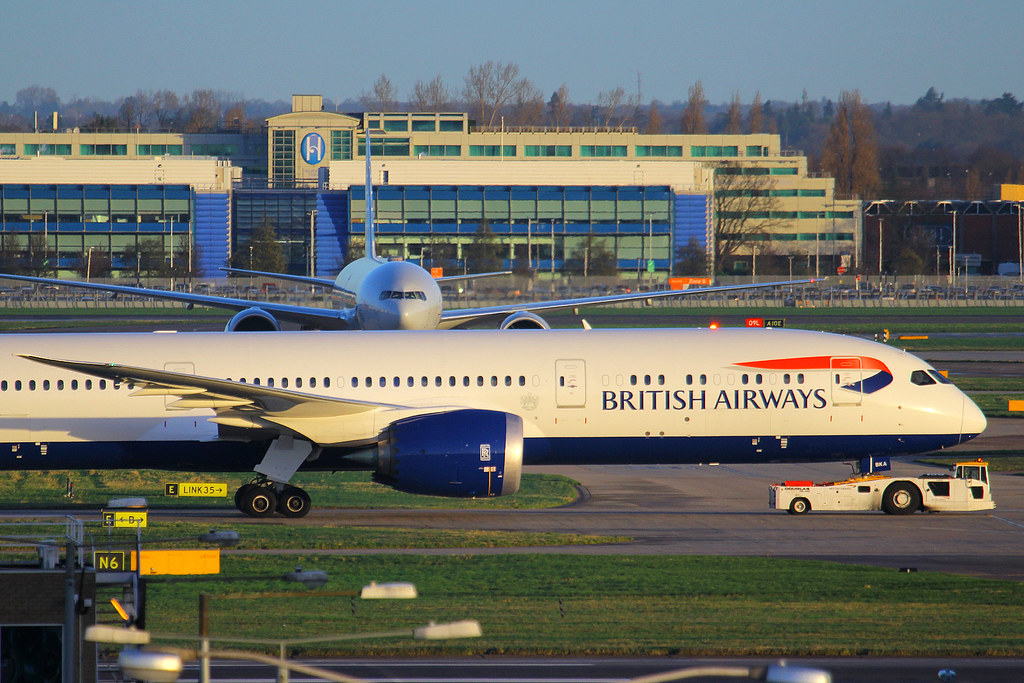
British Airways Maintenance Reportedly Recommended Iceland Diversion
Information shared by the aviation account Flightdrama on X indicated that British Airways’ maintenance team had recommended diverting the aircraft to Keflavik International Airport (KEF).
The reported ACARS messages also referenced an earlier oil leak involving the same aircraft. This detail attracted additional attention because G-ZBLC had experienced an engine-related emergency and diversion to Athens just ten days earlier.
Despite the reported recommendation, the pilots continued towards Boston rather than diverting to Iceland.
The aircraft eventually landed safely at Boston Logan International Airport at approximately 10:54 p.m. local time, according to Flightradar24. Its scheduled arrival was 9:50 p.m., placing the landing approximately 64 minutes behind schedule. The recorded flight time was 8 hours and 21 minutes.
The aircraft’s reduced speed and lower cruising altitude contributed to the extended journey. The Dreamliner was travelling below 400 knots during the affected portion of the flight, compared with a typical cruise speed closer to 500 knots.
BA239 FLIGHT DETAILS
| Detail | Information |
|---|---|
| Date | November 24, 2026 |
| Airline | British Airways (BA) |
| Flight number | BA239 |
| Aircraft | Boeing 787-10 Dreamliner |
| Registration | G-ZBLC |
| Departure | London Heathrow (LHR) |
| Destination | Boston Logan (BOS) |
| Emergency code | Squawk 7700 |
| Reported problem | Engine oil leak |
| Cruise altitude before emergency | Approximately 33,000 feet |
| Reduced cruising altitude | Approximately 28,000 feet |
| Landing | Safe arrival at Boston at 10:54 p.m. |
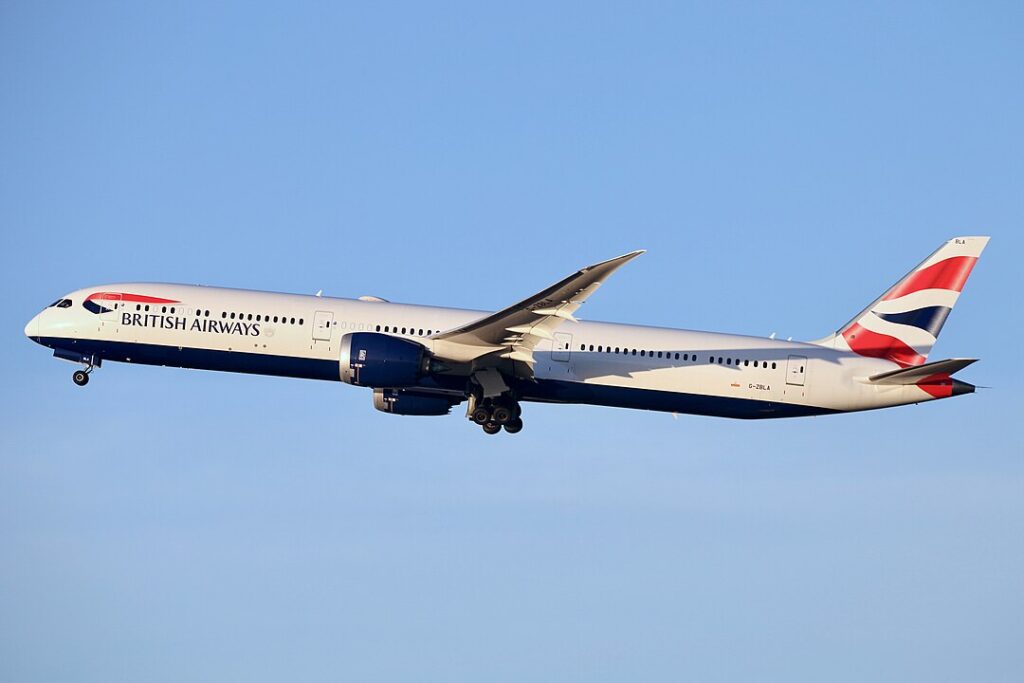
Similar Incident
The emergency over the North Atlantic was particularly notable because G-ZBLC had already experienced an engine-related incident earlier in November.
On November 14, the same Boeing 787-10 was operating British Airways Flight BA105 from London Heathrow (LHR) to Dubai International Airport (DXB). Approximately three hours into the journey, the aircraft encountered a problem with its right-hand engine while flying over Greece.
The aircraft was cruising at approximately 37,000 feet when the pilots decided to shut down the right-hand engine and divert to Athens International Airport (ATH).
The Boeing 787-10 landed safely in Athens after the diversion. According to a passenger report cited by The Aviation Herald, the pilots announced that an oil leak had prompted the diversion. However, British Airways did not publicly confirm that explanation in the available incident reporting.
The earlier incident and the subsequent ACARS references to an oil leak during BA239 raised questions about whether the two events were related. However, the available information does not establish that both incidents resulted from the same technical fault.
Aircraft Returned to Service After Six Days in Athens
Following the November 14 diversion, G-ZBLC remained on the ground in Athens for approximately six days.
Flight-tracking records show that the aircraft returned to London Heathrow on November 20, operating under flight number BA9171. It remained in London for several days before returning to passenger operations with BA239 to Boston on November 24.
The Boston flight was therefore its first passenger service following the Athens diversion.
There was also an important difference between the two incidents. During the November 14 flight, the pilots shut down the right-hand engine before diverting to Athens. During the November 24 emergency, the pilots managed the reported oil leak by reducing engine thrust and descending to a lower altitude.
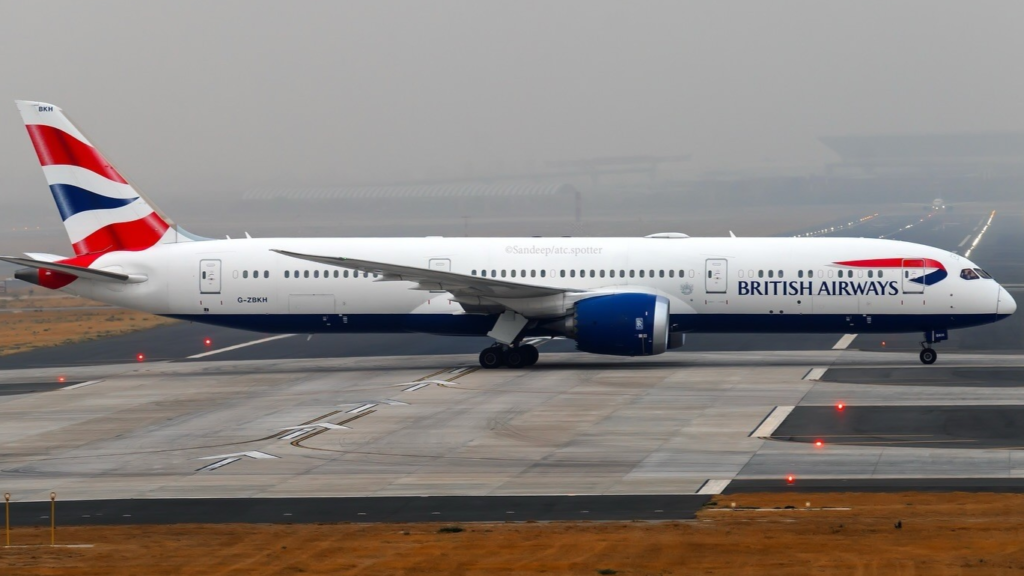
About the British Airways Boeing 787-10 G-ZBLC
The aircraft involved in both incidents is a Boeing 787-10 Dreamliner registered as G-ZBLC.
The aircraft first flew in September 2020 but was not delivered to British Airways until December 2022. Its delivery came during Boeing’s prolonged interruption of 787 deliveries, which followed production quality concerns.
G-ZBLC operated its first revenue service on December 23, 2022, to Denver International Airport (DEN).
British Airways configures its Boeing 787-10 aircraft with up to 256 seats across four cabins. These aircraft support the airline’s long-haul network, including services to North American, African and Middle Eastern destinations.
The carrier operates all three Boeing 787 variants: the 787-8, 787-9 and 787-10. The 787-10 is the largest member of the Dreamliner family and provides additional passenger capacity for high-demand long-haul routes.
G-ZBLC’s two engine-related incidents within ten days place its recent operational history under scrutiny. However, further technical information would be needed to establish whether the two occurrences shared a common cause.
At the time of reporting, it remained unclear whether aviation authorities would open a separate investigation into the Boston emergency or whether British Airways would provide additional details about the reported oil leak.
Stay tuned with us. Further, follow us on social media for the latest updates.
Join us on Telegram Group for the Latest Aviation Updates. Subsequently, follow us on Google News
