

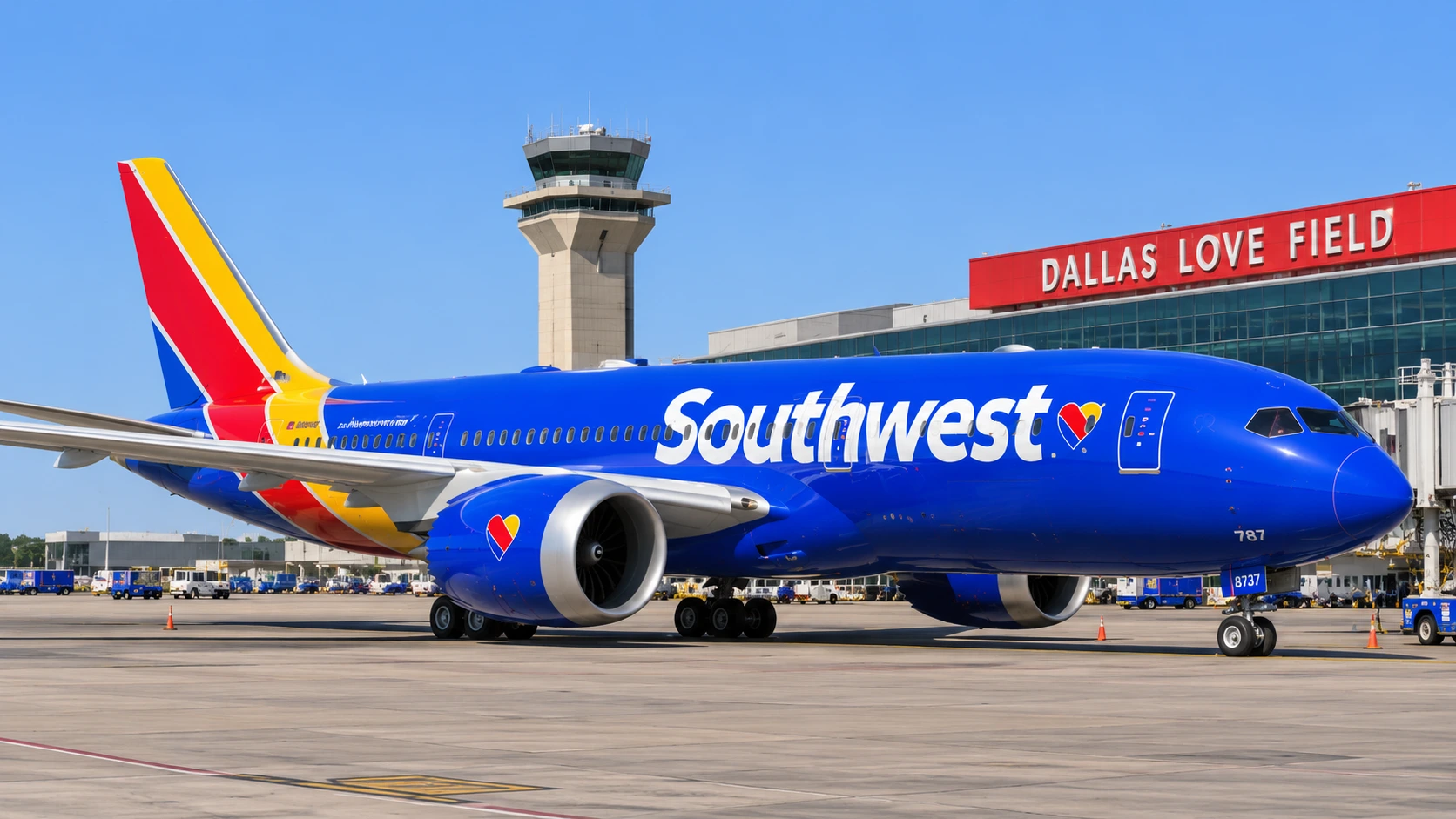
TEXAS- Southwest Airlines (WN) has dismissed reports that it is considering the Boeing 787 Dreamliner for long-haul international operations, despite growing signs that the Dallas-based carrier is moving beyond its traditional low-cost business model. The denial follows a Reuters report suggesting that the airline has been evaluating widebody aircraft, including potential leases and second-hand purchases.
Speaking during Southwest’s October 22, 2026, third-quarter earnings call, CEO Bob Jordan described reports of an impending widebody order as lacking credibility. However, the airline’s recent decisions to introduce checked-bag fees, assigned seating and premium services have raised questions about whether its current fleet strategy could eventually undergo another major change.
Southwest’s Fleet Plans Include the Dreamliner?
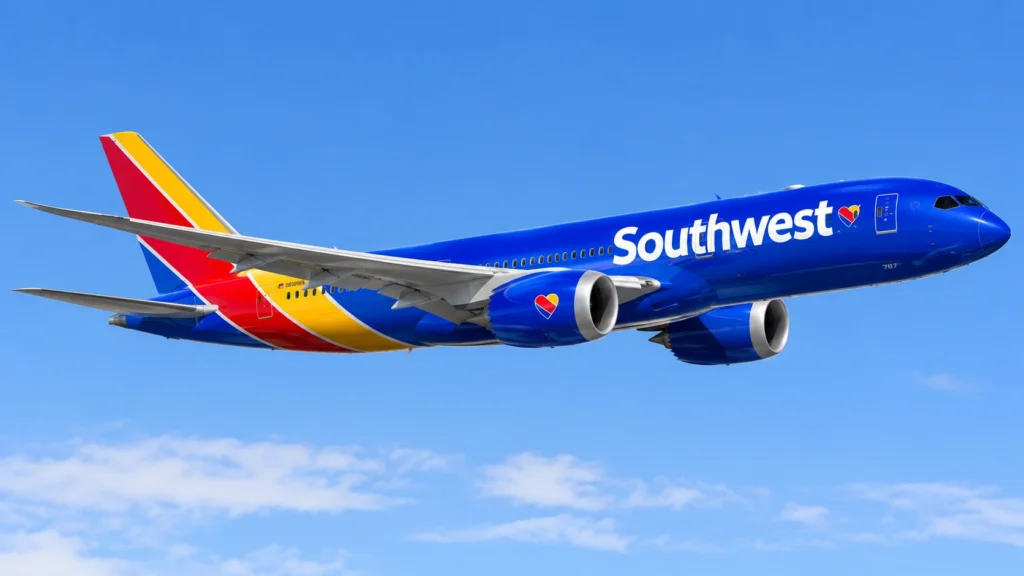
The October 8 Reuters report said Southwest was leaning towards the Boeing 787 as its first widebody aircraft, with discussions reportedly involving several dozen aircraft. The airline was also considering leasing options and used aircraft to accelerate a potential entry into long-haul markets.
Jordan rejected the suggestion that Southwest was close to ordering widebodies, pointing instead to the operational and contractual challenges involved.
Operating aircraft with more than 175 seats would require discussions with the pilots’ union, while introducing a widebody would involve considerably more complex negotiations and operational changes.
The CEO indicated that adding another Boeing 737 variant would be significantly easier. Nevertheless, his comments did not rule out long-haul international operations as a future possibility.
Southwest’s Changing Model
Southwest’s latest denial comes against the background of several significant changes to its identity. In March 2025, the airline announced an end to its longstanding two-free-checked-bag policy for most passengers, introducing charges for flights booked from May 28, 2025.
The initial fees were $35 for the first checked bag and $45 for the second. The decision marked a major departure from a policy that had distinguished Southwest from other major US airlines and helped establish its customer-friendly reputation.
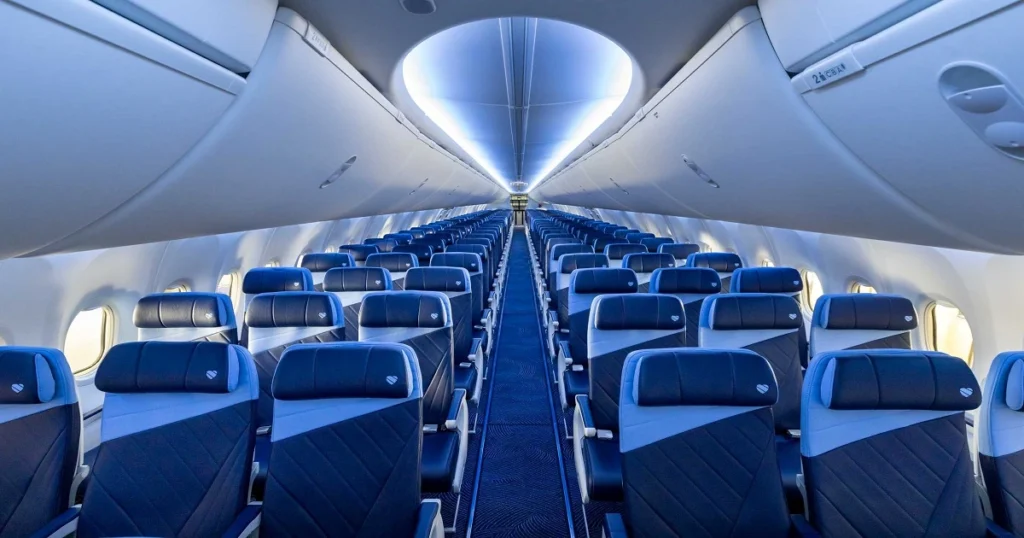
The airline subsequently ended its open-seating system on January 27, 2026, introducing assigned seats and eight boarding groups.
Its broader premium strategy also includes additional-legroom seating, four fare categories and plans for its first airport lounges, with initial locations expected to open in late 2027.
These changes suggest that Southwest is increasingly targeting customers willing to pay more for additional services. However, the transition has also reduced some of the characteristics that previously separated the airline from its larger competitors.
International Growth Ahead for Southwest
Southwest’s financial performance provides another reason to examine its future expansion plans.
In the third quarter of 2026, the airline recorded $8.4 billion in operating revenue, an increase of 21.2% year over year. Revenue per available seat mile (RASM) increased by a record 21.6%, even as capacity declined 0.4%.
However, higher revenue does not automatically translate into sustainable capacity growth. Southwest expects its full-year 2026 capacity to increase by approximately 1.2%, highlighting the importance of finding additional markets and revenue opportunities, Live and Let’s Fly flagged.
The airline has expanded international partnerships with carriers including Icelandair, China Airlines, EVA Air and Turkish Airlines.
These agreements provide access to destinations beyond Southwest’s own network, although they cannot fully replace the commercial opportunities offered by operating long-haul flights directly.
A Boeing 787 operation would represent a substantial strategic departure, requiring new training, maintenance arrangements and labour agreements. It would also expose Southwest to competition from established international operators.
For now, Jordan’s denial establishes that no widebody order has been confirmed. However, Southwest’s transformation over the past two years demonstrates how quickly previously distinctive policies can change when commercial priorities shift.
Stay tuned with us. Further, follow us on social media for the latest updates.
Join us on Telegram Group for the Latest Aviation Updates. Subsequently, follow us on Google News
