

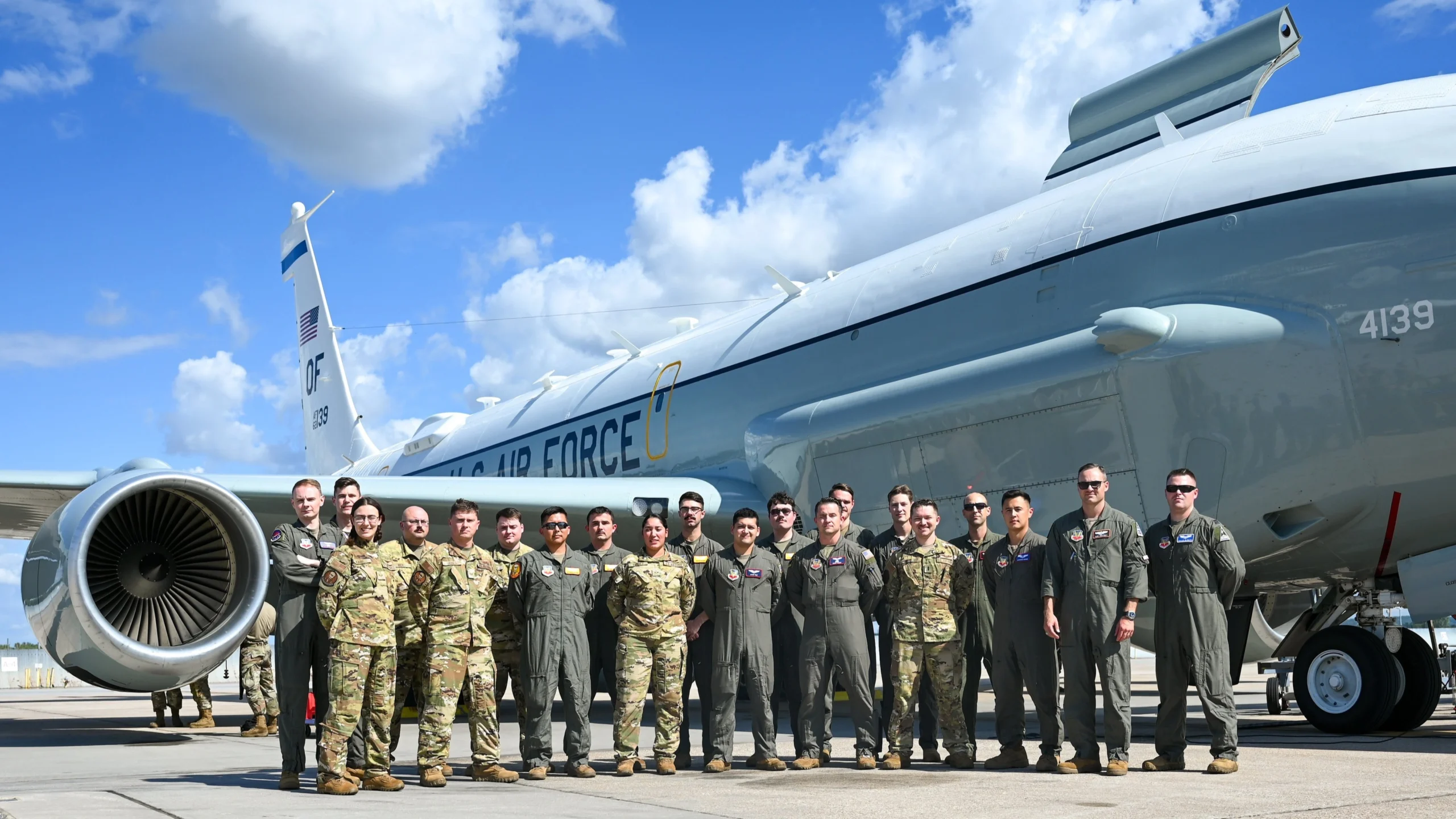
ARLINGTON- US Air Force pilots earn annual basic pay from $66,409 as Captains to $227,999 at the top general officer level in 2026.
Allowances, aviation incentive pay, and retention bonuses add to those figures. This article covers 5 officer pay groups, from Captain to General, and explains what pilots do at each level.
How Air Force Pilot Pay Works in 2026
Air Force pilots are commissioned officers, as are pilots in the Navy, Marine Corps, and most allied air forces. Fighter pilots in particular make important decisions with incomplete information, and militaries reserve those decisions for officers.
US Army helicopter pilots are an exception, because some serve as warrant officers. The Air Force reintroduced warrant officers in 2024, but only for cyber and information technology roles.
Two factors set an officer’s basic pay: pay grade and cumulative years of service. The Defense Finance and Accounting Service (DFAS) publishes the tables.
The 2026 rates took effect on January 1, 2026, and include a 3.8% raise. Pilots begin flight training as Second Lieutenants (O-1) and fly early operational missions as First Lieutenants (O-2). Captain (O-3) is the core pilot rank.
The figures in this article are annualized basic pay, calculated as the monthly rate times 12. They are pay-table ranges, not averages of what pilots earn, and they exclude allowances and bonuses.
The lowest figure applies to officers with the fewest years of service. Promotion takes years, so officers at higher ranks usually sit above the bottom of their range.
Two legal caps apply. Basic pay for O-6 and below cannot exceed $15,408.30 a month. For O-7 to O-10, the limit is $18,999.90 a month. Officers with more than four years of prior enlisted or warrant officer service are paid on a separate scale at O-1 to O-3.
| Rank | Pay grade | Monthly basic pay | Annual basic pay |
|---|---|---|---|
| Captain | O-3 | $5,534.10 to $9,004.20 | $66,409 to $108,050 |
| Major | O-4 | $6,294.60 to $10,509.90 | $75,535 to $126,119 |
| Lieutenant Colonel | O-5 | $7,295.40 to $12,394.80 | $87,545 to $148,738 |
| Colonel | O-6 | $8,751.30 to $15,408.30 | $105,016 to $184,900 |
| General officers | O-7 to O-10 | $11,540.10 to $18,999.90 | $138,481 to $227,999 |
5. O-3 Captain: $66,409 to $108,050 Base Pay
A Captain with two years of service or less earns $5,534.10 a month, or $66,409 a year. Pay reaches $7,737.00 a month ($92,844 a year) after six years and $8,788.20 ($105,458) after 12 years. It peaks at $9,004.20 a month ($108,050) after 14 years.
Captains form the core of the pilot force. They have completed student pilot training, served as Second Lieutenants, and gained operational experience as First Lieutenants. They work as flight commanders and instructors, lead formations of two to four aircraft, teach new pilots, and plan missions. Most pilots who fly military aircraft are First Lieutenants or Captains.
Many pilots leave active duty at the Captain or Major rank. Commercial airlines actively recruit experienced military pilots at this stage.
4. O-4 Major: $75,535 to $126,119 Base Pay
A Major earns $6,294.60 a month ($75,535 a year) at the low end of the table. Pay rises to $8,332.20 a month ($99,986) after six years and $9,420.00 ($113,040) after 10 years. The maximum is $10,509.90 a month ($126,119), reached after 18 years.
Majors are senior pilots with medium-to-high flying experience. They serve as instructor pilots, flight commanders, and operations officers. They also evaluate other pilots, which matters because air forces often lack enough qualified trainers for the next pilot class. Staff duties take up more of their time than at Captain rank, and their peak combat flying years are behind them. Many consider this the most professionally respected stage of a pilot’s career.
The Air Force Academy states that graduates who complete pilot training currently owe 10 years of active service after training. Pilots who leave after that commitment often cite stronger commercial pay and Air Force roles with more administrative work and less flying.
3. O-5 Lieutenant Colonel: $87,545 to $148,738 Base Pay
A Lieutenant Colonel earns $7,295.40 a month ($87,545 a year) at the low end. Pay reaches $9,249.60 a month ($110,995) after six years and $10,271.70 ($123,260) after 12 years. It climbs to $12,032.70 ($144,392) after 20 years and peaks at $12,394.80 a month ($148,738) after 22 years.
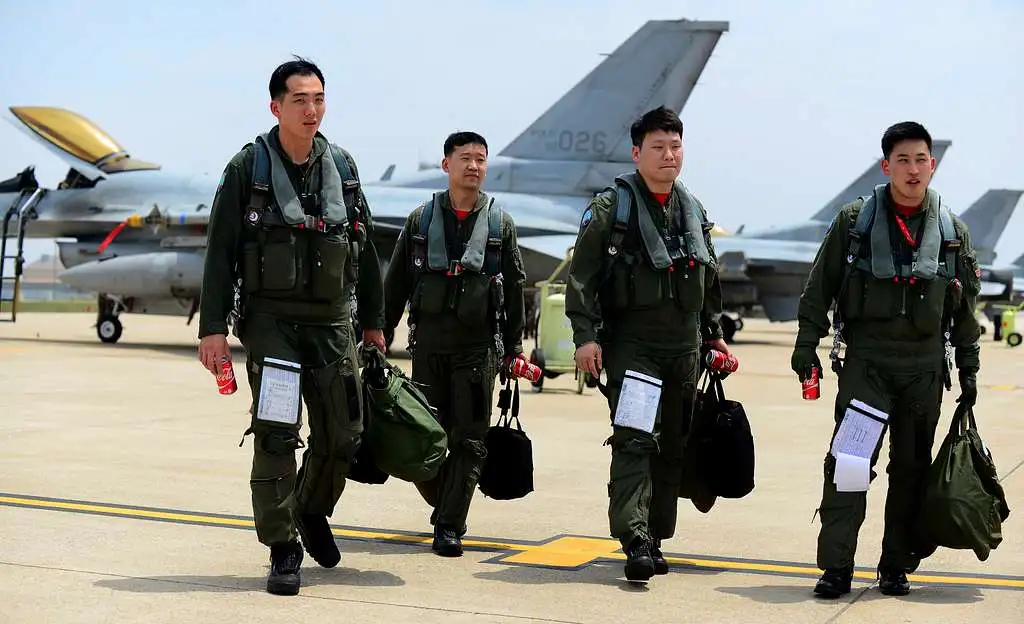
Leadership becomes the main duty at this rank. Most Lieutenant Colonels command squadrons, serve as deputy commanders, or hold senior staff posts, including at the Pentagon. They can still lead units in the air, but staff officers fly very little.
Lieutenant Colonel is a common retirement rank. Officers reach about 20 years of service here, which qualifies them for a military pension while keeping them close to flying. Promotion beyond this rank is harder, so many treat it as the end of a full career.
2. O-6 Colonel: $105,016 to $184,900 Base Pay
A Colonel earns $8,751.30 a month ($105,016 a year) at the low end of the table. Pay is $13,115.40 a month ($157,385) after 18 years and $14,112.90 ($169,355) after 22 years. The maximum is $15,408.30 a month ($184,900), reached after 30 years and equal to the Level V cap.
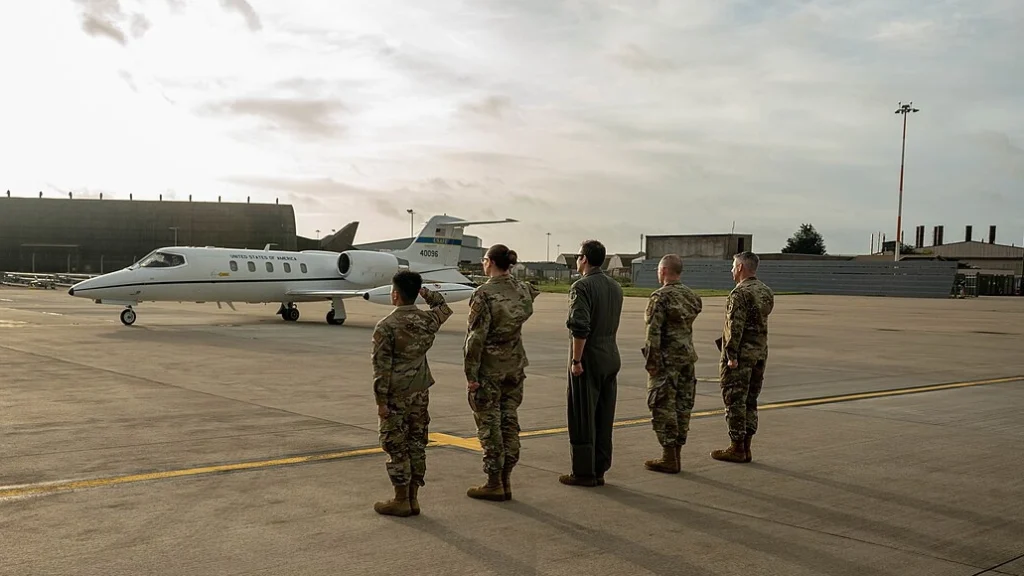
Only a small share of officers reach this rank. Promotion requires strong performance and command experience. Colonels run wings, lead groups, or fill senior staff roles. A Wing Commander oversees thousands of personnel and dozens of aircraft. Colonels are senior leaders first and pilots second.
Colonels stay qualified as pilots, but how much they fly varies. Their flights often serve to maintain currency, support high-visibility missions, or boost morale. Reserve and Air National Guard Colonels may fly more for proficiency and check rides. Colonels do not fly regular combat missions. Combat flying is more likely in bomber and special operations units, and during pilot shortages or surge conditions, including wars. Lower ranks still carry the heavy flying workload.
1. O-7 to O-10 Generals: $138,481 to $227,999 Base Pay
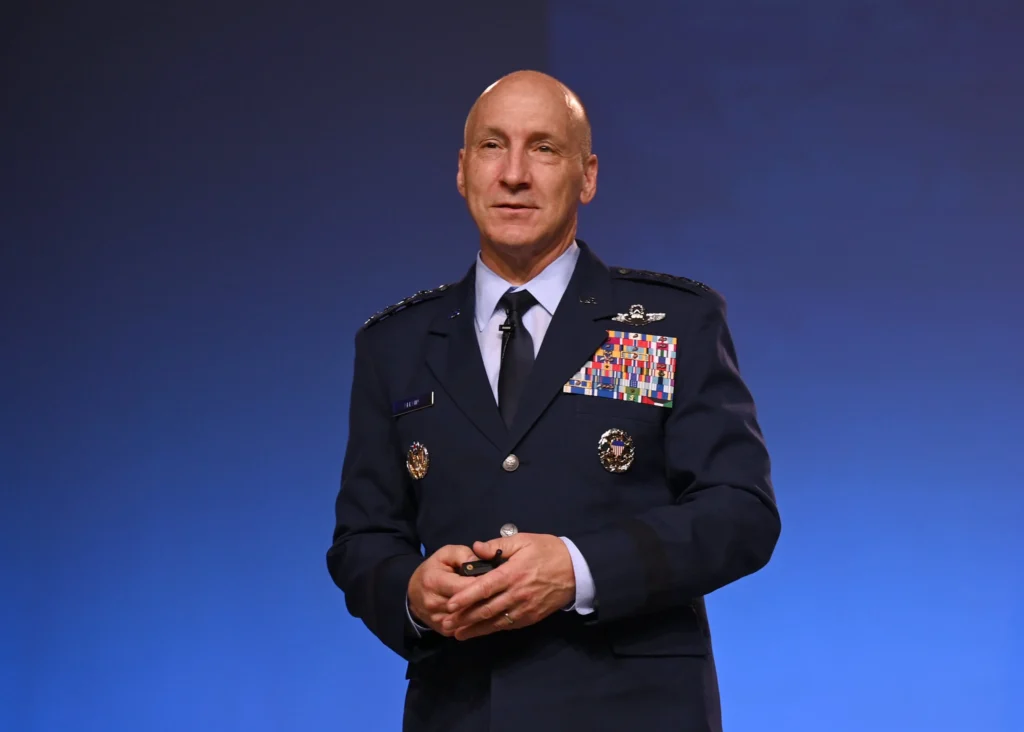
Four ranks make up the general officer group: Brigadier General (O-7), Major General (O-8), Lieutenant General (O-9), and General (O-10). They manage theaters, commands, or the whole Air Force. The Level II cap of $18,999.90 a month limits their basic pay.
- O-7: $11,540.10 a month ($138,481 a year) at the low end, rising to $17,242.20 ($206,906) after 30 years.
- O-8: $13,888.50 a month ($166,662) at the low end. Pay reaches $18,598.20 after 20 years and the cap after 22 years.
- O-9 and O-10: DFAS lists $18,999.90 a month ($227,999 a year) from 20 years of service.
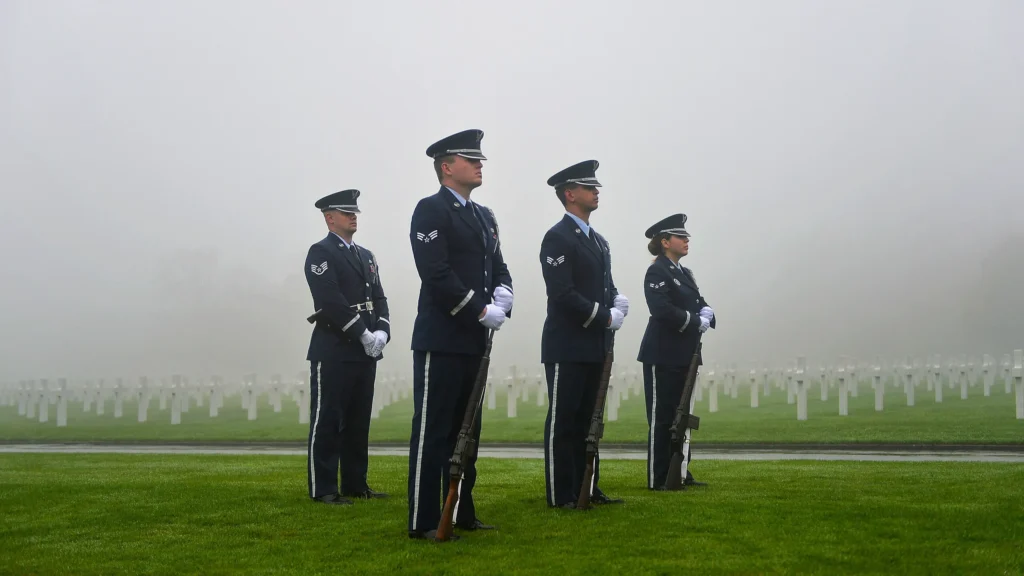
Some generals remain qualified pilots and must fly a minimum number of hours to keep their wings. They mostly fly training sorties and non-combat flights, often with operational units to learn capabilities and meet crews.
These flights are usually short and controlled. A few generals flew combat missions in the Vietnam War and the Gulf War, and those flights were often symbolic.
When generals fly, they typically use mobility aircraft such as the C-17 and KC-135, or trainers. Fighter flying is uncommon because it demands very high currency.
Brigadier General is the last rank where flying still happens in a meaningful way. Major Generals fly less, and flying for Lieutenant Generals is almost non-existent.
Allowances, Aviation Incentive Pay, and Bonuses
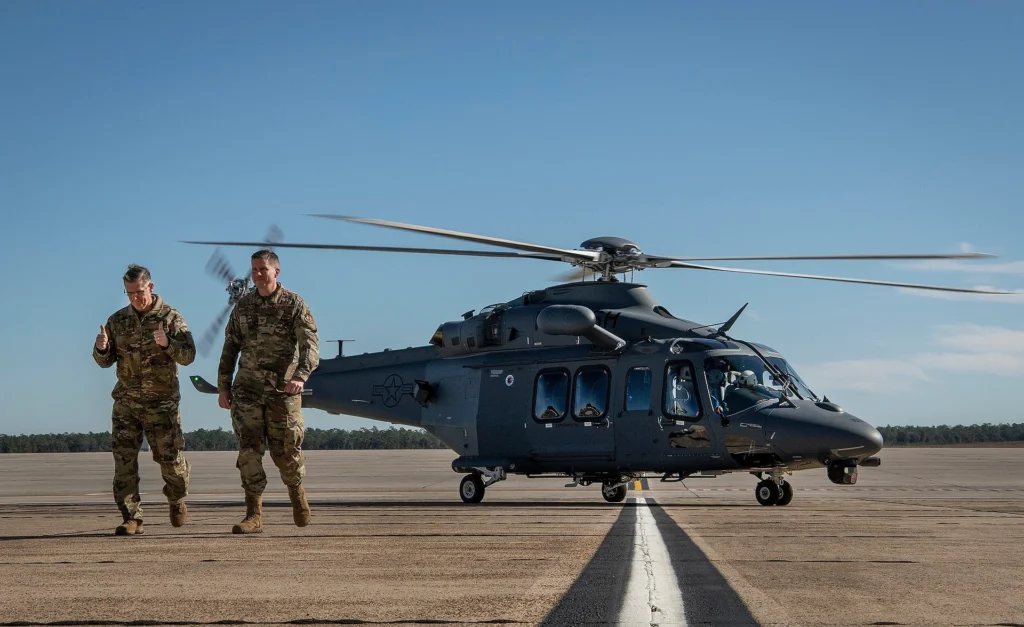
Basic pay is only part of what pilots earn. The Air Force emphasizes total compensation for pilots.
Basic Allowance for Subsistence (BAS): Officers receive $328.48 a month in 2026 to offset food costs.
Basic Allowance for Housing (BAH): The amount depends on rank, duty location, and dependents. Two Captains with the same years of service can receive different amounts in different locations.
Aviation Incentive Pay: Eligible officers receive this monthly pay for flying duty. The Department of Defense Financial Management Regulation lists Air Force rates of $150 a month for two years of aviation service or less and $250 after 2 years.
The rate rises to $700 after 6 years and $1,000 after 12 years. It then falls to $700 after 22 years and $450 after 24 years.
Aviation Bonus: The fiscal year 2026 program covers pilots, remotely piloted aircraft pilots, air battle managers, and combat systems officers at the rank of Lieutenant Colonel and below. They must be qualified for operational flying duty and receive monthly aviation incentive pay.
Contracts run from three to 12 years, with payments of up to $50,000 a year depending on career field and experience. Shorter contracts pay more, particularly in fighter, bomber, and U-2 communities. Applications ran from April 1 to May 31, 2026.
Estimated Flying Hours and Total Pay by Rank
Simple Flying publishes estimates of flying hours and total compensation by rank. These are not official Air Force figures. Total pay includes basic pay, allowances, and bonuses.
| Rank | Estimated annual flying hours | Estimated total compensation |
|---|---|---|
| Captain | 200 to 300 (fighters), 300 to 500 (tankers and transports) | Up to $150,000 |
| Major | 150 to 250 (fighters), 200 to 400 (tankers and transports) | Up to $170,000 |
| Lieutenant Colonel | 50 to 150 (squadron commanders), near zero (staff) | $120,000 to $170,000 |
| Colonel | About 100, or almost none | $140,000 to $200,000 |
| Brigadier General | Up to about 50, usually far less | More than $300,000 for general officers |
Fighter captains often fly fewer hours in peacetime. For comparison, the estimates put senior widebody airline captain pay at $400,000 to more than $500,000.
Why Air Force Pays to Keep Pilots
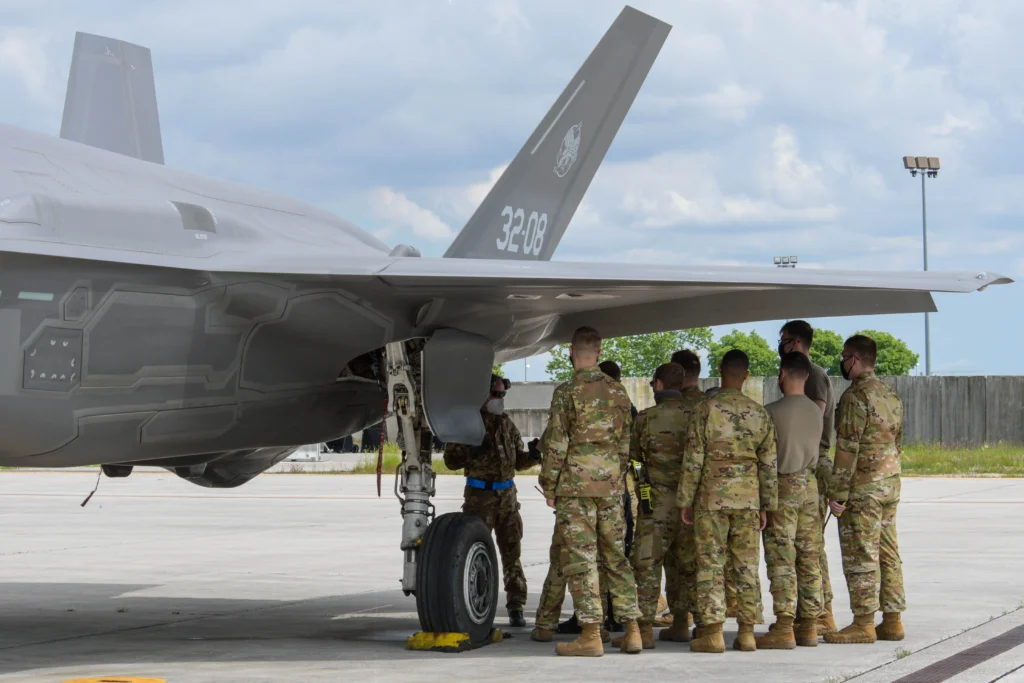
Training a pilot takes years and costs millions. A 2018 Government Accountability Office report said Air Force officials estimated it costs $3 million to $11 million and takes about five years to develop a fighter pilot who can lead combat missions.
Headquarters Air Force puts the cost of training a fighter pilot with 2,000 flight hours at $65 million to $100 million, according to a May 2024 article from the 56th Fighter Wing Public Affairs. The two figures cover different scopes of training.
Experienced pilots also serve as instructors, evaluators, and operational leaders, and replacing them takes another long training cycle. Retention bonuses help the Air Force keep that experience.
Stay tuned with us. Further, follow us on social media for the latest updates.
Join us on Telegram Group for the Latest Aviation Updates. Subsequently, follow us on Google News
