

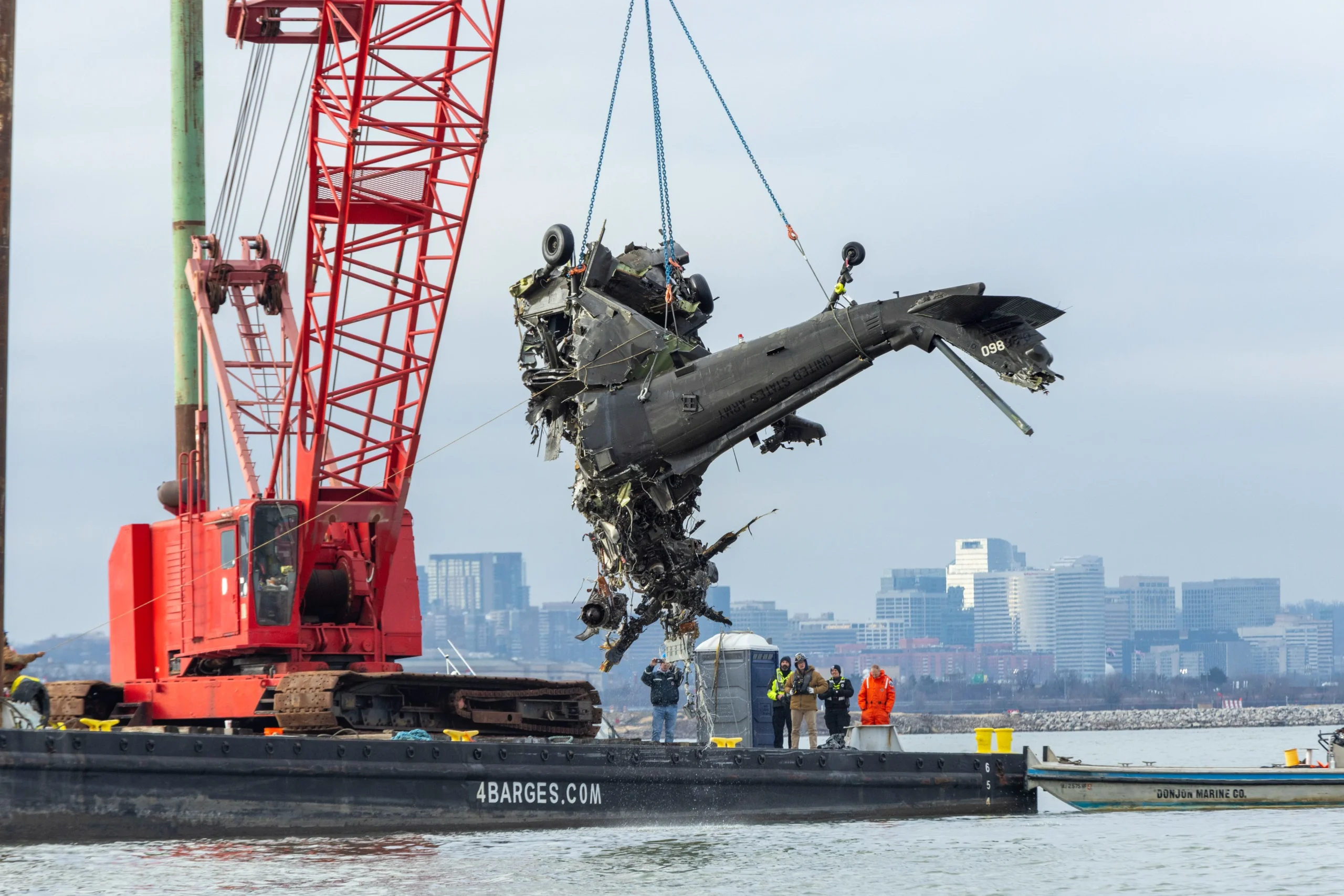
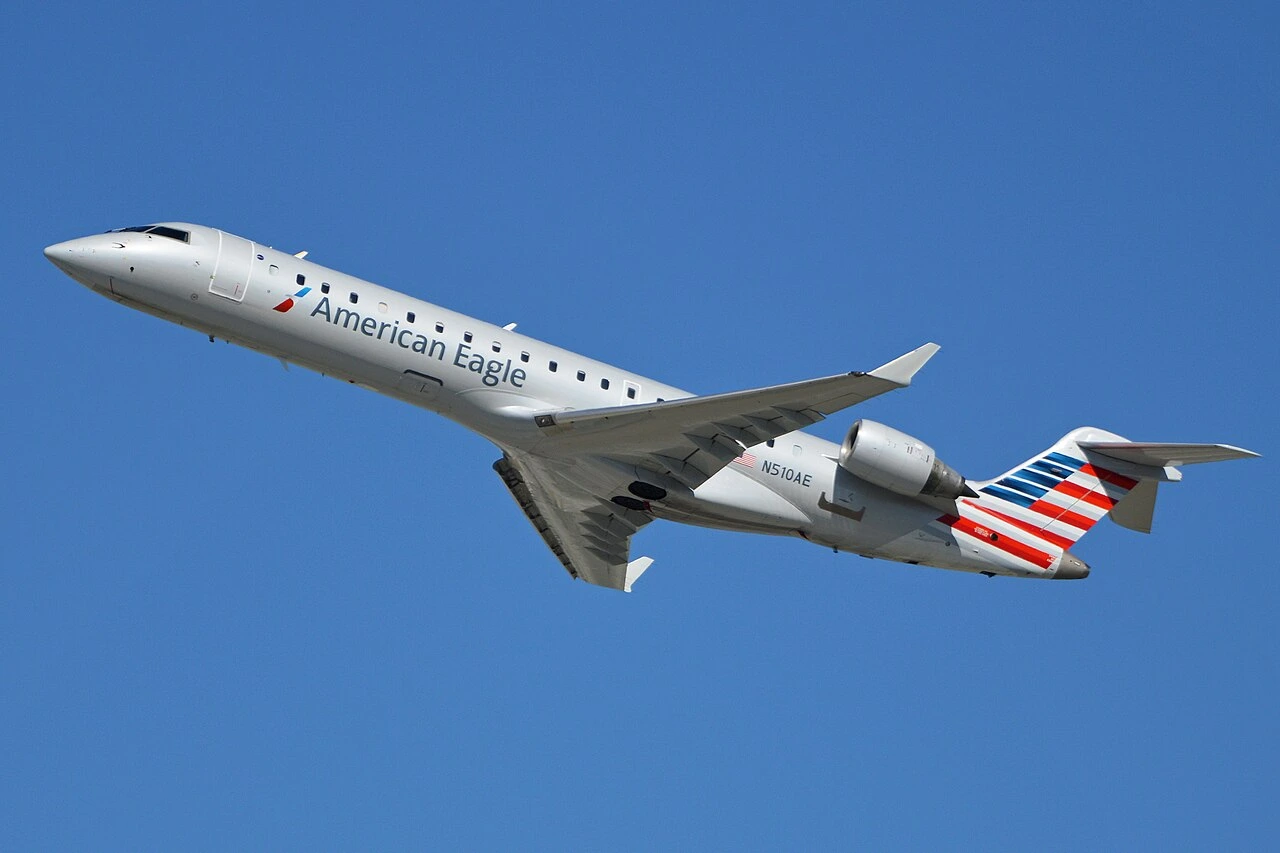
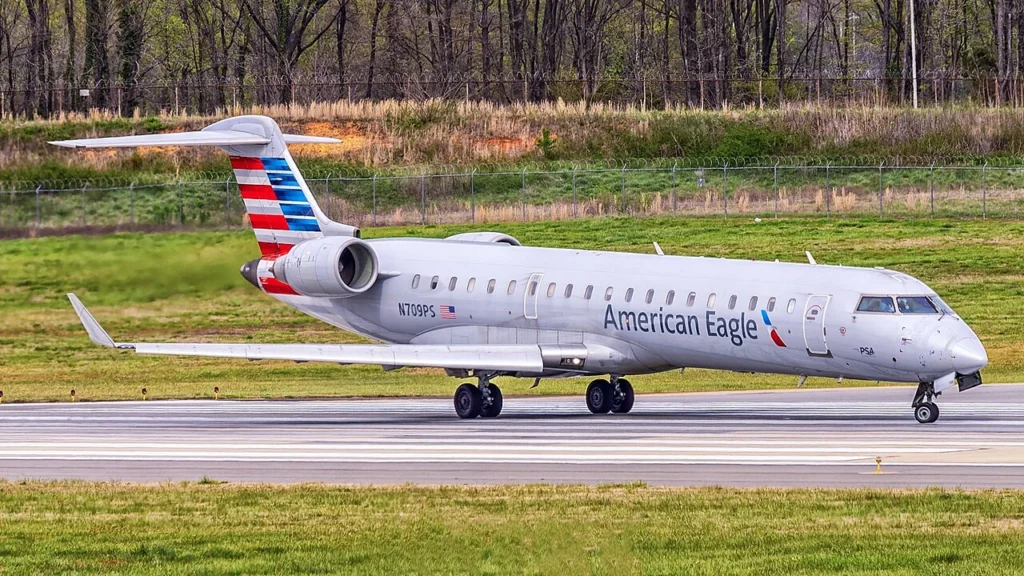
WASHINGTON — Congress has agreed on a key aviation safety provision requiring civilian aircraft to carry systems that allow pilots to detect nearby aircraft, following the fatal midair collision involving an American Airlines (AA) passenger jet and a U.S. Army Black Hawk helicopter near Washington, D.C., on January 29, 2025.
The agreement marks a significant step toward addressing a long-standing safety gap in the U.S. aviation system. However, lawmakers have yet to settle the provisions governing military aircraft, which remain a major point of disagreement in the broader aviation safety legislation.
Aircraft Locator Mandate Gains Congressional Support
Senators Ted Cruz and Maria Cantwell announced the agreement during a demonstration outside the U.S. Capitol on Tuesday.
Families of the 67 victims organized the event to push lawmakers toward stronger aircraft tracking requirements and improved protections for aircraft operating in shared airspace.
The proposed requirement focuses on ADS-B In technology, which allows pilots to receive information about nearby aircraft and their positions.
While ADS-B Out broadcasts an aircraft’s location to other aircraft and air traffic controllers, ADS-B In provides pilots with a display of surrounding traffic, helping them identify potential collision risks.
The Federal Aviation Administration (FAA) already requires ADS-B Out in designated airspace, but it does not generally mandate ADS-B In equipment.
Some airlines have installed the technology on newer aircraft, while private pilots often rely on portable receivers connected to electronic flight displays.
Military Aircraft Debate Over Safety Requirements
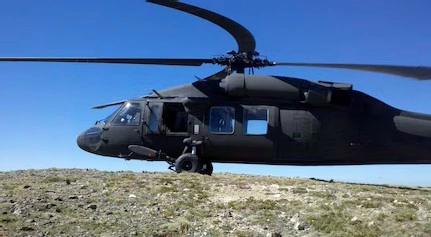
The January collision exposed concerns about aircraft visibility when military aircraft operate near commercial traffic. The Army Black Hawk involved in the crash was flying without its ADS-B Out system transmitting, reportedly because of security concerns, despite operating on a training flight.
Cantwell argued that military aircraft should follow comparable safety requirements when operating in shared airspace. Cruz expressed confidence that lawmakers could pass the legislation before the end of the year, although Congress must still resolve the military-related provisions.
The Senate and House previously approved separate aviation safety reform bills. Lawmakers have since worked toward a compromise addressing all 50 recommendations issued by the National Transportation Safety Board (NTSB) following the disaster.
Families Demand Stronger Aviation Safety Protections
Hamaad Raza, who lost his wife Asra Hussain in the collision, described how he regularly reassured her about flying despite her fear of air travel.
He said he only learned about aircraft locator technology after the accident and questioned why essential safety equipment had not been required earlier.
Air Line Pilots Association President Capt. Jason Ambrosi also urged lawmakers to require visibility systems on both civilian and military aircraft. He argued that pilots cannot avoid aircraft they cannot detect, particularly when operating in busy airspace.
The FAA has already introduced restrictions to reduce helicopter and commercial aircraft conflicts around Ronald Reagan Washington National Airport (DCA). Air traffic controllers can no longer rely solely on pilots to visually identify and avoid nearby aircraft.
NTSB Chairwoman Jennifer Homendy urged Congress to turn the tragedy into a lasting safety improvement.
The collision killed all 67 people aboard both aircraft, including 28 members of the figure skating community, making it the deadliest U.S. aviation disaster since 2001, Insurance Journal reported .
A key factual clarification from the latest reporting: lawmakers have reached an agreement in principle on the civilian provisions, rather than passing the final legislation into law. The military provisions remain unresolved.
The article should retain that distinction to avoid overstating the development.
Stay tuned with us. Further, follow us on social media for the latest updates.
Join us on Telegram Group for the Latest Aviation Updates. Subsequently, follow us on Google News


