

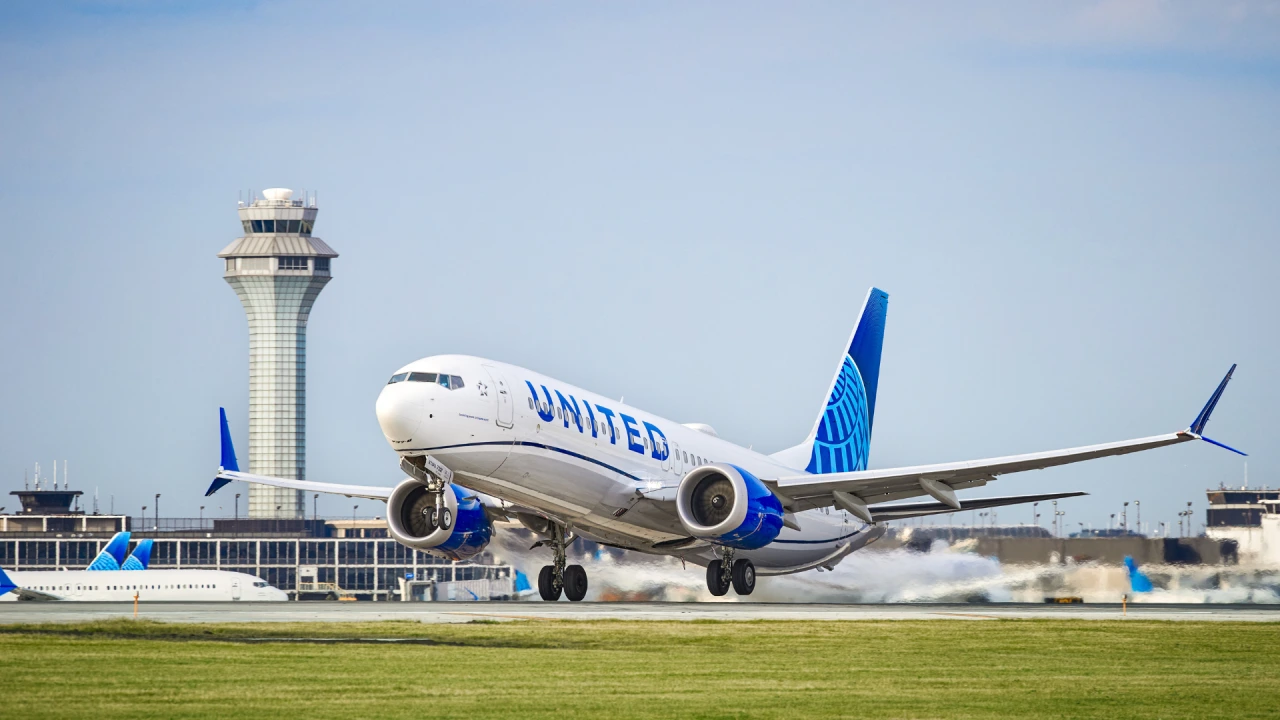
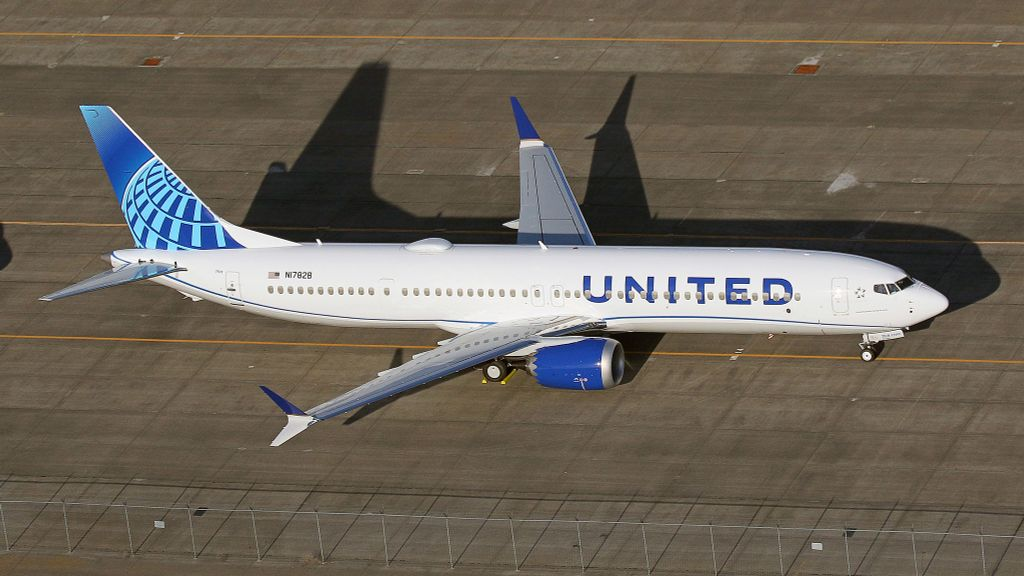
CHICAGO- United Airlines (UA) faced a double emergency on October 25, 2026, when the right main landing gear of a Boeing 737 MAX 9 reportedly would not extend on approach to Houston George Bush Intercontinental Airport (IAH).
The flight from Grand Cayman (GCM) burned excess fuel during the problem, and the crew reported only 10 to 12 minutes remaining. The gear extended before landing, and the aircraft arrived safely.
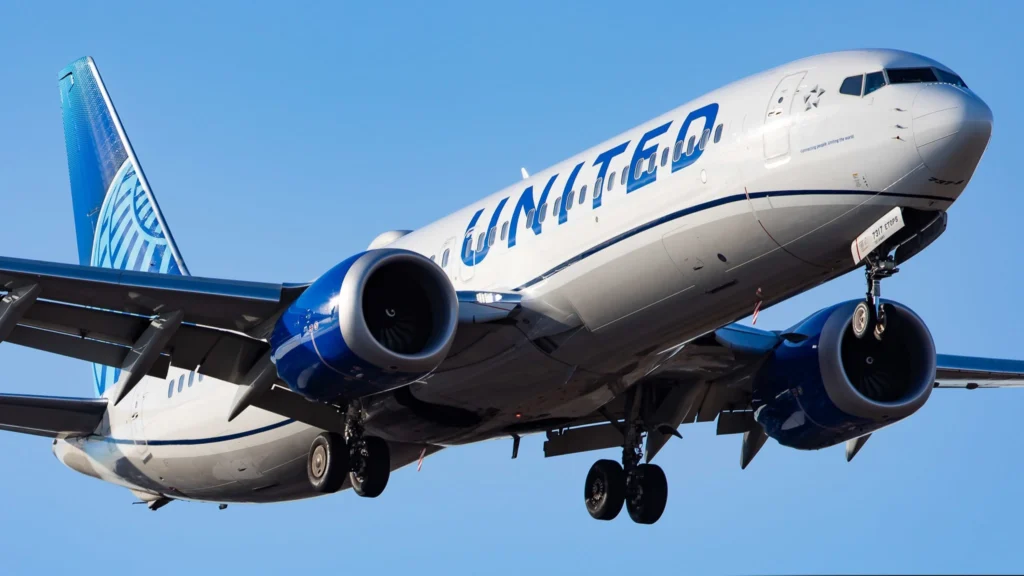
How Flight UA 1854 Ran Into Two Emergencies
United Airlines Flight UA 1854 connects Grand Cayman with Houston. The original report described the route as a twice weekly service, with the flight departing Owen Roberts International Airport at approximately 4:28 PM on Sunday, October 25. That was 17 minutes earlier than its usual scheduled departure time of 4:45 PM.
The flight normally takes around 3 hours. Most of the journey proceeded without reported problems, but the situation changed as the aircraft began its descent toward Houston.
The flight crew discovered that the right main landing gear would not extend as expected. The pilots immediately informed air traffic control at George Bush Intercontinental Airport and declared an emergency.
Air traffic controllers coordinated with the crew to assess the aircraft’s condition and prepare for its arrival. A low pass over the airport was arranged to help observers check the landing gear visually.
According to Simple Flying, a passing aircraft also helped confirm that the right main landing gear remained retracted. This information gave the crew and controllers a clearer understanding of the problem while they worked toward a safe landing.
The pilots continued communicating with air traffic control while managing the malfunction. They also requested that fire trucks and other emergency services be positioned to respond when the aircraft arrived.
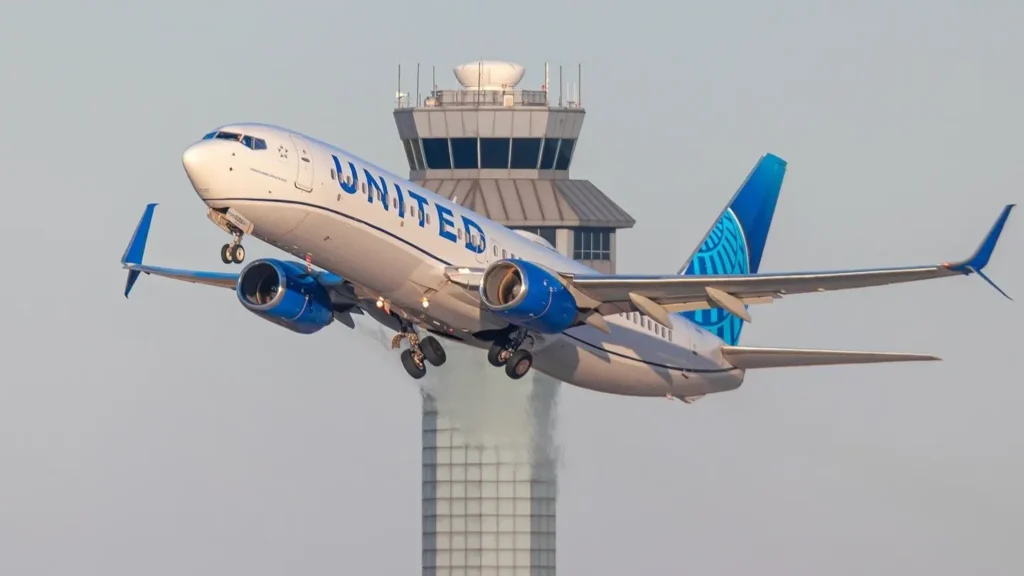
Low Fuel Increased Pressure on Flight Crew
The landing gear problem became more urgent when the pilots reported that the aircraft had approximately 10 to 12 minutes of fuel remaining.
Air traffic control recordings described in published reports captured the crew’s concern about the remaining fuel. The pilots had to manage the landing gear issue while considering the time available to complete the necessary checks and prepare for landing.
The exact fuel quantity has not been independently established in the available public information. The reported 10 to 12 minutes refers to the crew’s estimate during the emergency, rather than a separately verified measure of the aircraft’s remaining fuel.
The crew maintained contact with air traffic control as the aircraft continued its approach preparations. Emergency responders were alerted so they could assist immediately if the landing resulted in further complications.
During the final holding pattern, the right main landing gear reportedly extended. This allowed the crew to proceed with the landing after the earlier concern about the gear’s position.
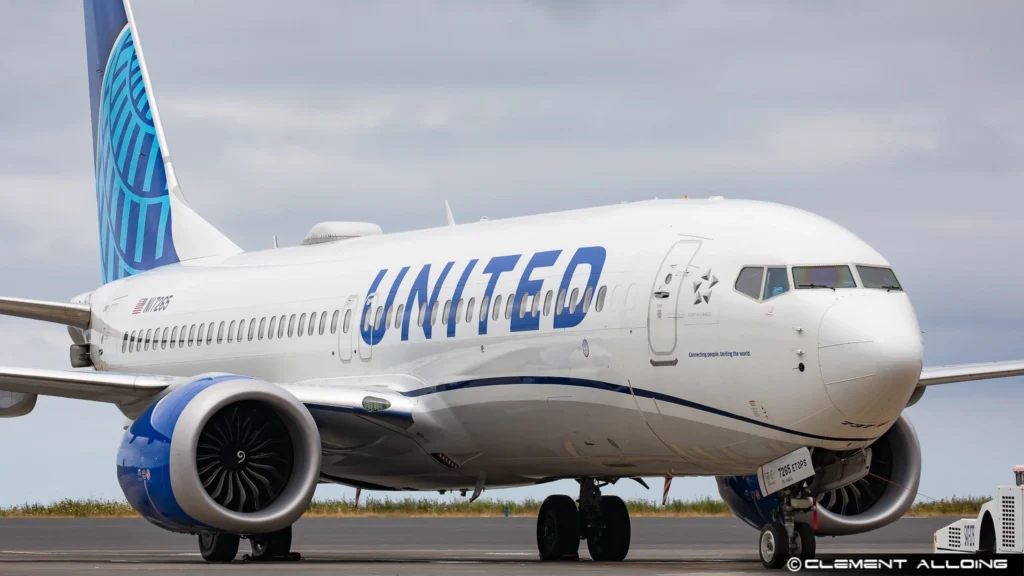
United Confirms Safe Landing
United Airlines confirmed that Flight UA 1854 carried 83 passengers and 6 crew members. The airline said the aircraft declared an emergency because of a mechanical indication but landed safely, taxied normally and allowed passengers to leave at the gate.
The captain reportedly told air traffic control that there were “90 souls onboard.” This differed from United’s confirmed count of 89 people, and the available public reports have not explained the discrepancy.
Flight tracking records show that the aircraft touched down at Houston at approximately 8:12 PM local time and reached its gate at 8:24 PM on October 25.
Emergency services met the aircraft after landing to check its condition. The plane continued taxiing under its own power, and passengers deplaned at the gate rather than through an emergency evacuation. No injuries were reported.
The Federal Aviation Administration (FAA) is investigating the incident. The available reports do not establish the precise technical cause of the landing gear problem or confirm whether a particular mechanical component failed.
Bottom Line
United Flight 1854 completed its journey without reported injuries after the crew encountered a landing gear problem and reported low fuel during the approach to Houston.
The sequence of events included an emergency declaration, visual checks of the landing gear, coordination with airport emergency services and the eventual extension of the right main landing gear. The aircraft then landed and taxied to the terminal under its own power.
The FAA’s investigation will help determine the circumstances behind the mechanical indication and the landing gear issue. Until the findings are available, the cause should not be attributed to a specific component, manufacturing defect or maintenance error.
For passengers and crew, the immediate outcome was a safe arrival at Houston’s George Bush Intercontinental Airport. The investigation will establish whether the event requires further technical or operational action.
Stay tuned with us. Further, follow us on social media for the latest updates.
Join us on Telegram Group for the Latest Aviation Updates. Subsequently, follow us on Google News
