

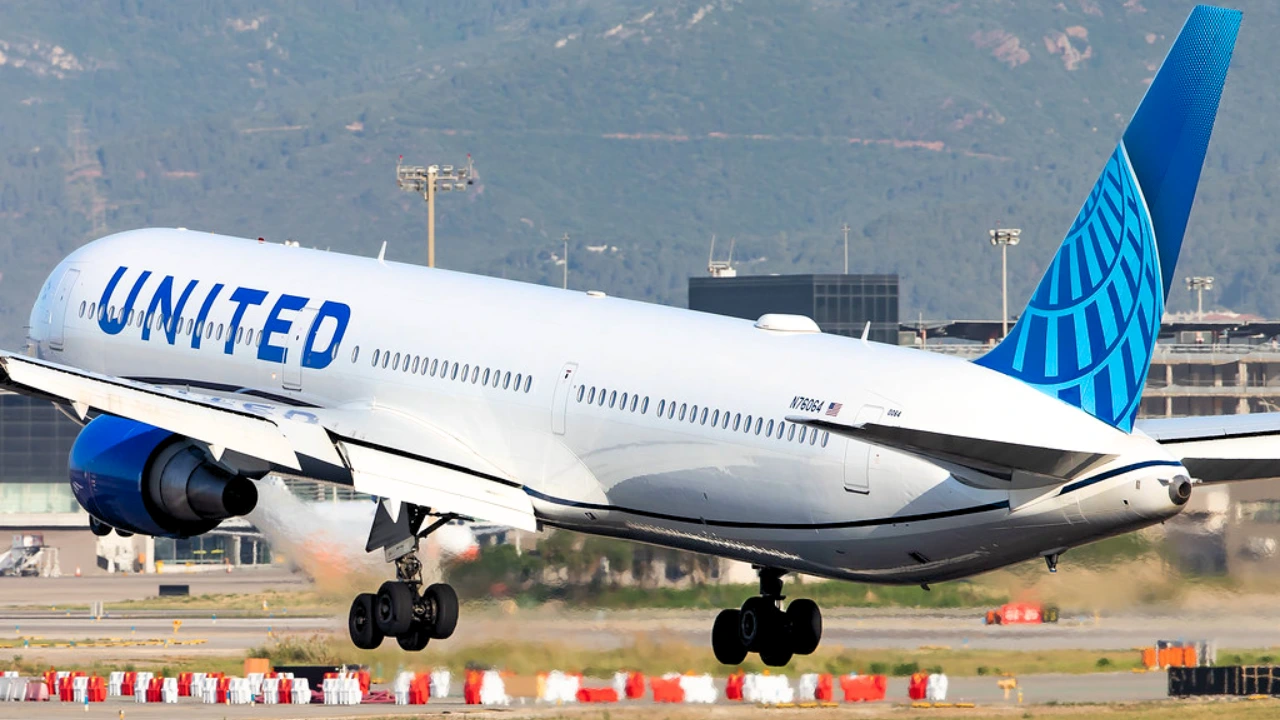
CHICAGO- United Airlines (UA) is considering future flights to Uzbekistan and Kazakhstan after network-planning chief Patrick Quayle visited both countries in 2026.
CEO Scott Kirby said the destinations could become part of United’s network in the future, but no launch dates have been announced.
Potential destinations include Tashkent International Airport (TAS) and Almaty International Airport (ALA), with Newark Liberty International Airport (EWR) a possible US gateway.
Uzbekistan already has nonstop flights to New York’s John F. Kennedy International Airport (JFK), while Kazakhstan has no established nonstop passenger service to the United States.
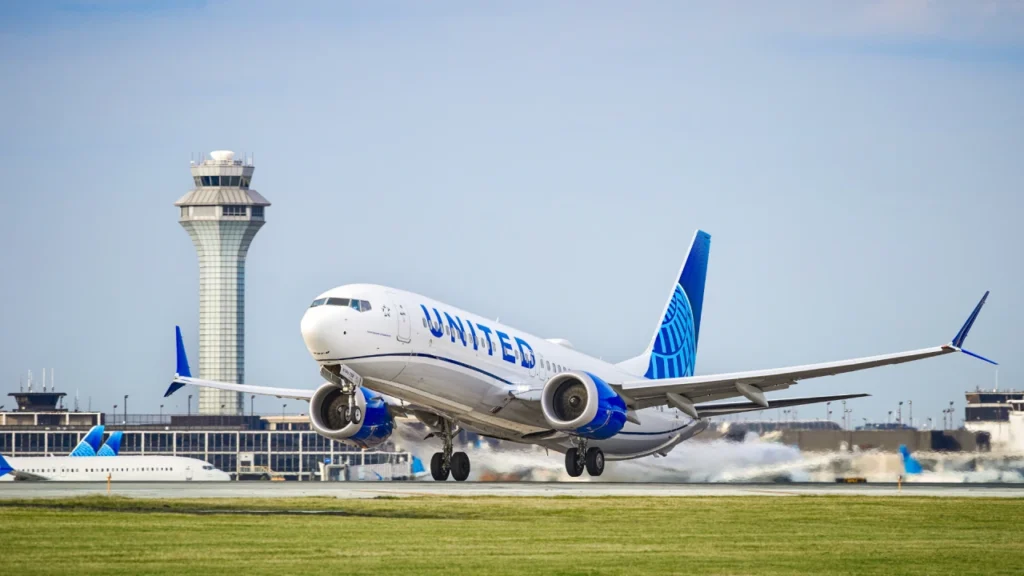
Why United Is Exploring Central Asia
United Airlines is evaluating opportunities in Central Asia as it looks for international markets that could support profitable new routes. Uzbekistan and Kazakhstan are potential additions because passengers already travel to both countries through connecting services operated by United’s airline partners.
Kirby discussed the destinations on the Cheeky Pint podcast, explaining that Patrick Quayle, United’s Senior Vice President of Global Network Planning and Alliances, visited both countries during 2026. The visits formed part of the airline’s evaluation of possible future destinations.
Kirby acknowledged the main obstacle to launching flights, saying, “We can’t fly there today because we can’t fly over Russia.”
He also indicated that the routes could become possible in the future, describing the opportunity as something that could work “down the road.”
Simple Flying has also highlighted the potential expansion, although United has not confirmed a destination, departure airport, aircraft type, or launch schedule.
If United introduces scheduled passenger services to either country, it would become the first US airline to operate scheduled passenger flights to Uzbekistan or Kazakhstan.

Which Airports Could United Serve?
Tashkent is Uzbekistan’s main international gateway, while Almaty is Kazakhstan’s largest city and a major international travel hub. Both airports could provide United with access to regional business, tourism, and connecting traffic.
United has a major hub at Newark Liberty International Airport (EWR), serving passengers across the New York metropolitan area and other parts of the United States.
An East Coast departure could offer a shorter distance to Central Asia than a flight from the US West Coast. This makes Newark a reasonable possibility for future route planning, but the airline has not identified a preferred departure airport.
The final choice would depend on factors such as passenger demand, flight distance, aircraft range, connecting opportunities, and operating costs. United would also need to determine whether the route could generate enough revenue to justify regular service.
Tashkent and Almaty are approximately 420 miles (680 kilometres) apart. Their relatively short distance from each other creates a possible opportunity for a flight to serve both cities as part of one itinerary.
Lufthansa provides a regional precedent through its Frankfurt Airport (FRA) services to Kazakhstan. Its published schedules have included routings linking Almaty and Astana on the same service on certain operating days.
Such a model demonstrates how an airline can connect multiple cities without treating every destination as an entirely separate long-haul route.
United could examine a similar concept if it determines that demand supports service to both Tashkent and Almaty. However, a combined route would require careful scheduling and operational planning, and there is no evidence that United has adopted this approach.
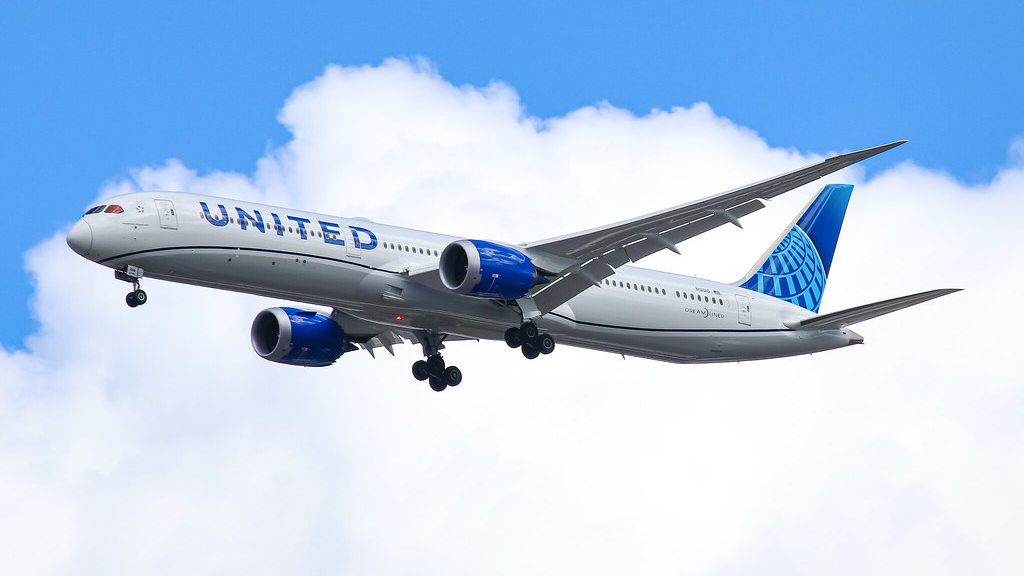
Russian Airspace Restrictions Remain Main Obstacle
The biggest challenge for United is its inability to use Russian airspace on these routes. Restrictions affecting US airlines have been in place since 2022, following Russia’s invasion of Ukraine and the subsequent aviation restrictions imposed by Western countries and Russia.
Kirby’s comments indicate that the restrictions remain a direct barrier to United’s Central Asian plans. Any prospective service would need a workable route that avoids prohibited Russian airspace.
Avoiding Russia could require longer flight paths, increasing fuel consumption, crew costs, and total journey time.
Longer routes can also affect aircraft utilisation because each aircraft spends more time completing a round trip.
Operational planning presents additional challenges. Airlines must evaluate emergency diversion options, suitable alternate airports, crew duty limits, and other safety requirements before introducing long-haul services over unfamiliar or complicated routings.
These factors would affect the commercial case for both destinations. Even if the airline identifies enough potential passengers, it must still determine whether the flights can operate safely and profitably under the applicable restrictions.
For this reason, United’s current interest should be understood as exploratory rather than evidence of an imminent route launch.
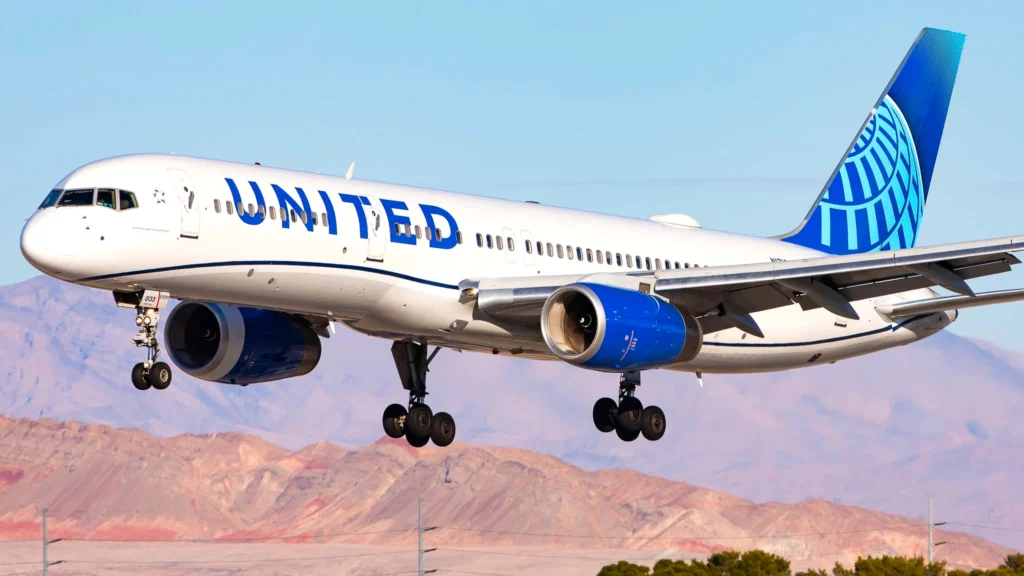
Existing Flights Between the United States and Central Asia
The two countries have different levels of connectivity with the United States. Uzbekistan already has nonstop services to New York, while Kazakhstan is working toward establishing its first direct passenger connection.
Tashkent International Airport (TAS) is connected to John F. Kennedy International Airport (JFK) through services operated by Uzbekistan Airways (HY) and Qanot Sharq (HH).
Published schedules checked in September 2026 listed Uzbekistan Airways operating up to five weekly flights using Boeing 787 Dreamliners. Qanot Sharq was also listed with two weekly flights using Airbus A330 aircraft. Frequencies may change as airlines update their schedules.
These services provide a direct connection between Uzbekistan and the United States without requiring a US airline to operate the route.
United would therefore enter an existing market rather than establish the first nonstop connection between the two countries.
Its opportunity would depend on whether it could attract passengers through its network, schedules, fares, loyalty programme, and onward connections.
A United-operated service could also give travellers from other US cities access to Tashkent through one of the airline’s domestic hubs. However, United has not disclosed how it would structure or position such a route.

Kazakhstan Is Working Toward Direct US Service
Kazakhstan does not currently have an established nonstop passenger route to the United States. Air Astana (KC), the country’s flag carrier, has been pursuing the regulatory steps required to introduce direct service.
A significant development occurred in September 2026, when the US Federal Aviation Administration (FAA) conducted an International Aviation Safety Assessment (IASA) in Kazakhstan from September 21 to 25. Kazakhstan’s aviation administration reported that FAA experts presented their final oral findings on September 25. caa.gov.kz+1
The assessment examined Kazakhstan’s aviation safety oversight system and its compliance with international aviation standards. However, the announcement of the assessment’s completion does not, by itself, confirm a final FAA Category 1 designation.
A Category 1 rating is an important regulatory requirement for foreign airlines seeking to establish or expand scheduled services to the United States. Air Astana would also need to satisfy the applicable operating and approval requirements before launching flights.
The original reporting also noted that Air Astana was open to codeshare agreements with a US airline.
Such an arrangement could improve connections between the two countries, although no specific US partnership or direct launch date has been confirmed in the information available here.
US Cargo Flights Already Serve Kazakhstan
Although no US airline has established scheduled passenger service to Kazakhstan, American cargo operators have served the country.
Atlas Air (5Y), a US cargo airline, operates Boeing 747 freighters on routes connecting Almaty International Airport (ALA) with European airports. Published cargo schedules include services from Amsterdam Airport Schiphol (AMS) and Zaragoza Airport (ZAZ). FlightMapper+1
These operations demonstrate an existing cargo connection between Kazakhstan and the US aviation industry.
However, cargo flights have different operating requirements and commercial models from scheduled passenger services, so they do not establish the viability of a nonstop passenger route.
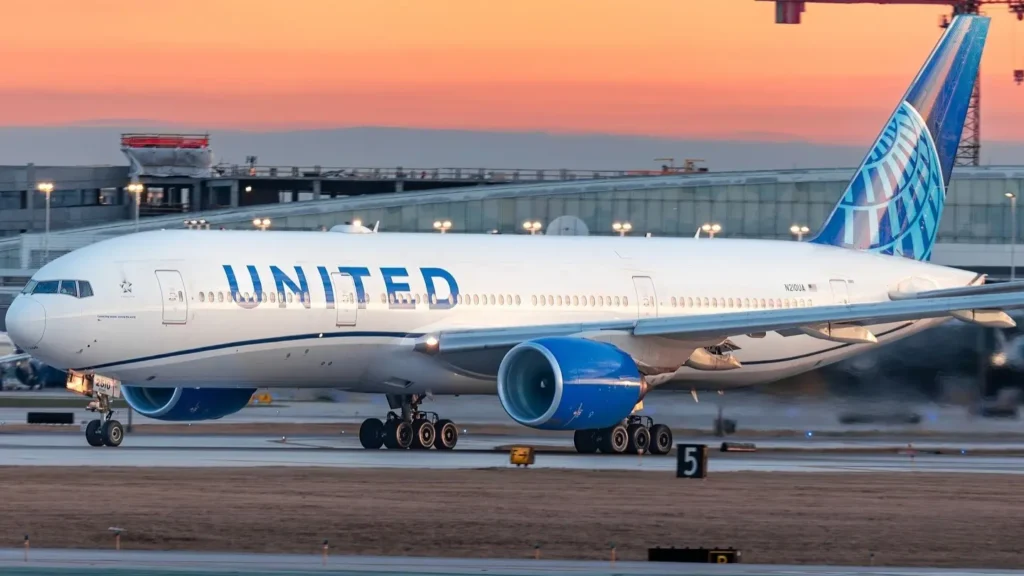
United’s Mongolia Route Offers Useful Precedent
United has previously introduced service to an international destination that no US airline had served with regular scheduled passenger flights.
In May 2025, the airline launched seasonal service between Tokyo Narita International Airport (NRT) and Ulaanbaatar, Mongolia, becoming the first US carrier to offer regular scheduled service to the country. The route was launched with three weekly flights using Boeing 737-800 aircraft.
The decision followed United’s analysis of passenger connections through Tokyo. Kirby explained that, on a particular flight at a particular time of day during the summer, approximately 12% of passengers arriving in Tokyo on that flight were ultimately trying to reach Ulaanbaatar.
The figure did not apply to every United flight into Tokyo. Instead, it was a specific demand signal that helped the airline identify an opportunity to serve a destination that was difficult for those passengers to reach through its existing connections. Kirby discussed this example in a later interview.
This case illustrates how United can identify new routes by examining where passengers want to travel beyond its existing hubs. Central Asia could offer a similar opportunity if its network-planning team finds enough connecting traffic and local demand to support regular services.
However, the Mongolia precedent does not guarantee that flights to Uzbekistan or Kazakhstan would work under the current airspace restrictions. Each route would require its own commercial and operational assessment.
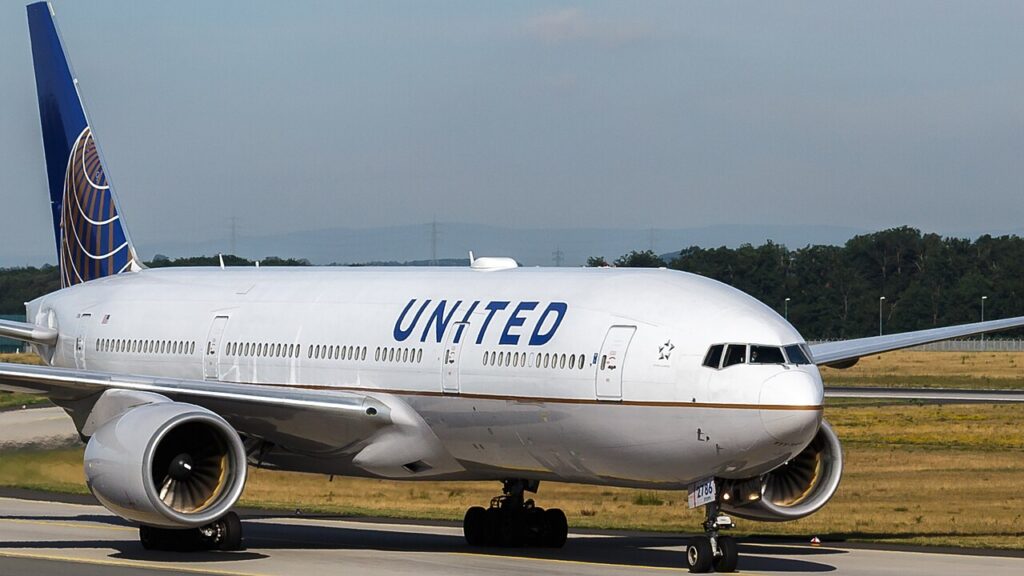
Connecting Traffic Could Support Future Demand
Kirby also indicated that United already carries passengers who ultimately travel to Kazakhstan through partner airlines.
He noted that approximately 60% of passengers on United’s flights to Frankfurt and Munich connect onward to other destinations. Kazakhstan is one of the places passengers can reach through those connections.
The figure refers to onward connections overall, not specifically to passengers travelling to Kazakhstan. Nevertheless, it shows that a meaningful portion of United’s European traffic uses the airline’s network to reach destinations beyond its immediate gateways.
United could use booking patterns and connecting-passenger data to determine whether a direct route would offer an advantage over existing itineraries. A nonstop flight might reduce the need for connections through Europe, depending on the proposed route and schedule.
The airline would still need to assess expected ticket revenue, seasonal demand, competition, fuel costs, aircraft availability, and the extra operating time caused by restricted airspace. Existing connecting traffic is a useful indicator, but it does not automatically establish that a nonstop route would be profitable.
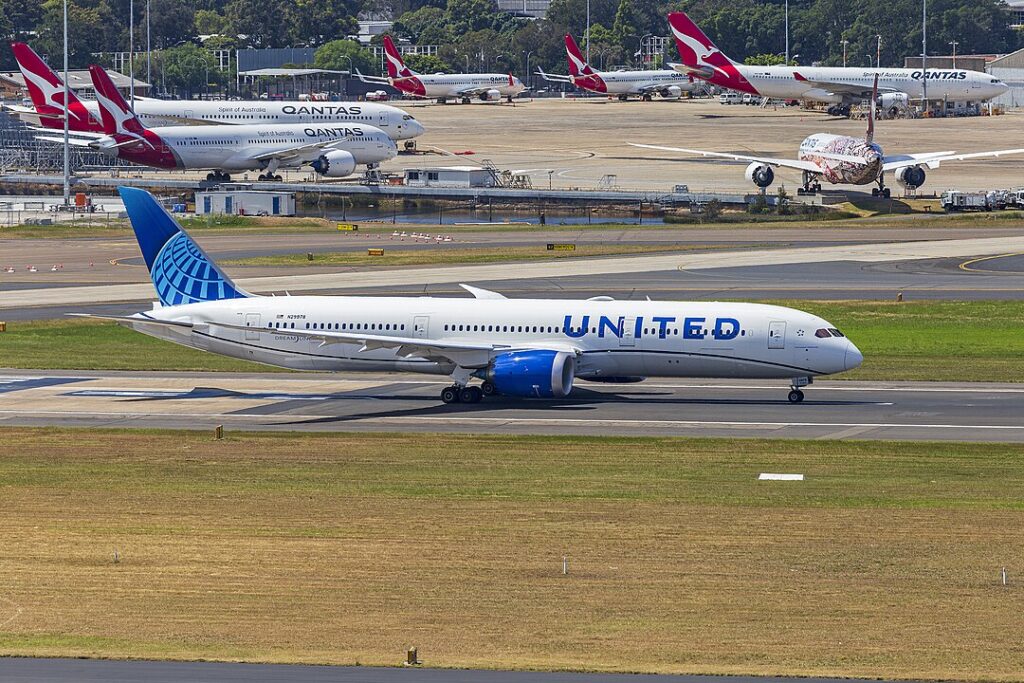
What Happens Next?
United’s interest in Uzbekistan and Kazakhstan reflects an opportunity to expand into markets that remain outside the scheduled passenger networks of US airlines.
Tashkent already has nonstop service to New York, while Kazakhstan is continuing the regulatory work needed to support direct flights to the United States.
The main uncertainty is whether United can establish viable routes around Russian airspace. Longer flight paths could raise costs and reduce the commercial appeal of the proposed services, even if passenger demand is sufficient.
For now, the visits by United’s network-planning team indicate that both countries are under consideration, not that a launch decision has been made.
Any future expansion will depend on regulatory conditions, operational feasibility, and evidence that the routes can sustain profitable scheduled service.
Stay tuned with us. Further, follow us on social media for the latest updates.
Join us on Telegram Group for the Latest Aviation Updates. Subsequently, follow us on Google News
