

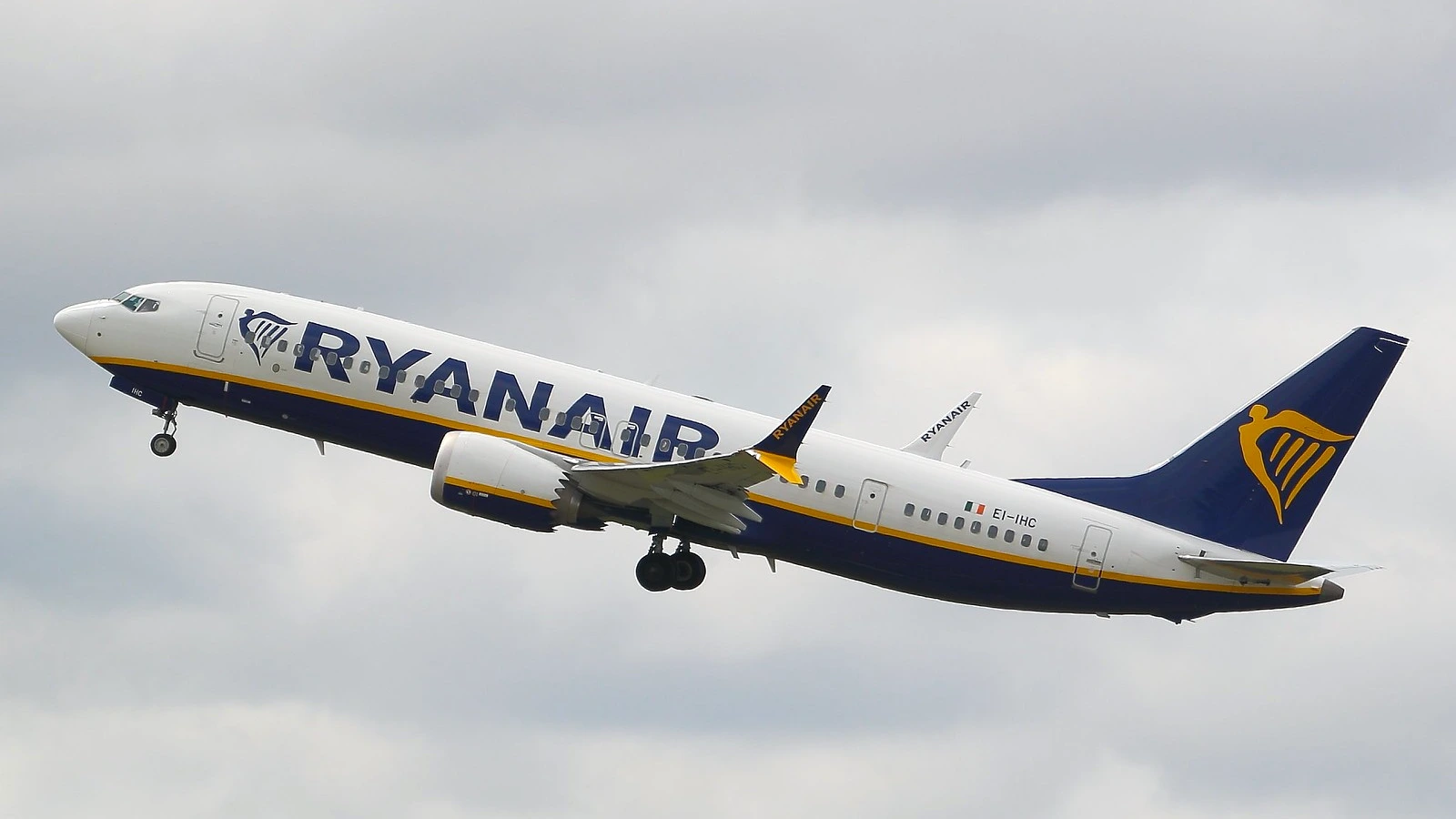
ALICANTE– Ryanair (FR) passengers faced an eight-hour journey across Europe after adverse weather forced two diversions, ultimately bringing their flight back to Spain. The Boeing 737-800, operating flight FR2955 from Alicante-Elche Airport (ALC) to Cornwall Newquay Airport (NQY), initially diverted to Dublin Airport (DUB) before another disrupted approach forced the aircraft to return to its original departure airport.
The incident continued on Saturday, October 24, 2026, when the aircraft departed Dublin for Bristol Airport (BRS), where passengers were expected to continue their journey towards Cornwall by road. However, challenging weather conditions prevented the crew from completing the planned arrival, leaving passengers facing a second diversion and an unexpected return to Spain.
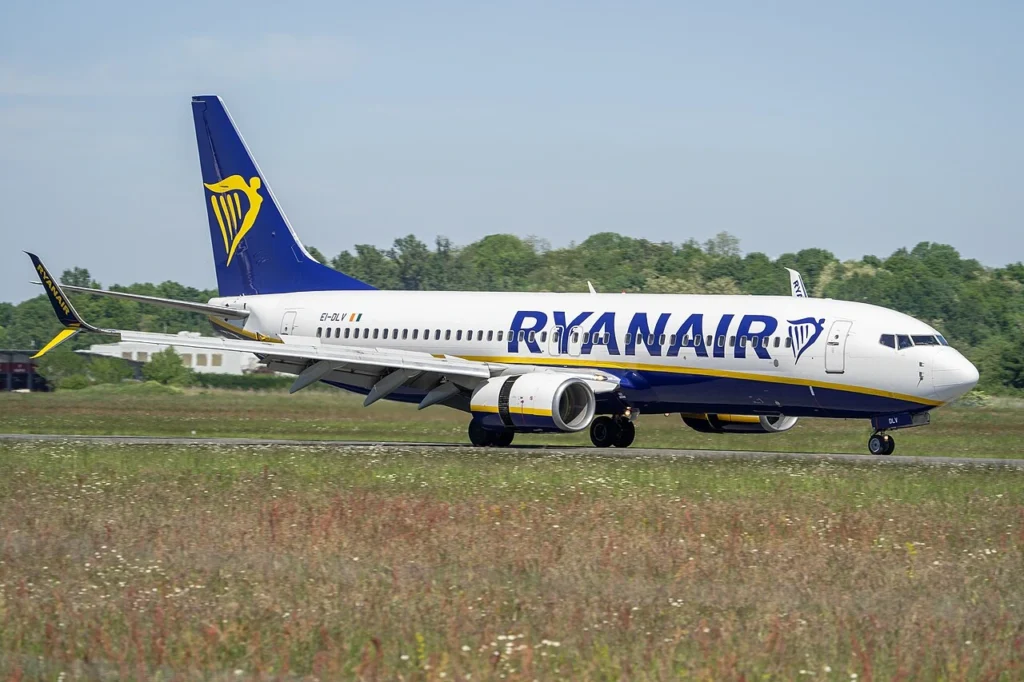
Ryanair Flight Diverts Twice
Flight FR2955 began its journey in Alicante, but adverse weather around Newquay forced the crew to divert to Dublin.
The aircraft landed in Ireland, where the journey was reorganized around a flight to Bristol rather than another immediate attempt to reach Cornwall.
After departing Dublin, the Boeing 737-800 climbed to approximately 27,000 feet while heading towards Bristol. As the aircraft approached its destination, the crew abandoned the landing attempt because of difficult weather conditions and entered a holding pattern over the English Channel.
The aircraft subsequently climbed again while the crew assessed alternative airports. After considering options in the United Kingdom, the flight turned south and headed back towards Alicante, eventually landing at approximately 2:15 a.m. local time.
The return to Spain meant passengers had spent around eight hours in the air without reaching their intended destination.
The flight had covered a journey involving Ireland, England and Spain, with the two diversions significantly extending travel time.

Why Alicante Was Chosen
Returning to Alicante was not simply a matter of finding another airport with suitable landing conditions. The Spanish airport was also the aircraft’s home base, giving the airline an operational reason to bring the jet back after the disruption.
The aircraft had originally departed Alicante later than planned before encountering weather-related difficulties on its flight towards Newquay.
Its subsequent diversion to Dublin left the aircraft, passengers and crew away from their scheduled destinations and disrupted the aircraft’s planned movements.
By returning the aircraft to Alicante, Ryanair could position it at its home base ahead of its next day’s schedule. This offered a potential way to limit further disruption to subsequent flights, although the decision meant passengers on FR2955 did not reach their intended destination as planned.
Weather-related diversions can create challenges beyond the immediate flight, particularly when aircraft and crews end up at airports outside their planned schedules.
Airlines must balance safe operating conditions with aircraft positioning, crew availability and the potential impact on later services.
Aircraft 9H-QDK Details
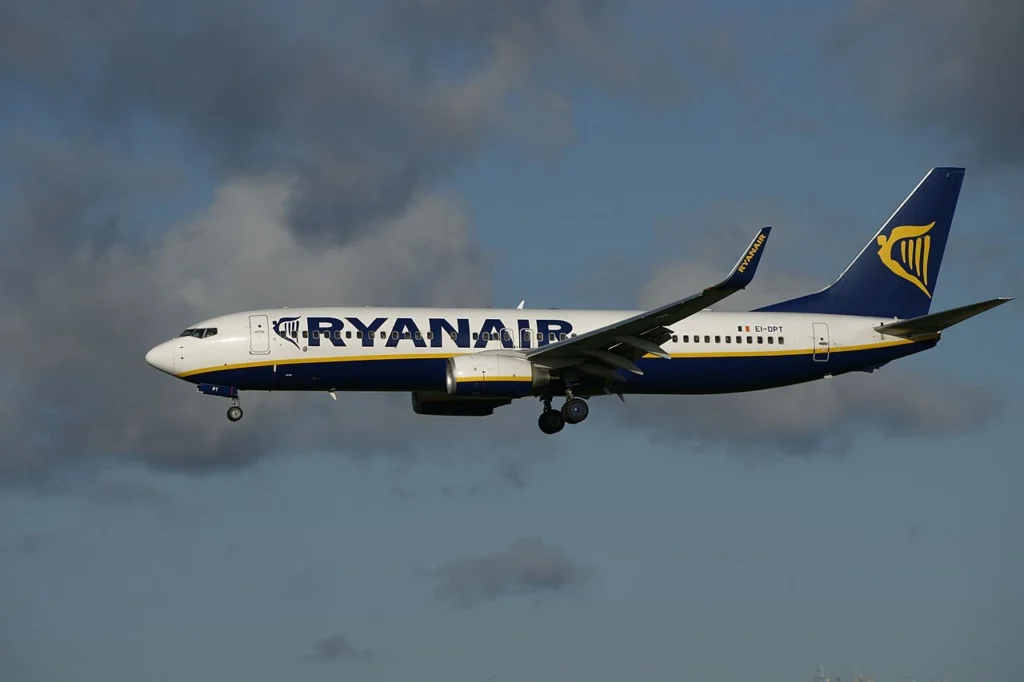
The aircraft involved was Boeing 737-800 registered as 9H-QDK, a Boeing 737-8AS delivered to Ryanair on November 28, 2016.
It first flew on November 18, 2016, and was initially registered as EI-FTJ before transferring to Malta Air on March 17, 2020, Simple Flying flagged.
The aircraft has a maximum seating capacity of 189 passengers in an all-economy configuration. Its registration reflects its operation under Malta Air’s air operator certificate, although the aircraft remains associated with Ryanair’s wider operations.
The incident highlights how adverse weather can disrupt short-haul airline operations across multiple countries, even when crews have access to alternative airports.
For passengers travelling to Cornwall, the combination of two diversions and an overnight return to Alicante turned a planned trip into a prolonged journey without the expected arrival in southwest England.
Stay tuned with us. Further, follow us on social media for the latest updates.
Join us on Telegram Group for the Latest Aviation Updates. Subsequently, follow us on Google News
