

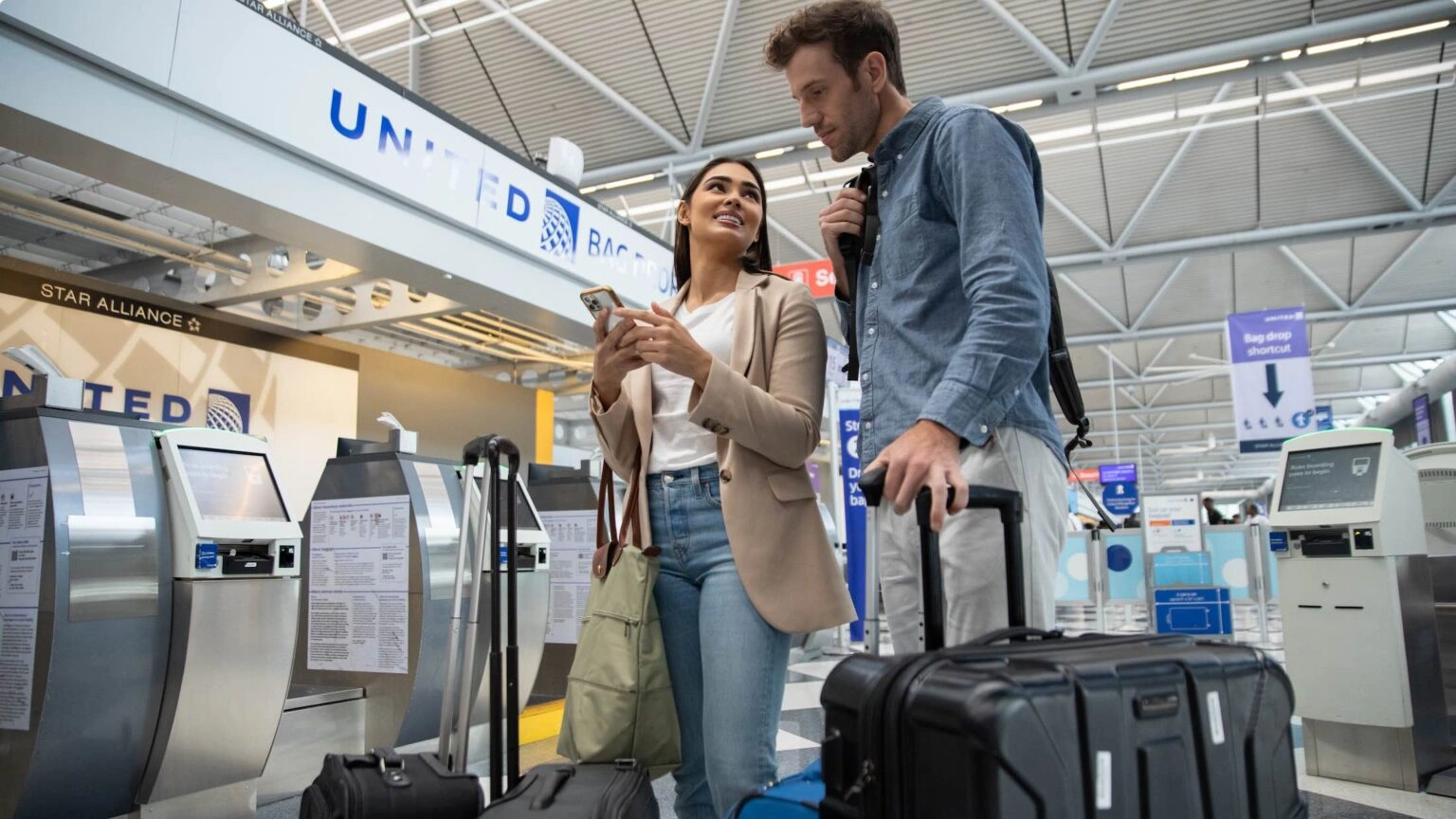
Getting off an aircraft should be the simplest part of a journey, but disorganized luggage, misplaced belongings, and passengers crowding the aisle can slow down the entire process. For flight attendants, deplaning involves more than opening the aircraft doors, as they must also help passengers, keep the aisle clear, and prepare the cabin for its next departure.
After years of working in the cabin, flight attendants regularly encounter habits that make leaving an aircraft unnecessarily difficult. From packing away electronics to choosing suitable footwear, a few simple preparations can help passengers exit more efficiently while making the process smoother for everyone on board.

Repacking Bags in the Aisle
Passengers who wait until the aircraft reaches the gate to organize their belongings can hold up everyone behind them. Searching seatback pockets, untangling charging cables, and collecting scattered items while standing in the aisle creates unnecessary delays.
The solution is to prepare before landing. Keep essentials in one personal bag, use an organizer for smaller items, and check the seatback pocket, floor, and seat area before the aircraft begins its descent.
A seatback organizer can help keep books, cables, and other small items together. A simple checklist also reduces the risk of leaving behind passports, wallets, or earbuds.
Crowding the Aircraft Aisle
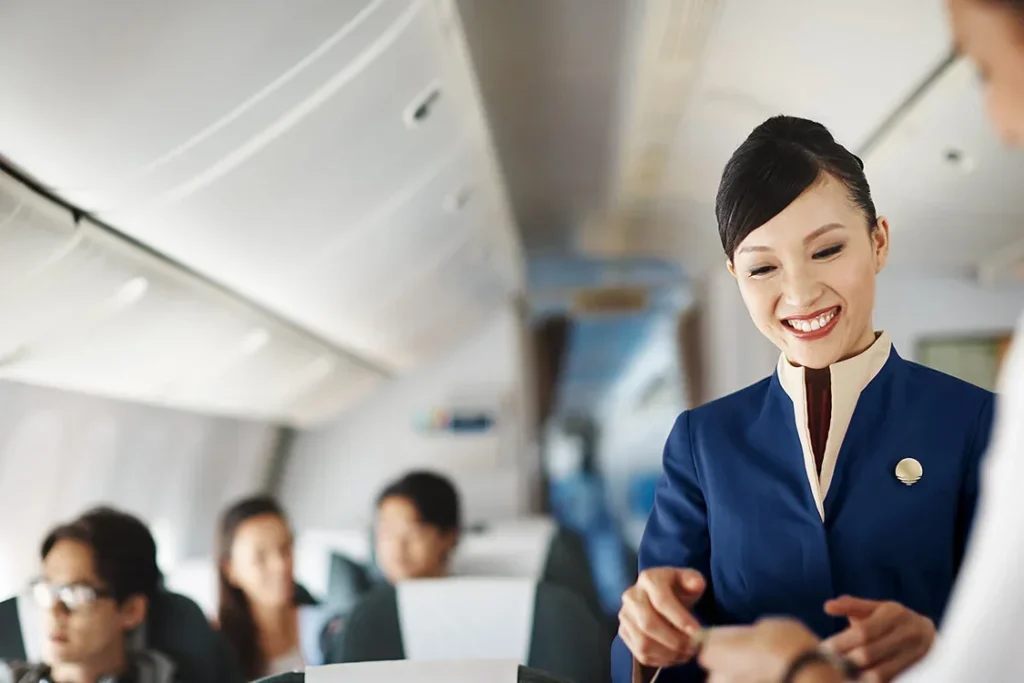
Standing up as soon as the aircraft reaches the gate is not always a problem, but crowding the aisle before passengers in front can move creates difficulties. People need room to retrieve their bags, arrange their belongings, and step into the aisle without bumping into other passengers.
Wait for the rows ahead to clear before collecting overhead luggage. If your carry-on is stored behind your seat, wait for a suitable gap rather than moving against the flow of passengers.
Heavy luggage can cause further delays when passengers struggle to lift it from overhead compartments. Choose a carry-on you can safely manage yourself, and ask about gate-checking options if it is too heavy or bulky. Airlines have different baggage policies, and flight attendants may not be able to lift bags for passengers.
Wearing comfortable, easy-to-slip-on shoes can also help travelers avoid wasting time tying laces or searching for footwear while others are waiting.
Dealing with Losing Essential Items
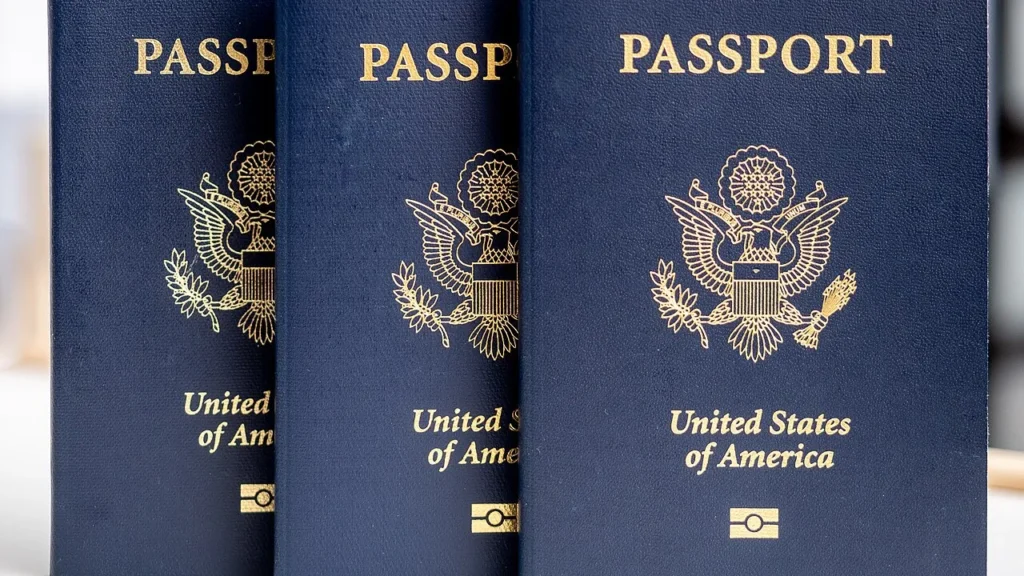
Misplaced wallets, passports, headphones, and charging cables can turn a straightforward exit into a prolonged search. Flight attendants may have to help locate missing belongings, while other passengers wait for the aisle to clear.
A dedicated travel document holder keeps passports, identification, and payment cards together. Luggage tags with distinctive colors or designs also make carry-on bags easier to identify, reducing the chance of picking up someone else’s suitcase.
Passengers can simplify their electronics setup by using a compact multi-device charging cable or keeping individual cables secured in a pouch. Over-ear headphones may be easier to keep track of than small wireless earbuds, although either option works when stored carefully.
Finally, travelers should dispose of their rubbish responsibly and avoid leaving food wrappers, tissues, or other debris in the cabin, Travel and Leisure reported.
A quick check of the seat area helps prevent belongings from being forgotten and makes it easier for cabin crew to prepare the aircraft for its next flight.
The most effective way to speed up deplaning is not to rush past other passengers, but to be ready when it is time to leave. Keeping belongings organized, waiting for the aisle to clear, and following crew instructions can make the process smoother for everyone.
Stay tuned with us. Further, follow us on social media for the latest updates.
Join us on Telegram Group for the Latest Aviation Updates. Subsequently, follow us on Google News
