

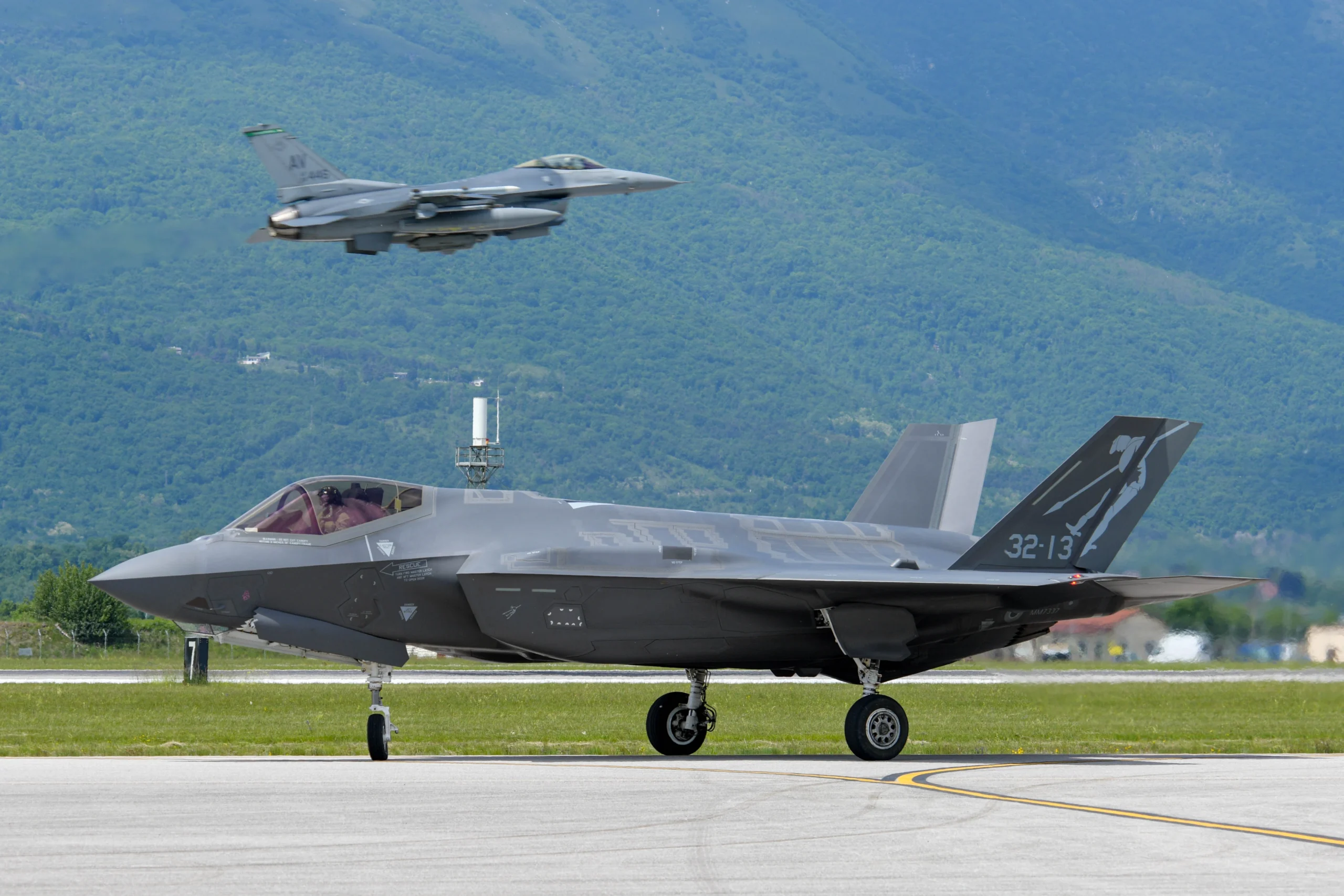
ZURICH- Switzerland has acknowledged shortcomings in its F-35A fighter procurement process and accepted reforms to strengthen oversight of major defence purchases after a dispute over the promised fixed price of the aircraft. The government’s response follows parliamentary scrutiny of the programme, which has raised questions about contract reviews, legal expertise and risk management.
The Swiss Federal Council approved its response on October 21 and published it on October 23, accepting six parliamentary oversight recommendations in full and another in part. Defence Minister Martin Pfister has warned that the available funding would probably cover only 30 Lockheed Martin F-35A fighters instead of the 36 originally planned, although the government has not yet settled the final procurement quantity.
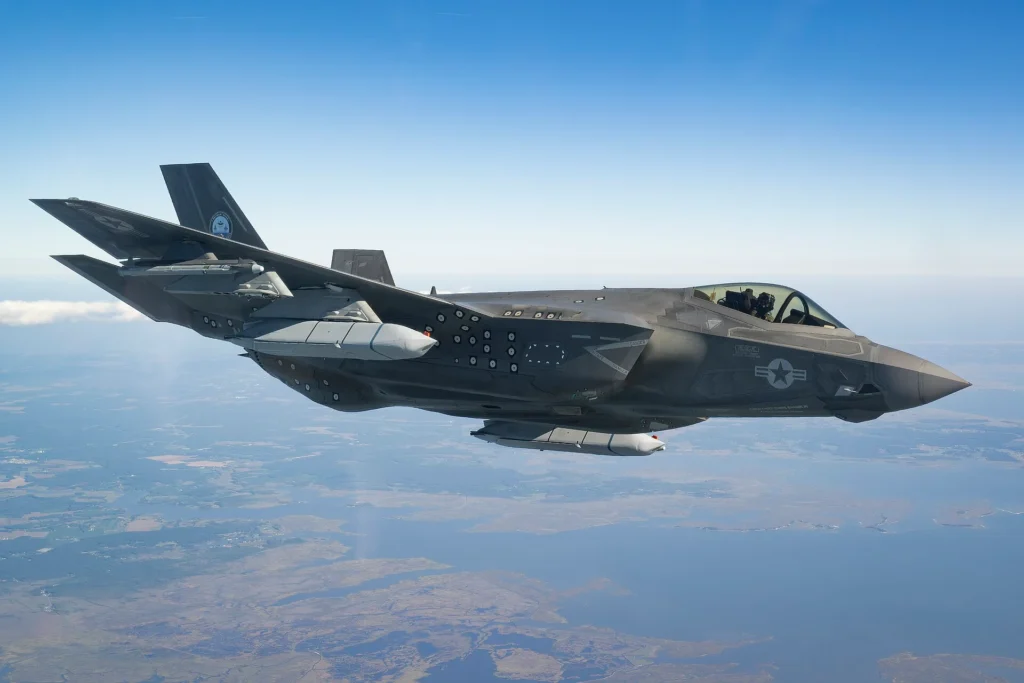
F-35A Fighter Jets Purchase Under Review
The dispute centres on the financial terms of Switzerland’s planned F-35A acquisition and whether the original procurement arrangements adequately addressed the risks associated with a complex international fighter purchase.
Parliament has approved a supplementary credit of CHF394 million, but the additional funding does not resolve how many aircraft the country will ultimately acquire.
The latest government response addresses findings from an oversight committee report dated September 8. The review examined how Swiss authorities handled the fighter programme, including their interpretation of contractual provisions and the procedures used to assess financial risks.
The Federal Council acknowledged that Armasuisse, Switzerland’s defence procurement agency, had not given its legal department a sufficiently prominent role during the acquisition.
It accepted that the department lacked the staffing and specialist expertise needed to support a procurement project of this scale and complexity.
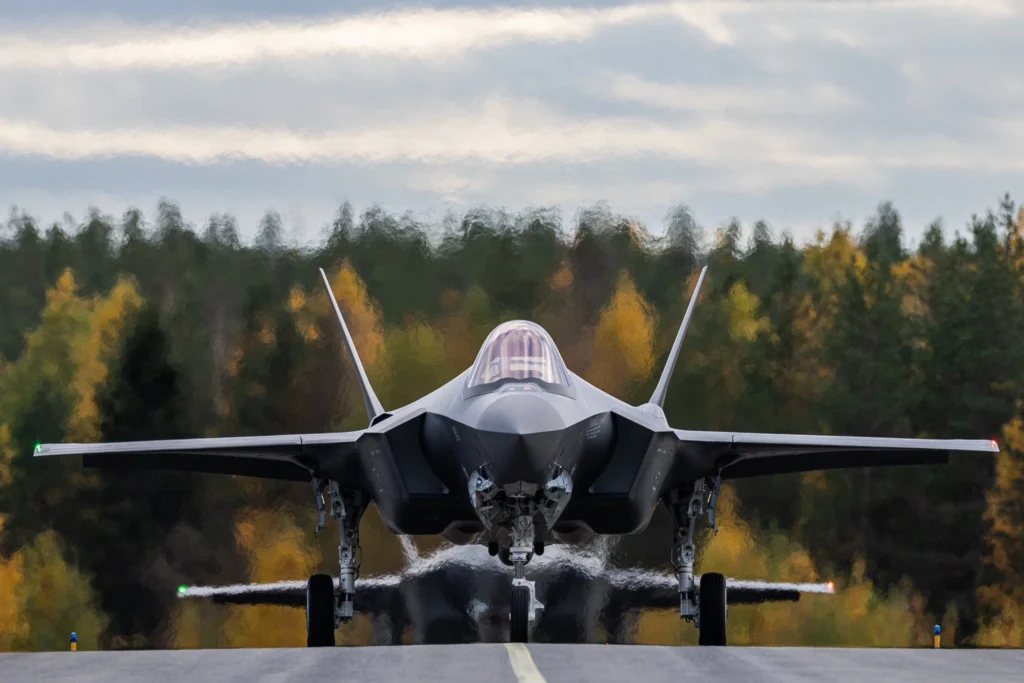
Switzerland’s Legal Oversight Reforms
Armasuisse has since expanded its legal department, which now serves as a centre of expertise for procurement projects.
The government considers the corresponding recommendation largely implemented, signalling a move towards stronger legal support during future defence acquisitions.
However, the Federal Council disputed the suggestion that only the former project manager had read the complete F-35 contracts. It stated that the former head of armaments and other Armasuisse employees had also examined the full documents.
Former Defence Minister Viola Amherd and officials from the ministry’s general secretariat had reviewed the provisions concerning fixed pricing in detail, according to the government.
The council also noted that the oversight committee had not interviewed some employees who had read the contracts, challenging the impression that contract scrutiny had been concentrated in a single individual.
The defence ministry will examine whether negotiating mandates for large and complex purchases should require approval from departmental leadership or the Federal Council.
It is also considering internal peer reviews for particularly risky acquisitions, while seeking closer parliamentary involvement in major procurement decisions.
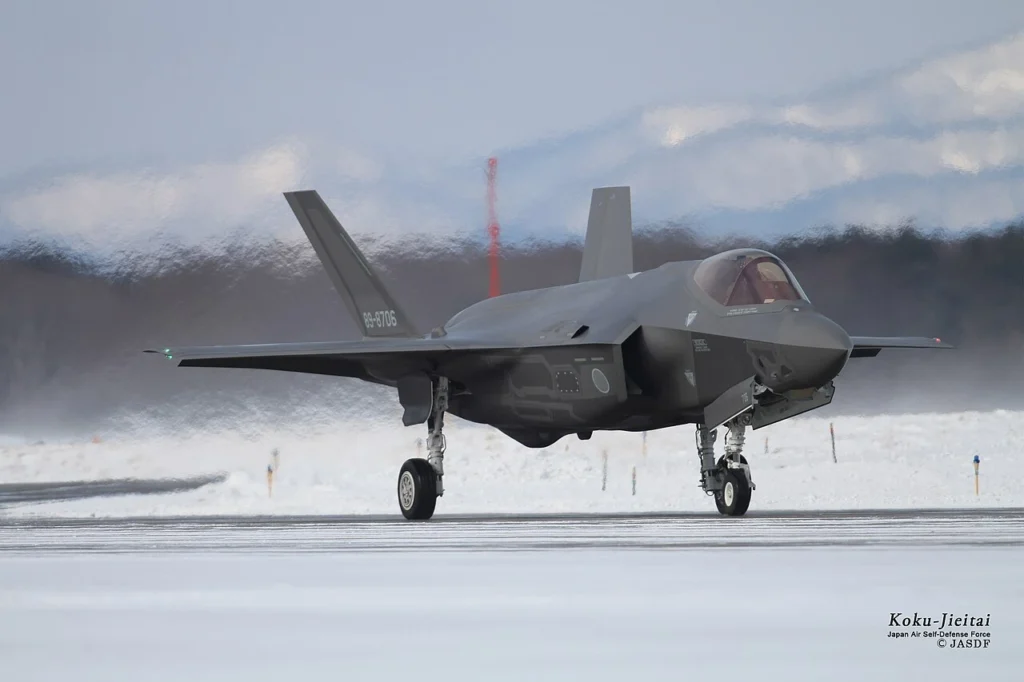
Risk Management Changes for the F-35
The accepted recommendations also focus on making financial planning more transparent. The government wants risk assessments to use project-specific quantitative methods so that contingency calculations reflect identifiable risks rather than relying on broad assumptions.
Inflation and the calculation of risk allowances will receive greater attention under the revised approach.
These measures are intended to improve how authorities estimate potential cost pressures and explain the financial safeguards built into future defence contracts.
The government has also taken steps to improve parliamentary access to information about the fighter programme. On October 1, the defence ministry disclosed the F-35 evaluation criteria to parliament’s security policy committees, which had already received access to the Letters of Offer and Acceptance governing the purchase.
Although Switzerland has accepted most of the oversight recommendations, the reforms do not determine the final size of its F-35A fleet, Defence Industry flagged.
The likely reduction from 36 aircraft to 30 highlights the continuing financial pressure on the programme, while the procurement changes seek to strengthen accountability and reduce weaknesses in future major military acquisitions.
Stay tuned with us. Further, follow us on social media for the latest updates.
Join us on Telegram Group for the Latest Aviation Updates. Subsequently, follow us on Google News
