

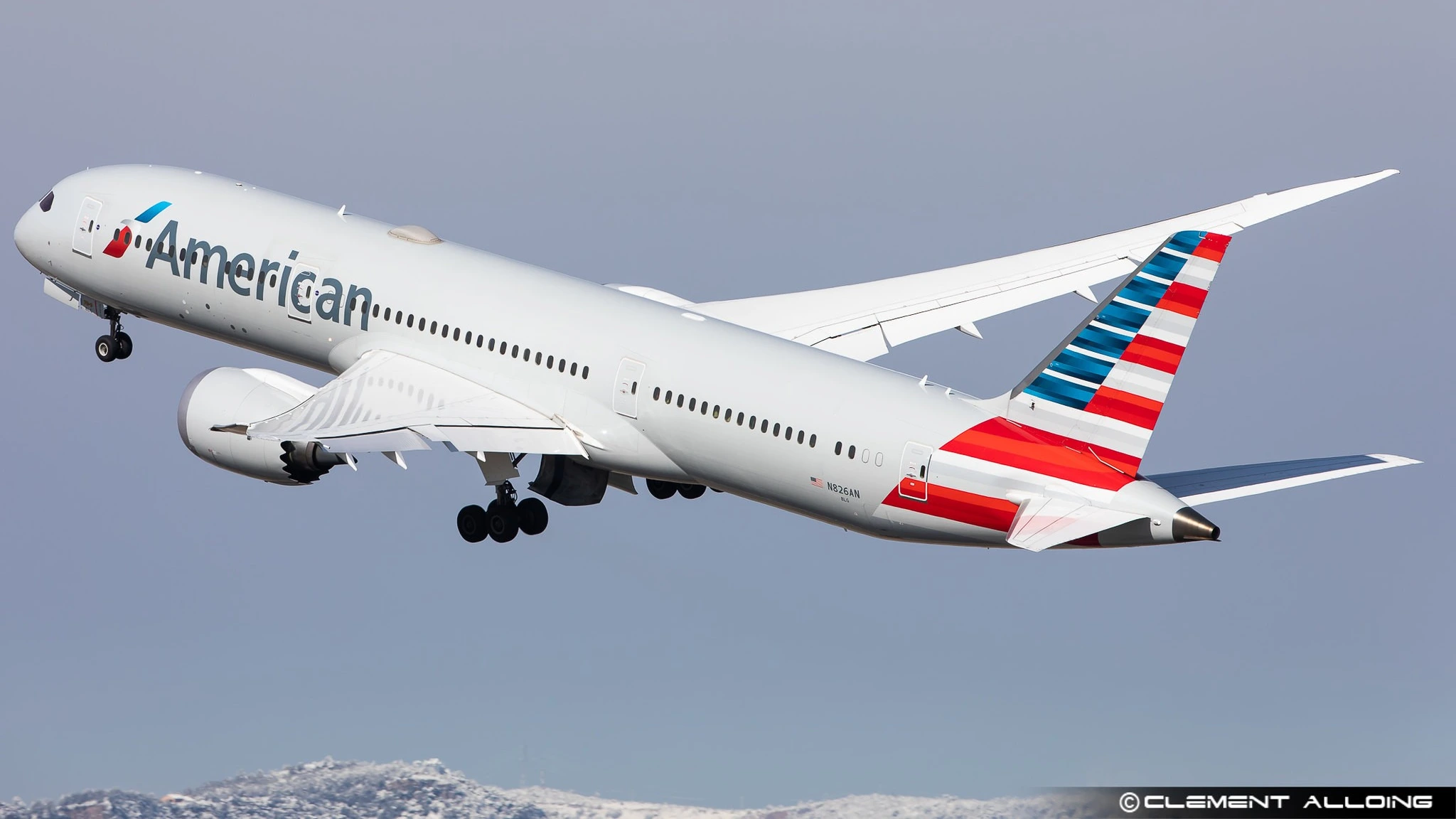
FORT WORTH- American Airlines (AA) could announce a new widebody aircraft order alongside its quarterly earnings, potentially covering 50, 60 or 70 aircraft for delivery from 2030 onward. The announcement could come after markets close on Wednesday or early Thursday before trading begins.
The reported options include the Boeing 787-9, 787-10, Airbus A350-900 and A350-1000. The decision could shape American’s business-class strategy and strengthen its Pacific network through Los Angeles (LAX).
American Airlines’ Potential Widebody Order
Chief Commercial Officer Nat Pieper told Cranky Flier that American expects a deal within the next couple of months. He discussed another 50, 60 or 70 aircraft arriving from 2030 onward, potentially split between firm orders and options. A September report put the potential order at up to 65 aircraft.
Aviation commentator JonNYC has also discussed an announcement around the earnings release or a subsequent employee meeting.
The specific aircraft shortlist remains unconfirmed. Reported candidates include the Boeing 787-9, 787-10, Airbus A350-900 and A350-1000, while the latest information does not include the Airbus A330-900.
According to View from the Wing, The information comes from a source with a previous record of accuracy, but the specific claim has not been independently verified.

Which Aircraft Could American Choose?
Airbus A330-900
The A330-900 could suit American’s existing transatlantic and South American routes, many of which do not require the largest aircraft or maximum range. Lower purchase prices or earlier delivery positions could make it attractive despite the cost of introducing another fleet type.
Pieper has described the A330 family as the “perfect Atlantic airplane.” Using it on suitable routes could free American’s Boeing 787s for longer Pacific flights.
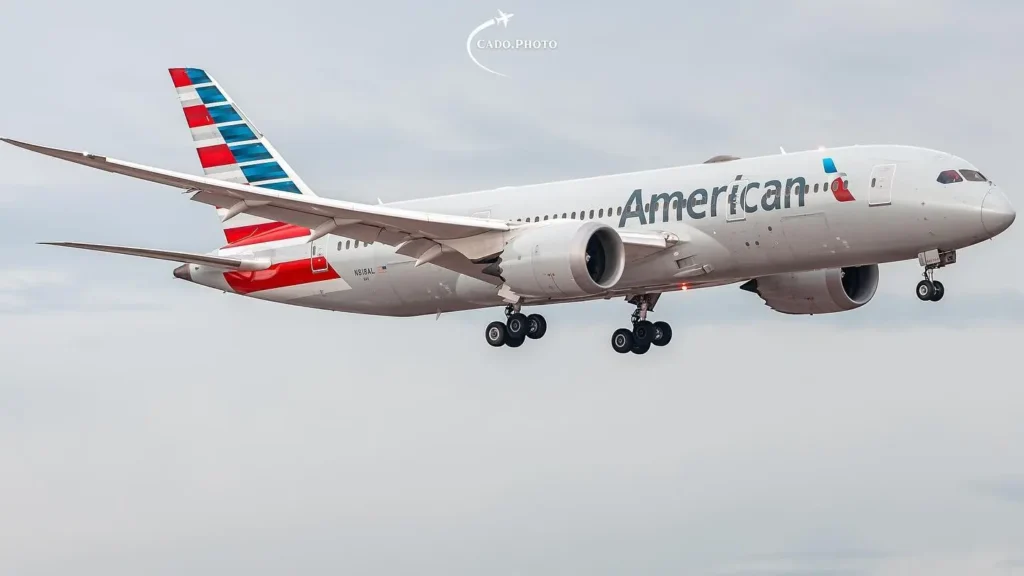
Boeing 787-9
The 787-9 offers the simplest expansion option because American already operates the aircraft family. Existing pilots, maintenance capabilities and operational experience would reduce the complexity of adding more aircraft.
Its range and capacity also make it suitable for Pacific expansion without requiring a larger aircraft on every route.
Boeing 787-10
The 787-10 provides additional capacity while retaining much of the 787 family’s operational commonality. It could suit busy Atlantic and South American routes but offers less flexibility than the 787-9 on the longest missions.
In March, higher maximum takeoff weights were certified for the 787-9 and 787-10, allowing airlines greater payload or range flexibility.
Airbus A350-900
The A350-900 offers another long-haul option for American, with the potential to increase premium seating and serve a range of international markets. An order combining different A350 variants could help match aircraft size to route demand.
Airbus A350-1000
The A350-1000 could support selected routes with strong premium demand, particularly across the Pacific. However, using it as a blanket replacement for the Boeing 777-200 fleet would be difficult to justify without sufficient demand and attractive purchase terms.
The Boeing 777X presents another possibility, but its size and new-program uncertainty could discourage American from adopting it. Pieper has indicated a preference for letting other airlines work through the early challenges of a new aircraft type.

Business Class Could Influence the A350-1000 Decision
The A350-1000’s business case depends on cabin configuration and premium revenue. Japan Airlines operates the aircraft with 239 seats: 6 in first class, 54 in business class, 24 in premium economy and 155 in economy. American’s newest premium-configured 787-9s carry 244 passengers.
American could use the A350-1000’s additional space for more premium seats rather than significantly increasing economy capacity. However, the aircraft’s higher costs would require enough additional revenue, including outside peak travel periods.
The airline could deploy A350-1000s on routes to Tokyo, Sydney and other Pacific destinations from Los Angeles. Longer Pacific missions could also provide more flying hours to help recover ownership costs when the aircraft is scheduled efficiently.
How the Order Could Reshape American’s Fleet
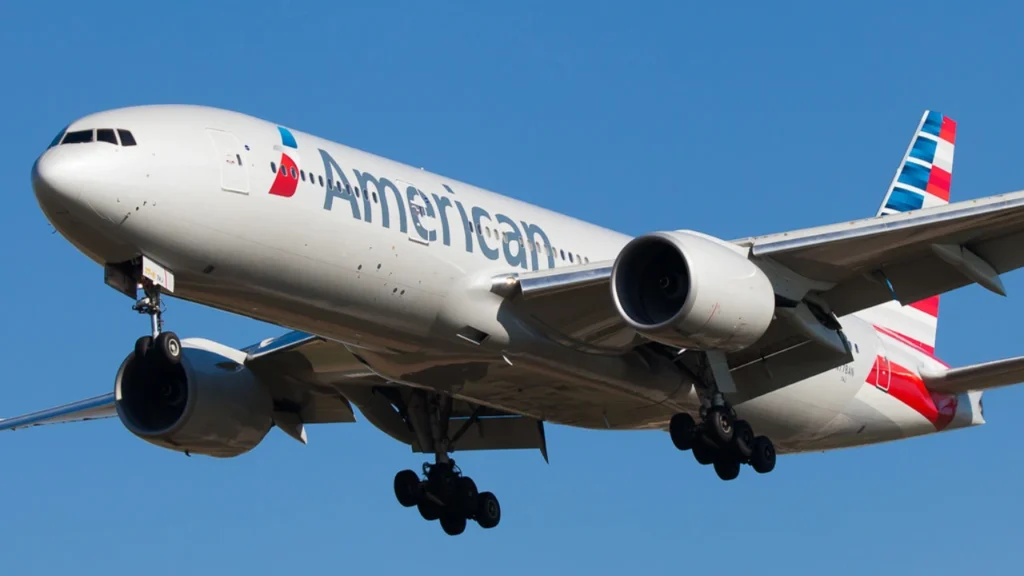
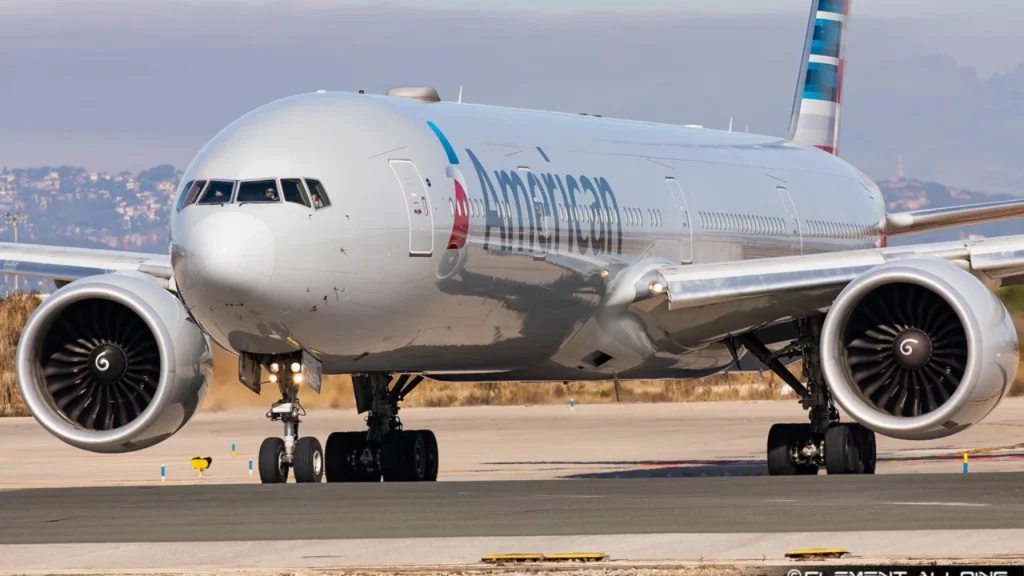
American’s Boeing 777-300ERs could remain concentrated on Heathrow routes, leaving new A350 aircraft available for Pacific expansion. The refurbished 777-300ER cabin includes 70 business-class suites and 44 premium-economy seats.
The 777-200 replacement question remains unresolved. American is refurbishing those aircraft with new cabin interiors, so they are likely to remain in service for some time. An A350-1000 order would not necessarily replace every 777-200 because aircraft size and route requirements differ.
The airline currently operates an all-Boeing widebody fleet. Airbus could overcome Boeing’s fleet-commonality advantage with attractive pricing and delivery positions. Pieper has said that commonality benefits can be overcome economically.
Both manufacturers have substantial order backlogs. American CEO Robert Isom has argued that its importance as a customer gives manufacturers a reason to find aircraft for the airline despite those backlogs.
What to Watch Next
American’s decision will depend on aircraft pricing, delivery availability, route requirements and premium-cabin demand. A Boeing-heavy order would support fleet commonality, while an Airbus order could introduce greater aircraft-size flexibility and support Pacific growth.
Until American confirms an agreement, the order size, aircraft selection and delivery schedule remain unconfirmed.
Stay tuned with us. Further, follow us on social media for the latest updates.
Join us on Telegram Group for the Latest Aviation Updates. Subsequently, follow us on Google News
