

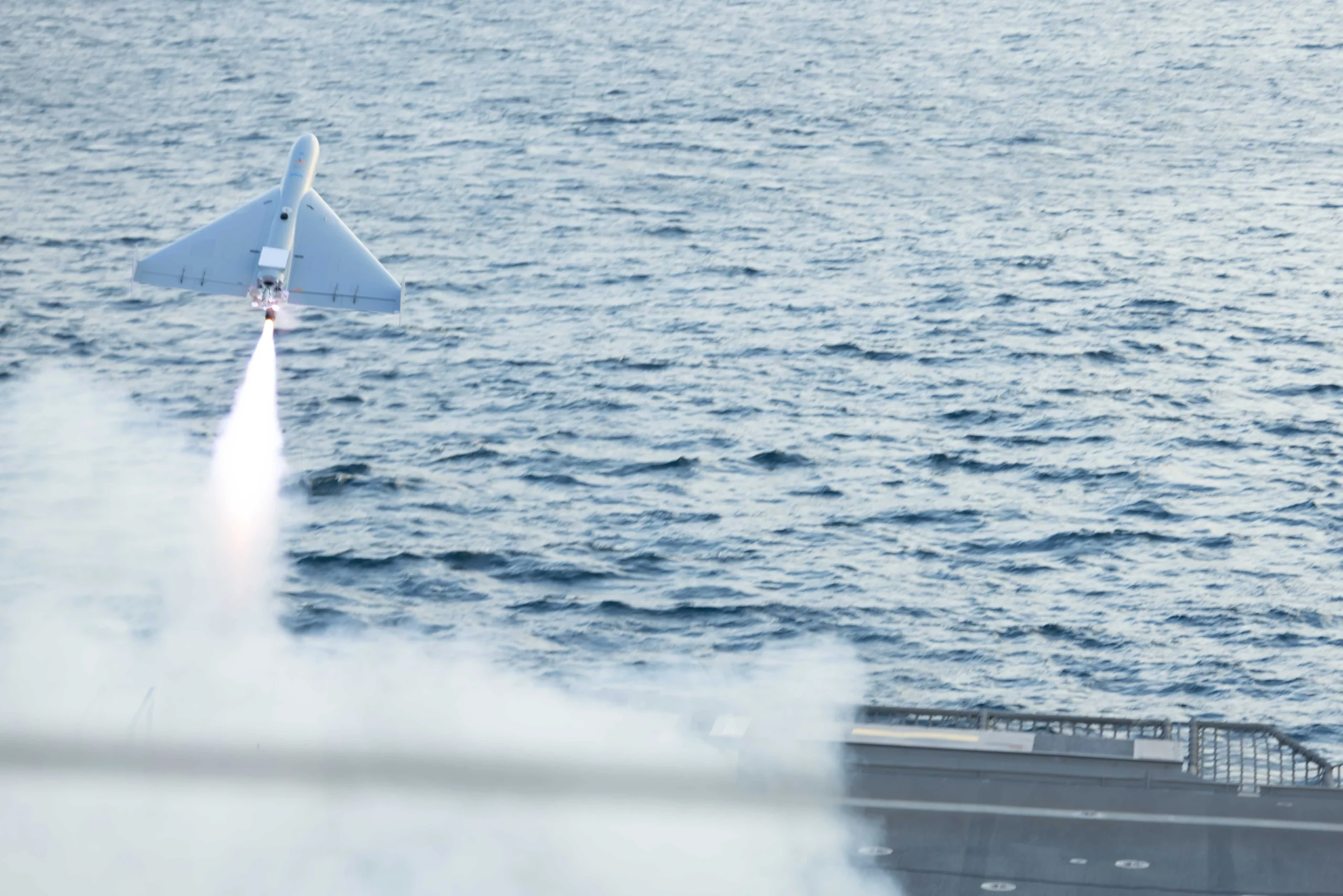
WASHINGTON– The U.S. Air Force has added KestrelX to a multibillion-dollar contract supporting combat training. The award, announced on October 15, 2026, also includes A2G International and Fleet Adversary Support and Training, giving all three companies an opportunity to compete for work under the service’s Combat Air Force Contracted Air Support programme.
The three companies received positions on an indefinite-delivery, indefinite-quantity contract with a combined ceiling of $5.4 billion and a performance period extending through October 8, 2029. The U.S. Air Force initially obligated just $3,000 across the awards, with additional funding expected to be provided through individual task orders as requirements arise.
Air Force Expands Red Air
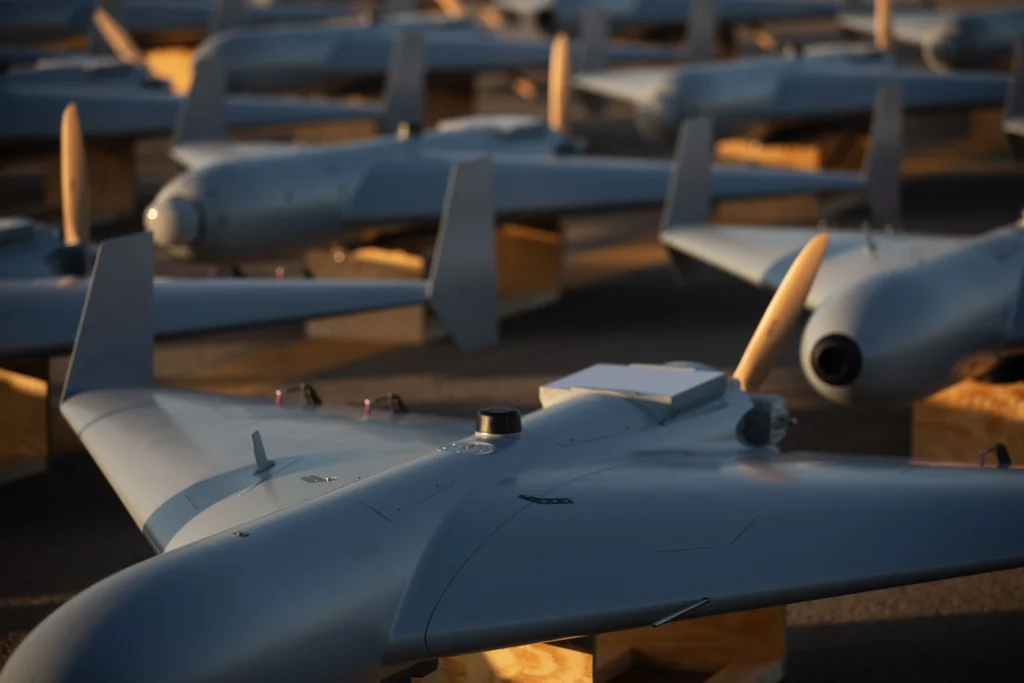
The contract allows private aviation companies to provide aircraft and pilots that simulate hostile forces during military exercises.
Known as adversary air or Red Air, these services help U.S. fighter crews practise detecting, tracking and engaging threats without requiring operational combat aircraft to perform every training mission.
Contractors also provide close air support training, allowing joint terminal attack controllers on the ground to practise coordinating simulated airstrikes with pilots. The arrangement supports a range of exercises while preserving frontline aircraft for other operational requirements.
The latest awards add three companies to a programme that already includes established providers such as Airborne Tactical Advantage Company, Draken International, Top Aces and Tactical Air Support.
The Air Combat Command Acquisition Management and Integration Center at Langley Air Force Base, Virginia, selected the new contractors following a competition that received three offers.
The new awards carry the same $5.4 billion ceiling and a similar completion date to the second contracted air support vehicle awarded in September 2024.
The earlier contract included eight companies competing for task orders, while the original 2019 contract had a ceiling of $6.4 billion.
KestrelX Mimics Drone Threats
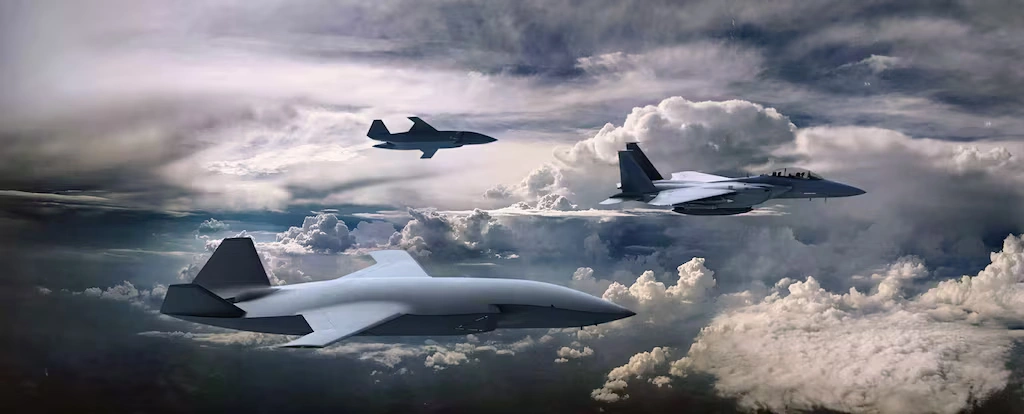
KestrelX brings a specialized capability to the programme by operating small aircraft designed to replicate the flight profiles and signatures of hostile uncrewed aerial vehicles and cruise missiles.
Founded by former U.S. Navy fighter and test pilot Don Moseley, the Idaho-based company has used modified microjets and light aircraft in military exercises to help crews practise identifying and intercepting emerging aerial threats.
The company previously participated in Exercise Northern Strike in Michigan, where its small jet aircraft simulated cruise missile threats.
In March 2026, a KestrelX KX-2 aircraft also flew during Exercise Arctic Edge in Alaska, posing as a low-observable uncrewed aircraft for U.S. and Canadian fighter crews to intercept.
The new contract expands KestrelX’s opportunities to compete for military training assignments. In September 2026, the U.S. Navy also selected the company for a contract worth up to $9.99 million to provide low-observable target aircraft and engineering support for training exercises.
A2G International, based in Melbourne, Florida, provides manned and unmanned aviation services, including airborne intelligence, surveillance and reconnaissance.
Fleet Adversary Support and Training, based in St. Augustine, Florida, is the third company added to the Air Force contract.
Contracted Adversary Training
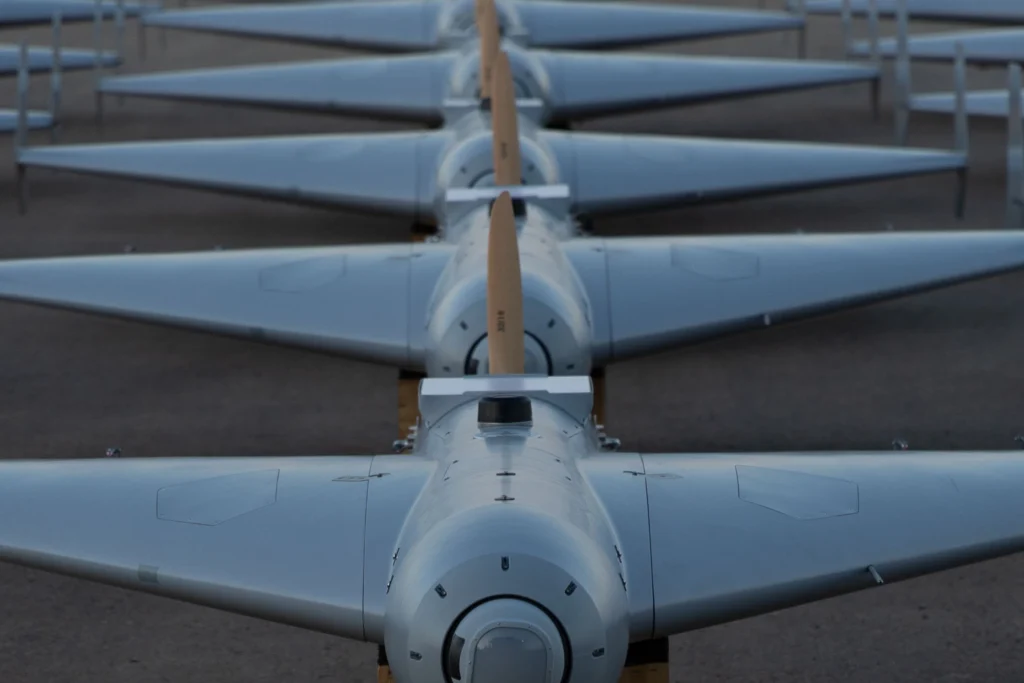
The U.S. Air Force has increasingly relied on private contractors to supplement its own aggressor squadrons.
These companies provide additional aircraft and pilots to simulate opposing forces, allowing military crews to practise against a wider range of threats without diverting frontline fighters from other duties.
A 2021 Government Accountability Office report described contracted adversary air services as a bridge while the Air Force developed its own training capacity and considered future crewed and uncrewed aggressor platforms.
The service has sought to improve training against threats that include small drones, cruise missiles and other low-observable targets.
Although the new contract has a ceiling of $5.4 billion, that figure does not represent guaranteed payments to the three companies, Defence Blog reported.
Each firm must compete for individual task orders, and the amount of work awarded will depend on the Air Force’s requirements and available funding.
Stay tuned with us. Further, follow us on social media for the latest updates.
Join us on Telegram Group for the Latest Aviation Updates. Subsequently, follow us on Google News
