

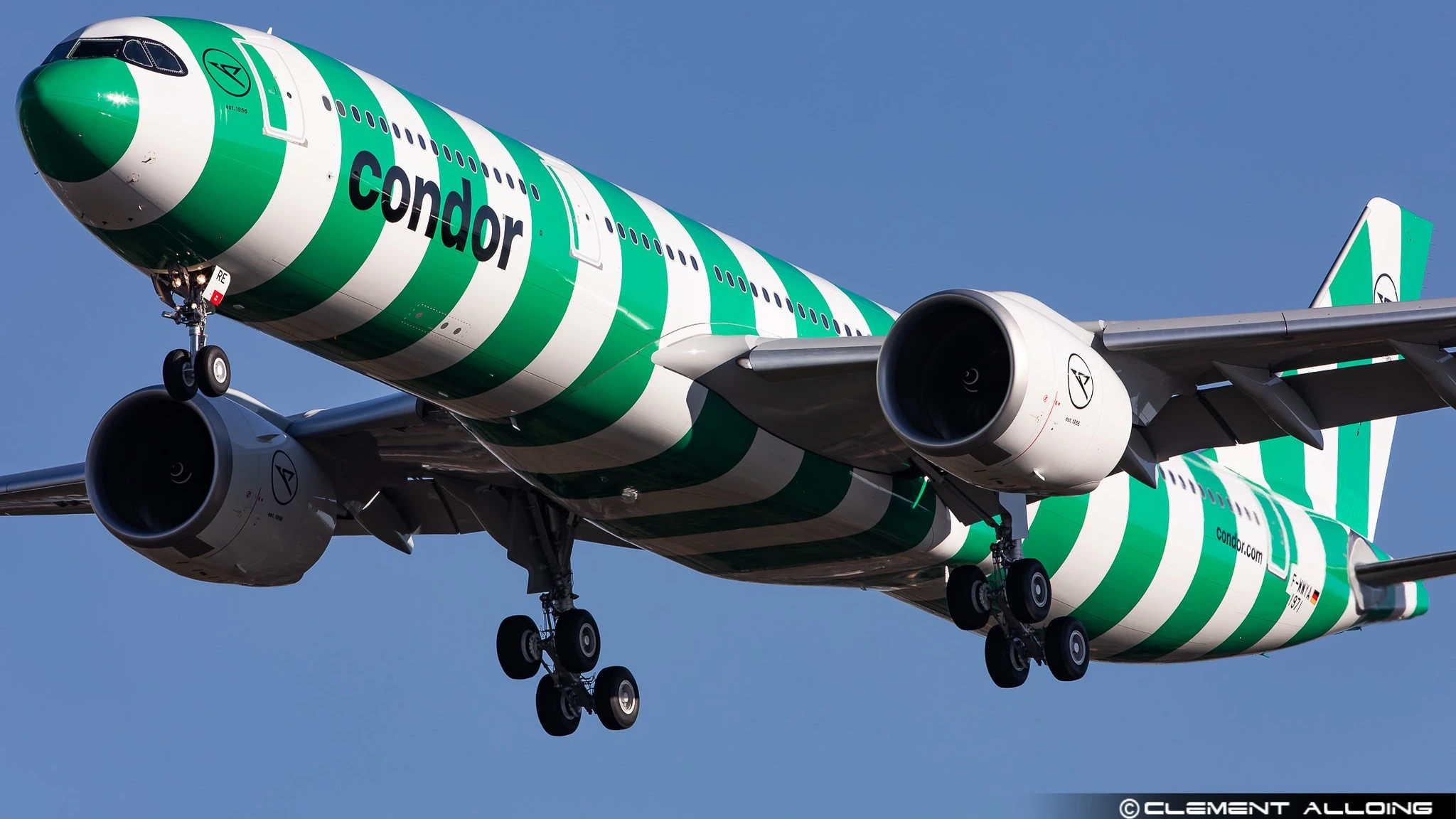
TOULOUSE— Condor (DE) will have to wait until the second half of November 2026 to receive its next Airbus A330neo after a manufacturing quality issue triggered additional inspections. The aircraft, which will carry the registration D-ANRR, remains at Airbus’ facility in Toulouse, France, where the manufacturer has examined aircraft following the discovery of a tool inside a horizontal stabilizer.
The issue extends beyond aircraft awaiting delivery. Airbus has also recommended additional checks on A330neo aircraft already operating with airlines, although the manufacturer says there is no immediate safety risk. Condor confirmed that its fleet is covered by the inspection measures, but its existing maintenance checks have not identified any related abnormalities.
Airbus A330neo Inspections
Airbus halted production activities for much of the summer while inspecting aircraft on the production line.
The manufacturer took this step after discovering a tool inside the horizontal stabilizer of an A330neo, a structure that helps control the aircraft’s pitch and maintain stability during flight.
The quality issue disrupted deliveries in June and July 2026, when Airbus handed over no A330 aircraft. Deliveries subsequently resumed, with one aircraft delivered in August and two more in September, according to the reported figures.
Speaking to media in Toulouse on October 13, Julien Puyou, head of Airbus’ long-haul aircraft programmes, explained that the company had taken two principal measures: checking aircraft still in production and developing an inspection strategy for aircraft already delivered to customers.
Airbus maintains that aircraft can operate safely even if a tool remains inside the relevant structure.
The manufacturer said it had demonstrated this position to the responsible authorities, while discussions continue over the appropriate checks for aircraft already in service.
Condor Fleet Checks
The recommended inspections cover A330neo aircraft delivered between the beginning of 2021 and the end of May 2026. Airbus adopted this extended period as a precautionary measure, preferring to inspect a broader group of aircraft rather than risk overlooking a potential finding.
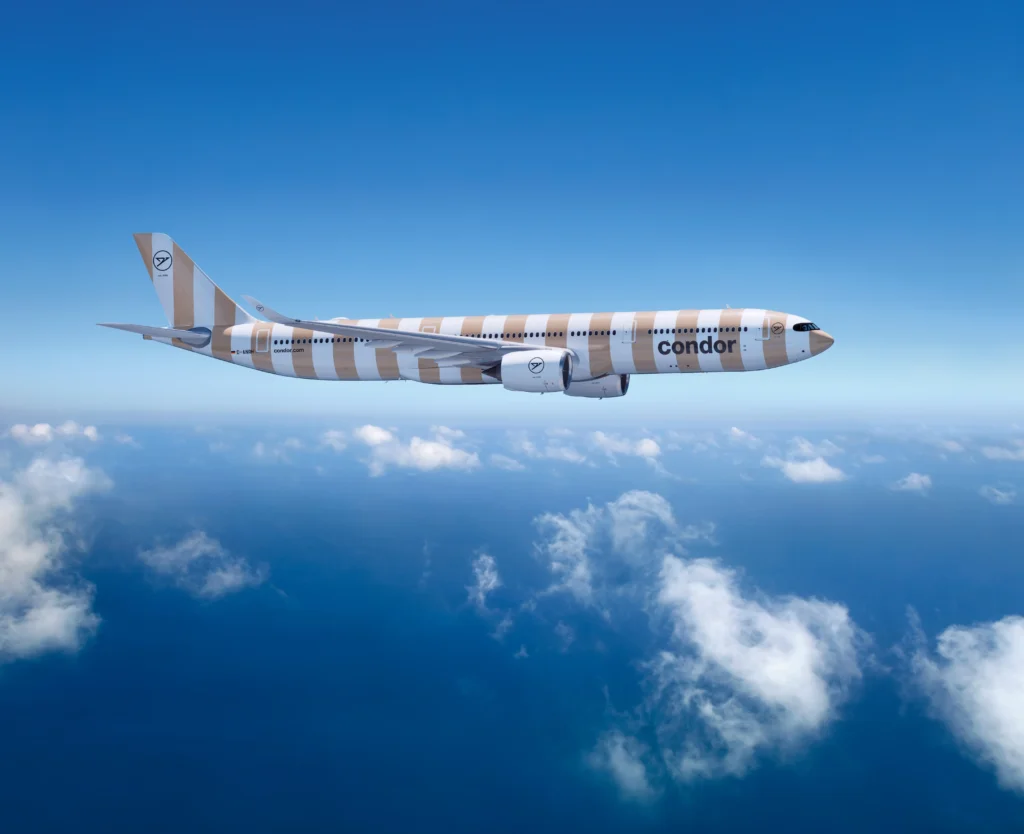
During that period, Airbus delivered 139 A330neo aircraft. The total included all 18 aircraft operated by Condor and all 16 aircraft delivered to ITA Airways, the Italian airline within the Lufthansa Group holding structure.
Condor said its A330neo aircraft had already undergone checks during regular maintenance. The airline reported that inspections had not identified any corresponding abnormalities or findings across its fleet.
However, the airline is still coordinating with Airbus and the European Union Aviation Safety Agency (EASA) to establish whether further inspections will be necessary. The company said subsequent checks would follow the aircraft manufacturer’s instructions and the requirements set by the relevant authorities.
EASA is expected to clarify the next steps by mid-November. Until then, the inspection process for aircraft already in service remains under discussion.
D-ANRR Delivery Delayed
Condor’s next A330neo, manufacturer serial number 2143, was already completed by early July and had been photographed at Airbus’ Toulouse facility with its engines installed, AeroTelegraph reported.
The aircraft has remained there while the manufacturer carried out additional checks associated with the quality investigation.
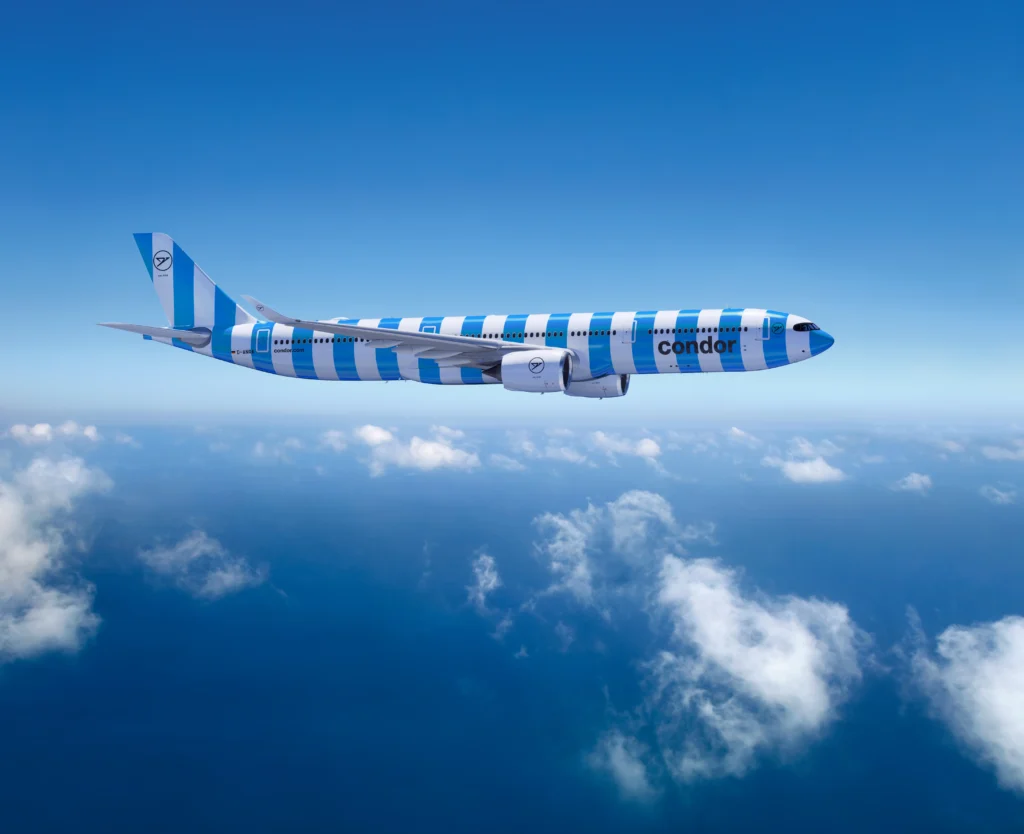
The aircraft, which will enter Condor’s fleet as D-ANRR, received additional inspections during production. Condor said Airbus had informed the airline about the delivery delay and revised the expected handover to the second half of November 2026.
Although Airbus has resumed A330neo deliveries, the additional work continues to affect individual aircraft awaiting handover. The final inspection requirements for jets already in service also remain subject to discussions with EASA.
For Condor, the delay means its next widebody aircraft will arrive later than expected, while the airline and manufacturer continue to establish whether its existing fleet requires further checks beyond those already completed.
Stay tuned with us. Further, follow us on social media for the latest updates.
Join us on Telegram Group for the Latest Aviation Updates. Subsequently, follow us on Google News
