

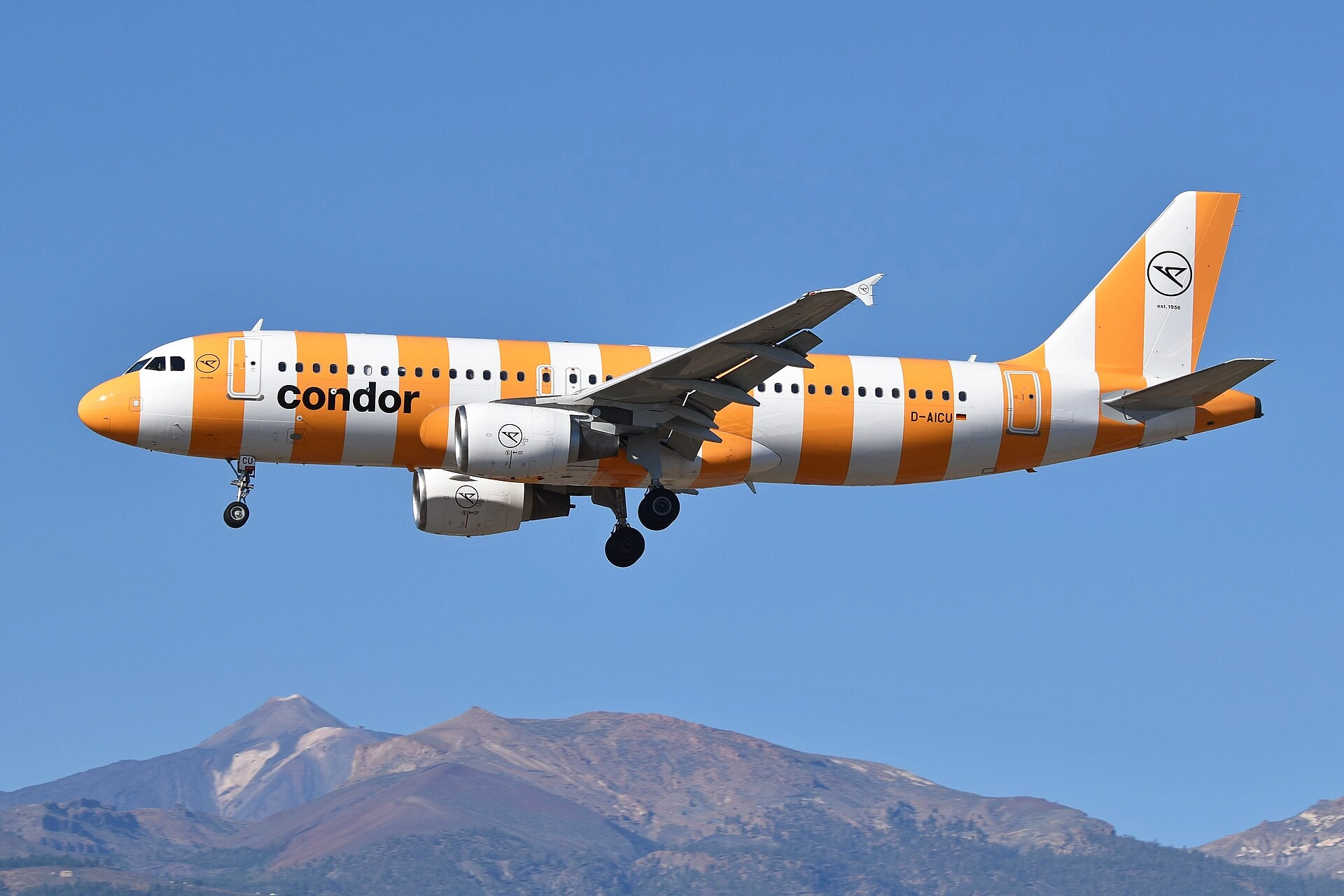
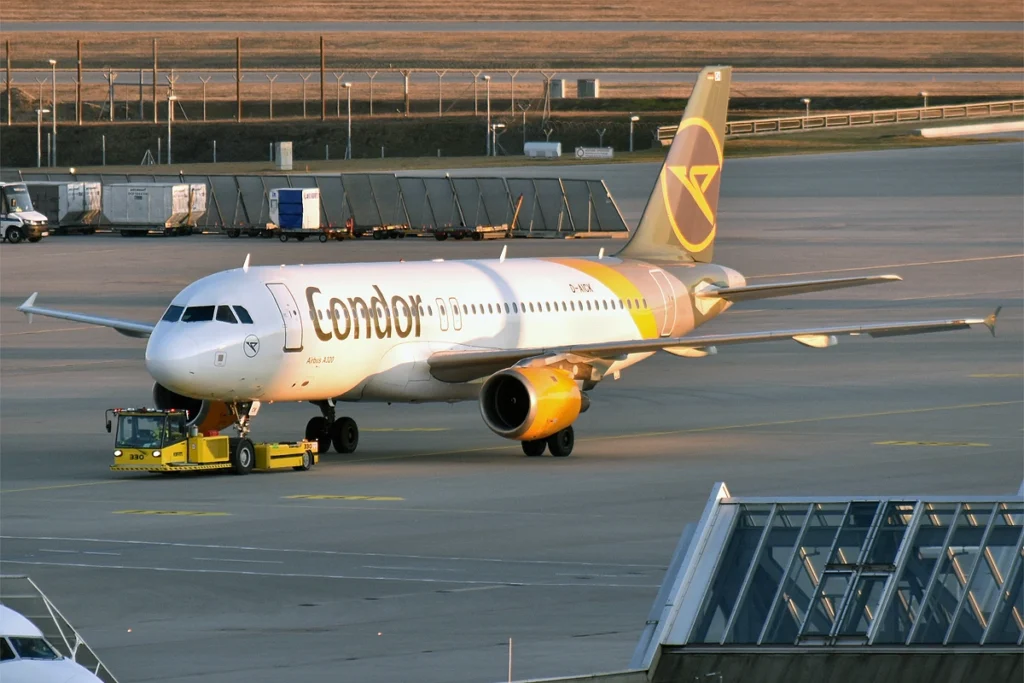
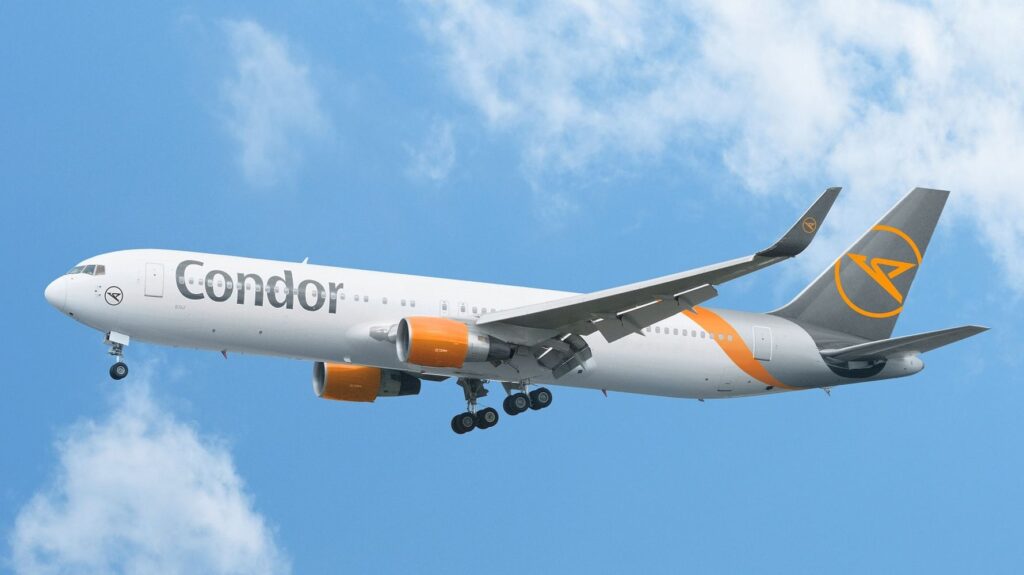
FRANKFURT- Condor (DE) flight DE1809 from Olbia Costa Smeralda Airport (OLB) to Frankfurt Airport (FRA) narrowly missed the airport’s strict overnight curfew on September 11, forcing the Airbus A320 to abandon its landing and divert to Cologne Bonn Airport (CGN).
The flight departed Olbia more than two hours late and took off at 10:39 PM, leaving only 1 hour and 21 minutes before Frankfurt’s extended curfew expired. Despite reaching final approach, the aircraft could not land after midnight, and passengers faced an overnight ground journey from Cologne.
Delayed Condor Flight Faces Impossible Frankfurt Arrival
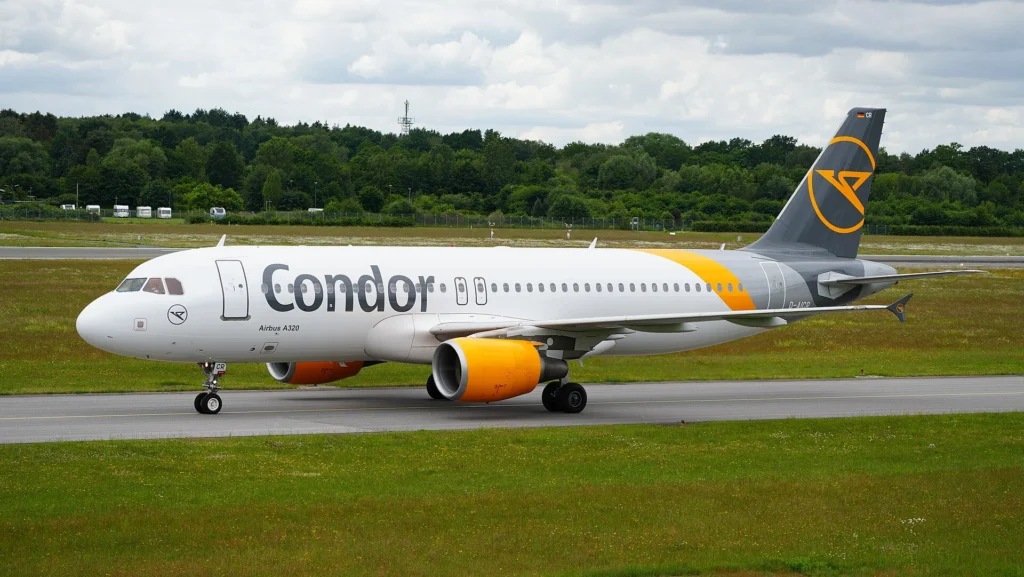
Condor flight DE1809 was scheduled to depart Olbia at 10:15 PM but did not leave the Italian airport until 10:39 PM. The delay placed the flight under significant pressure because Frankfurt operates under strict nighttime restrictions.
Public flight data shows that DE1809’s fastest recorded journey between Olbia and Frankfurt was around 1 hour and 24 minutes. At departure, the aircraft had only 1 hour and 21 minutes available before the extended curfew deadline at Frankfurt.
That meant the flight needed to complete the journey faster than its quickest publicly recorded transit time to have a realistic chance of landing before the restriction took effect.
The aircraft was an Airbus A320-214, a narrowbody type commonly used by Condor on European routes. After departing Olbia, the crew continued toward Frankfurt despite the increasingly limited arrival window, OMAAT flagged.
Airbus A320 Forced to Go Around at Frankfurt
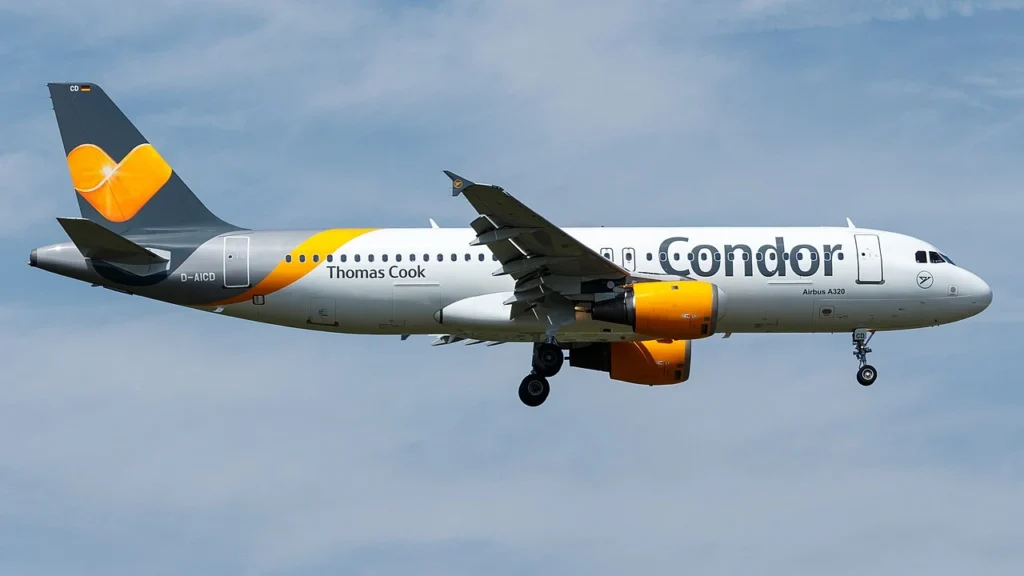
Flight tracking data shows that DE1809 reached the Frankfurt area and descended to approximately 875 feet during its final approach.
However, the aircraft could not receive clearance to land after the curfew deadline passed. The A320 therefore had to execute a go-around instead of completing the landing.
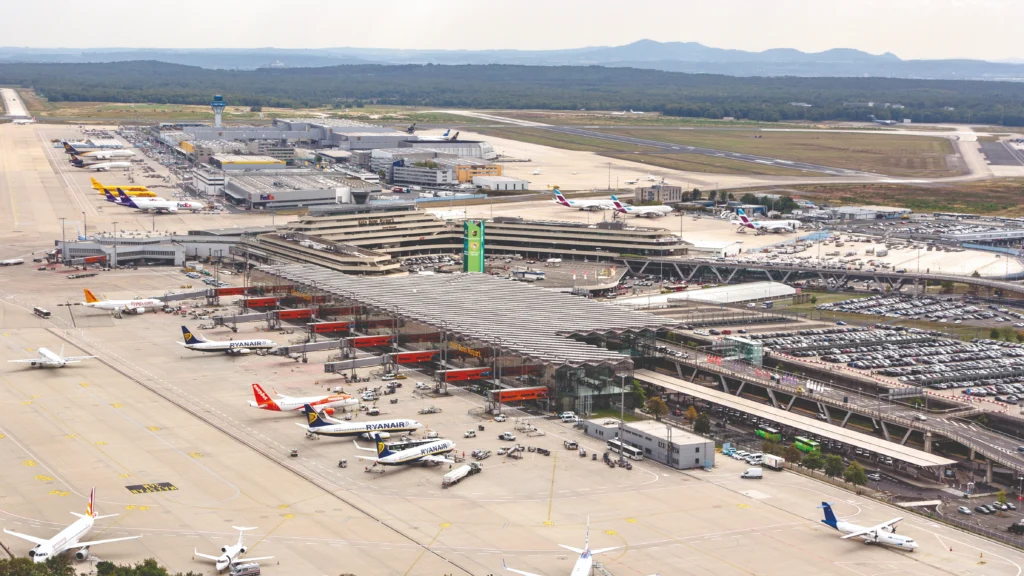
The aircraft then diverted toward Cologne Bonn Airport, where it eventually landed, and passengers were required to continue their journey by ground transportation.
The timing made the incident particularly unusual. The aircraft was already very close to the runway when the curfew became decisive. A go-around at such a low altitude also required the aircraft to increase power and climb away from the airport before continuing to Cologne.
The incident highlights the difficult balance between airport noise restrictions, air traffic procedures, and airline scheduling decisions.
Why Frankfurt’s Curfew Matters
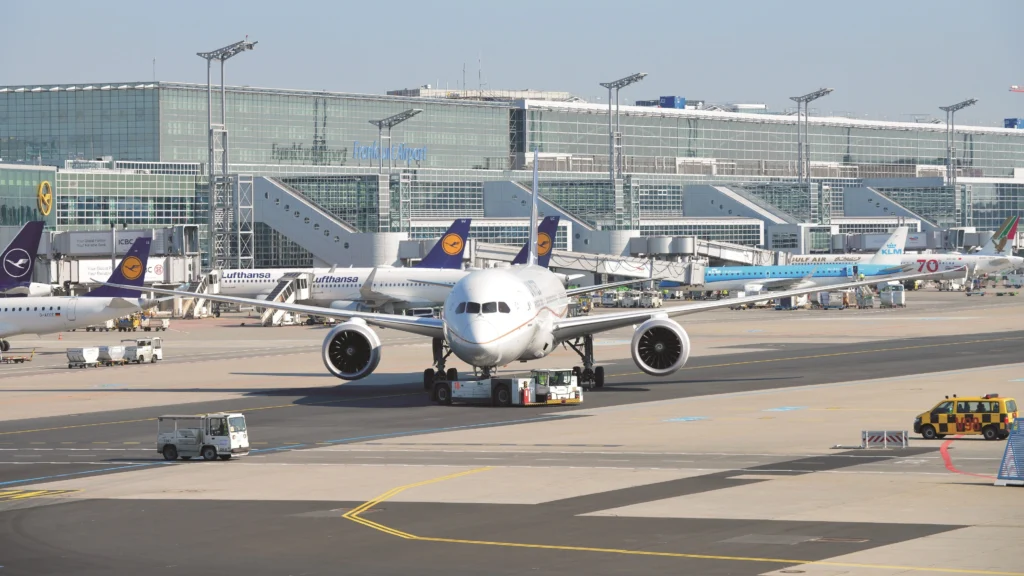
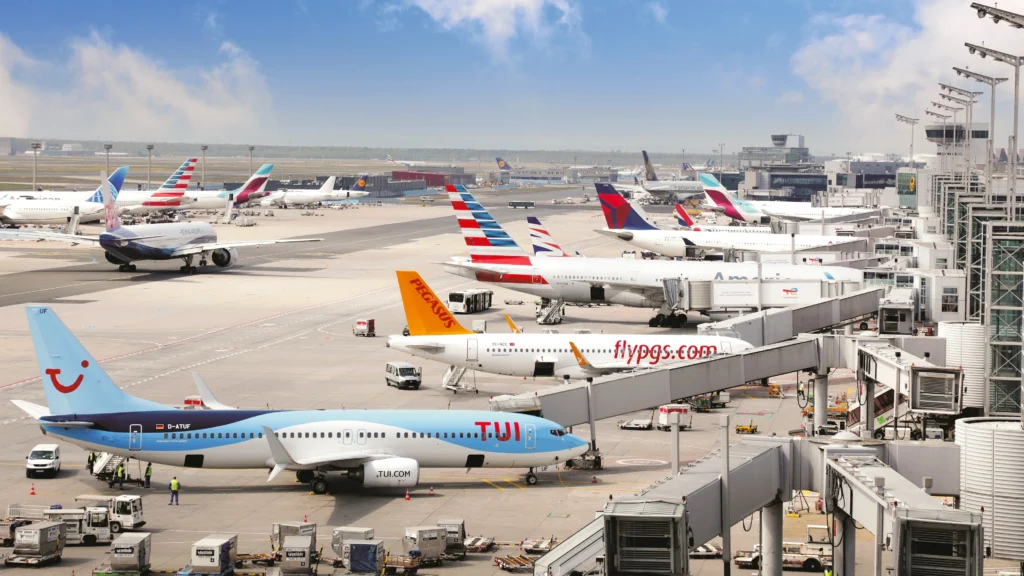
Frankfurt Airport operates under legally defined nighttime restrictions that limit aircraft movements during overnight hours. The rules are designed primarily to reduce aircraft noise for communities surrounding the airport.
The restrictions can create significant operational challenges when flights experience delays late in the evening. An aircraft may be physically capable of reaching the airport, but that does not necessarily mean it can legally land after the permitted operating window.
For airlines, this makes accurate departure planning particularly important on late-evening flights heading to Frankfurt.
In the case of DE1809, the delayed departure from Olbia left almost no operational margin. Any additional delay, slower-than-normal flight time, or unfavorable operational development could eliminate the possibility of landing before the deadline.
Passengers Bear the Consequences of the Diversion
Around 180 passengers aboard DE1809 were ultimately taken to Cologne instead of Frankfurt.
Although Cologne is in Germany and is geographically closer to Frankfurt than Olbia, the diversion still created a major inconvenience. Passengers had to leave the aircraft at an airport different from the destination printed on their tickets and arrange or wait for ground transportation during the early hours of the morning.
For travelers expecting to arrive in Frankfurt, the diversion meant additional travel time after an already delayed flight.
The situation also demonstrates why late-night delays can become more complicated than their original delay figures suggest. A flight that is only a few minutes late at departure can face a much larger disruption if it reaches an airport after its operating restrictions begin.
The Airline’s Operational Decision Under Scrutiny
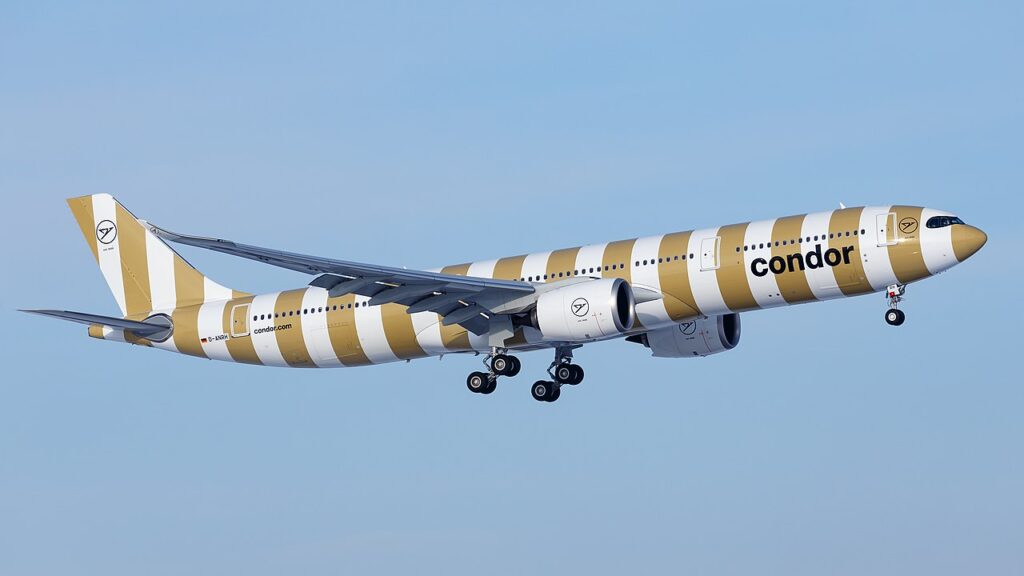
The decision to operate DE1809 despite its late departure raises questions about how airlines assess the likelihood of reaching a curfew-restricted airport.
Cancelling or postponing the flight in Olbia would have created immediate costs and logistical problems. Passengers could have required accommodation, meals and transportation, while the aircraft would also have been unavailable for its next scheduled operation from Frankfurt.
Keeping the flight operating offered the possibility of completing the original itinerary, but the available time was extremely limited.
Once the aircraft departed, the airline had effectively committed to a narrow operational window. The eventual diversion shows how quickly a late departure can turn into a much larger passenger disruption when a destination has strict nighttime restrictions.
However, the decision cannot be evaluated solely from the perspective of the passengers on DE1809. Aircraft positioning also affects an airline’s wider network. Leaving the A320 in Italy could have affected subsequent flights and created additional disruptions the following day.
EU Passenger Rights Add Another Layer
European passenger protection rules can create additional financial considerations when airlines decide whether to cancel, delay or operate a disrupted flight.
If a flight is cancelled or passengers are stranded at the departure airport, airlines may have obligations concerning care and assistance, including accommodation, meals and transportation, depending on the circumstances and applicable passenger-rights rules.
Those obligations can influence an airline’s operational decisions during significant disruptions.
In DE1809’s case, continuing the flight allowed the passengers to reach Germany, even though they arrived at the wrong airport. Instead of spending the night in Olbia, travelers were moved to Cologne and then had to continue toward Frankfurt by ground transportation.
That outcome was far from ideal, but it reduced the distance passengers had to travel after the flight.
Cologne Diversion Highlights the Curfew Challenge
The DE1809 incident shows how a few minutes can have an outsized impact on airline operations at airports with strict curfews.
The aircraft reached final approach and came extremely close to completing its scheduled journey. Yet the expiration of the permitted operating period meant that the crew could not simply complete the landing because the aircraft was already near the runway.
The resulting diversion transformed a delayed European flight into a much longer journey for passengers.
For Condor, the incident also highlights the importance of maintaining sufficient schedule margins on flights operating into Frankfurt late at night. A departure only 24 minutes after the scheduled pushback time left the aircraft with virtually no room for further delays.
A Difficult Balance Between Rules and Operations
DE1809 illustrates the competing pressures faced by airlines operating within regulated airport environments.
Frankfurt’s curfew exists for a clear purpose, while airlines must also manage aircraft utilization, passenger disruption, crew scheduling and network connectivity. A decision that appears straightforward from one perspective can have wider consequences across an airline’s operation.
For passengers, however, the immediate result was simple. A flight scheduled to arrive in Frankfurt instead landed at Cologne after midnight, followed by a ground transfer to the intended destination.
The incident serves as a reminder that late-night flights into curfew-restricted airports require careful scheduling and sufficient operational buffers. Once that margin disappears, even an aircraft that is already on final approach may still be unable to land.
Stay tuned with us. Further, follow us on social media for the latest updates.
Join us on Telegram Group for the Latest Aviation Updates. Subsequently, follow us on Google News
