

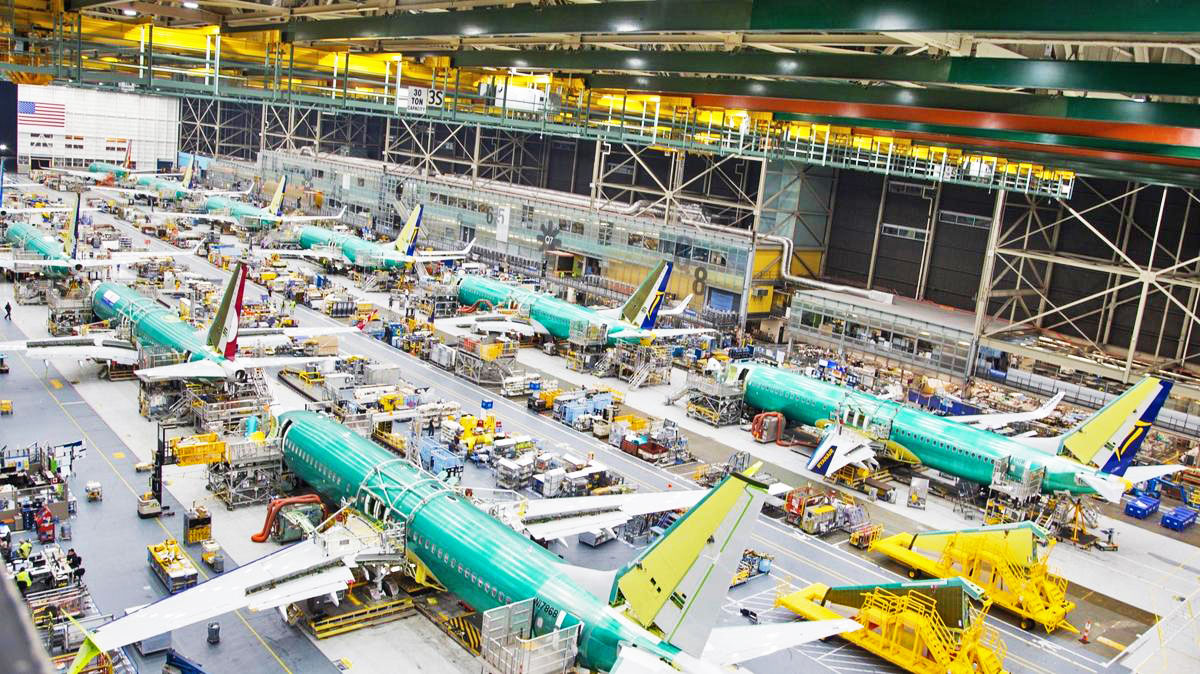
SEATTLE- The U.S. Federal Aviation Administration (FAA) has proposed a new airworthiness directive for Boeing 737-8, 737-9, and 737-8200 aircraft after concerns emerged over incorrectly installed bearings in the elevator buss assembly. The proposal covers 95 aircraft on the U.S. register.
Boeing is the aircraft manufacturer involved, while the proposal does not concern a specific airline or airport. The FAA filed the proposal under docket FAA-2026-8811 on September 21, 2026, with comments due by November 5, 2026.
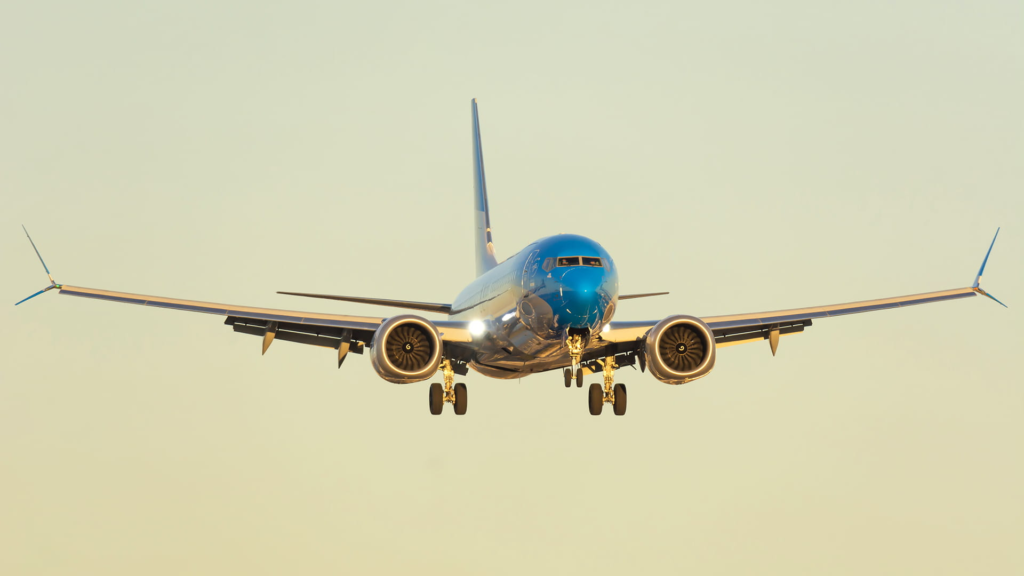
FAA Targets Elevator Control Assembly on Boeing 737 MAX
The proposed airworthiness directive focuses on the elevator buss assembly, a component within the aircraft’s elevator control system. According to the FAA, the assembly assists with movement of the control columns and falls under Air Transport Association Chapter 27, which covers flight controls.
The FAA proposal follows a report that bearings in the elevator buss assembly may have been installed incorrectly during aircraft production. In some cases, the bearings may have been installed without sealant.
The agency is concerned that an improperly installed bearing could develop cracks. Those cracks could then spread into the bearing housing and lead to premature failure of the elevator buss assembly crank arms.
The FAA states that if the condition is not corrected, it could affect elevator pitch control and the aircraft’s ability to continue safe flight and landing.
The proposed directive therefore focuses on identifying the condition before it develops into a more serious flight-control problem.
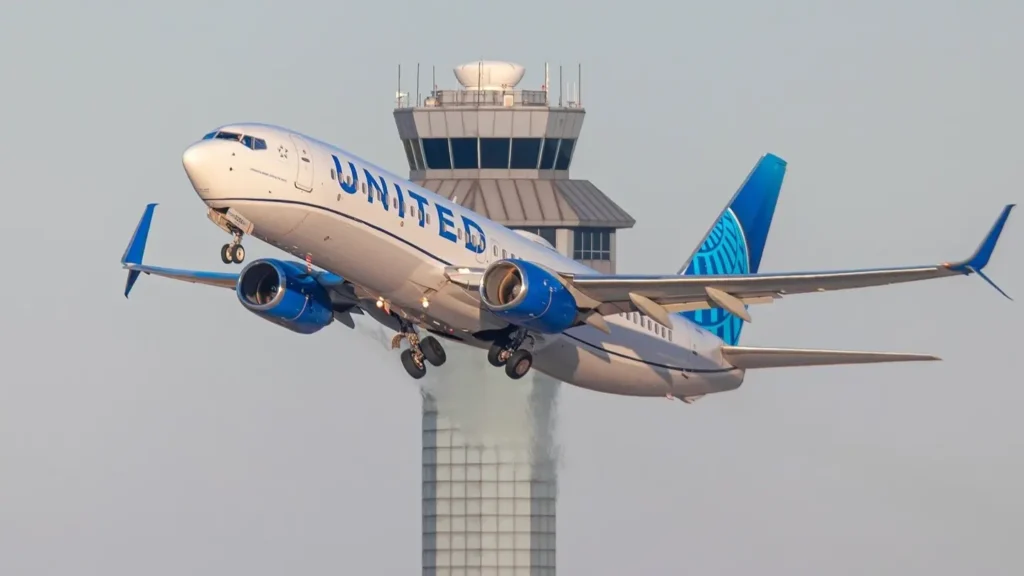
95 Boeing 737 MAX Aircraft Covered
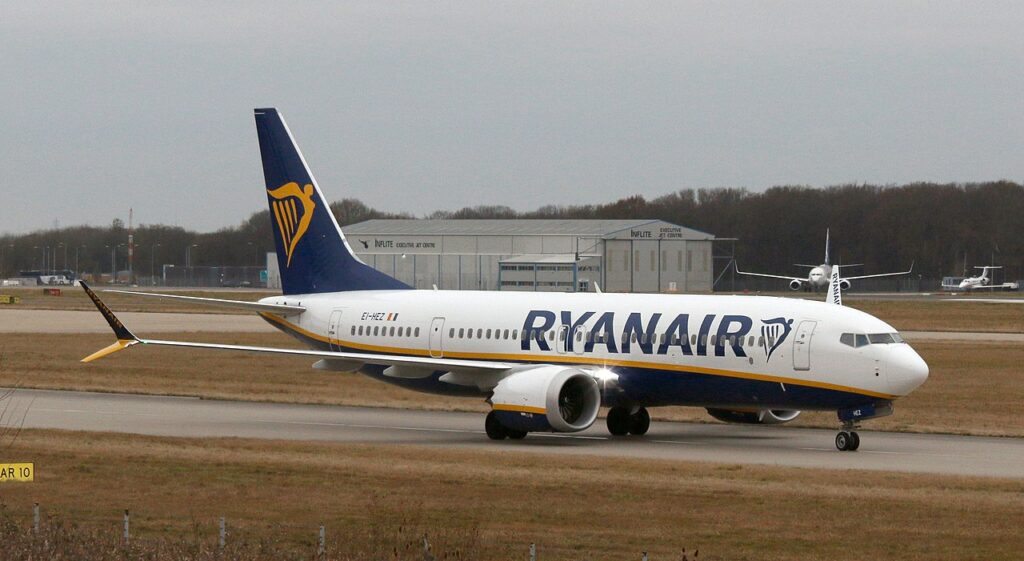
The proposed directive would apply to 95 aircraft registered in the United States. The affected models are the Boeing 737-8, 737-9 and 737-8200.
The FAA did not propose inspections for the entire U.S. 737 MAX fleet. The applicability is based on aircraft identified by Boeing in its service documentation as being within the affected production range.
This distinction is important because the issue described by the FAA relates to a specific production condition rather than a general design issue affecting every aircraft of the same model.
The FAA proposal is also not yet a mandatory requirement. Operators would only be required to carry out the proposed inspections if the agency publishes a final airworthiness directive.
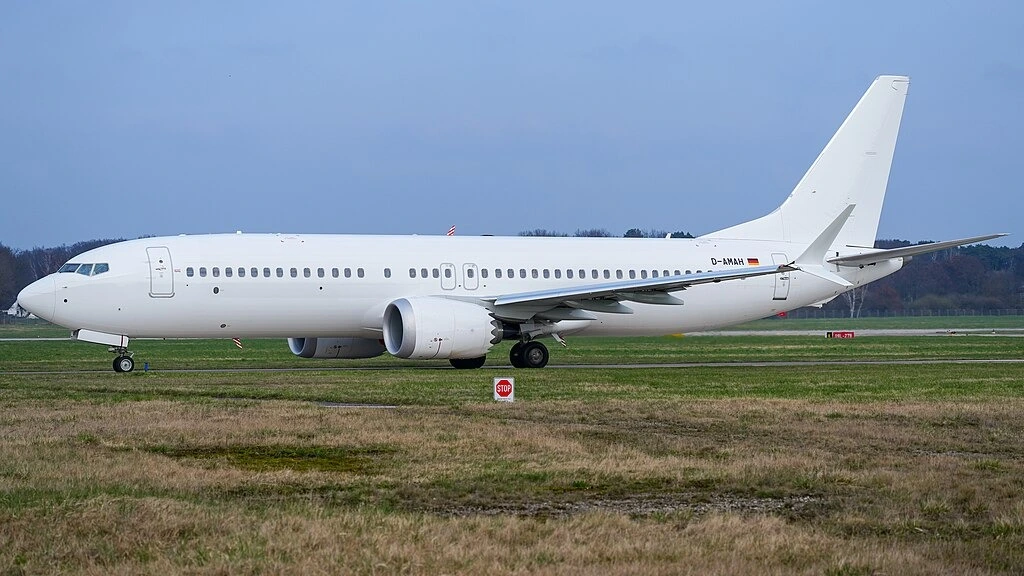
Boeing Service Bulletin Forms Basis for Proposed Work
The inspection requirements are based on Boeing Alert Requirements Bulletin 737-27A1331 RB, dated December 17, 2025.
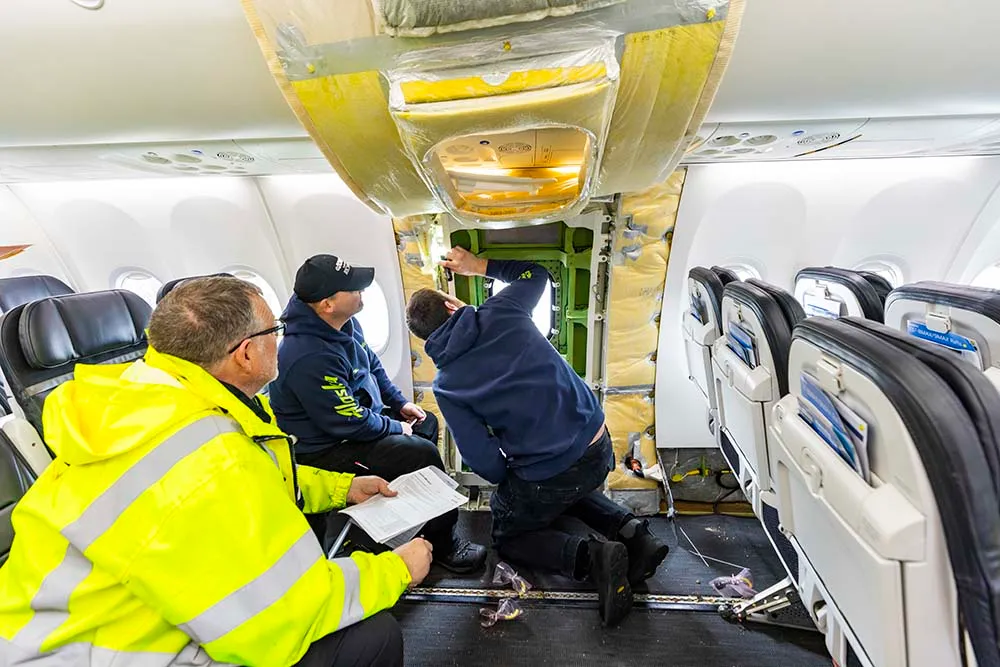
Under the proposed directive, maintenance personnel would conduct a detailed inspection of the elevator buss assembly bearings and housings. The inspection would look for cracks as well as evidence that the required sealant was correctly applied.
Where inspection findings meet specified conditions, additional testing would be required.
The Boeing bulletin calls for a push-out load test on three specific bearing part numbers when applicable. The test is designed to determine whether the bearing remains properly retained within its housing.
The results of the inspection and testing would determine the required corrective action.
Possible Bearing and Assembly Replacements
Depending on the findings, operators could be required to replace individual bearings, repair the affected area of the elevator buss assembly, or replace the complete assembly.
The FAA estimates that the initial inspection would require approximately 23 work-hours per aircraft.
Using the agency’s standard labor rate of $85 per hour, the estimated labor cost for an individual aircraft is $1,955. Across the 95 affected U.S.-registered aircraft, the FAA estimates the inspection labor cost at approximately $185,725.
The agency estimates the replacement cost for an individual bearing at between $1,105 and $1,809. A complete elevator buss assembly is estimated at $98,241 in parts.
The FAA also notes that Boeing may cover some or all of the costs under warranty, depending on the aircraft and applicable warranty terms.
Proposed Directive Is Not Yet Mandatory
The September 21 action is a Notice of Proposed Rulemaking rather than a final airworthiness directive.
That means operators are not required to carry out the proposed inspections solely because the NPRM was published. The FAA will accept public comments before deciding whether to issue a final rule.
Comments on the proposal are due by November 5, 2026.
If the FAA adopts the requirements, the final directive could establish compliance deadlines and any changes made in response to comments received during the rulemaking process.
Separate 737 MAX Structural Inspection Ordered
The elevator buss proposal follows another FAA action involving the same Boeing 737 MAX family.
On September 17, 2026, the FAA issued a final airworthiness directive covering inspections around the forward galley door cutout. The directive targets the fuselage skin, bear straps that reinforce the structure, and partial, or stub, fuselage frames around the door’s upper hinge.
The checks are precautionary. No cracks have been reported in the 737 MAX fleet in connection with this issue.
The FAA adopted Boeing’s recommendation that the inspections be completed before affected aircraft reach 15,000 flight cycles. Based on current 737 MAX utilization, that threshold is not expected to be reached by the highest-cycle aircraft for several years.
The directive represents the second FAA 737 MAX mandate involving bear straps within a six-week period.
Why Boeing Recommended the Bear Strap Inspections
The bear strap inspections are linked to structural experience with the Boeing 737 Next Generation (NG) family.
Stress involving the fuselage skin and bear straps has resulted in cracking on some high-cycle 737NG aircraft. Boeing recommended inspections on the 737 MAX because the galley door design and production process were carried over from the 737NG.
Boeing initially investigated whether production-related scratches on the bear straps contributed to the cracking. Further analysis ruled out that production issue as the root cause. Boeing subsequently changed its production processes to eliminate the scratching condition.
The distinction between the two aircraft generations is important. Cracking has been identified on some 737NG aircraft, while the FAA’s latest MAX directive is precautionary and is not based on reported cracking in the 737 MAX fleet.

Two Separate Bear Strap Inspection Programs
The September 17 directive is not the only FAA action involving bear straps on the 737 MAX.
An earlier FAA directive issued in August targets the fuselage skin and bear straps in the upper front corners of galley door cutouts. That action also follows cracking found on an unspecified number of 737NG aircraft rather than on 737 MAX aircraft.
Boeing developed an inspection program for the fuselage skin and reinforcing straps, with the inspection threshold set at 30,000 flight cycles.
The two structural programs address different areas of the galley door structure.
The latest September directive covers the midframe area around the upper hinge of the galley door. The earlier program covers the upper front corner areas of the door cutout.
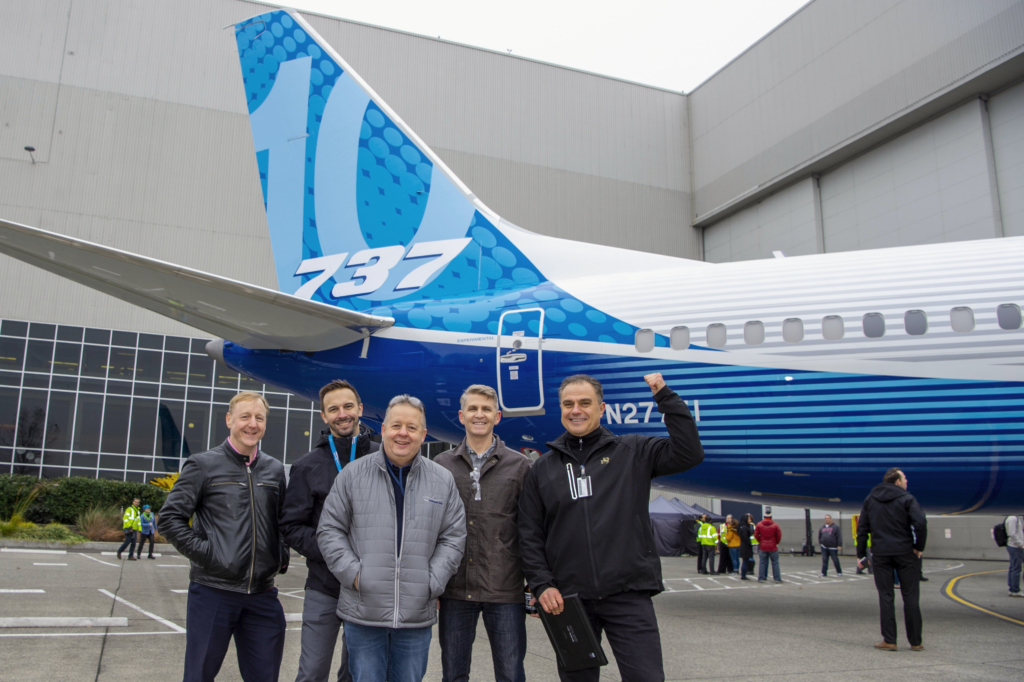
737 MAX Inspection Thresholds Extend Years Into the Future
The current 737 MAX fleet has accumulated significantly fewer cycles than the thresholds specified for these structural inspections.
Fleet data cited by Aviation Week indicate that the highest-time 737 MAX aircraft are two Gol Boeing 737-8s with slightly more than 10,500 cycles.
A total of 21 aircraft operated by Air Malta, Gol and Southwest have exceeded 10,000 cycles.
At an average utilization rate of about 1,800 cycles per year, the first midframe galley door inspections would be expected around 2029 to 2030 as aircraft approach the 15,000-cycle threshold.
The inspections are relatively invasive. Access can require the removal of galleys, fuselage panels and insulation so maintenance personnel can reach the affected structural components.
The inspections involving the upper corner areas have a much higher 30,000-cycle threshold. Based on current utilization rates, those inspections would not be expected until around 2040.
Access for those inspections requires work on the exterior of the fuselage.
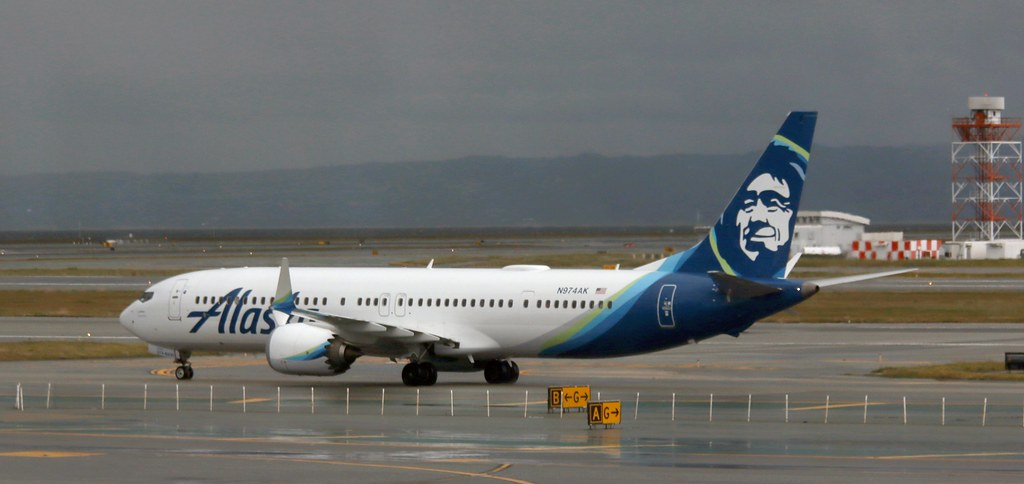
Boeing Has Already Issued Service Instructions
Boeing issued service instructions covering the separate 737 MAX structural issues to affected customers in late 2024 and early 2025.
The Boeing bulletins identify approximately 1,300 737 MAX aircraft requiring the relevant inspections.
The larger number reflects the separate structural inspection programs and should not be confused with the 95 aircraft covered by the FAA’s September 21 proposal concerning elevator buss assembly bearings.
The elevator buss proposal and the bear strap directives involve different aircraft systems, different technical findings, and different inspection requirements.
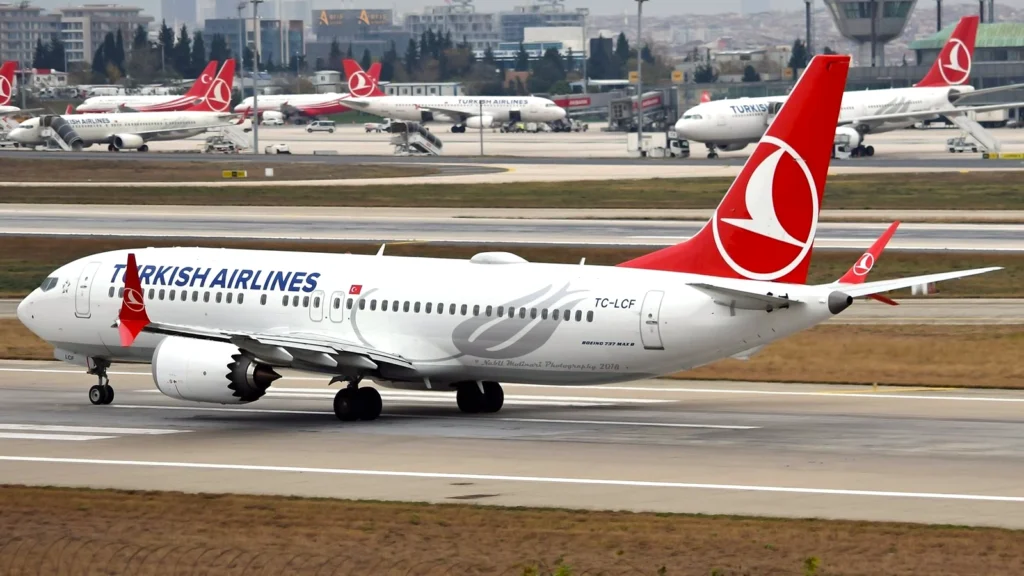
FAA Actions Cover Multiple 737 MAX Production Issues
The sequence of FAA actions highlights several separate maintenance programs affecting the 737 MAX.
The September 21 proposal concerns the elevator control system and potentially incorrect bearing installation. The September 17 final directive concerns structural components around the forward galley door cutout. The earlier bear strap program covers another structural area around the same general door opening.
These actions should not be treated as a single defect or a single inspection campaign. Each action is based on its own technical findings and Boeing service documentation.
The elevator buss proposal is particularly focused on a production-related installation condition. The structural inspections, by contrast, stem from concerns about stresses and cracking observed on the 737NG and the similarities between the NG and MAX galley door design and production processes.
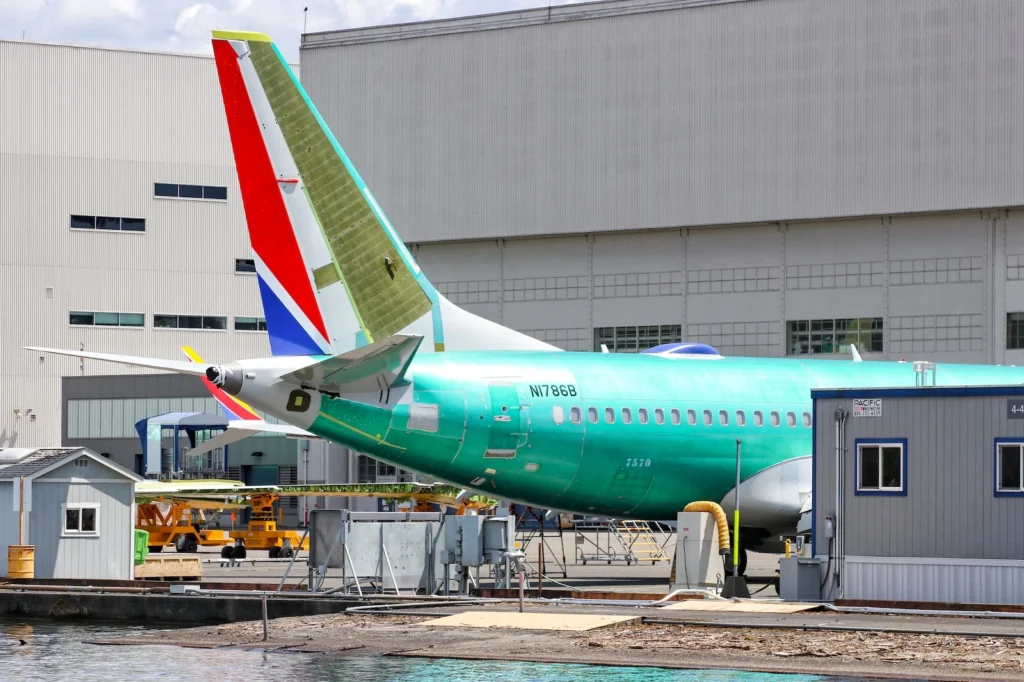
No In-Service Elevator Failure Reported
The FAA’s justification for the elevator buss proposal is based on incorrect installation of the bearings and the potential consequences of deterioration.
The material supporting the proposal does not describe an accident, in-flight elevator malfunction, or reported flight-control failure involving the affected 737 MAX aircraft.
The agency is acting because it considers the condition capable of existing or developing on other aircraft within the affected production group.
This makes the proposed inspections a preventive measure rather than a response to a reported 737 MAX elevator failure.
What Operators Need to Watch
For the 95 affected Boeing 737 MAX aircraft, the immediate issue is the FAA’s proposed inspection requirement and the agency’s upcoming rulemaking decision.
Operators and maintenance organizations would need to identify applicable aircraft, inspect the elevator buss assembly bearings and housings, and carry out additional testing or replacement work where required if the proposal becomes final.
Operators also face separate structural inspection requirements on a broader group of 737 MAX aircraft. Those programs involve the fuselage skin, bear straps and stub frames around the forward galley door cutout, with compliance thresholds extending to 15,000 and 30,000 cycles depending on the inspection area.
The different inspection programs demonstrate why the FAA’s individual airworthiness directives must be evaluated separately. Their affected components, technical findings, applicability and compliance thresholds are not identical.
Key Details of the FAA Elevator Proposal
| Item | Details |
|---|---|
| Agency | Federal Aviation Administration |
| Proposal date | September 21, 2026 |
| Docket | FAA-2026-8811 |
| Aircraft | Boeing 737-8, 737-9, 737-8200 |
| U.S. aircraft affected | 95 |
| Component | Elevator buss assembly |
| Main concern | Incorrect bearing installation |
| Additional concern | Missing sealant in some installations |
| Proposed inspection | Detailed bearing and housing inspection |
| Additional test | Push-out load test where applicable |
| Estimated inspection time | 23 work-hours per aircraft |
| Estimated inspection labor | $1,955 per aircraft |
| Estimated total inspection labor | $185,725 |
| Individual bearing replacement | $1,105 to $1,809 |
| Full elevator buss assembly | $98,241 in parts |
| Comment deadline | November 5, 2026 |
| Current status | Proposed, not yet mandatory |
Separate 737 MAX Structural Inspection Details
| Program | Inspection area | Compliance threshold |
|---|---|---|
| September 17 FAA directive | Galley door midframe, fuselage skin and bear straps | 15,000 cycles |
| Earlier FAA directive | Upper front corners of galley door cutouts | 30,000 cycles |
| Elevator buss proposal | Elevator buss assembly bearings and housings | Based on proposed directive |
FAA Proposal Adds Another Preventive Inspection to 737 MAX Fleet
The FAA’s September 21 proposal addresses a specific production-related condition involving elevator buss assembly bearings on 95 Boeing 737 MAX aircraft registered in the United States.
The agency is concerned that incorrect bearing installation, including cases where sealant was not applied, could lead to cracking, bearing housing damage and premature failure of elevator buss assembly crank arms. The FAA has linked that failure chain to a potential impact on elevator pitch control.
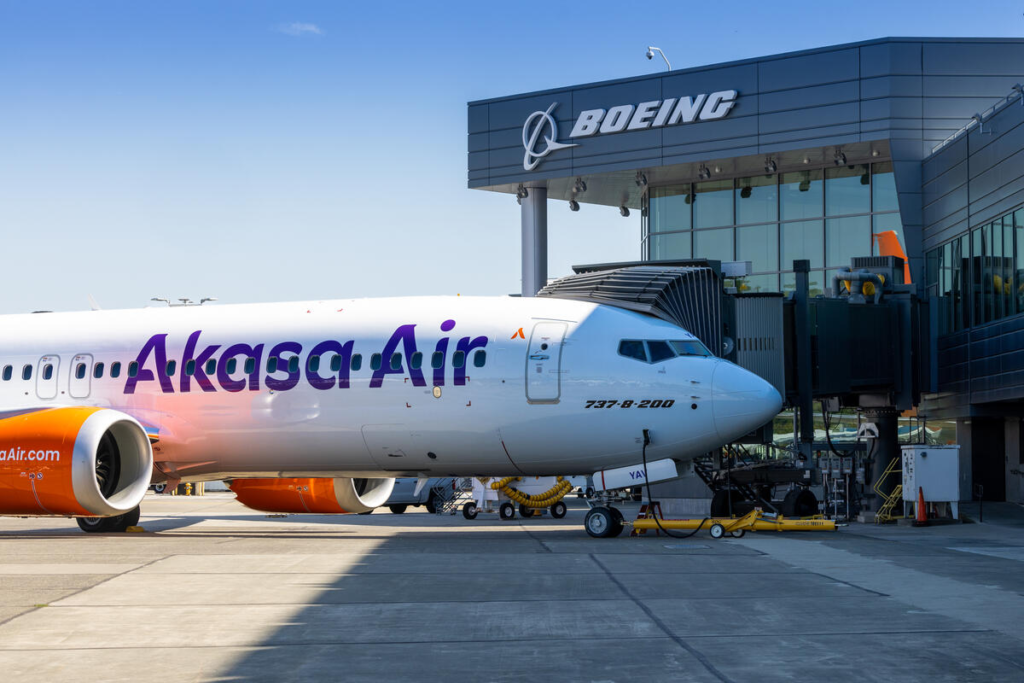
The proposal comes alongside separate FAA inspection programs involving 737 MAX fuselage skin, bear straps and stub frames around the forward galley door. Those structural programs are based on different technical findings and apply to a broader group of aircraft.
For the elevator issue, the FAA will first review public comments before deciding whether to issue a final airworthiness directive. Until a final rule is published, the September 21 proposal does not itself create a mandatory inspection requirement.
Stay tuned with us. Further, follow us on social media for the latest updates.
Join us on Telegram Group for the Latest Aviation Updates. Subsequently, follow us on Google News
