

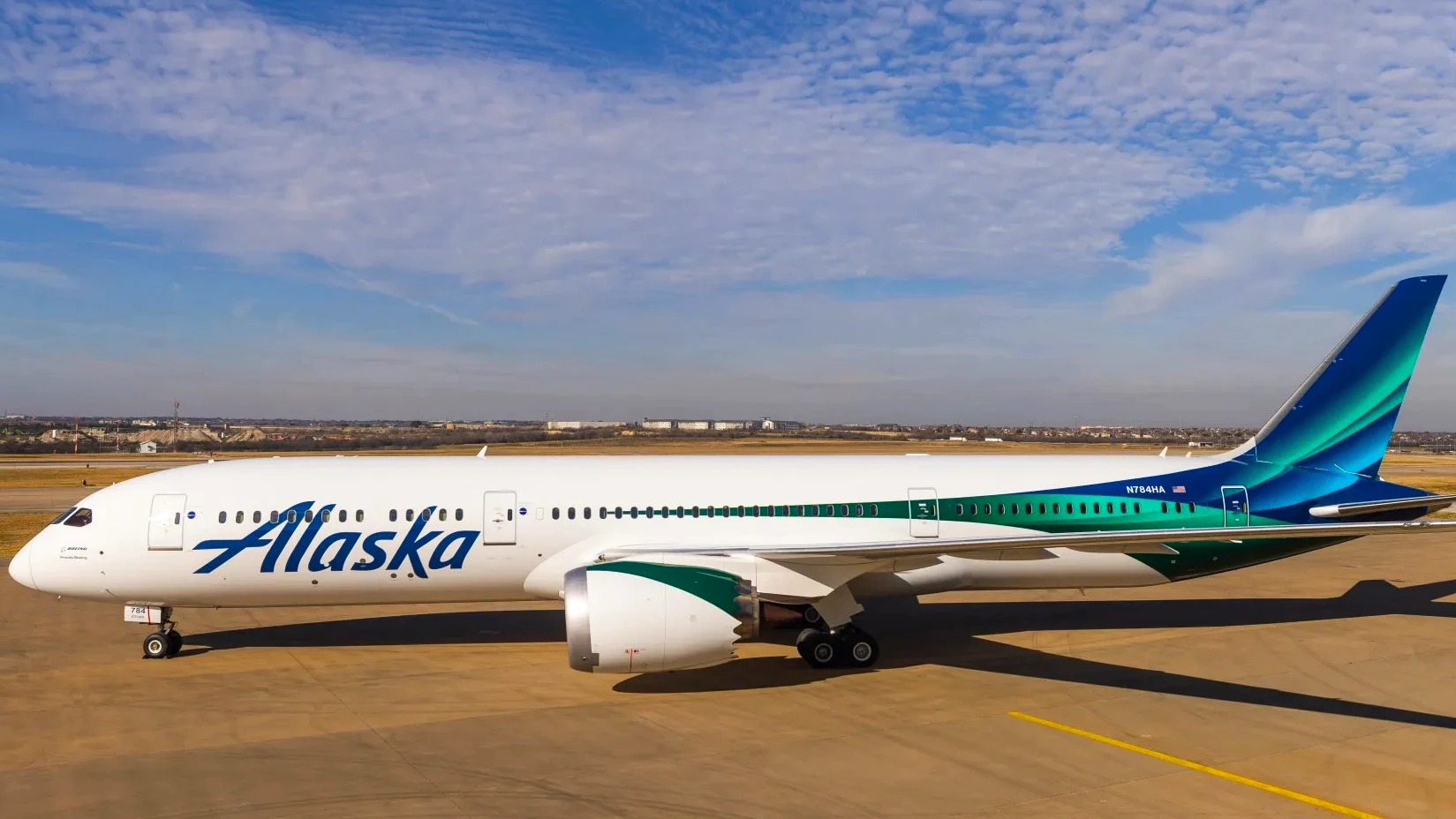
SEATTLE— A new commercial aircraft can carry a headline price tag approaching $400 million, but airlines rarely pay anything close to that amount.
The gap between published list prices and actual transaction values can run into hundreds of millions of dollars, particularly for large fleet orders.
Boeing and Airbus use list prices as reference points rather than fixed retail prices.
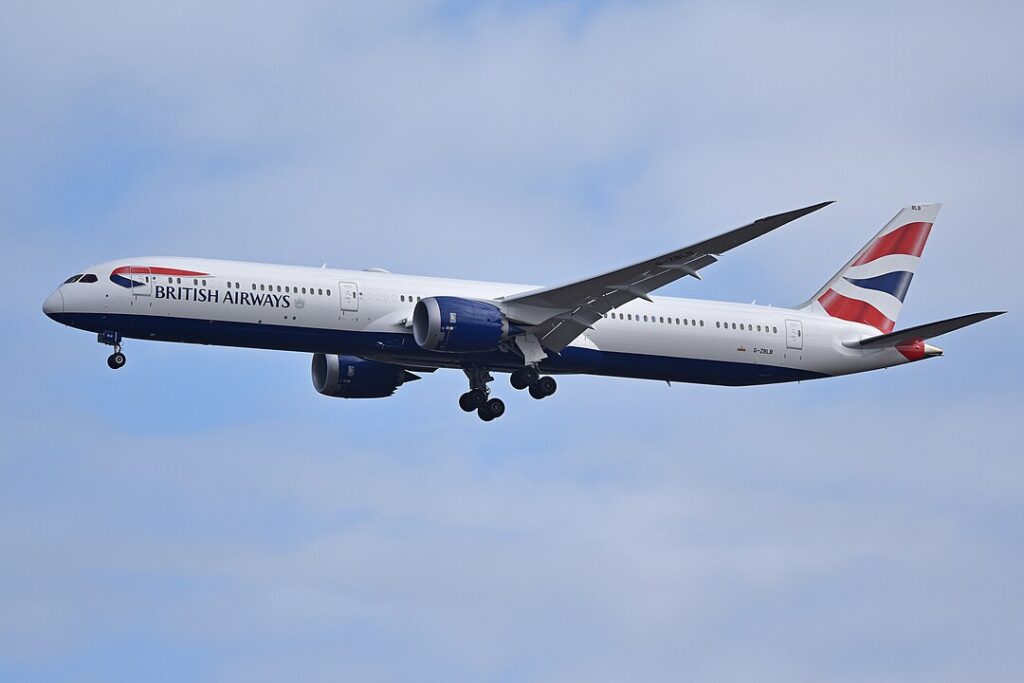
Recent deals show just how large the difference can be: International Airlines Group (IAG) cited a $397 million list price for each Boeing 787-10, while Philippine Airlines secured 15 aircraft in a deal estimated at about $3.4 billion after discounts, equivalent to roughly $227 million per aircraft if the full value is attributed to the 15 firm jets and not the five purchase rights.
Aircraft List Prices
The $397 million figure attached to the 787-10 is not simply the price of the airframe. IAG said its reference price includes the aircraft, engine and optional equipment, while also confirming that it negotiated a substantial discount from the published figure.
That distinction matters because aircraft orders are frequently announced using catalogue values.
A large order can therefore be described as being worth billions of dollars even though the airline’s actual contractual cost is considerably lower.
Boeing and Airbus have also moved away from regularly publishing current catalogue prices, making individual airline disclosures, regulatory filings and independent aircraft valuations increasingly important for understanding real market values.
Reuters has noted the continued use of catalogue prices in aircraft announcements despite the discounts normally negotiated by airlines.

Boeing 787 Costs
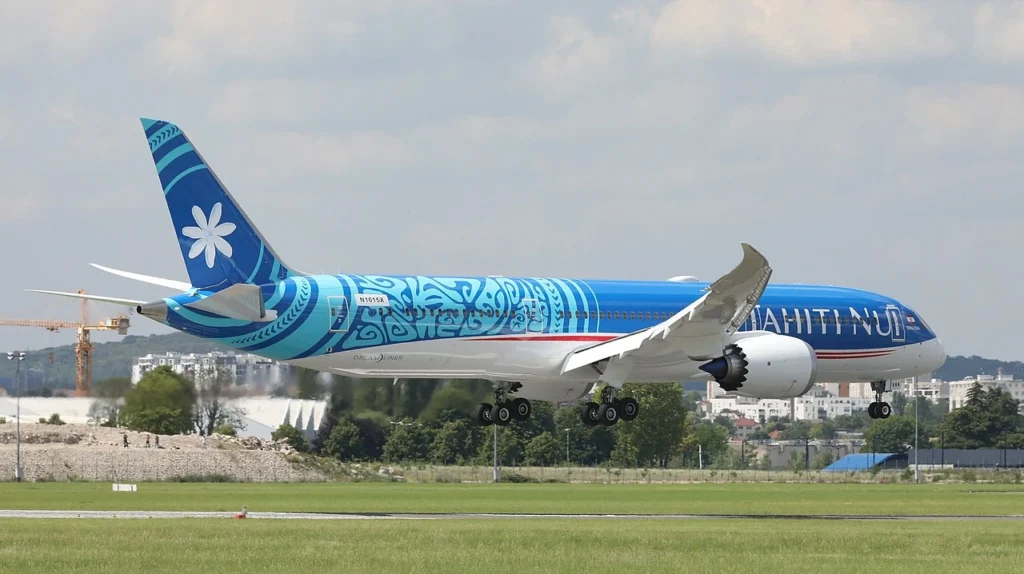
Recent 787 transactions provide a clearer picture of the economics. Philippine Airlines’ agreement for 15 Boeing 787-10s was estimated by IBA Group at approximately $3.4 billion after discounts, with deliveries scheduled to begin in 2031.
Independent valuation data points to even lower economic values for some aircraft. IBA estimated that a new Boeing 787-9 was worth around $160 million in the first quarter of 2026, while the larger 787-10 was valued at approximately $168 million.
An appraisal prepared for American Airlines in 2025 also placed three new 787-9 aircraft at between $151.2 million and $161.1 million each.
These figures represent appraised aircraft values rather than the prices American actually paid, but they illustrate the enormous gap between market value and catalogue pricing.
Airline Discounts Matter
The discount available to an airline depends on several factors, including order size, delivery positions, aircraft availability, and the manufacturer’s sales strategy.
A carrier ordering dozens of aircraft can have considerably more negotiating leverage than an airline seeking a small number of jets.
The aircraft market also includes situations where manufacturers or airlines have stronger reasons to accept a lower price. Unwanted aircraft that were originally intended for another customer can be particularly attractive to buyers prepared to take delivery quickly.
The Boeing 787 is therefore a useful example of why aircraft prices should never be judged from headlines alone.
A $397 million catalogue figure can coexist with aircraft values around $160 million to $170 million, demonstrating that the real economics of an airline fleet are determined behind closed doors through complex negotiations rather than sticker prices.
Stay tuned with us. Further, follow us on social media for the latest updates.
Join us on Telegram Group for the Latest Aviation Updates. Subsequently, follow us on Google News
