

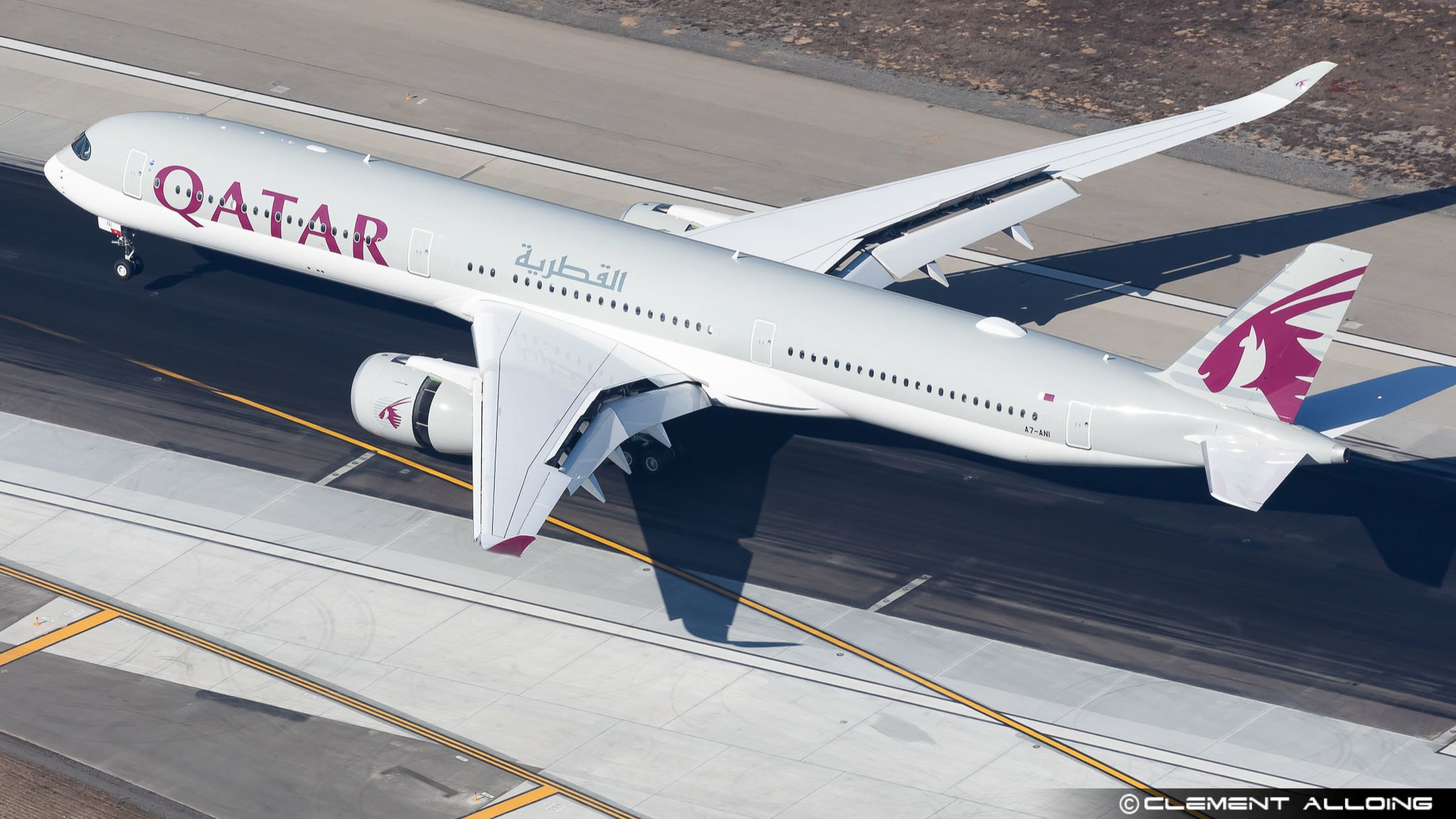
DOHA- Qatar Airways (QR) has described the Iran conflict as the biggest crisis in its more than 30-year history, as the disruption affects routes, capacity, fuel costs and passenger booking patterns.
Qatar Airways is restoring its route network while prioritizing profitable services and managing higher operating costs.
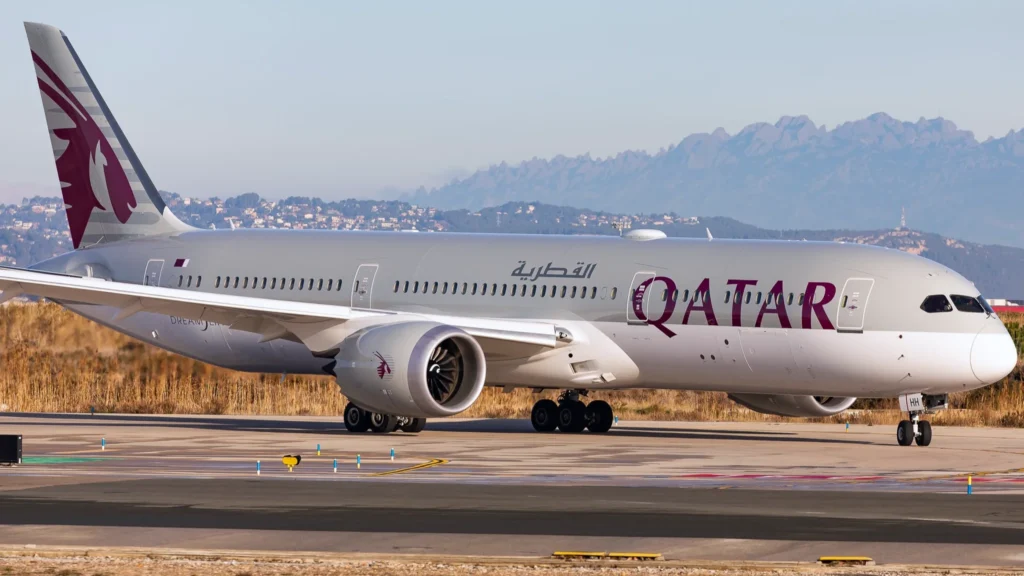
Qatar Airways Biggest Operational Challenge
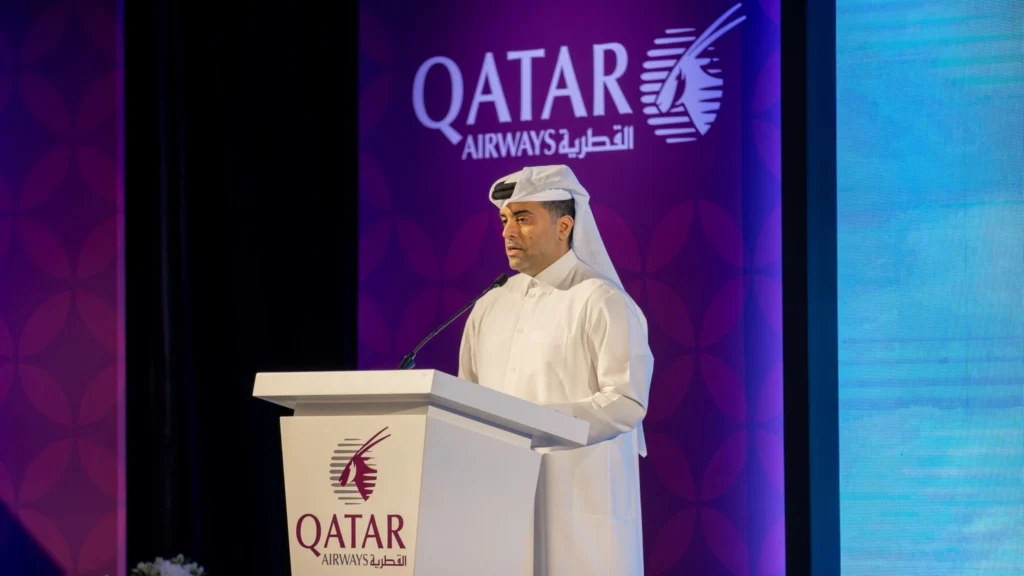
Qatar Airways Chief Executive Officer Hamad Al-Khater said the ongoing Iran conflict has created the largest crisis the airline has faced in more than 30 years of operation.
Speaking to Bloomberg TV ahead of the Qatar Economic Forum in New York on Sunday, Al-Khater described the disruption as the airline’s “single largest crisis in our history.” He also noted that geopolitics is an issue Qatar Airways deals with on a daily basis.
The conflict, which had reached its seventh month of intermittent exchanges of fire between the United States and Israel on one side and Iran on the other, has created major disruption across a key global aviation region.
The Middle East sits at a critical crossroads for international flight routes, making regional airspace restrictions especially disruptive for airlines and passengers.
Several countries across the Arabian Gulf temporarily closed their airspace during the conflict. The closures resulted in tens of thousands of flight cancellations and forced airlines to make rapid changes to schedules, aircraft deployment and network capacity.
Authorities in countries around the world also issued travel warnings. Those advisories contributed to a decline in tourist visits to the Middle East, adding further pressure to an already disrupted travel market.
As reported by Qatar Tribune, the disruption has affected both airlines operating in the region and passengers using the Middle East as a transit point for international travel.
Airlines Adjust Capacity as Costs Rise
The conflict has also changed passenger behaviour. Al-Khater said consumers have tended to book flights later than usual, making it more difficult for airlines to assess demand and plan capacity well in advance.
Higher fuel costs have added another challenge. For many airlines, rising fuel expenses have encouraged capacity reductions as carriers remove or suspend selected flights to conserve cash.
Qatar Airways is taking a profitability-focused approach to that challenge. Al-Khater said the airline is reviewing its routes to identify the most profitable services while suspending or pausing less profitable routes.
The strategy allows the airline to concentrate aircraft capacity on services that provide stronger financial returns rather than maintaining routes solely to preserve market share.
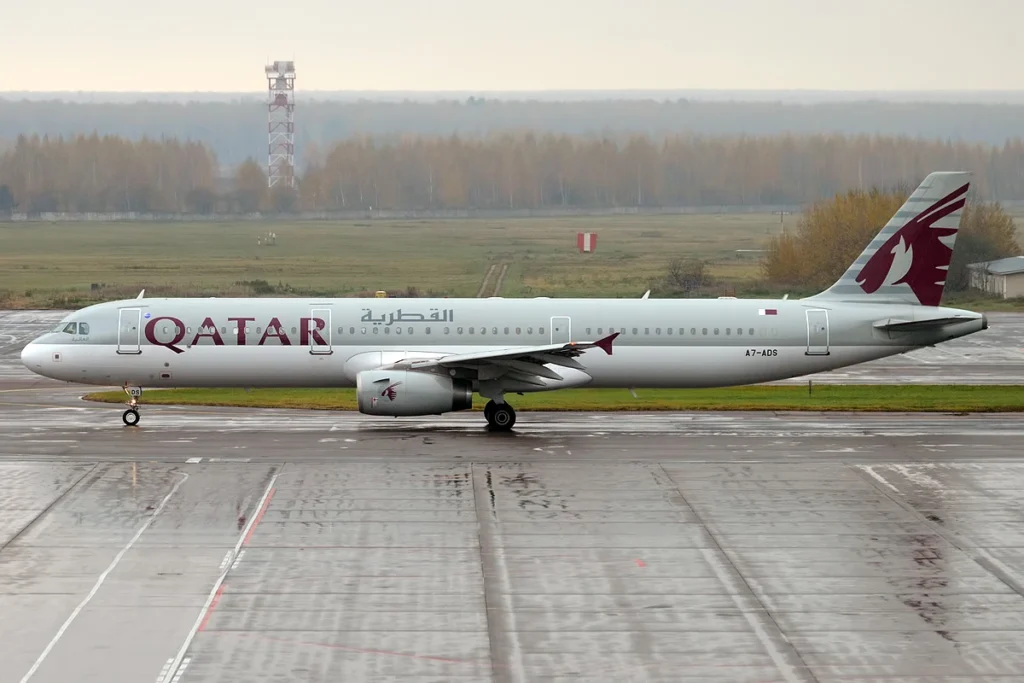
Passenger Demand Remains Strong
Despite the operational challenges, Al-Khater said demand remains “still pretty strong” as travel advisories begin to ease.
High load factors also indicate that available capacity continues to attract significant passenger demand. However, the overall number of travellers moving through the Middle East remains subdued compared with normal conditions.
The contrast between strong airline load factors and weaker regional transit volumes shows that demand has not disappeared, but travel patterns remain affected by the wider security environment.
Qatar Airways Restores Pre-Conflict Route Levels
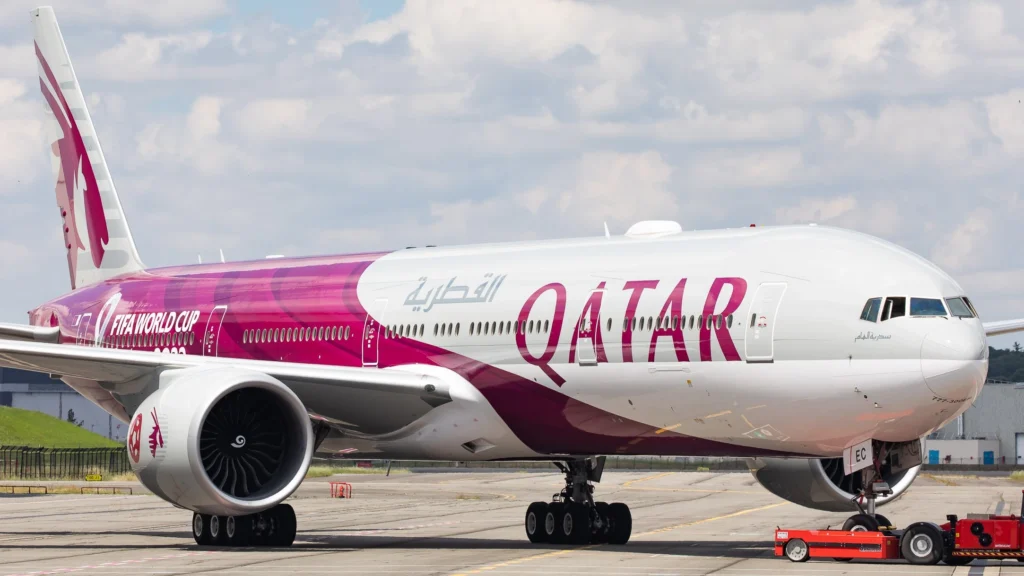
Qatar Airways announced last week that it had returned to the same number of routes it operated before the war. The restoration marked the first return to its pre-war route count since the disruption began.
Neighbouring Emirates has also said that it has restored nearly all of its network and capacity.
The restoration of routes reflects improving operating conditions as airspace restrictions ease. Airlines, however, still need to balance network recovery against fuel prices, passenger behaviour and the profitability of individual routes.
Fuel Prices Remain Major Concern
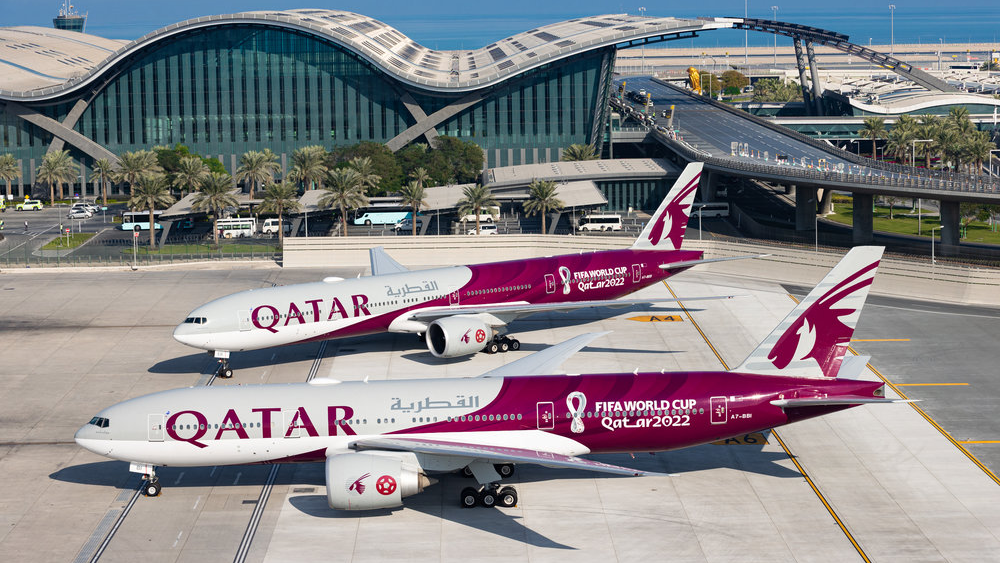
Al-Khater also addressed the effect of higher fuel prices on Gulf airlines. He echoed comments from the chief executive of Abu Dhabi-based Etihad Airways about passing higher fuel costs on to customers.
The industry’s focus, he said, is increasingly on capacity rather than market share. That approach reflects the need to manage rising costs while preserving financially sustainable operations.
A global oversupply of crude oil at the beginning of the year helped Qatar offset part of the impact of higher jet fuel prices. Even with that support, Al-Khater said fuel remained an issue that airlines were closely monitoring.
Fuel is one of the largest variable costs for airlines, making changes in energy prices an important factor in ticket pricing, route decisions and capacity planning.
What Crisis Means for Qatar Airways
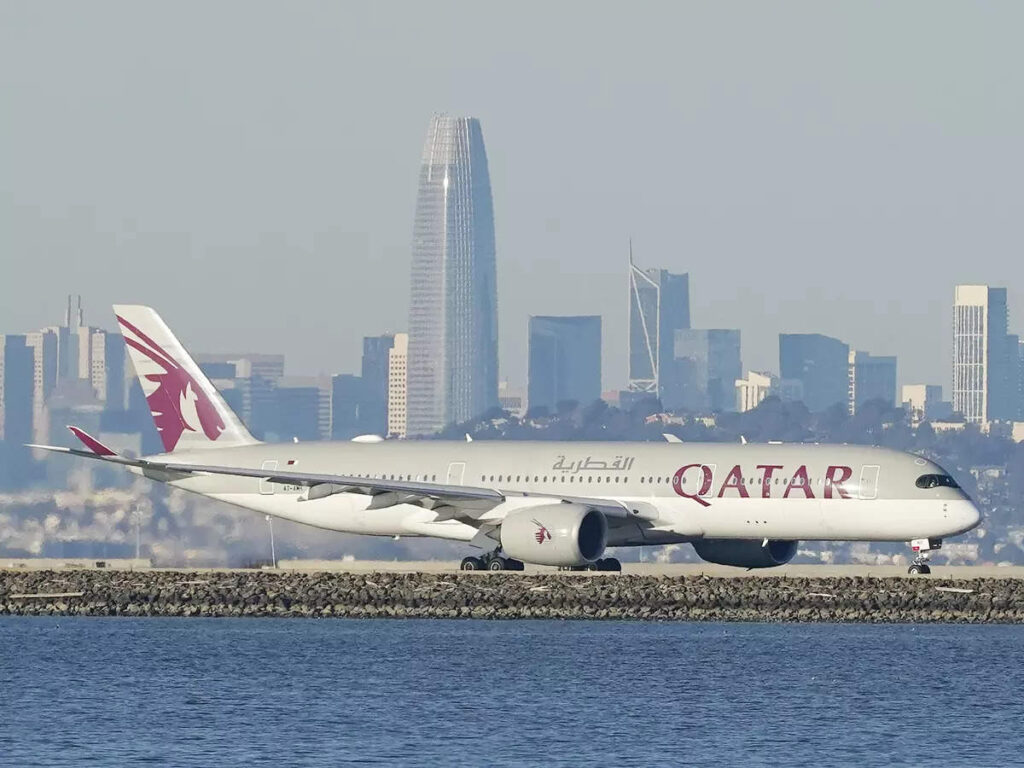
The Iran conflict has affected Qatar Airways across several areas at the same time, including airspace access, flight schedules, passenger booking behaviour, fuel expenses and route profitability.
The airline has responded by suspending weaker routes, protecting cash flow, monitoring fuel costs and restoring services as operating conditions improve.
Its return to the same number of routes as before the conflict marks an important stage in the network recovery.
For Qatar Airways, the immediate challenge remains balancing renewed demand with the continuing financial and operational pressures created by prolonged regional disruption.
Stay tuned with us. Further, follow us on social media for the latest updates.
Join us on Telegram Group for the Latest Aviation Updates. Subsequently, follow us on Google News
