

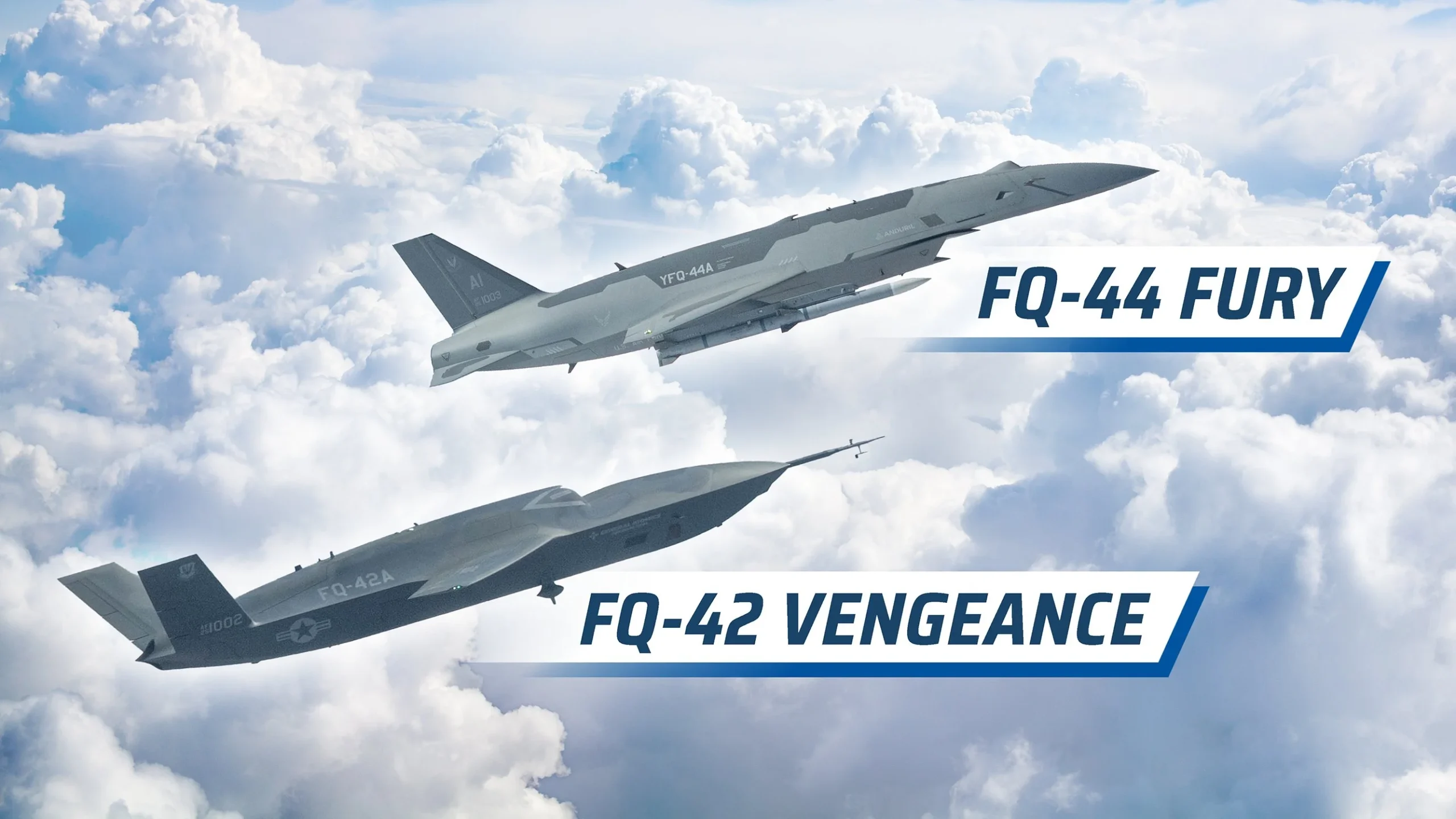
ARLINGTON- The US Air Force (USAF) plans to field at least 500 Collaborative Combat Aircraft (CCA) by 2032. The service also wants 500 Massed Modular Aircraft (MMA) by the same year.
The expanded targets would significantly increase the Air Force’s uncrewed combat capacity, with CCAs supporting manned fighters and MMAs taking on many strike and intelligence, surveillance, and reconnaissance (ISR) missions now performed by MQ-9 Reapers.
USAF Expands Its Combat Drone Plans
The US Air Force now aims to have at least 500 CCAs in service by 2032, a major increase from its recent plan to procure more than 150 combat-capable CCAs by the end of the decade.
Secretary of the Air Force Troy Meink announced the updated CCA target during his keynote speech at the Air & Space Forces Association’s 2026 Air, Space & Cyber Conference.
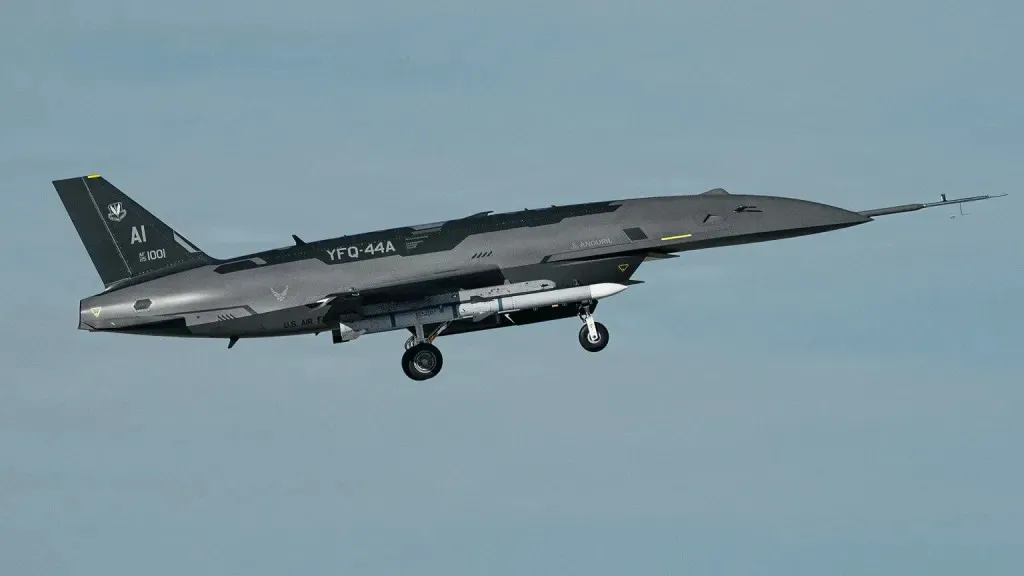
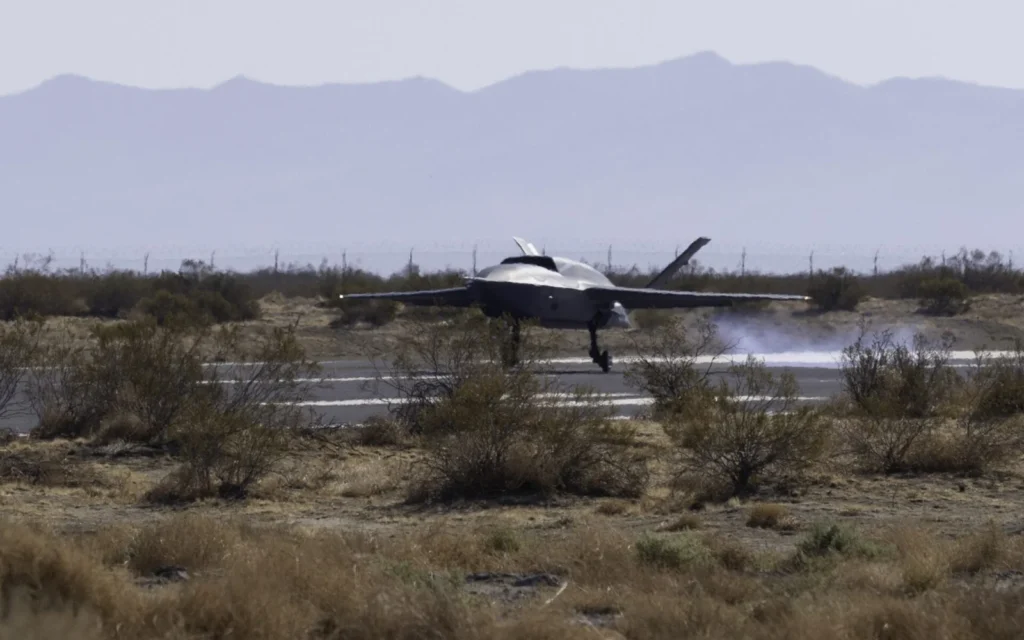
Meink also announced that the first CCA designs now have official nicknames. General Atomics’ FQ-42 is Vengeance, while Anduril’s FQ-44 is Fury. General Atomics had previously called its design Dark Merlin.
The Air Force announced in June that both aircraft had been ordered into production.
The Air Force’s CCA force structure has changed several times in recent years.
In 2023, then-Secretary of the Air Force Frank Kendall outlined plans to acquire at least 1,000 CCAs, and potentially more, over the life of the program. The service later focused on an initial fleet of about 100 to 150 aircraft.
In June, Meink said the production contracts reaffirmed the Air Force’s plan to procure more than 150 combat-capable CCAs by the end of the decade.
The new target of at least 500 aircraft by 2032 is therefore a substantial increase over that recently stated objective.
FQ-42 and FQ-44 Lead Increment 1
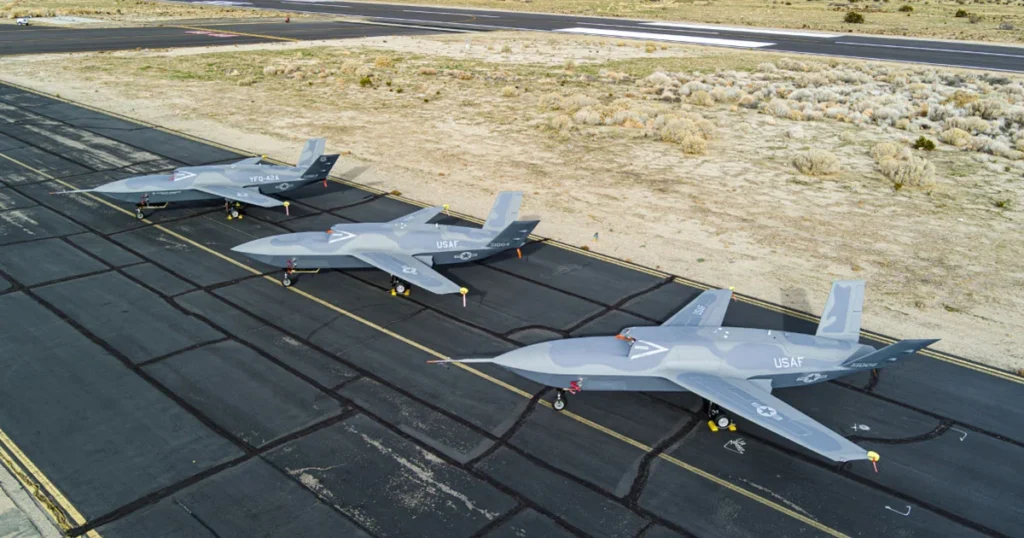
The FQ-42 and FQ-44 are being acquired under Increment 1 of the CCA program.
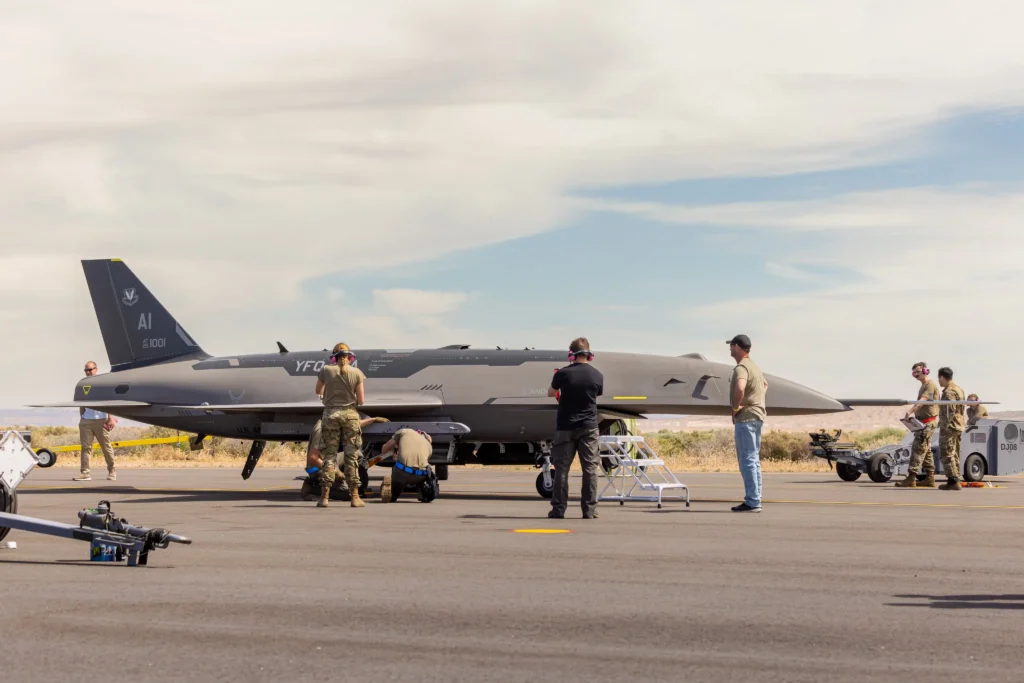
Meink said the first FQ-42 and FQ-44 increments were already rolling off the assembly line and would perform many of the same missions currently conducted by manned fighters.
At least one additional CCA increment is planned and could introduce one or more additional aircraft types.
It is not immediately clear whether Increment 2 aircraft are included in the latest 500-aircraft target, but that is possible.
Meink also said the Air Force could build more than 500 CCAs. He said the program was designed from the beginning around simple aircraft that could be produced quickly and at lower cost.
The Air Force has previously targeted a CCA price of about $20 million per aircraft once full-rate production begins. Current unit costs for the FQ-42 and FQ-44 have not been publicly established.
CCA Operations Are Still Being Developed
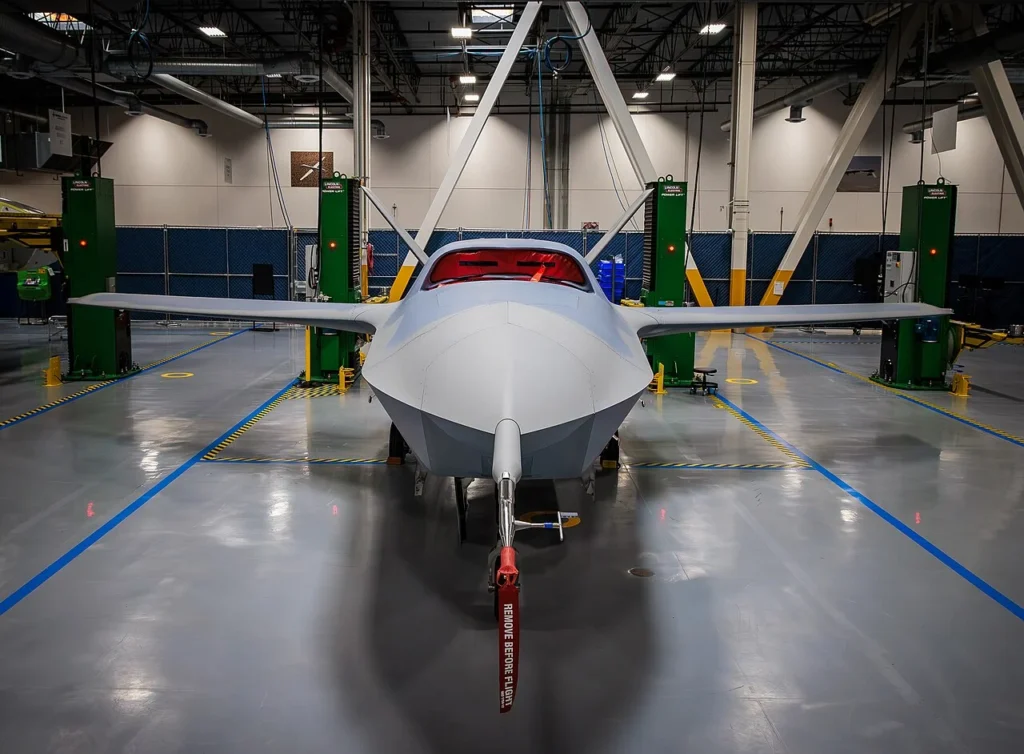
The Air Force is still determining how future CCAs will be deployed, launched, recovered, supported, and operated, as well as how they will be employed tactically.
A dedicated Experimental Operations Unit (EOU) is leading this work.
The EOU supported testing of FQ-42 and FQ-44 prototypes at Edwards Air Force Base in California in April. It later led another significant operational testing effort at Creech Air Force Base in Nevada in July.
The testing is intended to help operational units gain familiarity with the aircraft and build confidence in their use.
The Air Force considers future CCA fleets essential to generating the combat capacity needed for highly contested conflicts, including a potential high-end fight against a near-peer adversary such as China.
The service has said CCAs will help change how it projects power and generates mass in contested environments.
Their expected lower cost and autonomous operation are intended to allow the Air Force to field larger numbers of combat aircraft while complementing manned fighters.
MMA Fleet Also Targets 500 by 2032
The Air Force now plans to field 100 MMAs in 2029 and 500 by 2032.
This is also a significant increase from the previously disclosed target of at least 180 aircraft.
The MMA program is intended to produce affordable, attritable drones capable of carrying out the broad strike and ISR missions currently performed by MQ-9A Reapers.
The Air Force expects MMA aircraft to cost approximately $10 million each, below the expected cost of a CCA and far below that of manned combat aircraft.

Epic Fury Reinforced MMA Requirement
Meink pointed to Epic Fury, the major combat operation against Iran earlier in 2026, as evidence of the continuing importance of ISR and strike platforms.
He specifically cited the use of MQ-9s and ULTRA aircraft and said the MMA program is building on lessons from those operations.
The objective is to provide affordable, attritable, long-range strike and ISR capability that can be fielded at scale.
Gen. Ken Wilsbach, the Air Force Chief of Staff, separately said MMA is intended to deliver the capabilities combat commanders need by moving quickly, investing in new technology, and getting it to warfighters.
MQ-9 Losses Drive the Search for a Successor
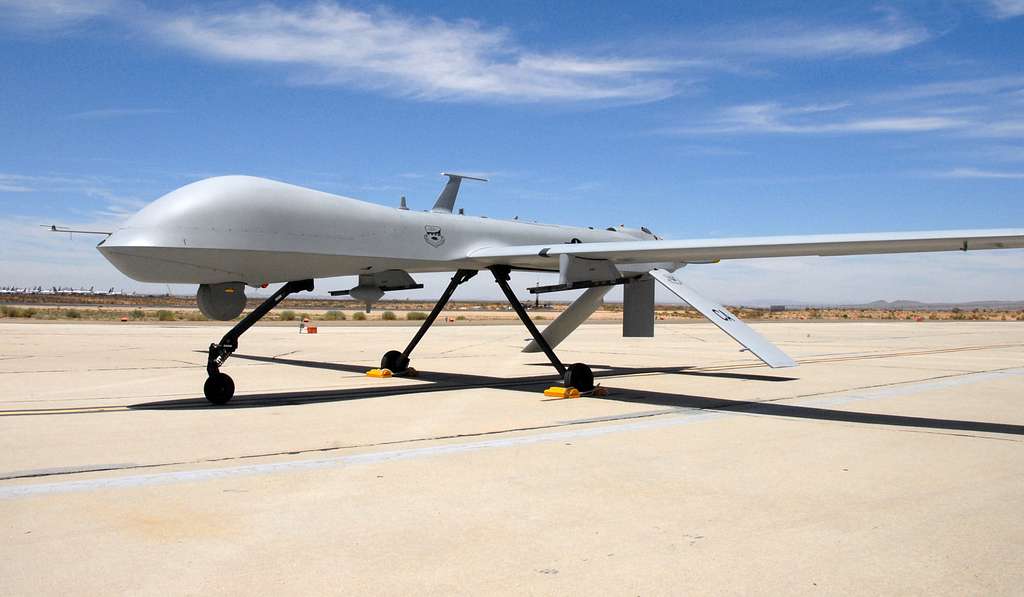
As of May, the Air Force had 135 MQ-9s remaining in inventory, with additional losses reported since then.
MQ-9 losses, combined with significant attrition and deliberate divestments in recent years, are key drivers behind the MMA program.
The new aircraft are intended to provide a replacement for the Reaper’s broad strike and ISR role while allowing the Air Force to field the capability at much greater scale.
General Atomics has already proposed Wildfire as a potential MQ-9 successor. Other companies are also preparing proposals for the MMA requirement.
Different Air Force by 2032
If the Air Force achieves its latest targets, it would field at least 500 CCAs and 500 MMAs by 2032.
The two programs are designed for different roles. CCAs are intended to operate with manned fighters and perform many related combat missions. MMAs are intended to provide lower-cost, attritable strike and ISR capacity.
Together, the programs would give the Air Force a substantially larger uncrewed combat fleet and mark a significant shift in how the service plans to generate combat mass for future conflicts.
Stay tuned with us. Further, follow us on social media for the latest updates.
Join us on Telegram Group for the Latest Aviation Updates. Subsequently, follow us on Google News
