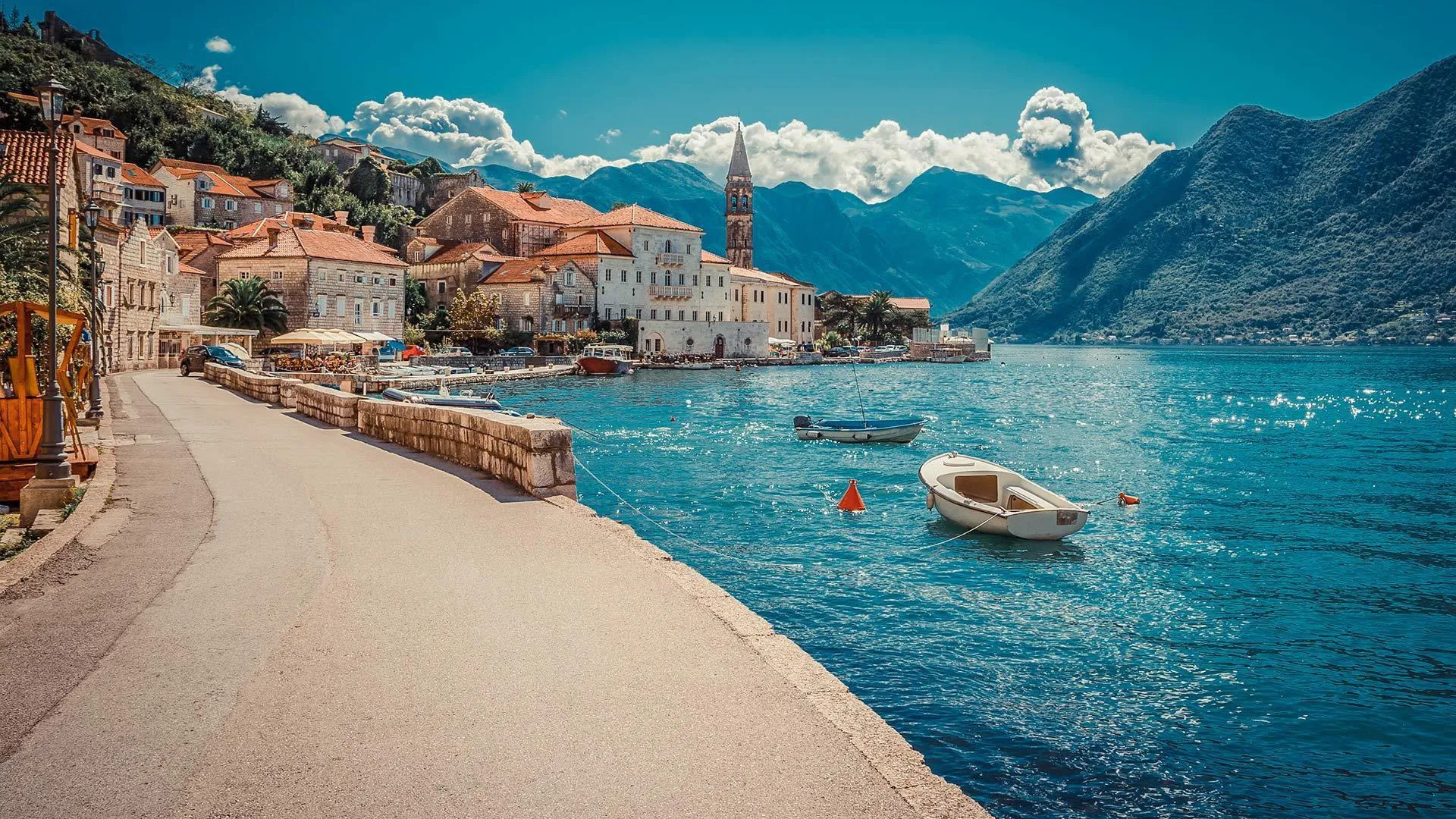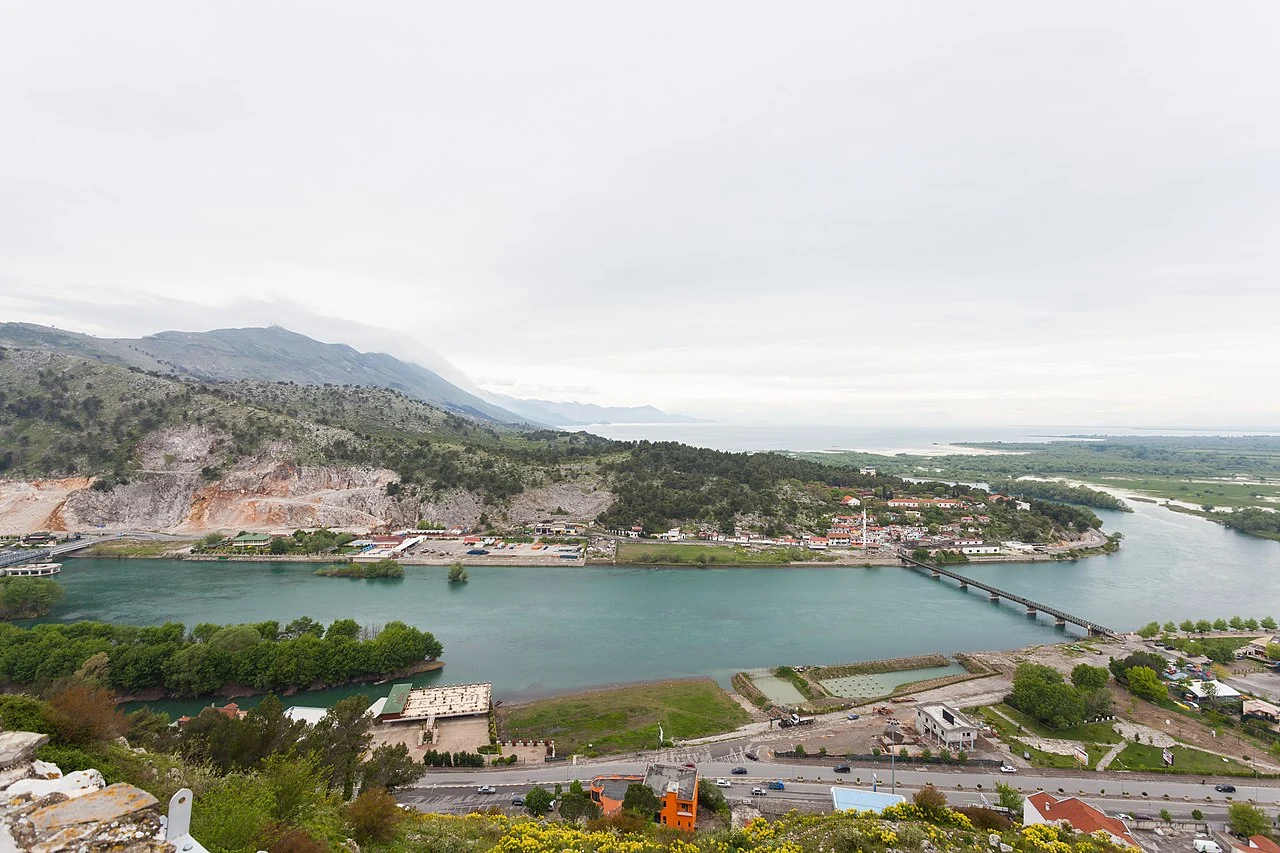
UNESCO has expanded its global network of biosphere reserves with new designations spanning multiple continents, highlighting regions committed to balancing environmental protection with sustainable development.
The latest additions reflect diverse landscapes, ecosystems, and communities working together to safeguard natural heritage.
Among the newly recognized locations, one destination stands out above all others: Québec City, T+L reported
The historic Canadian city has become the world’s first UNESCO Biosphere Reserve City, marking a major milestone in the relationship between urban development and environmental conservation.
Its designation recognizes how a modern urban center can integrate ecological restoration, biodiversity protection, and climate resilience into its long-term strategy.
To understand the significance of this achievement, here are ten newly designated biosphere reserves that showcase how communities and nature can thrive together while serving as models for sustainable living and environmental stewardship worldwide.
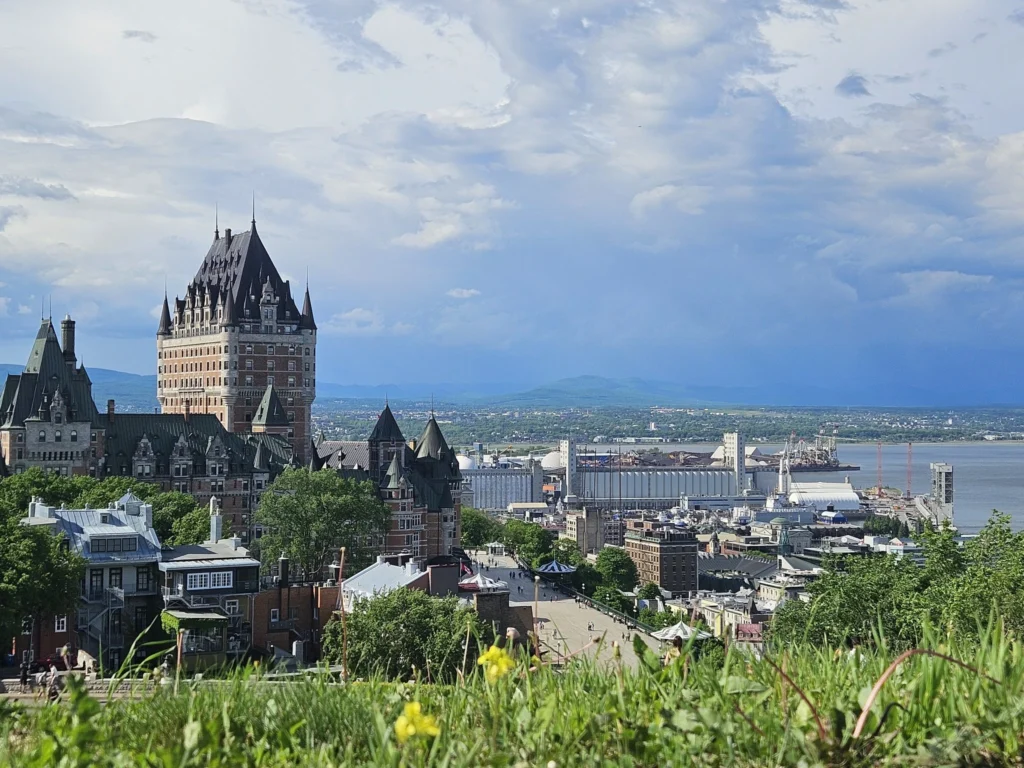
1. Québec City, Canada
Québec City made history by becoming the first entire city ever recognized as a UNESCO Biosphere Reserve. Surrounded by forests, wetlands, rivers, and lakes, the city demonstrates how urban areas can coexist with healthy ecosystems.
The St. Lawrence River plays a crucial role in supporting biodiversity while also serving as an economic and cultural lifeline.
Beyond its environmental credentials, Québec City is known for its centuries-old architecture, vibrant culture, and strong commitment to sustainability.
UNESCO highlighted the city’s efforts in ecological restoration, climate adaptation, and wetland protection. Its designation could serve as a blueprint for cities worldwide seeking a balance between growth and conservation.
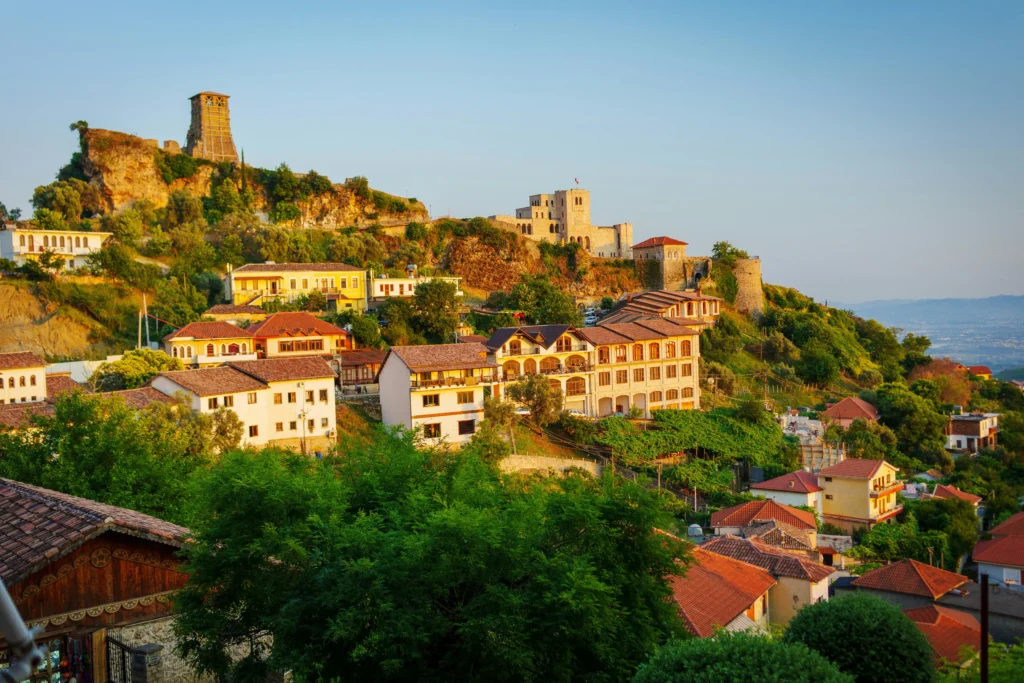
2. Shkodër Lake, Albania
Located around one of the Balkans’ largest freshwater lakes, Shkodër Lake is a critical habitat for numerous bird species and aquatic life. The region supports both biodiversity and local livelihoods through sustainable fishing and agriculture.
Its wetlands act as natural water filters and provide shelter for migratory birds traveling between Europe and Africa. UNESCO’s recognition brings greater attention to protecting this valuable ecosystem while supporting community-led conservation efforts.
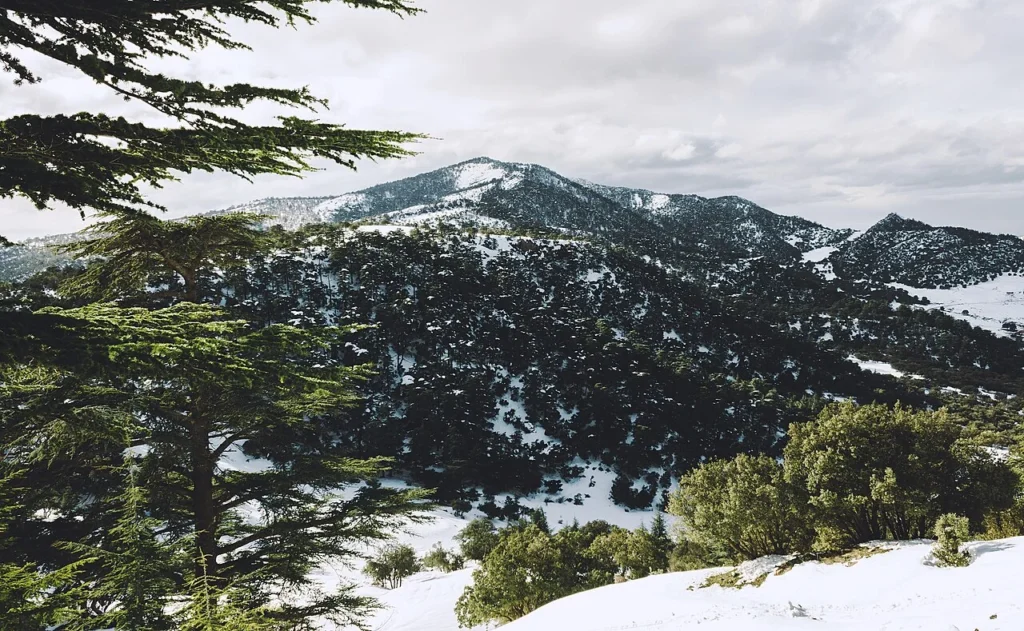
3. Theniet El Had, Algeria
Theniet El Had region is renowned for its dramatic mountain landscapes and extensive cedar forests, among the most important woodland ecosystems in northern Algeria.
These forests provide vital wildlife habitats, support biodiversity, and maintain ecological balance, while the area’s natural beauty also attracts recreation and nature-based tourism.
The biosphere reserve status highlights efforts to preserve natural resources, promote sustainable tourism and environmental education, and strengthen protection of native species.
It also encourages research, community involvement, and conservation strategies to keep ecosystems resilient against climate change.
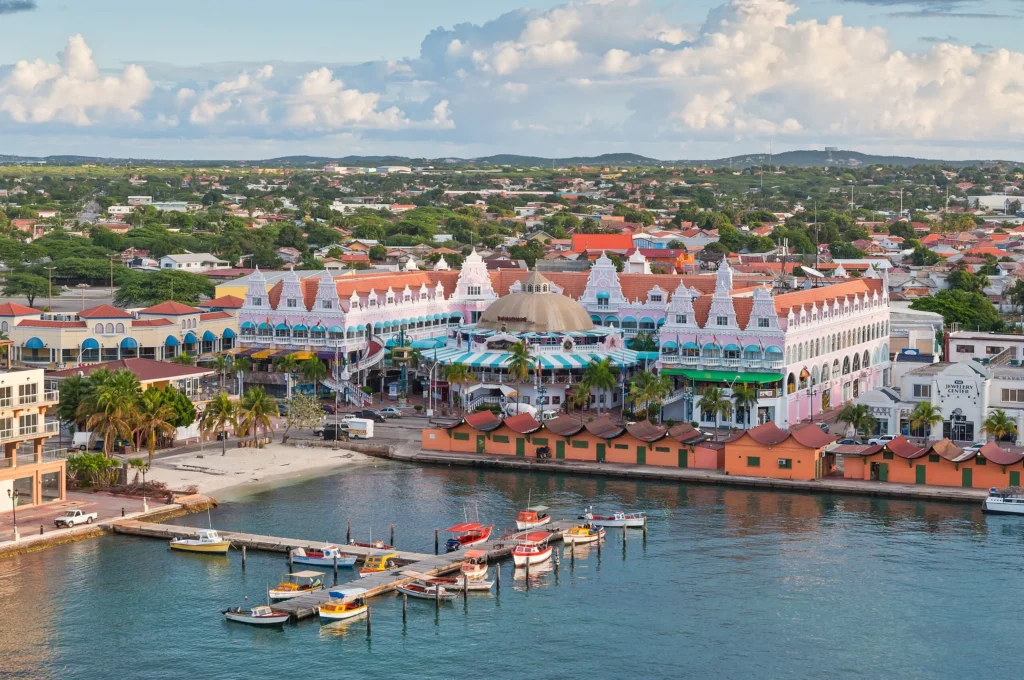
4. Aruba Island, Aruba
Aruba has become one of the newest additions to UNESCO’s biosphere reserve network. While famous for its beaches and tourism industry, the island also contains unique desert-like ecosystems and important marine habitats.
The designation recognizes local initiatives focused on protecting biodiversity, conserving water resources, and promoting environmentally responsible development.
Aruba’s inclusion demonstrates that small island communities can play a significant role in global conservation efforts.
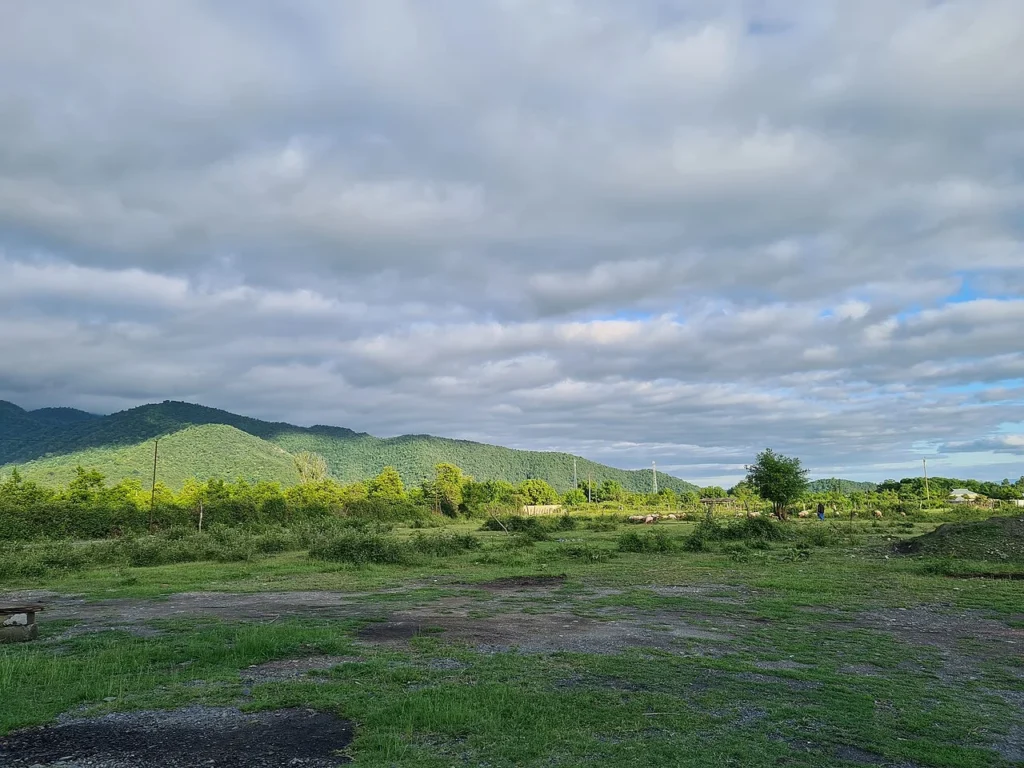
5. Great Caucasus, Azerbaijan
Stretching across dramatic mountain landscapes, the Great Caucasus biosphere reserve contains a rich mix of forests, alpine meadows, and wildlife habitats. The region supports numerous species that depend on relatively undisturbed ecosystems.
UNESCO’s recognition underscores the importance of preserving these mountain environments while creating opportunities for sustainable economic development through ecotourism and conservation programs.
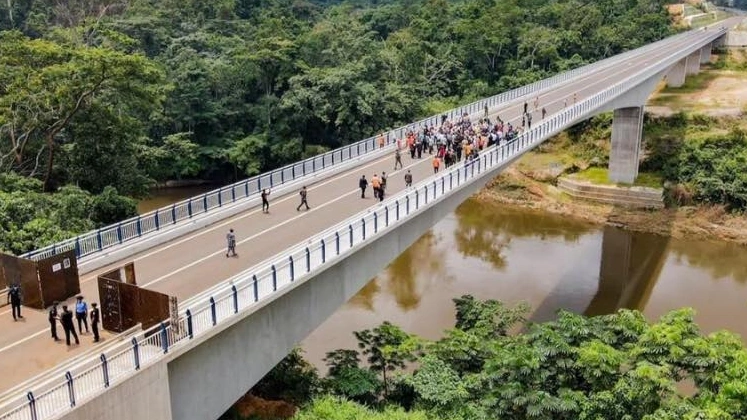
6. Takamanda–Cross River, Cameroon
This transboundary ecosystem is one of Central Africa’s most biologically diverse regions. Dense forests support endangered species, including rare primates and other wildlife found nowhere else.
The biosphere reserve designation strengthens international cooperation in protecting habitats while helping local communities develop sustainable ways of managing natural resources. It represents an important step in safeguarding one of Africa’s ecological treasures.
7. Dalankuh-Qamishlou, Iran
Iran’s newly recognized biosphere reserve combines grasslands, wetlands, and wildlife-rich landscapes. The area provides essential habitats for numerous bird species and native mammals.
Its inclusion in UNESCO’s network reflects growing efforts to conserve biodiversity while supporting scientific research and sustainable land management practices. The reserve serves as a valuable example of balancing environmental protection with community needs.
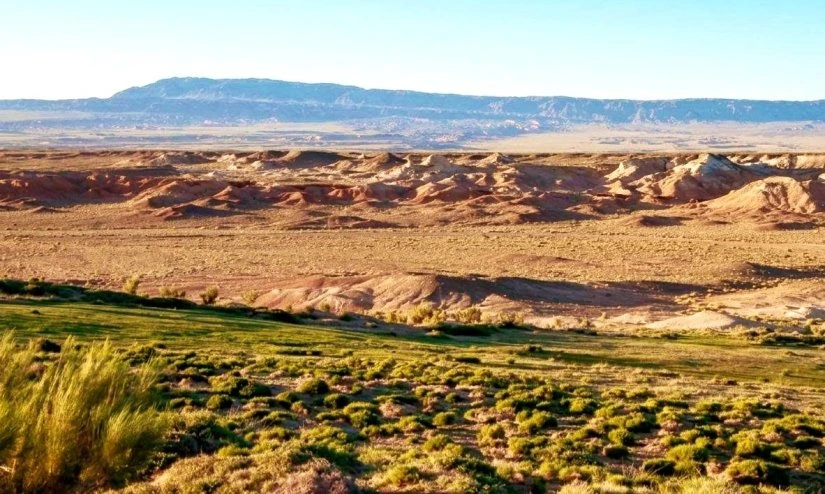
8. Tost Toson Bumbin Nuruu, Mongolia
Located in Mongolia’s vast southern landscapes, this reserve is known for its rugged mountains and desert ecosystems. It plays a crucial role in protecting endangered wildlife, including snow leopards and other species adapted to harsh environments.
The designation reinforces conservation initiatives already underway and highlights Mongolia’s commitment to preserving its unique natural heritage for future generations.
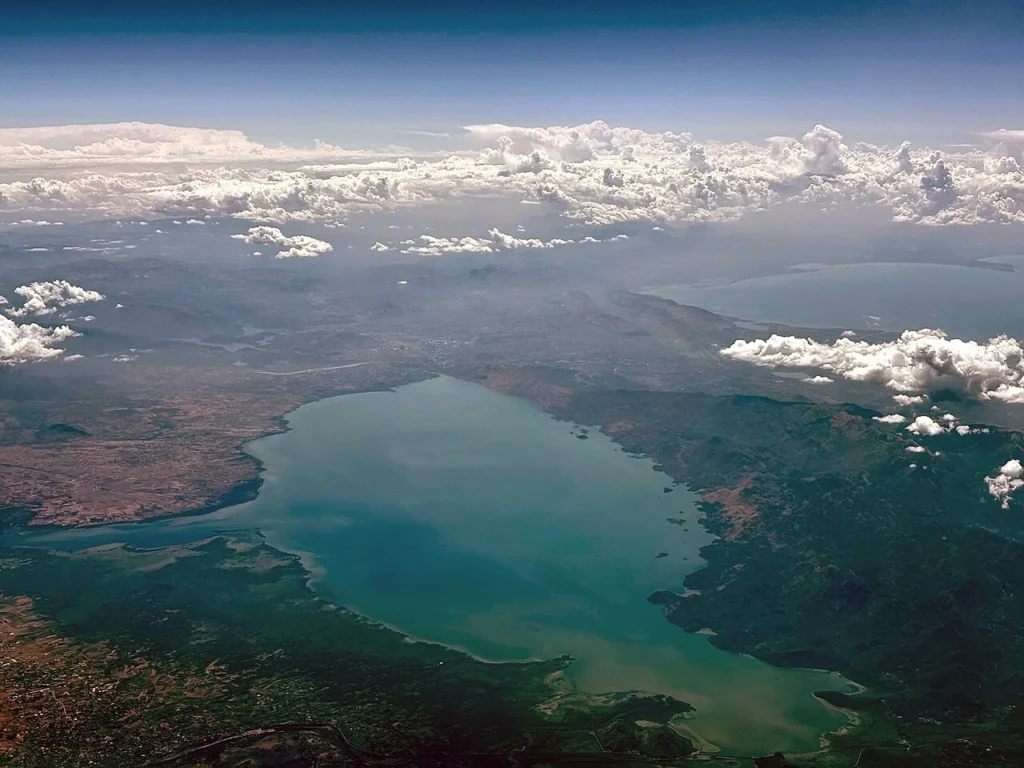
9. Skader Lake Watershed, Montenegro
Montenegro joined UNESCO’s biosphere reserve network for the first time with the inclusion of the Skader Lake Watershed. The area contains diverse wetlands, forests, and freshwater ecosystems that support abundant wildlife.
As a key environmental asset for the region, the watershed contributes to biodiversity conservation while offering opportunities for sustainable tourism and scientific study.
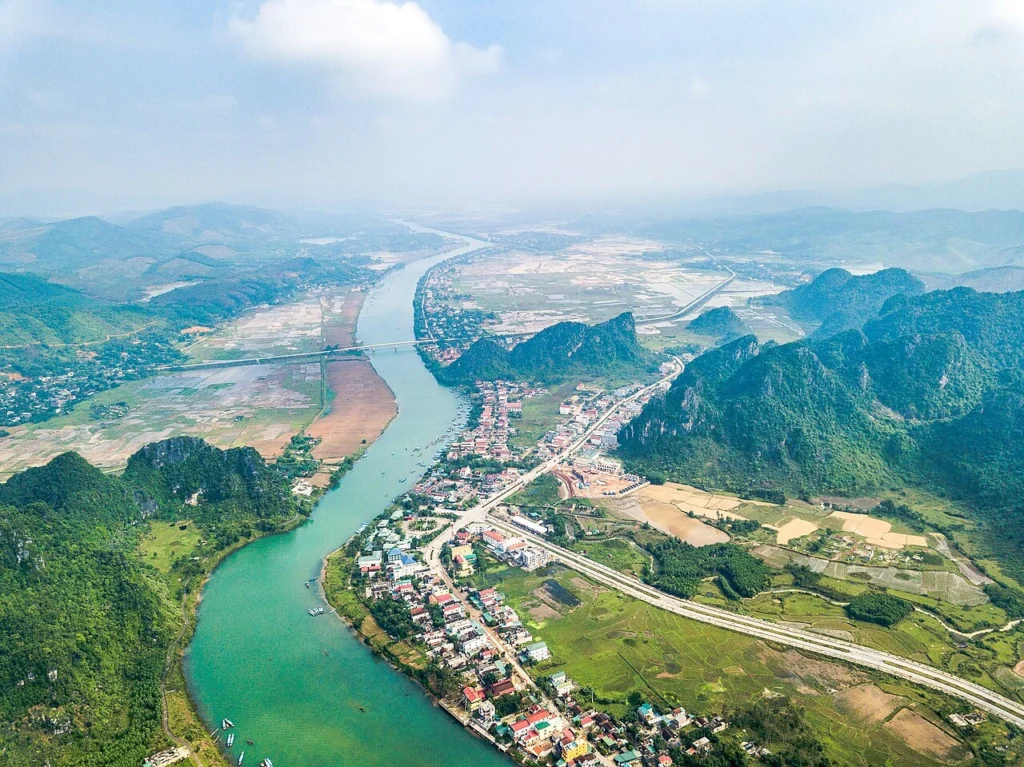
10. Phong Nha–Ke Bang, Vietnam
Already recognized internationally for its spectacular cave systems, Phong Nha–Ke Bang has now gained additional recognition as a UNESCO biosphere reserve.
The region features towering limestone mountains, dense tropical forests, underground rivers, and exceptional biodiversity supporting a wide variety of plant and animal species.
Its designation highlights the importance of protecting geological wonders and surrounding ecosystems. Sustainable tourism initiatives are expected to play an important role in preserving the area’s natural value while supporting local communities.
The recognition also encourages continued conservation efforts, scientific research, environmental education programs, and responsible visitor management to ensure the region’s unique natural heritage remains protected for generations to come .
Why These Designations Matter
UNESCO biosphere reserves function as living laboratories where environmental conservation, scientific research, and sustainable development come together.
The latest additions strengthen a global network dedicated to protecting biodiversity while improving quality of life for local populations.
Among them, Québec City’s groundbreaking recognition as the world’s first Biosphere Reserve City may prove especially influential. As urban populations continue to grow, its example demonstrates that cities can become leaders in conservation rather than obstacles to it.
Stay tuned with us. Further, follow us on social media for the latest updates.
Join us on Telegram Group for the Latest Aviation Updates. Subsequently, follow us on Google News