

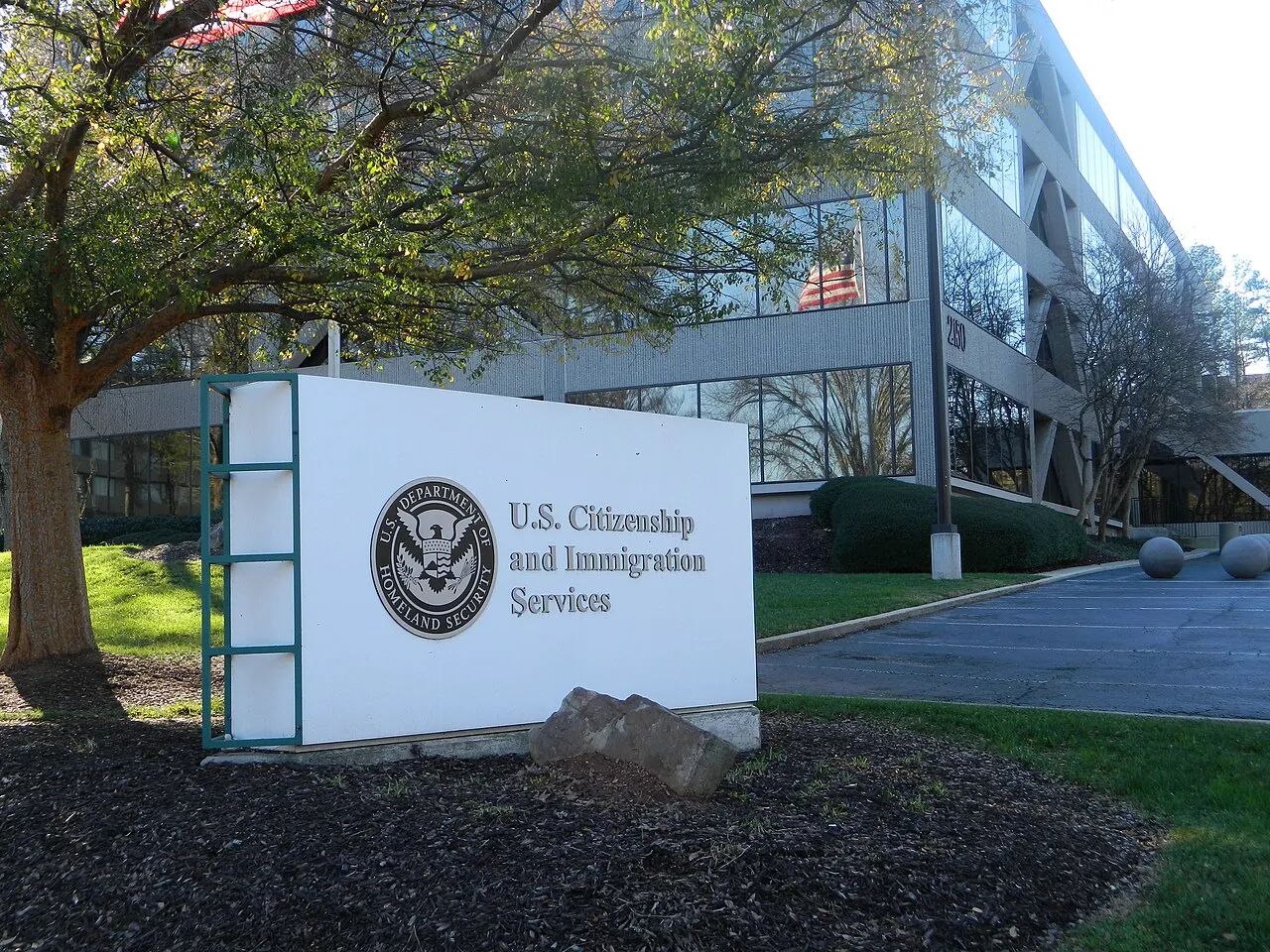
WASHINGTON, D.C.- The U.S. Department of Homeland Security has proposed removing the 60-day grace period that allows certain foreign workers to remain in the United States after their employment ends.
The proposal would affect H-1B workers and several other temporary employment visa holders, potentially forcing them to leave the country when their qualifying employment or activity ends unless another legal basis allows them to stay.
The proposed rule would reverse a policy introduced in 2017 and reconnect immigration status more directly with the employment that supports the visa classification.
The change could affect foreign professionals working across major industries, including technology, consulting, engineering and other specialized fields, while giving employers less time to manage job changes involving visa holders.
H-1B Grace Period Changes Under New Proposal
Under current rules, eligible H-1B workers can receive up to 60 days after losing qualifying employment to find another employer, pursue a new immigration option or prepare to leave the United States.
DHS now wants to remove that flexibility and generally require affected workers to depart once they stop performing the employment or activity that supports their status.
The proposal also covers E-1, E-2, E-3, H-1B1, L-1, O-1 and TN classifications, along with eligible dependents. H-1B1 visas cover skilled workers from Singapore and Chile, while E-3 visas apply to specialty occupation workers from Australia.
The Federal Register notice states that DHS wants to restore a direct connection between employment and nonimmigrant status.
It also argues that eliminating the grace period would reduce administrative work for U.S. Citizenship and Immigration Services and make the rules more closely reflect existing statutory requirements.
Impact On US Employers Under Proposed Visa Changes
The proposal could create tighter deadlines for companies that employ foreign professionals, particularly when businesses conduct layoffs or reorganize their workforce.
Immigration lawyers have warned that human resources departments could have far less time to coordinate departures, new petitions and employment transitions.
H-1B workers remain particularly important to U.S. technology companies because the program allows employers to recruit foreign professionals for specialized positions.
Major consulting and technology outsourcing companies, including Deloitte, PwC, Ernst & Young, Tata Consultancy Services, Infosys, HCLTech and LTIMindtree, have historically been among significant H-1B sponsors, NDTV reported.
DHS, however, says employers could offer affected positions to qualified U.S. workers or use the I-129 petition process when they need to retain foreign talent.
In some cases, workers who leave the United States could later return if an employer successfully files a new petition on their behalf.
Rule Still Under Review Before Final Federal Approval
The proposed change does not take effect immediately. DHS has opened a public comment process, giving interested parties an opportunity to respond before the department decides whether to issue a final rule.
The proposal forms part of the Trump administration’s broader effort to tighten legal immigration rules.
The administration has also pursued major changes involving H-1B fees, applicant screening and other employment-based immigration procedures.
If finalized, the removal of the 60-day grace period would represent a significant change for foreign workers who currently rely on that period to secure new employment or arrange their departure.
Companies employing visa holders would also need to adjust their workforce planning and immigration procedures to account for the shorter transition window.
Stay tuned with us. Further, follow us on social media for the latest updates.
Join us on Telegram Group for the Latest Aviation Updates. Subsequently, follow us on Google News
