

South America’s aviation sector has developed rapidly over the last decade, with regional airports playing an increasingly important role in tourism, domestic travel, and business connectivity.
While mega hubs such as São Paulo Guarulhos, Bogotá El Dorado, and Santiago dominate long-haul international traffic, many smaller regional airports across the continent are now gaining global recognition for efficiency, passenger comfort, and improved infrastructure.
Regional airports are especially important in South America due to the continent’s huge geographical diversity. From the Andes and Amazon rainforest to coastal tourism cities and remote high-altitude destinations, air travel remains essential for millions of passengers every year.
The 2026 Skytrax rankings highlight airports that deliver strong customer service, smooth passenger processing, modern facilities, and convenient travel experiences. Ecuador performs particularly well this year, while Colombia and Brazil also feature strongly across the rankings.
Top 10 Best Regional Airports in South America in 2026
Here are the Top 10 Best Regional Airports in South America in 2026.

1. Quito Mariscal Sucre International Airport
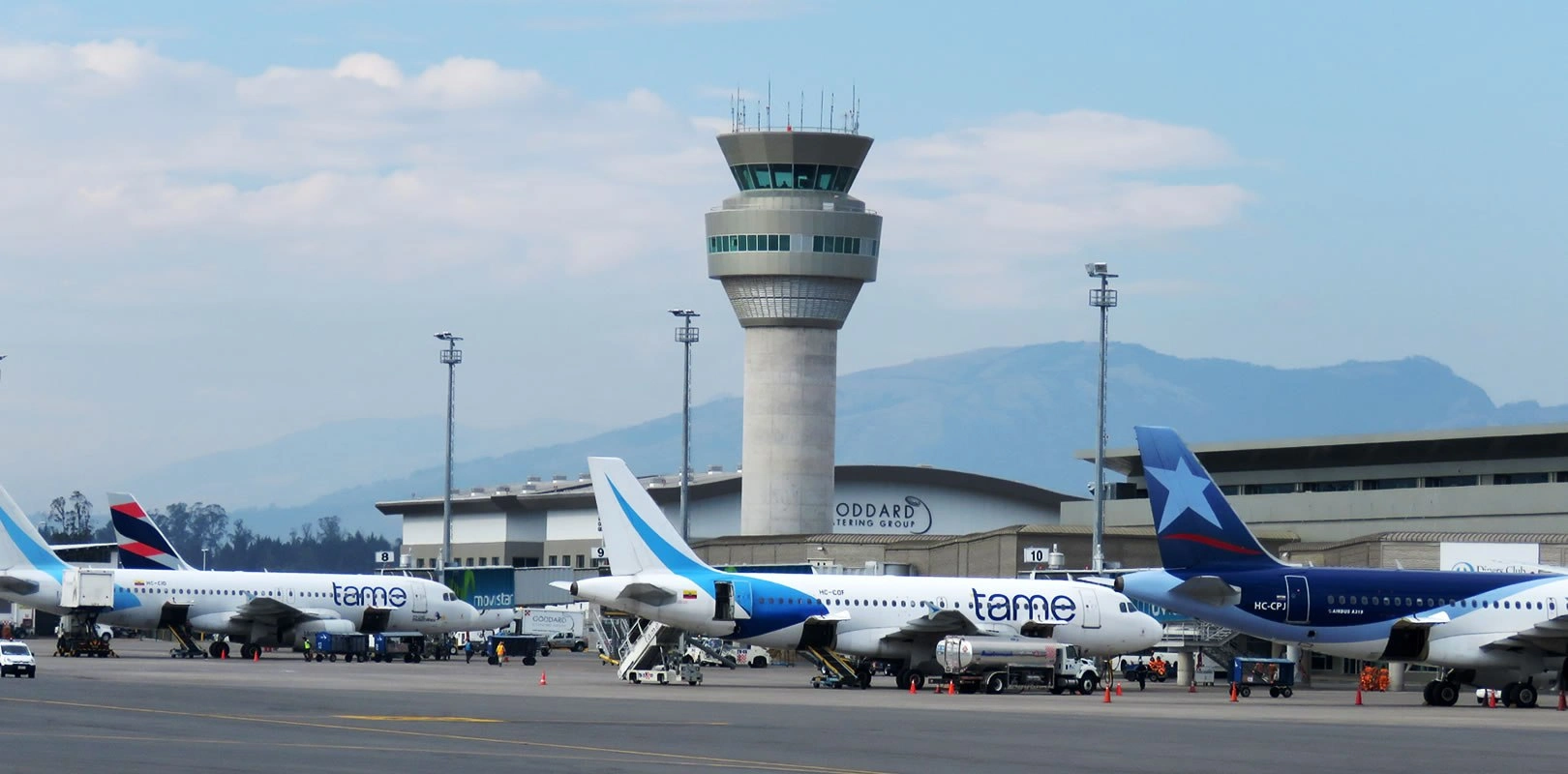
Quito takes the number one position and continues to be widely regarded as one of South America’s best-managed airports. Located high in the Andes, the airport serves Ecuador’s capital and handles growing tourism and business traffic.
Passengers regularly praise the airport for cleanliness, efficient immigration procedures, and modern terminal facilities. Despite operating at high altitude, Quito maintains strong operational reliability and relatively smooth passenger flow.
The airport also benefits from excellent mountain scenery surrounding the terminal, creating one of the continent’s more memorable arrivals.
Its consistent service quality has helped establish Quito as South America’s leading regional airport in 2026.
2. Guayaquil Jose Joaquín de Olmedo International Airport
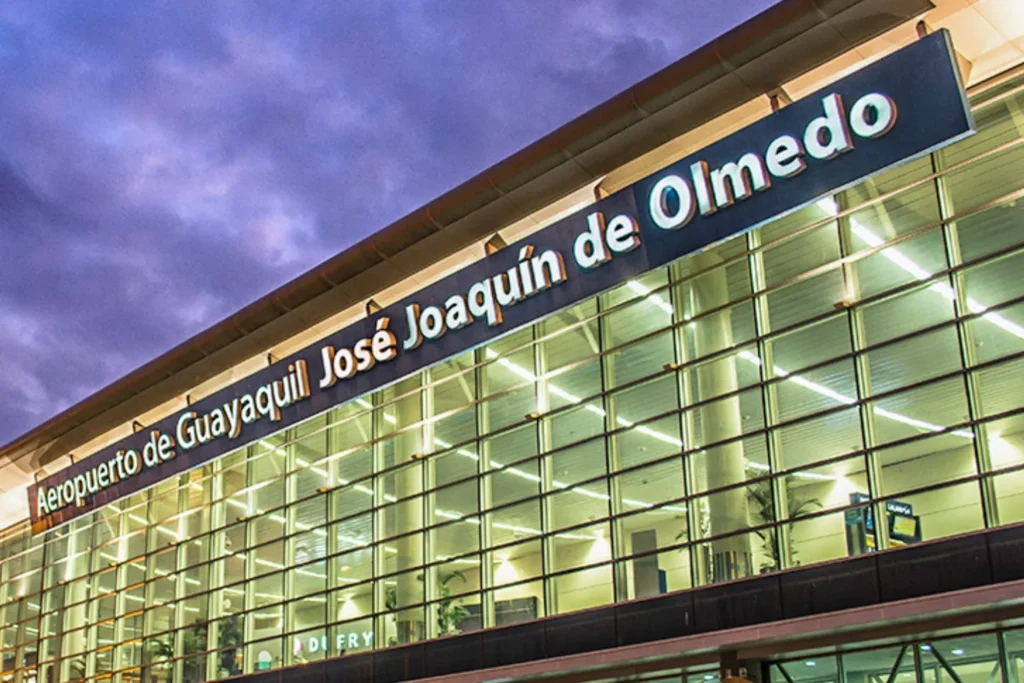
Guayaquil ranks second and gives Ecuador an impressive double presence at the top of the rankings. Serving the country’s largest city and commercial centre, the airport has built a strong reputation for organisation and passenger convenience.
Travellers often appreciate the airport’s compact but modern design, which makes navigation relatively simple compared with larger Latin American hubs.
Guayaquil also acts as a key gateway for visitors heading towards the Galapagos Islands and Ecuador’s Pacific coast.
The airport consistently performs strongly for customer satisfaction and terminal efficiency.

3. Medellín Jose Maria Cordova International Airport
Medellin takes third place and remains one of Colombia’s strongest aviation gateways. Serving one of South America’s fastest-transforming cities, the airport handles growing tourism and business demand.
Passengers frequently praise the airport’s organisation, improved infrastructure, and scenic mountain surroundings.
Medellín’s increasing popularity among international travellers has encouraged significant airport improvements over recent years.
Compared with several larger South American hubs, the airport often feels less stressful and easier to navigate.

4. Buenos Aires Aeroparque Jorge Newbery
Buenos Aires Aeroparque ranks fourth and remains one of the continent’s most conveniently located airports. Positioned close to central Buenos Aires, the airport is especially popular for domestic and regional flights.
Passengers value the airport’s accessibility, shorter travel times into the city, and modernised facilities.
Recent terminal renovations have significantly improved the passenger experience, helping Aeroparque strengthen its reputation.
For travellers flying within South America, the airport provides a far more convenient alternative to larger international hubs located outside the city.
5. Recife/Guararapes – Gilberto Freyre International Airport
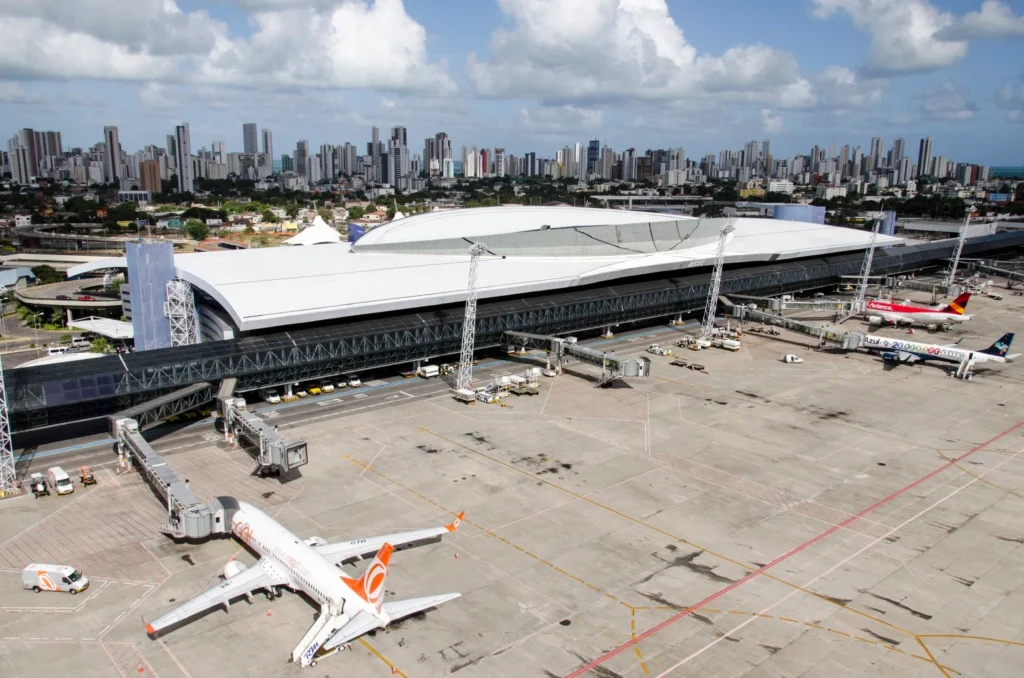
Recife takes fifth place and continues to serve as one of northeastern Brazil’s most important aviation centres. The airport handles strong tourism demand due to the region’s beaches, resorts, and tropical climate.
Passengers often highlight improving facilities, cleaner terminals, and relatively efficient domestic operations.
The airport has also benefited from recent modernisation projects designed to support growing passenger numbers.
As tourism in northeastern Brazil continues expanding, Recife’s aviation importance is rising steadily.
6. Brasilia International Airport
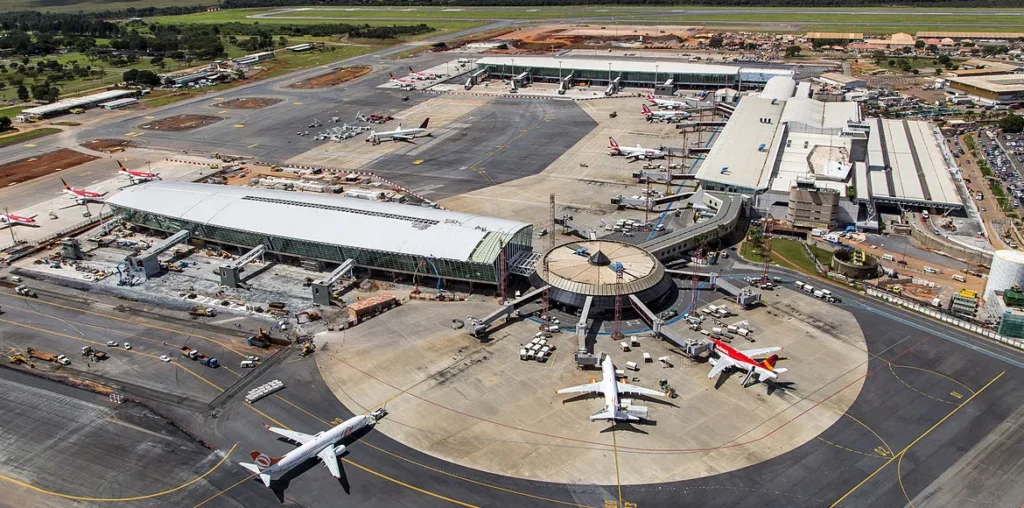
Brasilia ranks sixth and serves Brazil’s capital city. The airport plays a major role within the country’s domestic aviation network due to its central geographical location.
Passengers appreciate the spacious terminal layout, improved retail options, and efficient domestic connectivity.
Although primarily known as a political and administrative city, Brasília also acts as a major transit point for flights across Brazil.
The airport’s operational efficiency has helped maintain its strong regional reputation.
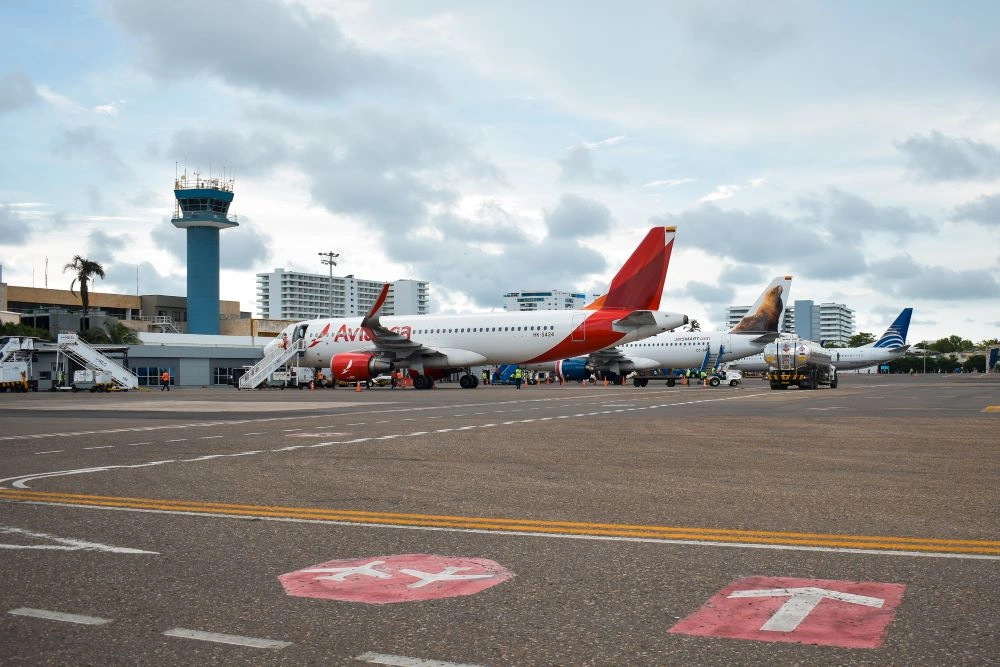
7. Cartagena Rafael Nunez International Airport
Cartagena takes seventh place and continues benefiting from Colombia’s booming tourism industry. Serving one of South America’s most famous coastal cities, the airport handles increasing numbers of international and domestic visitors.
Passengers often enjoy the relaxed Caribbean atmosphere and relatively straightforward terminal operations.
The airport’s proximity to Cartagena’s historic old town also makes it especially convenient for tourists.
As Colombia’s global tourism profile continues growing, Cartagena’s airport is becoming increasingly important.

8. La Paz/El Alto International Airport
La Paz ranks eighth and remains one of the world’s most unique airports due to its extreme altitude. Located more than 4,000 metres above sea level, El Alto is among the highest international airports anywhere on Earth.
Passengers often mention the spectacular mountain views and unusual operating environment.
Despite the challenging altitude, the airport continues to improve passenger services and terminal efficiency.
The airport serves as Bolivia’s primary international gateway and an important connection point within the Andes region.
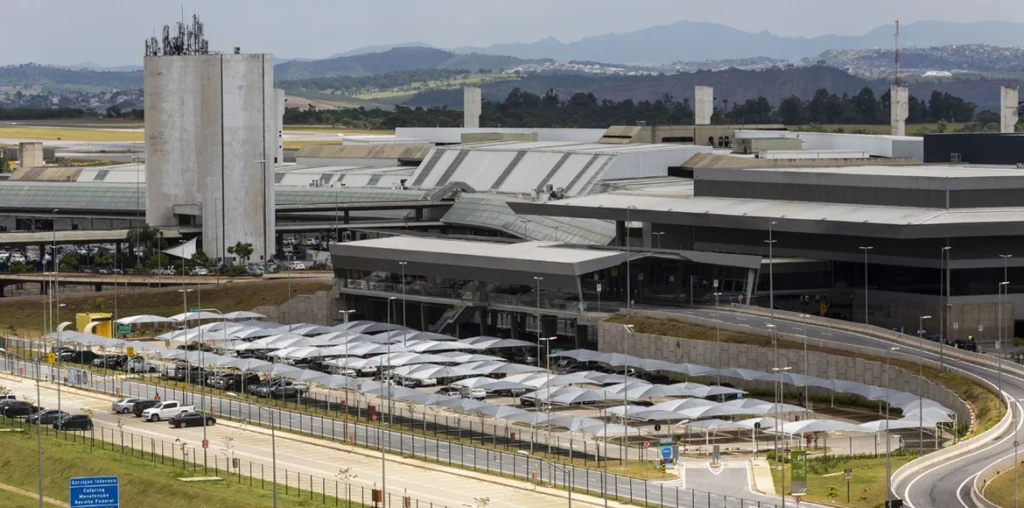
9. Belo Horizonte Tancredo Neves International Airport
Belo Horizonte takes ninth place and strengthens Brazil’s strong showing in the rankings. Serving one of the country’s largest metropolitan regions, the airport handles extensive domestic traffic.
Passengers regularly praise the airport’s organisation, modern facilities, and relatively smooth processing times.
Recent upgrades have improved passenger comfort significantly, especially in domestic terminals.
The airport’s role within Brazil’s business and mining sectors also helps maintain strong travel demand year-round.
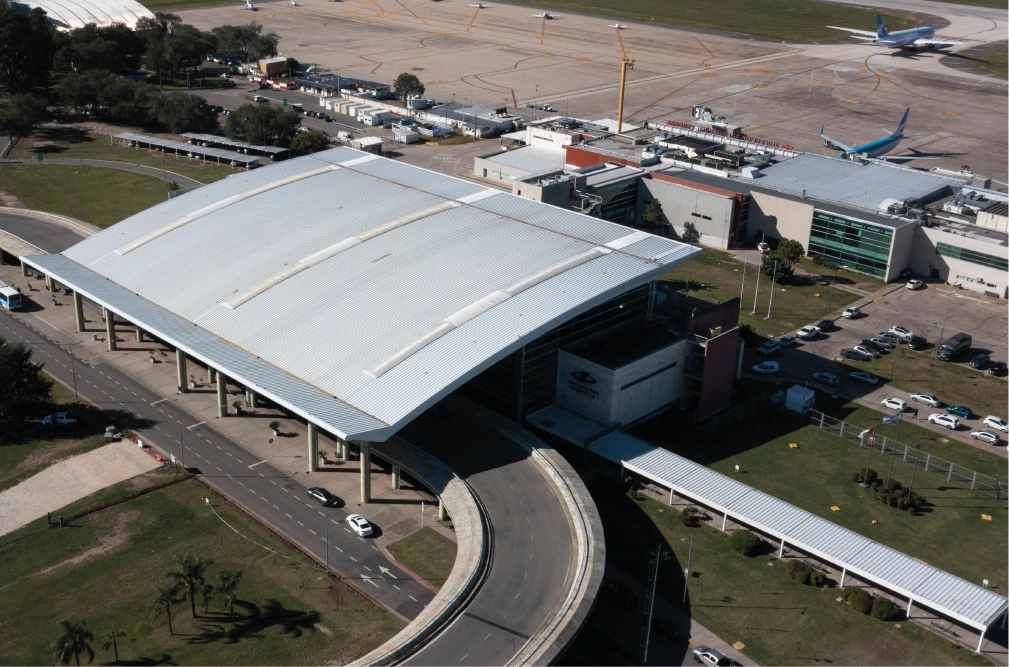
10. Cordoba International Airport
Cordoba completes the top ten and continues growing as one of Argentina’s most important regional airports. Located in the country’s second-largest city, the airport serves both business and leisure travellers.
Passengers often appreciate the airport’s manageable size, improved infrastructure, and easier navigation compared with Buenos Aires’ larger airports.
Cordoba’s growing economic importance has encouraged continued investment in airport facilities.
For many domestic travellers within Argentina, Cordoba offers a convenient and efficient alternative to the capital’s crowded aviation system.
Why Regional Airports Matter in South America
Regional airports are essential across South America because of the continent’s geography and travel demands. They provide:
- Better access to tourism regions
- Easier domestic connectivity
- Reduced congestion at mega hubs
- Faster passenger processing
- Improved regional economic links
- More convenient city access
- Greater connectivity for remote areas
Air travel remains vital across much of the continent.
Key Trends in the 2026 Rankings
Several major trends stand out this year:
- Ecuador performs exceptionally strongly with two airports in the top two
- Colombia continues improving airport infrastructure rapidly
- Brazil dominates overall airport representation
- Tourism-focused airports are rising in importance
- Passenger comfort and efficiency are becoming major priorities
South American airports are improving steadily in global competitiveness.

Bottom Line
The best regional airports in South America in 2026 demonstrate how much the continent’s aviation standards are evolving.
For passengers, the region’s best regional airports are becoming cleaner, more efficient, and considerably more traveller-friendly than they were only a decade ago.
FAQs
Quito Mariscal Sucre International Airport in Ecuador ranks as the best regional airport in South America for 2026.
Brazil has the most airports featured in the top ten, while Ecuador takes the top two positions.
Regional airports help connect vast geographical areas, tourism destinations, and remote regions more efficiently than relying only on major international hubs.
Stay tuned with us. Further, follow us on social media for the latest updates.
Join us on Telegram Group for the Latest Aviation Updates. Subsequently, follow us on Google News
