

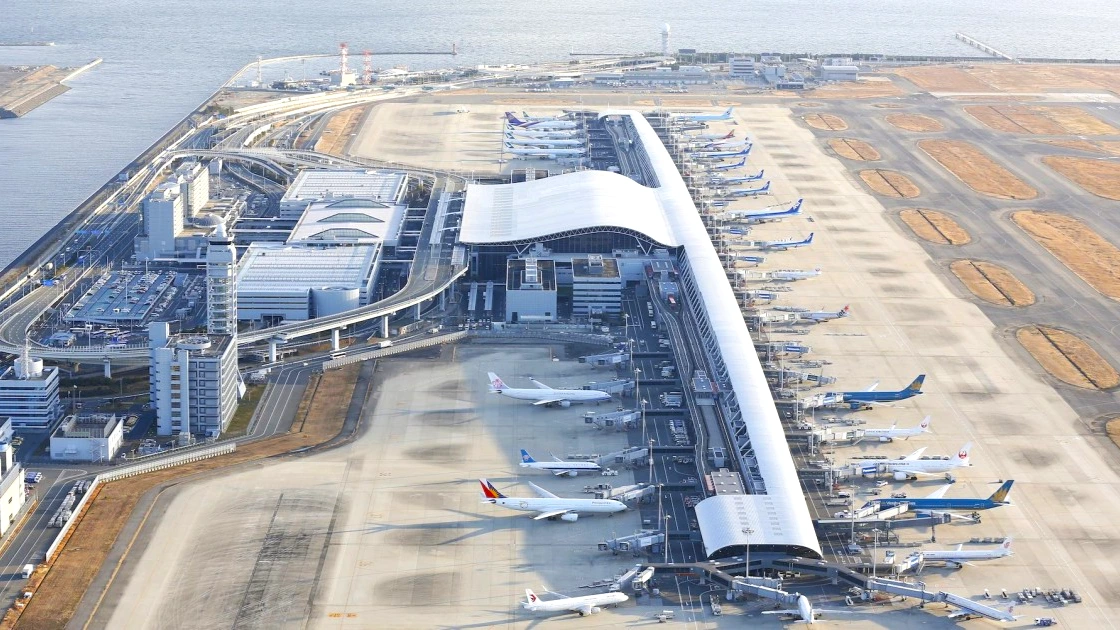
Low-cost airlines have transformed global aviation over the past two decades, making international travel more affordable than ever before. As passenger numbers have grown, airports around the world have developed dedicated terminals designed specifically for budget carriers.
These low-cost terminals focus on fast boarding, efficient passenger flow, affordable facilities, seamless public transport connections, and shorter aircraft turnaround times without compromising comfort or convenience.
The Skytrax World Airport Awards 2026 recognise the world’s best low-cost airline terminals based on passenger satisfaction, terminal design, cleanliness, shopping and dining options, accessibility, boarding efficiency, and overall travel experience.
While these terminals primarily serve airlines such as Ryanair, easyJet, AirAsia, Jetstar, Peach Aviation, Scoot, Wizz Air, and other budget carriers, many now rival traditional full-service terminals in terms of facilities and customer experience. Skytrax continues to rank these dedicated terminals separately from its overall airport awards.
10 Best Low-Cost Airline Terminals in the World in 2026
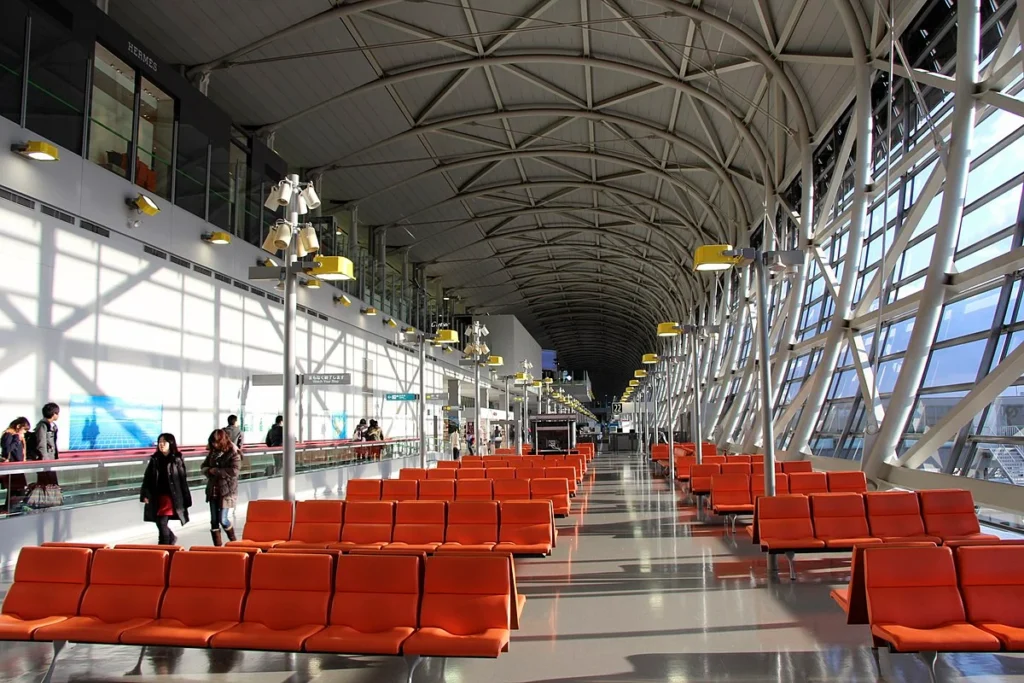
1. Kansai International Airport – Terminal 2 (Osaka, Japan)
Kansai International Airport’s Terminal 2 has been named the World’s Best Low-Cost Airline Terminal in 2026. Located on an artificial island in Osaka Bay, the terminal was purpose-built for low-cost carriers while maintaining the efficiency and cleanliness for which Japanese airports are famous.
Unlike many budget terminals that feel basic, Terminal 2 offers a bright, spacious environment with simple yet highly functional architecture. The terminal is the main base for Peach Aviation and also serves several domestic and international low-cost airlines operating across Japan and Asia.
One of Terminal 2’s biggest strengths is passenger flow. Security checkpoints, check-in counters, baggage facilities, and boarding gates are all positioned to minimise walking distances and waiting times. Self-service kiosks and automated baggage drop systems help passengers complete check-in quickly.
Although it focuses on budget travel, passengers still enjoy restaurants, cafes, convenience stores, duty-free shopping, charging stations, free Wi-Fi, family facilities, and comfortable waiting areas.
Excellent bus connections link Terminal 2 with Kansai’s main terminal and railway station, making transfers smooth for travellers arriving from Osaka, Kyoto, and Kobe.
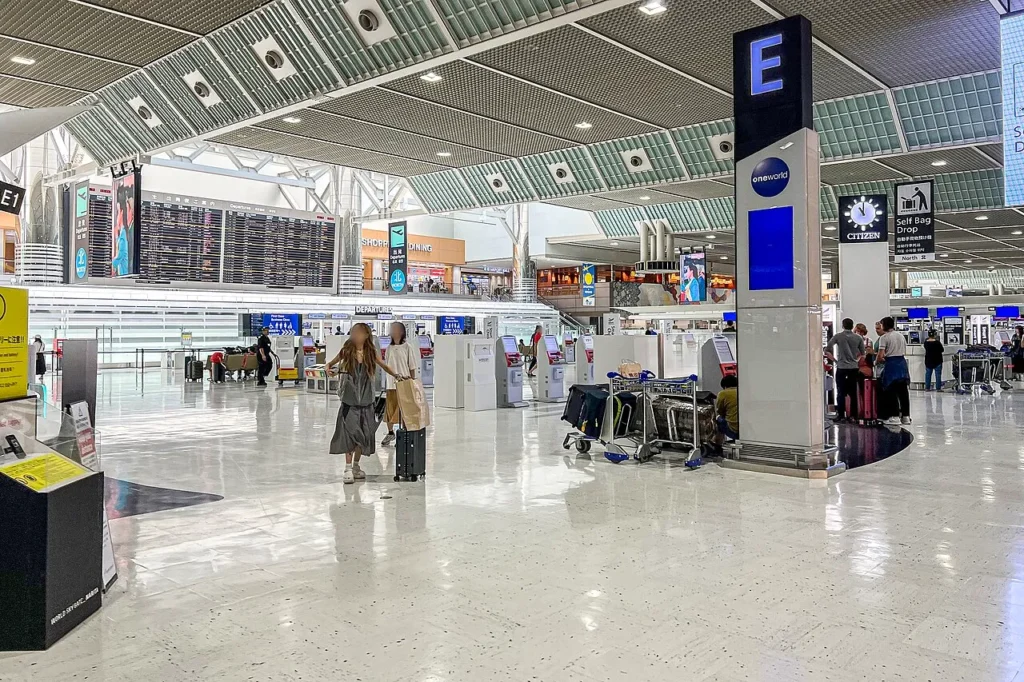
2. Tokyo Narita Airport – Terminal 3 (Japan)
Tokyo Narita Airport’s Terminal 3 has become one of Asia’s finest examples of modern low-cost terminal design. Opened specifically for budget airlines, the terminal combines affordability with a remarkably pleasant passenger experience.
Its most distinctive design feature is the colourful running-track-inspired flooring that guides passengers through the terminal without relying heavily on signs. This playful approach to wayfinding has become an iconic feature of the airport.
Terminal 3 serves airlines including Jetstar Japan, Peach Aviation, Spring Japan, Jeju Air, Cebu Pacific, and several other regional budget carriers. Despite handling millions of passengers annually, it remains exceptionally clean and well organised.
Passengers benefit from efficient security lanes, spacious boarding areas, affordable restaurants, convenience stores, charging points, children’s facilities, and excellent accessibility.
The terminal is connected to Terminal 2 via a covered pedestrian walkway and shuttle buses, making transfers simple for connecting passengers.
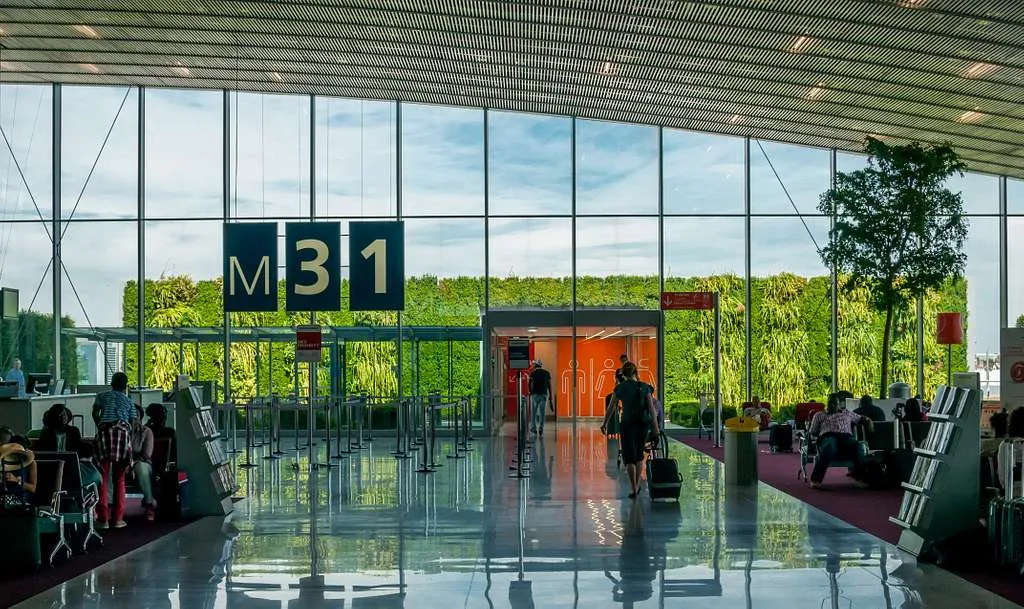
3. Paris Charles de Gaulle Airport – Terminal 3 (France)
Paris Charles de Gaulle Airport continues strengthening its reputation by offering one of Europe’s best low-cost travel experiences.
The airport’s dedicated facilities for budget airlines combine efficient operations with modern passenger amenities. Airlines including easyJet, Vueling, Transavia, Ryanair, and several seasonal carriers operate from these facilities.
Passengers enjoy streamlined security processing, clear signage in multiple languages, spacious departure lounges, improved retail areas, cafes, bakeries, and excellent public transport connections into central Paris.
The terminal has benefited from continued modernisation projects that have improved seating, lighting, digital information systems, and passenger comfort.
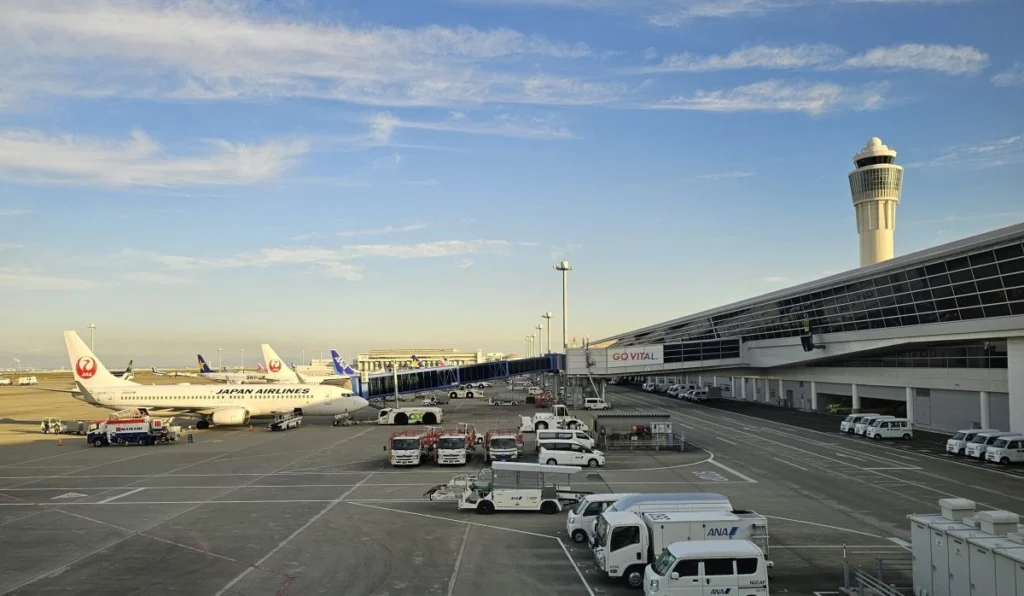
4. Chubu Centrair International Airport – Terminal 2 (Nagoya, Japan)
Chubu Centrair’s dedicated low-cost terminal reflects Japan’s exceptional approach to airport operations.
Terminal 2 was specifically designed for airlines including Peach Aviation, Jetstar Japan, Spring Japan, and several regional carriers. While smaller than Terminal 1, it offers outstanding convenience and passenger comfort.
Natural lighting, efficient layouts, clean public spaces, self-service facilities, convenience stores, cafes, and free Wi-Fi create a welcoming environment without unnecessary luxury.
Centrair consistently ranks among the world’s cleanest and best regional airports, and Terminal 2 benefits from the same operational excellence.
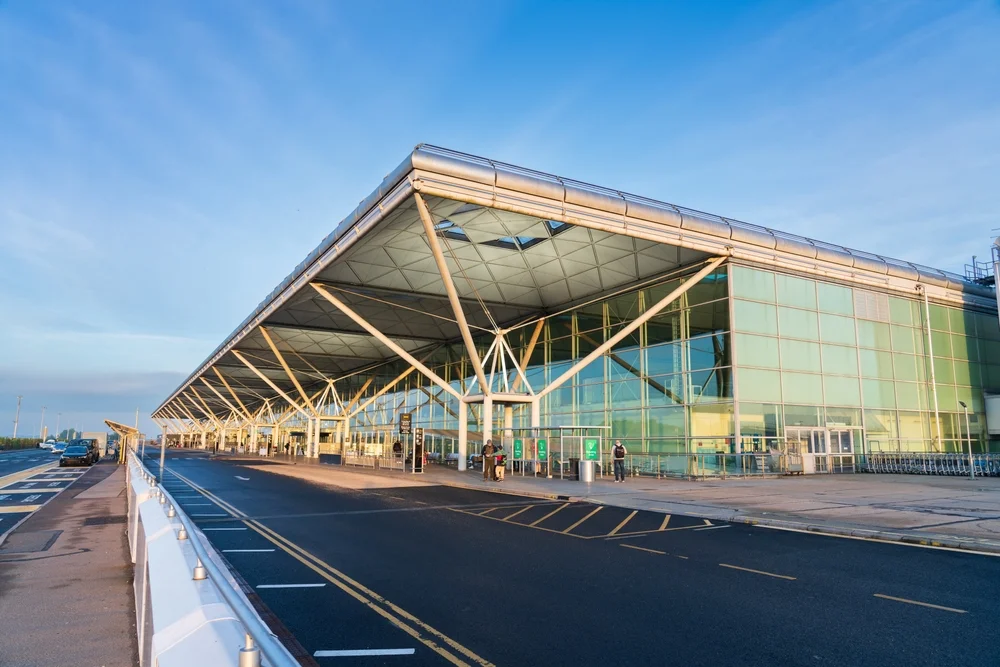
5. London Stansted Airport (United Kingdom)
London Stansted has become Europe’s leading airport for low-cost airlines.
Serving as Ryanair’s largest global base alongside operations from Jet2, easyJet, Pegasus, and numerous European carriers, Stansted handles millions of budget travellers every year.
Despite its busy operations, recent investments have upgraded security screening, retail areas, digital information displays, lounges, restaurants, and family facilities.
The airport’s single-terminal design allows relatively straightforward navigation, while excellent train connections provide quick access to central London.
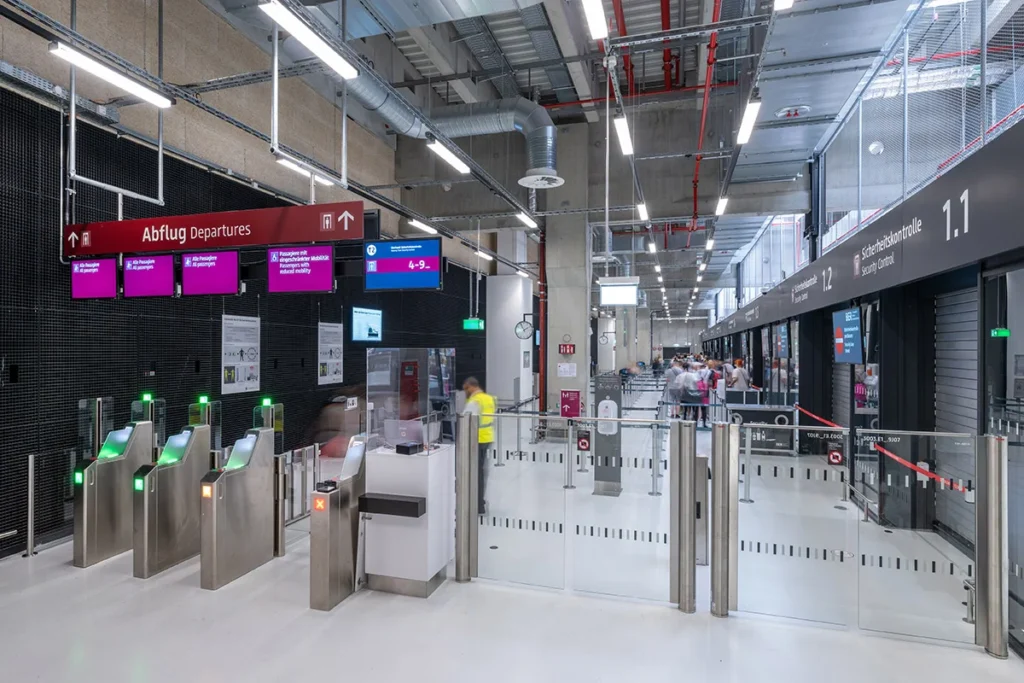
6. Berlin Brandenburg Airport – Terminal 2 (Germany)
Berlin Brandenburg’s Terminal 2 was built specifically for low-cost airlines and has quickly become one of Europe’s best budget terminals.
The terminal primarily serves Ryanair, easyJet, Wizz Air, and other European low-cost carriers.
Its minimalist design prioritises efficiency, with wide corridors, automated bag drops, digital boarding systems, spacious seating, and abundant charging stations.
Passengers also benefit from cafes, supermarkets, bakeries, duty-free shopping, and excellent accessibility features.
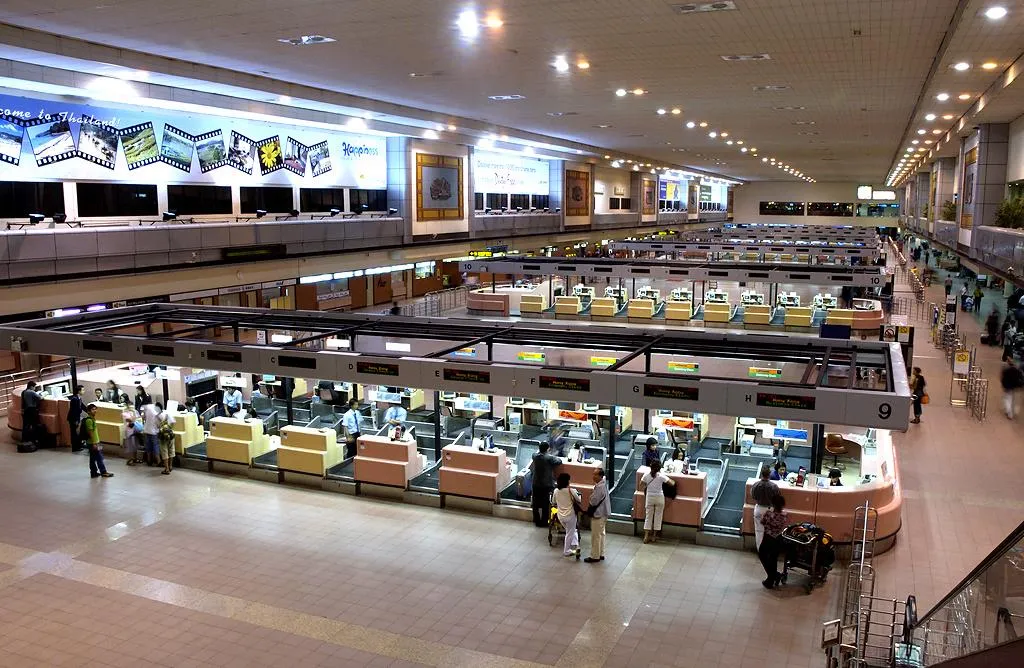
7. Bangkok Don Mueang International Airport (Thailand)
Bangkok Don Mueang remains one of Asia’s busiest low-cost airline hubs.
The airport serves Thai AirAsia, Thai Lion Air, Nok Air, Thai AirAsia X, Scoot, and numerous regional carriers across Southeast Asia. It is recognised as one of the world’s largest airports dedicated primarily to low-cost airlines.
Wikipedia
Passengers enjoy affordable dining, shopping, convenience stores, lounges, children’s facilities, and straightforward terminal layouts.
Its location closer to central Bangkok than Suvarnabhumi Airport makes it especially convenient for domestic and regional travellers.
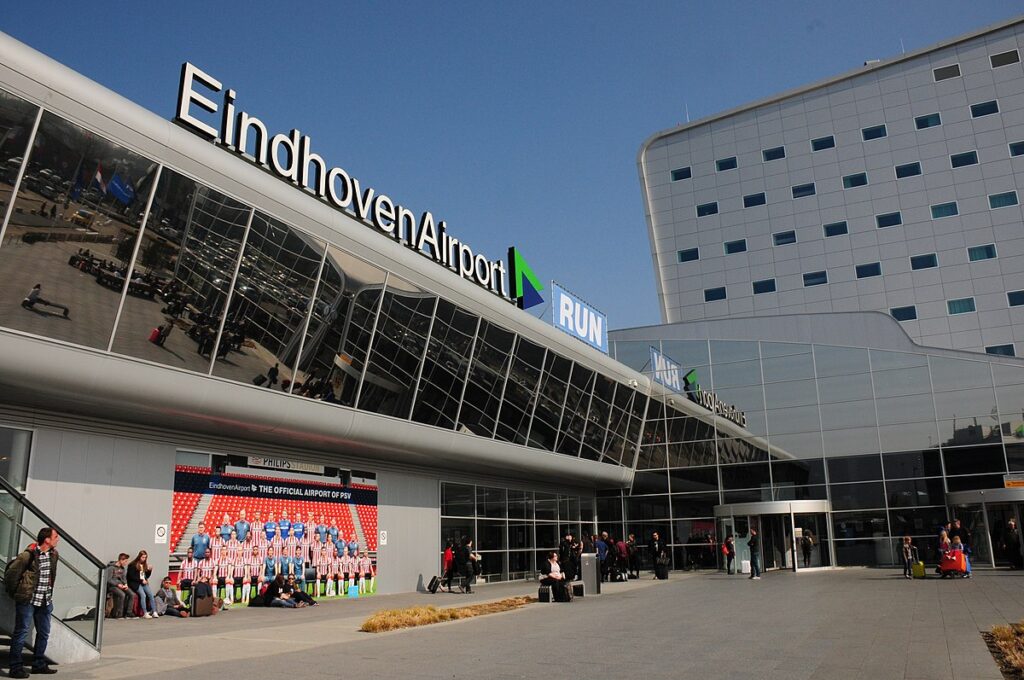
8. Eindhoven Airport (Netherlands)
Eindhoven Airport has become one of Europe’s favourite regional low-cost airports.
It serves Ryanair, Wizz Air, Transavia, Pegasus, and numerous European leisure airlines.
Despite its smaller size, passengers consistently praise the airport’s efficient security screening, compact layout, excellent cleanliness, and quick boarding process.
Restaurants, cafés, business facilities, and direct bus services into Eindhoven and surrounding Dutch cities further improve the passenger experience.
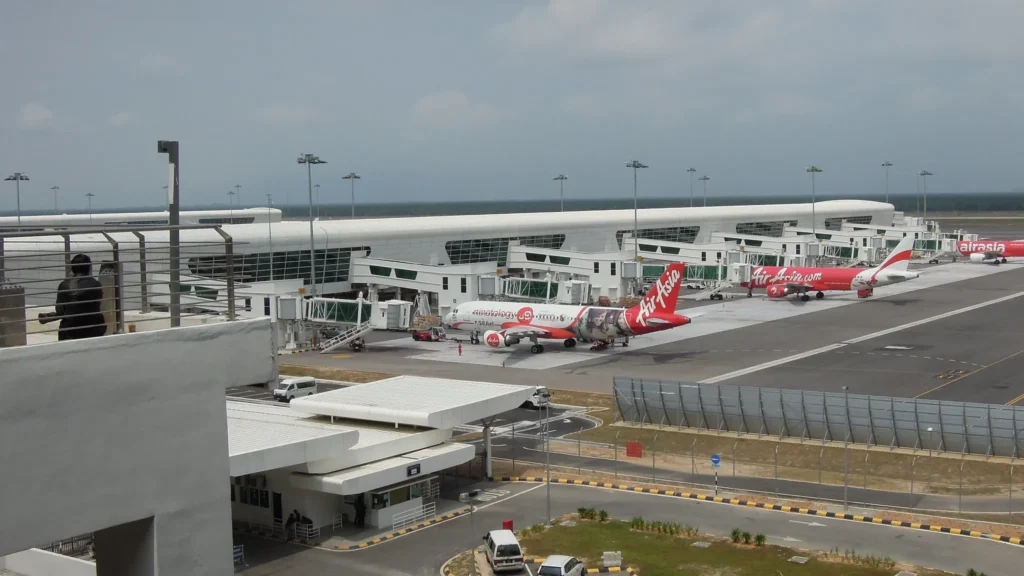
9. Kuala Lumpur International Airport – klia2 (Malaysia)
KLIA2 remains one of the world’s largest purpose-built low-cost carrier terminals.
Designed primarily for AirAsia and AirAsia X, the terminal also serves Batik Air Malaysia, Cebu Pacific, Scoot, and many other regional carriers. It was specifically built to support the rapid growth of low-cost aviation in Southeast Asia.
Unlike traditional budget terminals, klia2 resembles a full-scale airport with hundreds of retail stores, restaurants, cafes, supermarkets, hotels, lounges, cinemas, and extensive public transport connections.
Its integrated shopping complex, Gateway@klia2, makes it one of the most unique low-cost terminals globally.
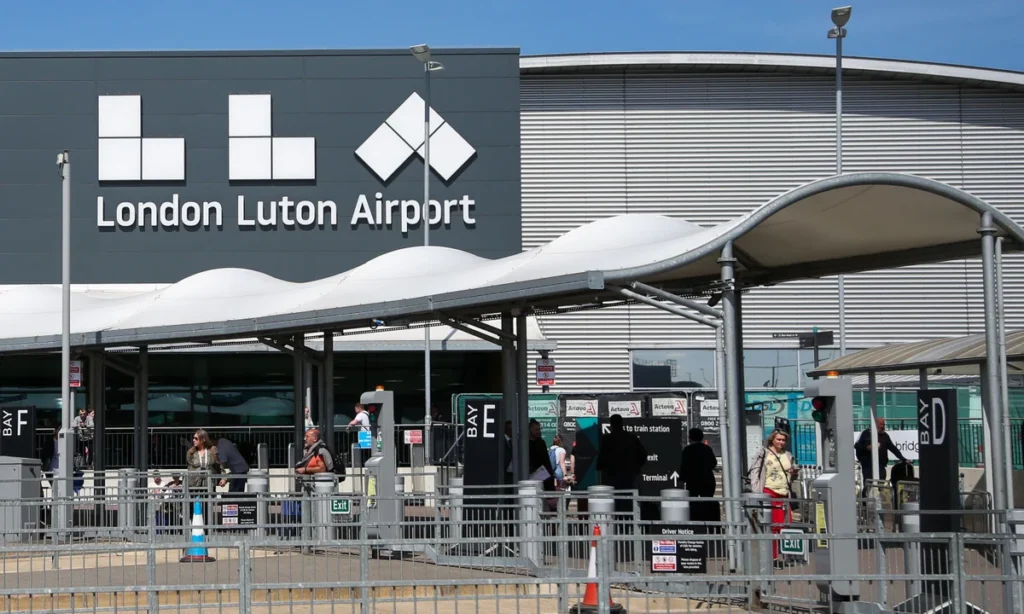
10. London Luton Airport (United Kingdom)
London Luton completes the global top ten after major investments in terminal redevelopment.
The airport serves easyJet, Ryanair, Wizz Air, Jet2, TUI Airways, and several European leisure carriers. Recent expansion projects have modernised security screening, passenger seating, retail spaces, restaurants, and family facilities.
Luton’s upgraded terminal now offers significantly improved passenger comfort while maintaining its position as one of the UK’s busiest budget airline airports.
New transport improvements have also strengthened rail access between Luton Airport and central London.
What Makes a Great Low-Cost Terminal?
- Fast self-service check-in and baggage drop.
- Efficient security screening.
- Simple terminal layouts with shorter walking distances.
- Affordable restaurants and cafes.
- Excellent public transport connections.
- Comfortable seating and charging stations.
- Reliable baggage handling.
- Clean and well-maintained facilities.
- Efficient boarding processes.
- Good value for budget travellers.
Skytrax evaluates these elements through passenger surveys conducted across more than 550 airports worldwide.
Low-Cost Terminal Trends in 2026
The world’s best budget terminals are evolving rapidly. Major trends include:
- Biometric check-in and boarding to reduce queues.
- Automated baggage drop systems for faster processing.
- More charging stations and co-working spaces for digital travellers.
- Improved accessibility for passengers with reduced mobility.
- Sustainability initiatives, including energy-efficient buildings and recycling programmes.
- Expanded food courts featuring affordable local cuisine alongside international brands.
- Many low-cost terminals now offer facilities once associated only with premium international terminals.
Bottom Line
The Top 10 Best Low-Cost Airline Terminals in the World in 2026, according to Skytrax, prove that affordable air travel no longer means compromising on quality.
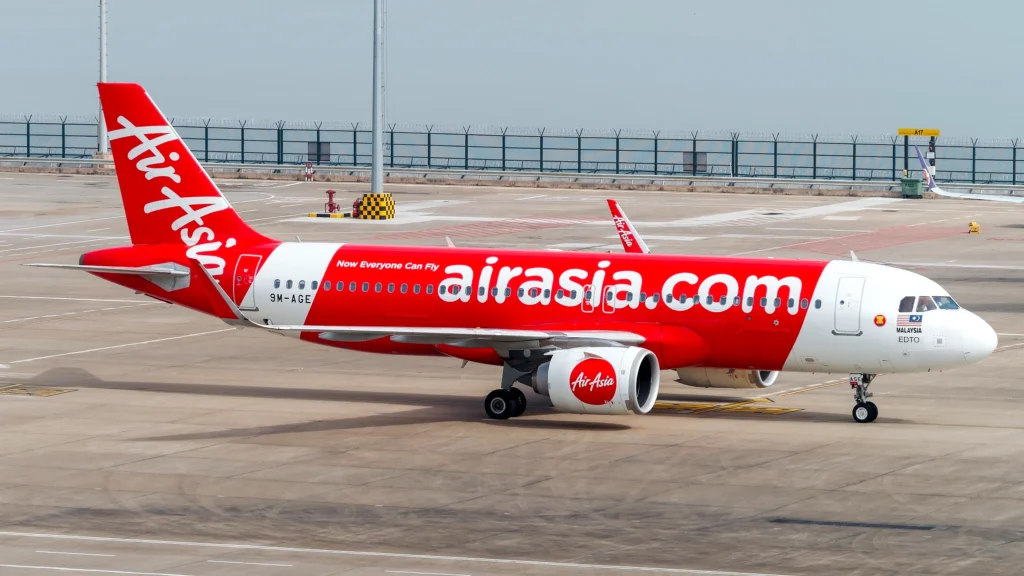
Whether flying across Europe with Ryanair and easyJet or exploring Asia with AirAsia, Peach, or Jetstar, these terminals offer smooth, modern, and comfortable experiences while keeping travel affordable.
FAQs
According to the Skytrax World Airport Awards 2026, Kansai International Airport Terminal 2 in Osaka is the world’s best low-cost airline terminal.
Japanese airports combine excellent cleanliness, efficient passenger processing, modern facilities, reliable operations, and outstanding customer service, helping Kansai, Narita, and Centrair all rank among the world’s best.
Skytrax assesses terminal design, check-in efficiency, security screening, boarding process, cleanliness, shopping and dining facilities, transport connections, and overall passenger satisfaction.
Stay tuned with us. Further, follow us on social media for the latest updates.
Join us on Telegram Group for the Latest Aviation Updates. Subsequently, follow us on Google News
