

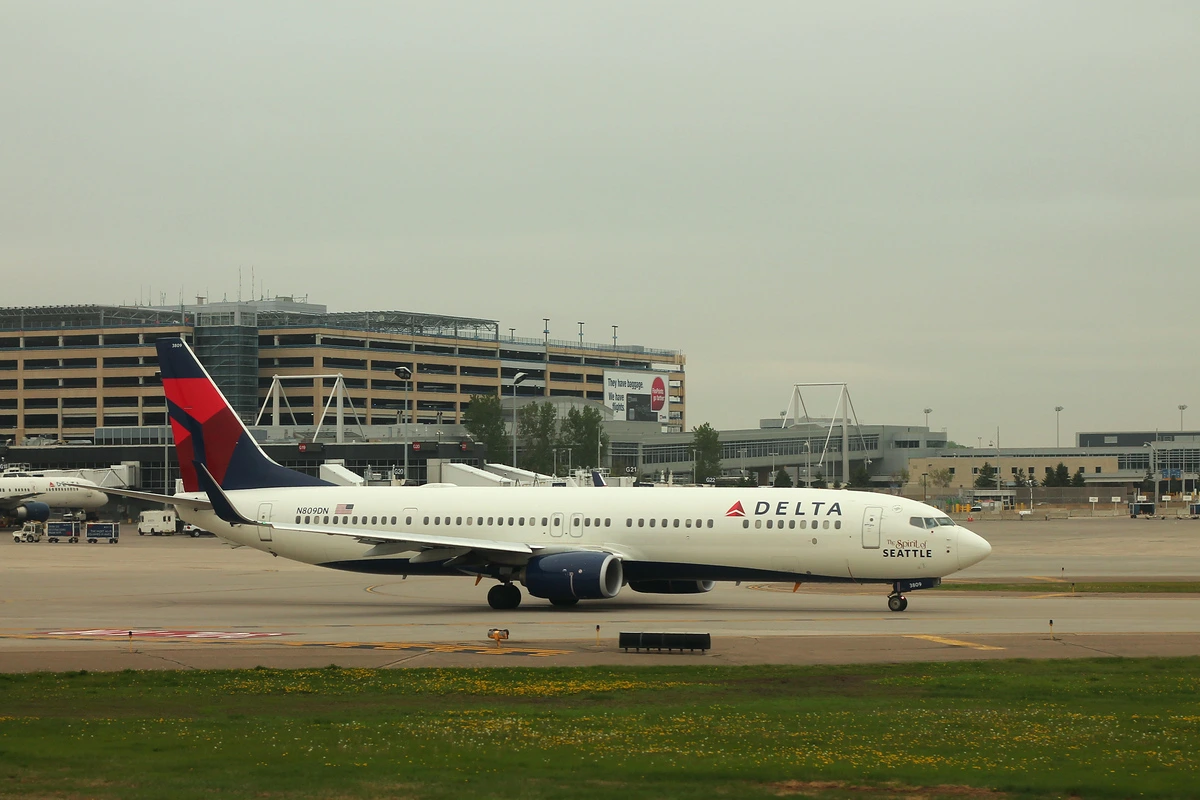
ATLANTA- Delta Air Lines (DL) flight DL-2311, a Boeing 737, was flying from Los Angeles (LAX) to Salt Lake City (SLC) when the aircraft experienced a mid-air depressurization at 35,000 feet. Oxygen masks deployed throughout the Delta cabin, prompting the crew to begin a rapid emergency descent and divert to Harry Reid International Airport (LAS) in Las Vegas.
The aircraft, registered N934DZ, was carrying 181 passengers and crew. The pilots used their flight deck oxygen masks, declared an emergency and requested a descent to 9,000 feet while the aircraft was over the Mojave Desert.
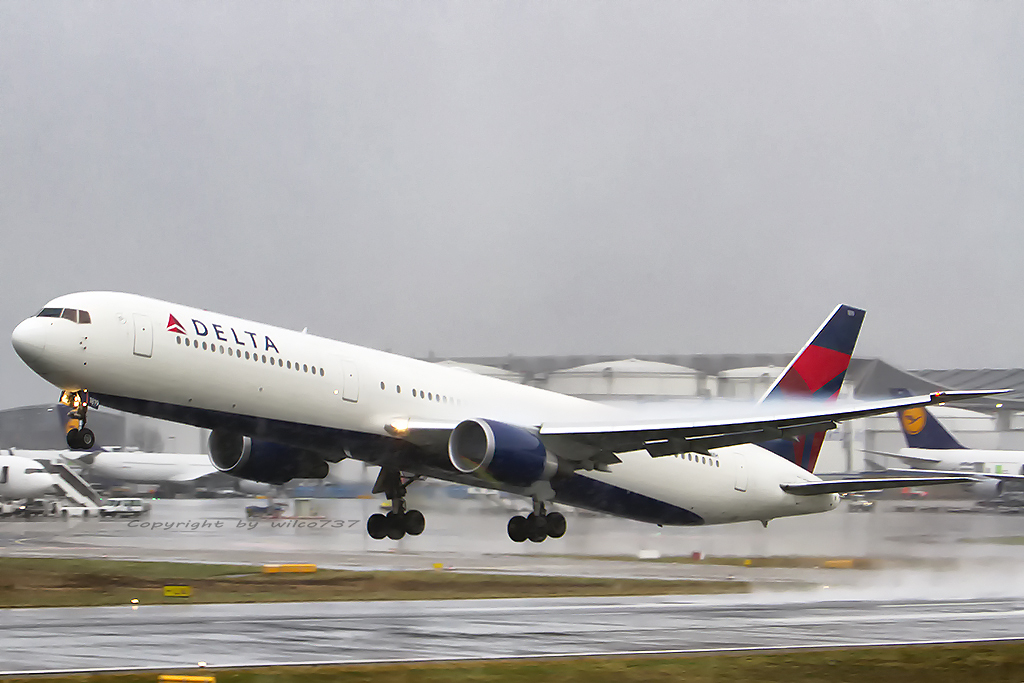
Delta 737 Emergency Descent After Cabin Depressurization
Delta flight DL2311 was operating its scheduled service from Los Angeles to Salt Lake City when an unexpected pressurization problem developed at approximately 35,000 feet.
The 14 year old Boeing 737 was carrying 181 passengers and crew when oxygen masks dropped from the ceiling panels. The deployment indicated that cabin pressure had fallen to a level requiring supplemental oxygen for passengers and crew.
The aircraft was registered N934DZ and was powered by 2 CFM International CFM56 engines. With the cabin no longer maintaining normal pressure at cruise altitude, the flight crew needed to get the aircraft to a lower altitude quickly.
The pilots initiated what they described to air traffic control as a “rapid descent” and diverted the aircraft toward Las Vegas rather than continuing to Salt Lake City.
Inside the cockpit, both pilots put on their flight-deck oxygen masks. These masks are designed to provide oxygen while allowing pilots to communicate and continue operating the aircraft during a loss of cabin pressure.
An air traffic control recording cited in the PYOK report captured one of the pilots saying, “Delta 2311, currently rapid descent, we’d like to descend to 9,000 [feet].”
Further radio communications indicated that the oxygen masks had deployed throughout the passenger cabin. The pilots could also be heard breathing through their oxygen masks as they managed the emergency.
A rapid descent allows an aircraft to reach a lower altitude where the surrounding atmosphere contains enough oxygen for occupants to breathe normally without depending on the cabin oxygen system. The procedure becomes especially important when a pressurization failure occurs at high altitude.
Why Depressurization Is Serious Emergency
At 35,000 feet, the outside atmosphere cannot support normal human breathing without supplemental oxygen. The time available to respond to a sudden loss of oxygen can therefore be extremely limited.
The Federal Aviation Administration describes the time of useful consciousness as the period during which a person can still perform meaningful tasks after oxygen deprivation begins. At high cruise altitudes, that period can be measured in seconds.
The original report cited a general window of about 30 to 60 seconds for passengers and crew to put on an oxygen mask before hypoxia begins to significantly affect their ability to function. The exact duration varies with altitude, physical condition and the nature of the decompression.
Hypoxia can cause impaired judgment, poor coordination, dizziness, confusion and other symptoms. A person may also fail to recognize that the condition is becoming dangerous.
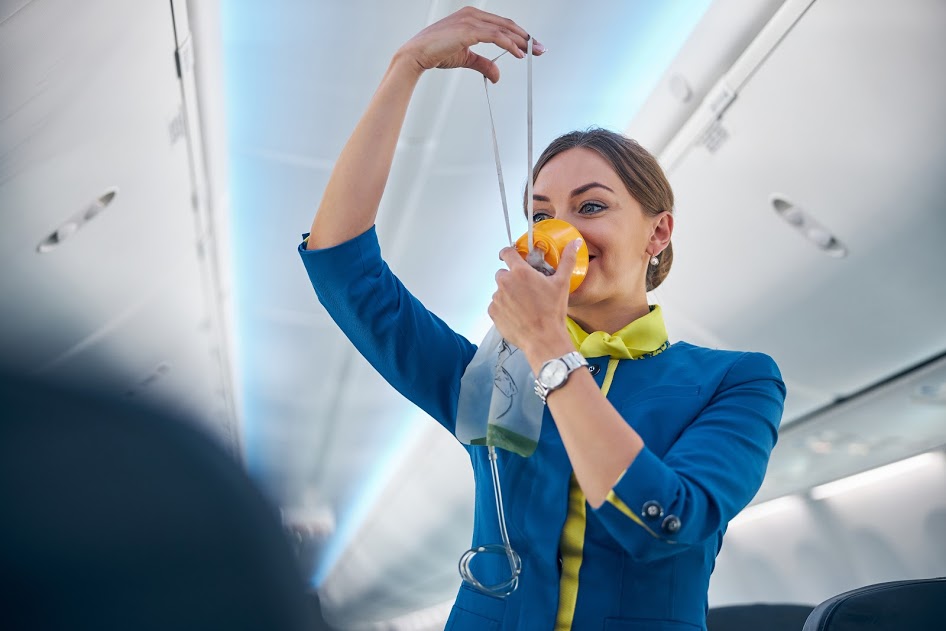
That makes immediate oxygen-mask use critical. Passengers are instructed to pull down the mask, secure it over the nose and mouth and breathe normally. Flight attendants are trained to use their own oxygen masks immediately and secure themselves for the rapid descent that may follow.
Flight Crew Response Matters
The response to a depressurization event must happen quickly because the pilots themselves are exposed to the same oxygen shortage affecting the cabin.
The flight crew’s ability to recognize the problem, put on oxygen masks, communicate with air traffic control and begin a rapid descent is therefore essential.
If a rapid descent does not begin after a serious loss of pressurization, one possible concern is that the flight crew may have become incapacitated by hypoxia. That risk has been demonstrated by one of aviation’s most serious depressurization accidents.

Helios Airways Flight 522 Demonstrates Risk
Helios Airways flight 522 is one of the most well-known examples of what can happen when an aircraft’s pressurization problem is not recognized in time.
The Boeing 737-300 was operating from Larnaca, Cyprus, to Athens, Greece, on August 14, 2005. During maintenance, engineers had switched the aircraft’s pressurization system to manual mode and failed to return it to automatic operation.
The pilots did not identify the problem. They reportedly interpreted warnings in the cockpit as being related to the aircraft’s takeoff configuration rather than as an indication of a pressurization failure.
As the aircraft climbed, the passengers and crew were exposed to decreasing oxygen levels. The pilots eventually became incapacitated by hypoxia, as did most of the people on board.
One flight attendant remained conscious with the help of a portable oxygen cylinder. He attempted to reach and enter the cockpit as the aircraft continued flying under its existing automation.
The aircraft ultimately crashed into a hill near Marathon, Greece, killing all 121 people on board.
The accident illustrates why a depressurization event requires immediate recognition, oxygen use and descent. The Delta crew’s rapid response to DL-2311 was fundamentally different from the delayed recognition that contributed to the Helios disaster.
Delta Crew Followed Procedures
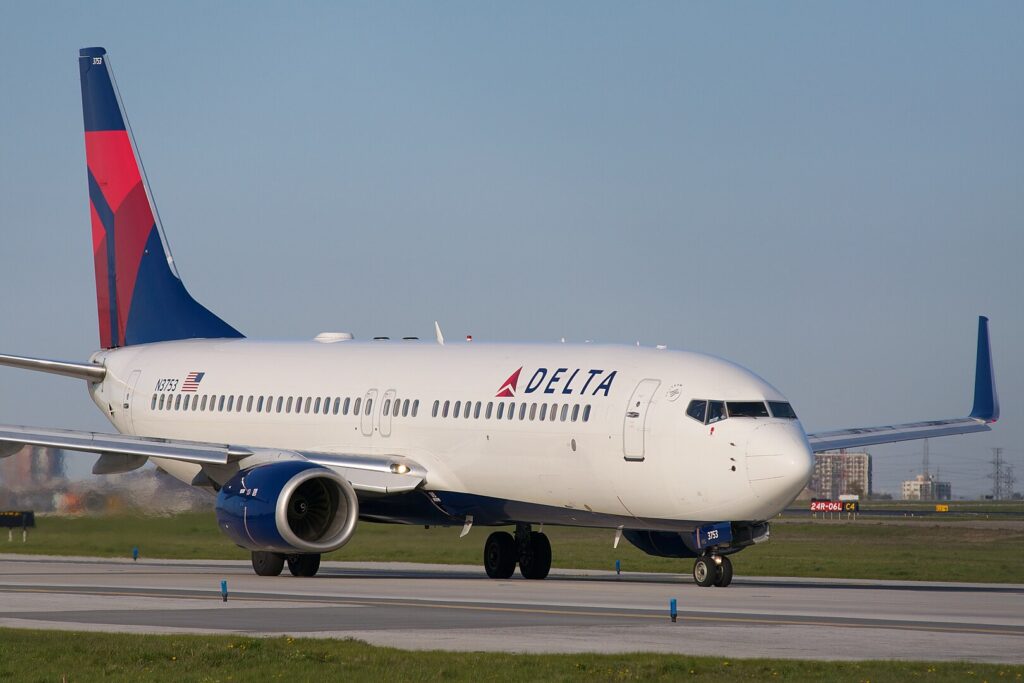
Delta Air Lines said the flight crew followed its training and procedures after the unexpected pressurization issue occurred.
The airline stated that safety remained its priority and said the crew safely brought the aircraft to an optimal altitude.
Delta also apologized to passengers for the experience and thanked the flight crew and ground support teams for their professionalism.
The statement did not identify the precise mechanical cause of the pressurization problem.
Similar Incident
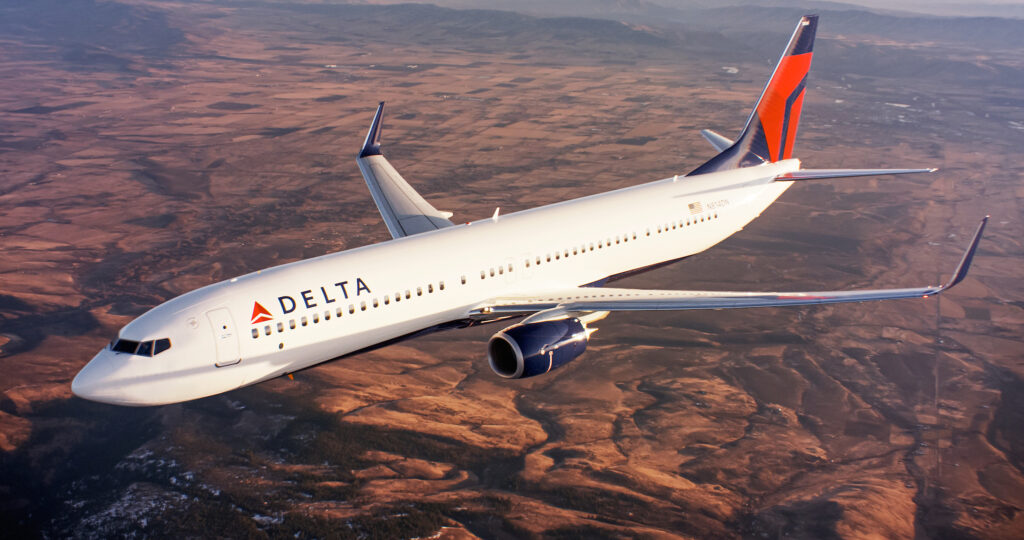
This incident also recalled another Delta pressurization case involving a Boeing 737.
In August, Delta was sued by a passenger who said she suffered permanent hearing loss after a Boeing 737 operating from Salt Lake City to Portland experienced a cabin pressurization malfunction shortly after takeoff.
The passenger, identified in the complaint as Jaci, alleged that she was severely injured by the event and had suffered permanent hearing loss. The lawsuit also alleged that the problem resulted from Delta’s failure to properly maintain the aircraft.
The circumstances differed from DL-2311. In the earlier incident, the aircraft had only recently departed and had not reached the cabin altitude at which the passenger oxygen masks are designed to deploy.
According to the original report, oxygen masks are designed to drop when cabin pressure reaches a cabin altitude equivalent of more than 14,000 feet. Because the earlier pressurization problem happened only minutes after takeoff, the aircraft had not reached that threshold and the masks did not deploy.
That distinction is important. A pressurization malfunction does not automatically result in passenger oxygen masks dropping. Mask deployment depends on the cabin altitude and the aircraft’s oxygen-mask system.
Flight Details
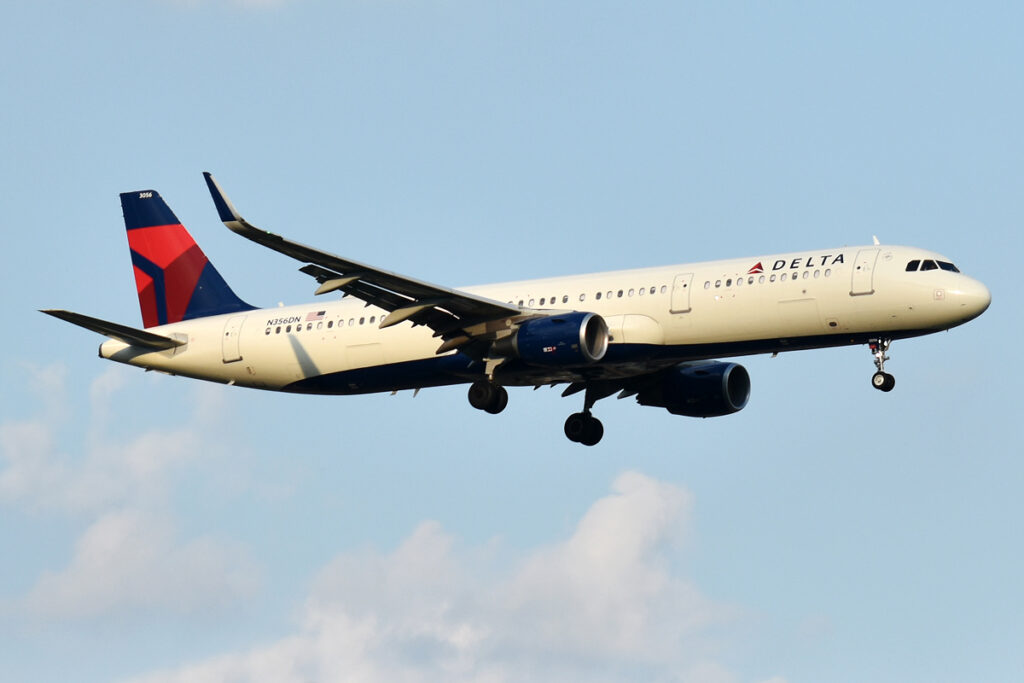
| Detail | Information |
|---|---|
| Airline | Delta Air Lines |
| Flight | DL-2311 |
| Aircraft | Boeing 737 |
| Registration | N934DZ |
| Engines | 2 × CFM International CFM56 |
| Passengers and crew | 181 |
| Origin | Los Angeles International Airport (LAX) |
| Destination | Salt Lake City International Airport (SLC) |
| Diversion airport | Harry Reid International Airport (LAS) |
| Incident altitude | Approximately 35,000 feet |
| Emergency response | Rapid descent and diversion |
What Incident Shows About Aviation Safety
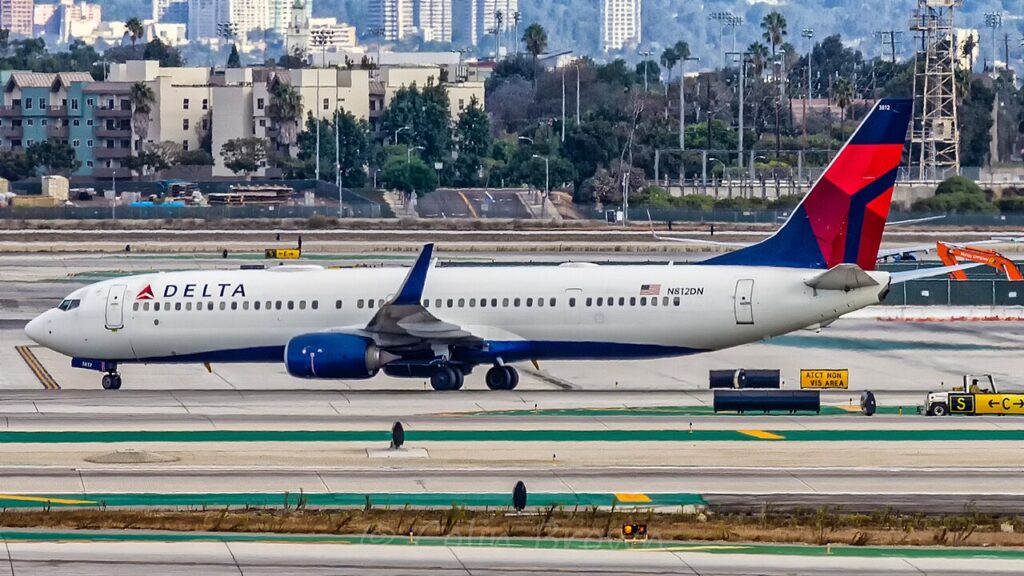
The Delta DL2311 incident highlights the importance of aircraft pressurization systems and the procedures crews follow when those systems malfunction.
At cruise altitude, a loss of cabin pressure creates a time-critical emergency because hypoxia can quickly reduce a person’s ability to think and act effectively. Passenger oxygen masks provide immediate supplemental oxygen while the flight crew takes the aircraft to a safer altitude.
The pilots on DL-2311 responded by using their oxygen masks, declaring an emergency, initiating a rapid descent and diverting to Las Vegas. Those actions allowed the aircraft to move quickly toward an altitude where passengers and crew would no longer depend on the cabin oxygen system in the same way.
The incident also shows why pressurization problems must be treated seriously regardless of whether an aircraft is at cruise altitude or climbing shortly after departure.
The earlier Delta 737 case demonstrates that a malfunction can occur before passenger oxygen masks are triggered, while the Helios Airways crash demonstrates the consequences when a pressurization warning is not recognized and acted upon.
Stay tuned with us. Further, follow us on social media for the latest updates.
Join us on Telegram Group for the Latest Aviation Updates. Subsequently, follow us on Google News
