

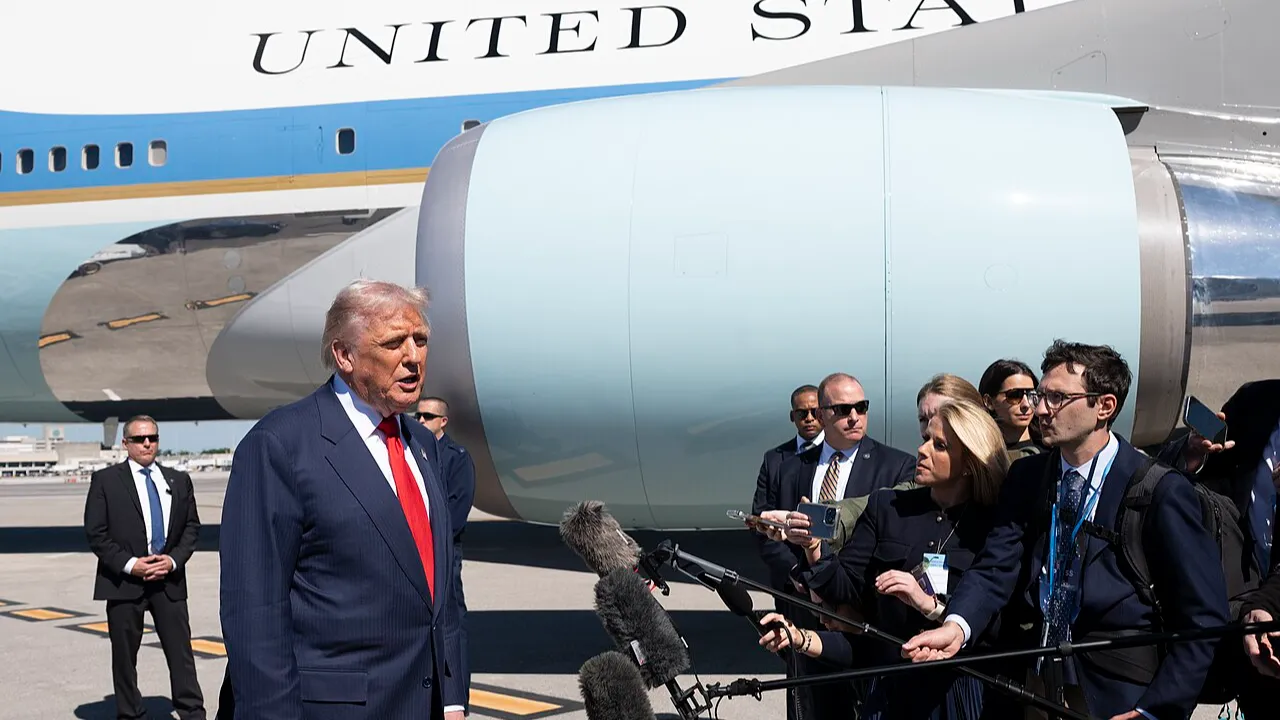
MONTREAL- President Donald Trump has threatened to block Bombardier aircraft from the US market, arguing that Canada has treated American companies unfairly.
The dispute is tied to Canada’s certification of Gulfstream business jets and has become part of wider US-Canada trade tensions.

Trump Says Bombardier Can No Longer Sell Planes in US
Trump has repeatedly targeted Bombardier during the US-Canada trade dispute. In his January 29, 2026 statement, he said the United States would decertify Bombardier Global Express aircraft until Canada certified Gulfstream’s G500, G600, G700 and G800 jets.
He also threatened a 50% tariff on aircraft sold into the United States if the dispute was not resolved.
In the later statement that renewed the issue, Trump said Bombardier would not be able to sell aircraft in the United States unless it built them there. Reuters reported on September 7 that Trump again criticized Bombardier and tied US market access to domestic production.
The wording suggests a trade measure, but the January dispute was presented specifically through aircraft certification. That distinction is important because certification is normally a technical process concerned with airworthiness and safety.
Trump’s statements contained several separate arguments.
He said Bombardier’s products were “not good enough” and claimed that more than 50% of the company’s revenue comes from the United States.
He argued that Bombardier benefits from American buyers, American companies, American airports and American service while Canada restricts American business interests.
Trump also accused Canada of blocking US banks and companies and said Canada had prevented Gulfstream Aerospace from doing business there. He described the situation as unfair and said the United States should no longer be treated as a “piggybank.”
These statements are claims made by Trump and should not be presented as independently established facts without supporting evidence.
Gulfstream Certification Dispute
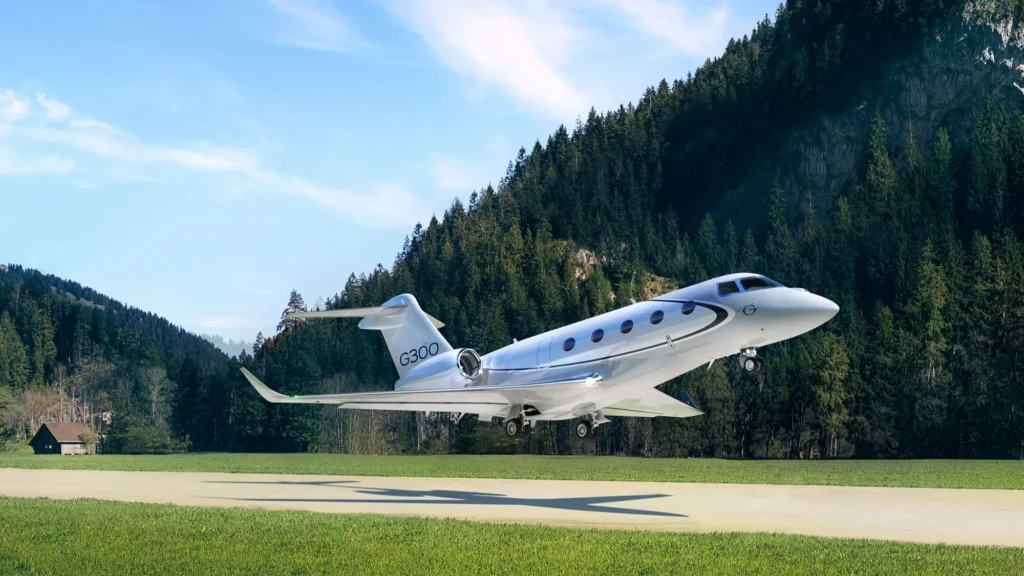
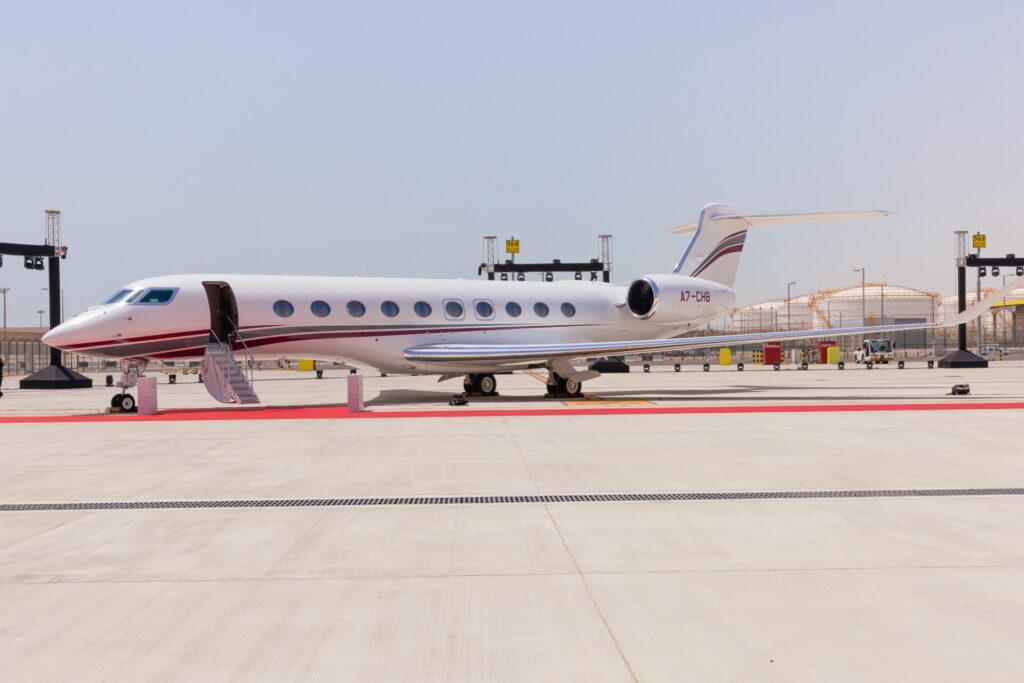
The immediate trigger was Canada’s certification process for Gulfstream aircraft.
Trump argued that Canada had unfairly delayed approval for the G500, G600, G700 and G800 while Bombardier aircraft continued to have access to the American market.
He responded by threatening to decertify Bombardier Global Express aircraft and impose a 50% tariff on Canadian-made aircraft entering the United States.
Transport Canada subsequently worked with the US Federal Aviation Administration, Bombardier and Gulfstream’s parent company to address the certification issues.
The Canadian regulator has listed the Gulfstream G500, G600, G700 and G800 in its aircraft type-designation records and later permitted Canadian operators to operate the aircraft under specified regulatory provisions.
The developments are significant because they show that the underlying Gulfstream issue continued through aviation regulatory channels rather than being resolved solely through political statements.
Bombardier Builds Business Jets, Not Commercial Airliners
Trump’s call to “BUY AMERICAN. FLY ON AMERICAN AIRLINERS.” also creates a terminology issue.
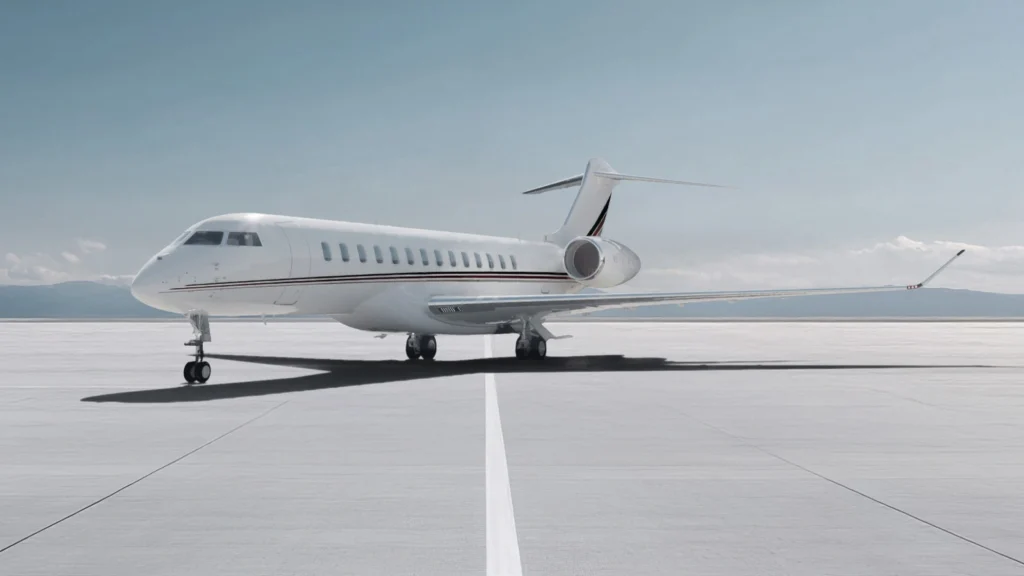
Bombardier’s current aircraft business is focused on business jets, including the Challenger and Global families. Its present portfolio is therefore different from the conventional commercial airliners operated by scheduled passenger airlines.
Bombardier did previously produce the CRJ regional jet family. The CRJ-200, CRJ-700, CRJ-900 and CRJ-1000 remain in service, but the program is no longer owned or produced by Bombardier.
Mitsubishi Heavy Industries acquired the CRJ program from Bombardier in 2020. Transport Canada now lists the aircraft without the Bombardier name.
That makes Trump’s use of the term “airliners” notable. In the context of Bombardier’s current products, the dispute concerns business aircraft rather than a current Bombardier commercial-airliner production program.
What About Airbus and Other Foreign Aircraft?
Trump’s “buy American” argument also raises a broader question about how such a policy would be applied.
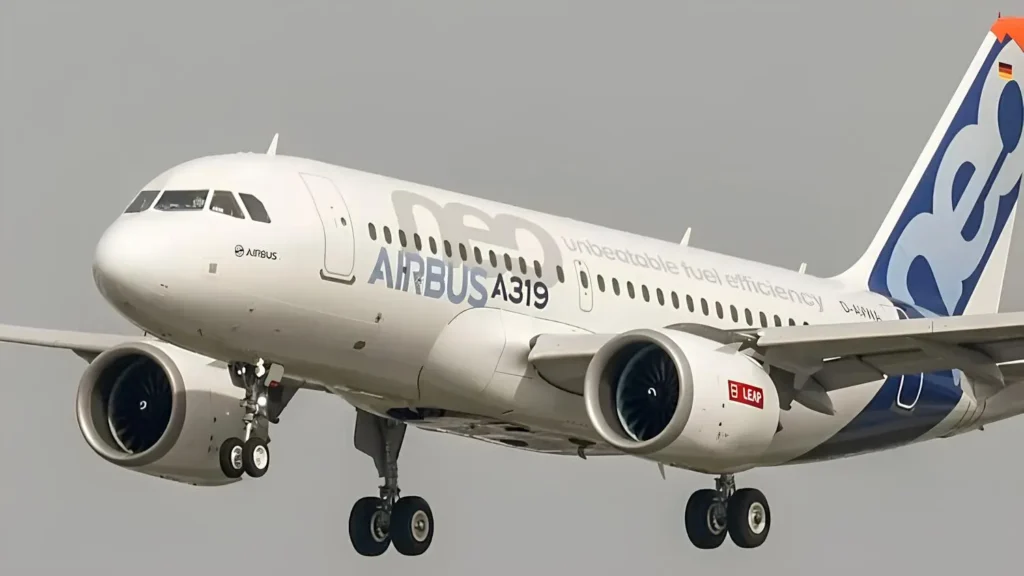
A rule based simply on where an aircraft is manufactured could affect other foreign manufacturers as well. Airbus, for example, uses a multinational production system, while modern aircraft depend on suppliers and components from several countries.
Bombardier itself has a significant US presence. The company operates facilities and service locations in the United States, and Reuters reported that it employs about 3,500 people there and works with roughly 2,800 US suppliers. Bombardier spends more than $2.5 billion annually with US suppliers, according to the report.
That makes a simple Canadian-versus-American distinction difficult to apply across the aerospace industry.
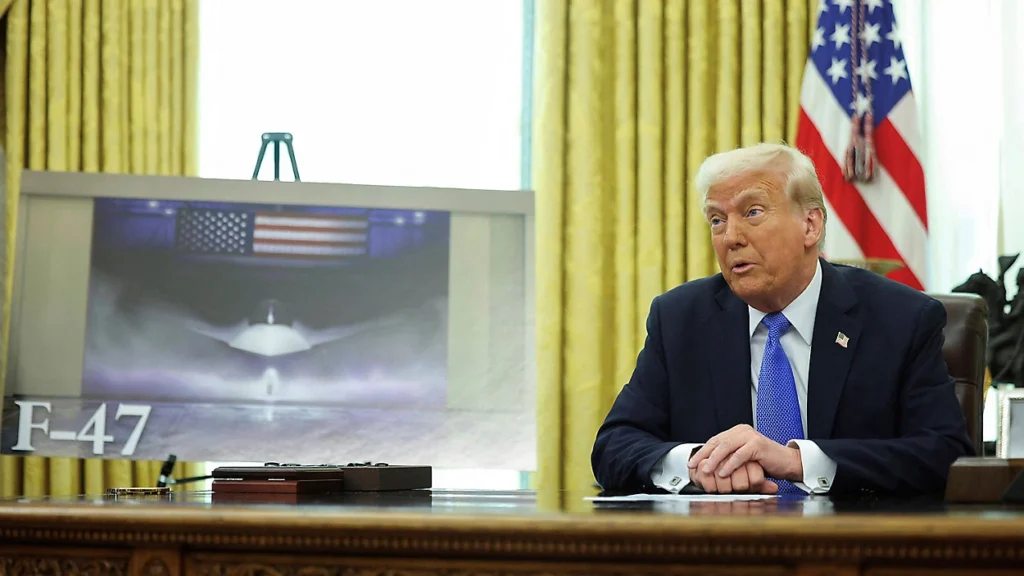
What US Sales Ban Would Mean
A restriction on new Bombardier aircraft sales would primarily affect the company’s business-jet operations and US customers rather than commercial airline fleets.
It would also have implications for US companies involved in manufacturing, maintenance, aircraft services and the supply chain. Bombardier has a substantial American economic footprint despite being headquartered in Canada.
The January threat also focused on decertification, which is different from a straightforward import tariff or commercial sales prohibition. A formal restriction would need to operate through the relevant US legal and regulatory mechanisms rather than rely only on a presidential social-media post.
OMAAT also focused on the uncertainty surrounding Trump’s statement and what an actual Bombardier sales ban would mean in practice.
That issue is central to the story. Trump’s wording clearly signals an intention to restrict Bombardier’s access to the US market, but the practical scope, legal mechanism and enforcement of such a measure are separate questions.
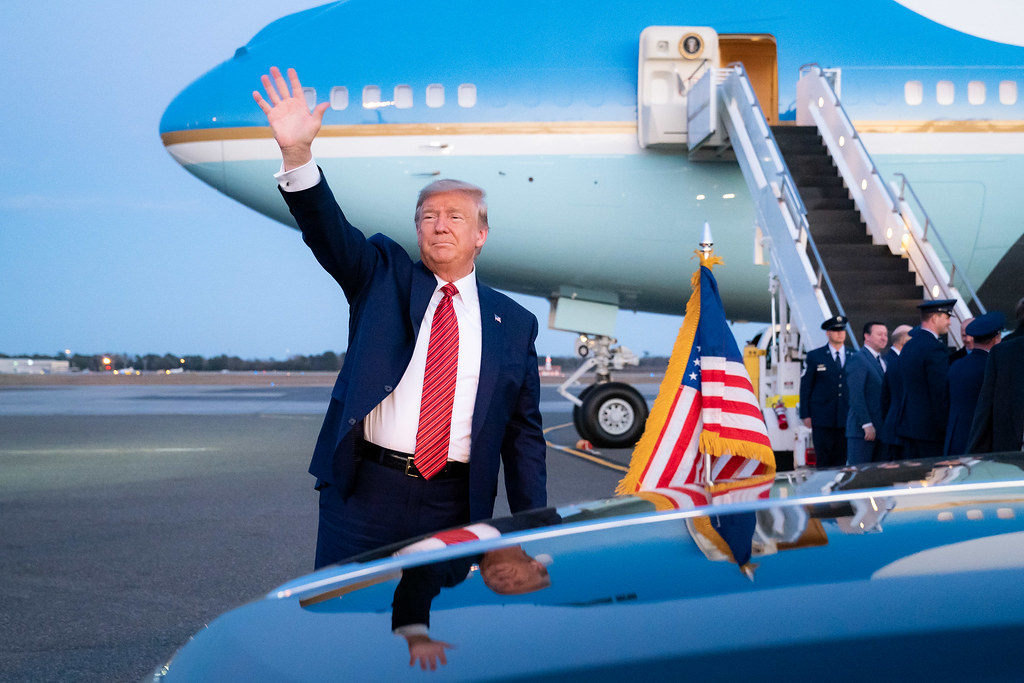
Larger US-Canada Trade Fight
The Bombardier dispute is part of broader trade tensions between Washington and Ottawa.
The company became a particularly visible target because it is a major Canadian aerospace manufacturer competing directly with US business-jet makers such as Gulfstream.
The January dispute connected that commercial competition with a disagreement over aviation certification.
The later September statement also shows that the issue did not disappear after the initial Gulfstream dispute.
Trump again said Bombardier would need to build aircraft in the United States to maintain access to the American market.
Bottom Line
Trump’s Bombardier threat combines three separate issues: Canada’s certification of Gulfstream jets, US restrictions on Canadian aircraft and the broader trade conflict between the United States and Canada.
Trump has said Bombardier should not be able to sell aircraft in the United States unless it meets his demands, while also claiming that the company depends heavily on American revenue and benefits from the US market. Those claims should remain clearly attributed to Trump.
The aviation details are equally important. Bombardier’s current lineup consists mainly of business jets, while its former CRJ regional aircraft program is no longer produced by Bombardier.
The dispute therefore concerns business aviation and aircraft certification rather than a ban on Bombardier commercial airliners.
Stay tuned with us. Further, follow us on social media for the latest updates.
Join us on Telegram Group for the Latest Aviation Updates. Subsequently, follow us on Google News
