


For many travellers, stepping onto an aircraft involves a leap of faith. Passengers trust the pilots in the cockpit, the cabin crew in the aisles, and the countless aviation professionals working behind the scenes to ensure a safe journey. Fortunately, commercial aviation remains one of the safest forms of transportation in the world.
Even so, situations do occasionally arise during a flight. A passenger may experience a medical emergency, unexpected turbulence may require additional precautions, or a technical issue could lead to a diversion or delay. When these events occur, flight attendants are often the first people responsible for managing the situation while keeping hundreds of passengers calm and informed.
What many travellers do not realise is that flight attendants are trained to communicate discreetly. Their goal is to handle problems efficiently without creating unnecessary concern among passengers. As a result, there are often subtle signs that cabin crew are dealing with something behind the scenes.
These signals are not secret codes designed to hide major emergencies. Instead, they are part of standard operating procedures intended to maintain order and allow crew members to coordinate effectively. Understanding these behaviours can help passengers feel more informed and less anxious if they notice unusual activity during a flight.
Subtle Signs Flight Attendants Are Tackling a Situation Midair
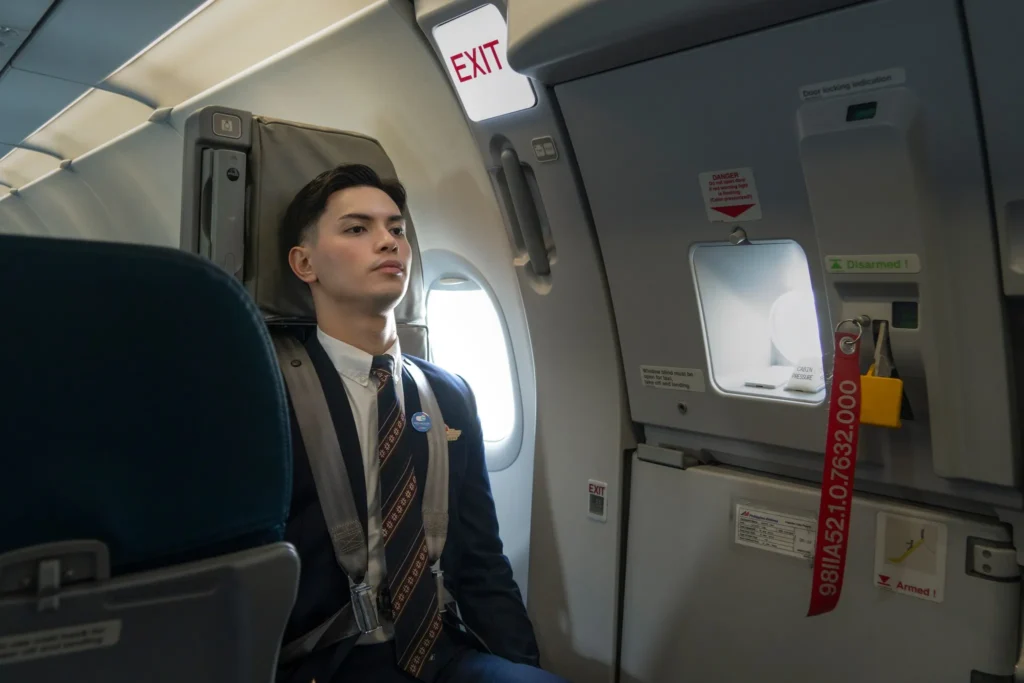
Why Flight Attendants Communicate Discreetly
One of the most important responsibilities of a flight attendant is maintaining a calm cabin environment.
Imagine if every minor issue onboard immediately triggered announcements, visible concern, or hurried reactions from crew members. Anxiety would spread quickly among passengers, particularly those who are already nervous about flying.
For this reason, cabin crew members are trained to handle many situations quietly and professionally. Whether the issue involves a passenger feeling unwell, a seating dispute, or an operational concern, flight attendants typically communicate with each other first before making any public announcements.
Discretion also protects passenger privacy. If someone becomes ill during a flight, crew members generally try to assist without drawing unnecessary attention to the individual. Respecting privacy while assisting is an important part of cabin crew training.
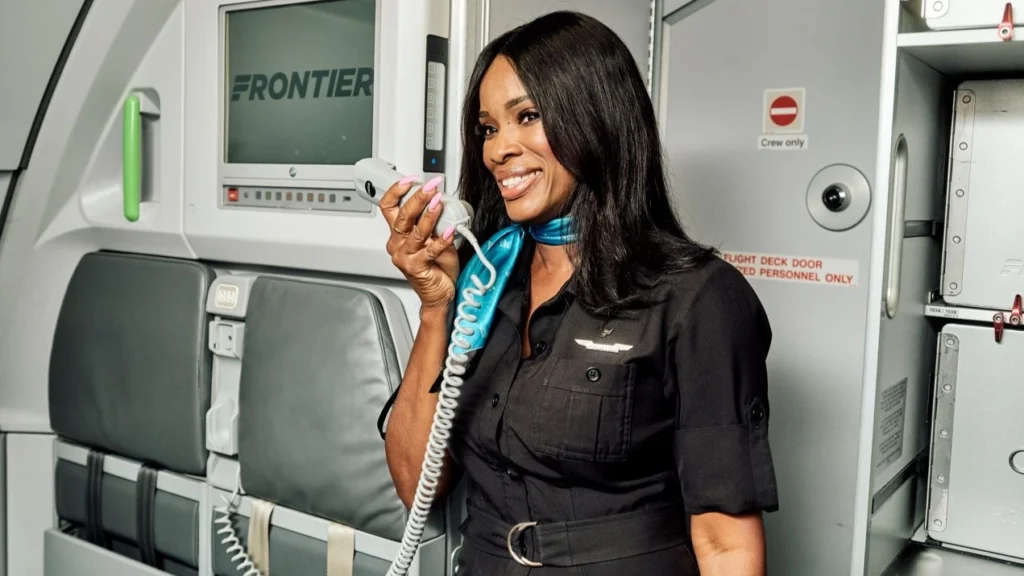
Increased Use of the Aircraft Interphone
One of the most common signs that flight attendants are actively managing a situation is increased communication through the aircraft’s interphone system.
The interphone allows crew members stationed throughout the cabin to communicate with each other and with the flight deck. Passengers may occasionally notice crew members answering calls, speaking briefly into handsets, or moving between different areas of the aircraft after receiving a message.
Sometimes travellers hear multiple notification chimes or notice indicator lights appearing on crew communication panels. While this can occasionally signal that something requires attention, it does not automatically mean there is a serious problem.
Cabin crew use these communication systems constantly throughout a flight. They discuss meal service, passenger requests, turbulence updates, connecting flight information, and operational procedures. A series of chimes may simply indicate routine communication rather than an emergency.
Nevertheless, increased interphone activity can be one of the subtle indicators that the crew is coordinating a response to a developing situation.
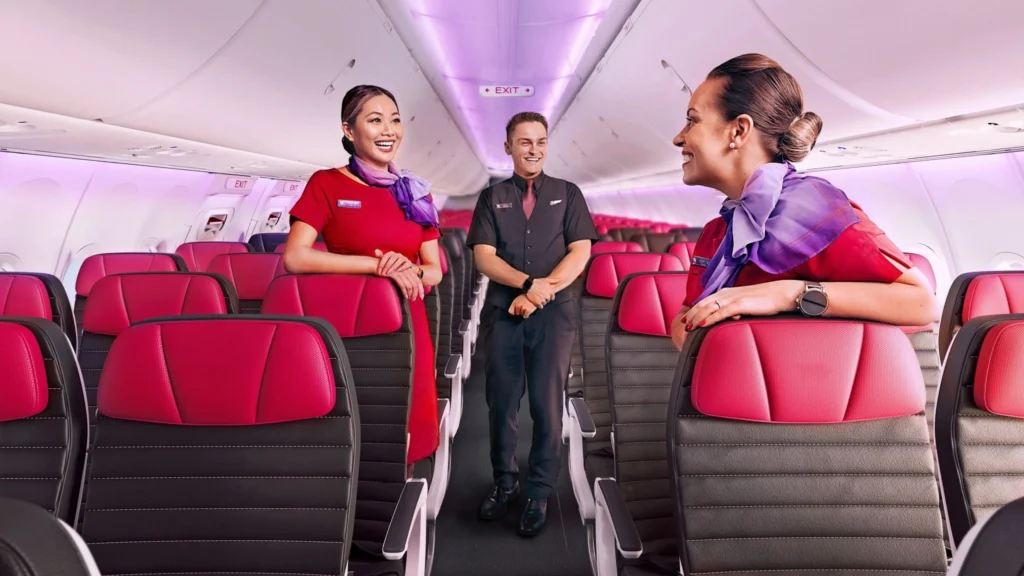
Quiet Conversations Among Crew Members
Another sign passengers may notice is more frequent communication between flight attendants.
Cabin crew often move throughout the aircraft during service, but when dealing with a specific issue, they may gather briefly in galley areas or exchange information more frequently than usual.
These discussions help ensure that all crew members understand what is happening and know their respective responsibilities.
For example, if a passenger becomes unwell, one flight attendant may provide assistance while another communicates with the cockpit and another prepares medical equipment. Effective teamwork depends on constant communication.
Importantly, these conversations are generally calm and professional. Flight attendants are trained to avoid displaying panic or stress, even when managing significant challenges.
As a result, passengers may not immediately realise that anything unusual is occurring.
Medical Situations Often Remain Private
Medical incidents are among the most common situations that flight attendants handle during flights.
A passenger may experience dizziness, dehydration, fainting, allergic reactions, or other health-related concerns. In most cases, the crew works discreetly to assist the individual while minimising disruption to the rest of the cabin.
Passengers may notice a crew member spending an extended period near a particular row or observe flight attendants retrieving medical kits from storage compartments.
Occasionally, cabin crew may make an announcement asking whether a doctor, nurse, or other medical professional is onboard. This is one of the few situations where passengers are likely to receive direct information about what is happening.
Even then, the crew generally shares only the information necessary to obtain assistance while protecting the affected passenger’s privacy.
Changes in Cabin Activity
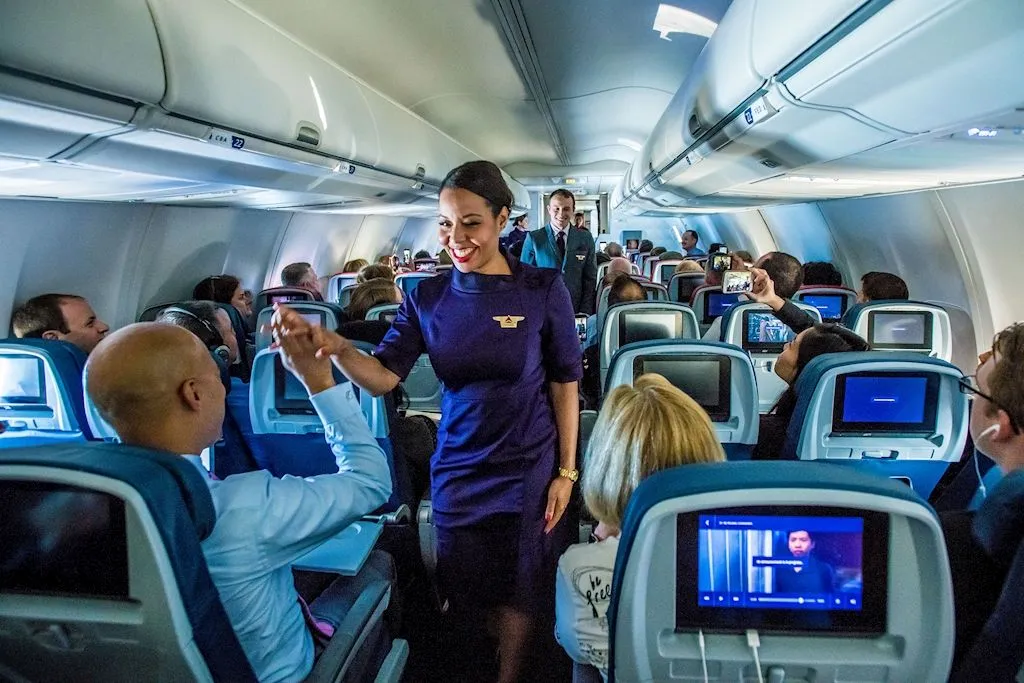
Sometimes passengers notice subtle changes in the normal rhythm of the flight.
Meal service may pause temporarily. Flight attendants may move through the cabin more frequently than usual. Additional checks may be performed, or crew members may spend more time communicating with the cockpit.
These changes can occur for many reasons.
Unexpected turbulence, weather developments, air traffic restrictions, and operational decisions can all require increased coordination among the crew.
Passengers often assume that any unusual activity indicates an emergency, but this is rarely the case. Modern airline operations involve continuous communication between the aircraft and ground-based teams, and adjustments frequently occur during routine flights.
The majority of these situations are resolved without passengers ever learning the details.

What Happens During Mechanical Concerns?
One of the biggest concerns among travellers is the possibility of a technical issue during flight.
Flight attendants emphasise that airlines generally do not keep passengers in the dark during serious operational events. If a mechanical concern affects the flight, passengers are usually informed as soon as accurate information becomes available.
In fact, cabin crew often receive updates from the pilots while simultaneously preparing to communicate those updates to passengers.
The aviation industry operates under strict safety regulations, and transparency becomes essential whenever a situation affects the aircraft’s operation.
While minor technical matters may be addressed without extensive announcements, significant issues, diversions, or emergency procedures are typically explained clearly and calmly by the flight crew.
Bottom Line
Flight attendants are trained to manage a wide range of situations while maintaining a calm and orderly cabin environment. Their use of discreet communication, interphones, quiet coordination, and professional teamwork often means passengers never fully realise when an issue is being handled behind the scenes.
Multiple chimes, increased crew communication, or unusual activity in the cabin do not automatically indicate an emergency. More often than not, they reflect routine coordination or the management of a minor situation such as a passenger illness or operational adjustment.
If a serious issue arises, airlines prioritise clear communication and passenger safety. Until then, the best approach is to remain calm, follow crew instructions, and trust the professionals whose primary responsibility is ensuring a safe flight for everyone onboard.
FAQs
Yes, flight attendants use discreet communication methods such as interphones, gestures, and crew coordination procedures to share information without alarming passengers.
No. Chimes are used for many routine purposes, including communication between crew members and the flight deck. Multiple chimes do not necessarily indicate an emergency.
Yes. If a situation significantly affects flight safety or operations, pilots and cabin crew will normally provide updates and instructions to passengers.
Stay tuned with us. Further, follow us on social media for the latest updates.
Join us on Telegram Group for the Latest Aviation Updates. Subsequently, follow us on Google News
