


NEW DELHI- India has expanded its airport network from 74 airports in 2014 to 166 today. The government now plans to develop 100 more airports over the next 10 years under the Modified UDAN regional connectivity scheme.
Civil Aviation Minister K. Ram Mohan Naidu said the expansion will focus on tier 2 and tier 3 cities, Himalayan regions, remote areas and islands such as Lakshadweep and Andaman.
The Cabinet approved ₹28,840 crore for Modified UDAN for FY 2026-27 to FY 2035-36, while the minister described the planned airport expansion as an investment of approximately ₹30,000 crore.

India Plans 100 Airports Under Modified UDAN
The government plans to develop 100 airports over the next decade through Modified UDAN, the regional connectivity scheme.
Naidu said the programme builds on the changes created by UDAN over the past decade and represents the next phase of India’s aviation expansion.
The Union Cabinet approved Modified UDAN in March 2026 for 10 years from FY 2026-27 to FY 2035-36. The approved outlay is ₹28,840 crore, supported by the Centre’s budget.
Naidu said India had 74 airports in 2014 and now has 166. He also said the country completed work on a new airport or a new terminal roughly every 40 days during the past 12 years.
The expansion will target growing demand for air connectivity outside India’s major cities. Naidu said demand now comes from tier-2 and tier-3 cities as well as Himalayan regions, remote areas and islands.
People are increasingly seeking airports in their own towns rather than relying only on railway stations or train services. The government said the aviation expansion will respond to this demand by improving connectivity in underserved areas.
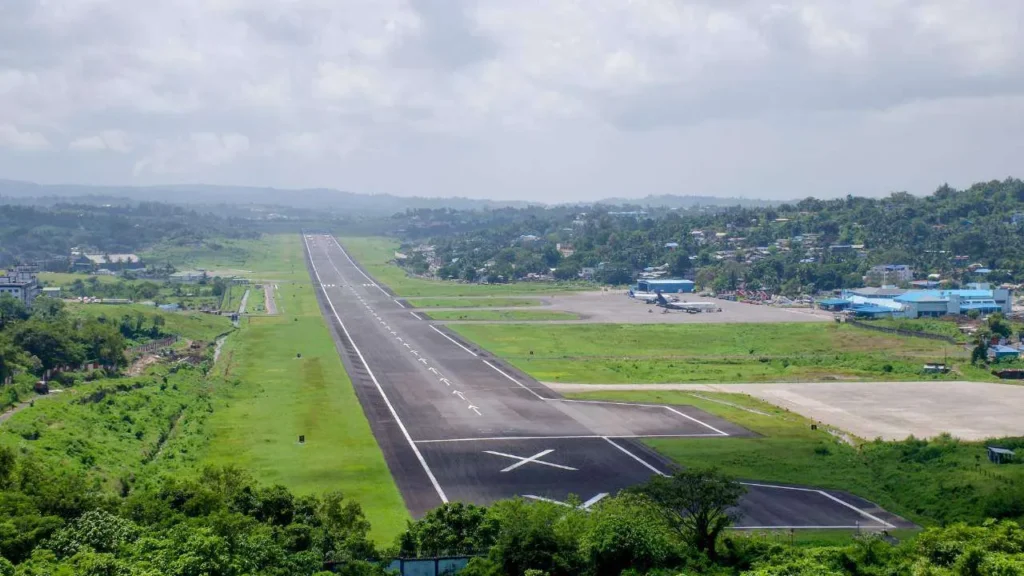
Connecting Remote and Island Regions
Naidu specifically highlighted regions such as Lakshadweep and Andaman, along with Himalayan and other remote areas.
The expansion is intended to make air travel more accessible across a wider part of India.
The minister said the demand for airport connectivity is coming from communities across different regions rather than only from major urban centres.
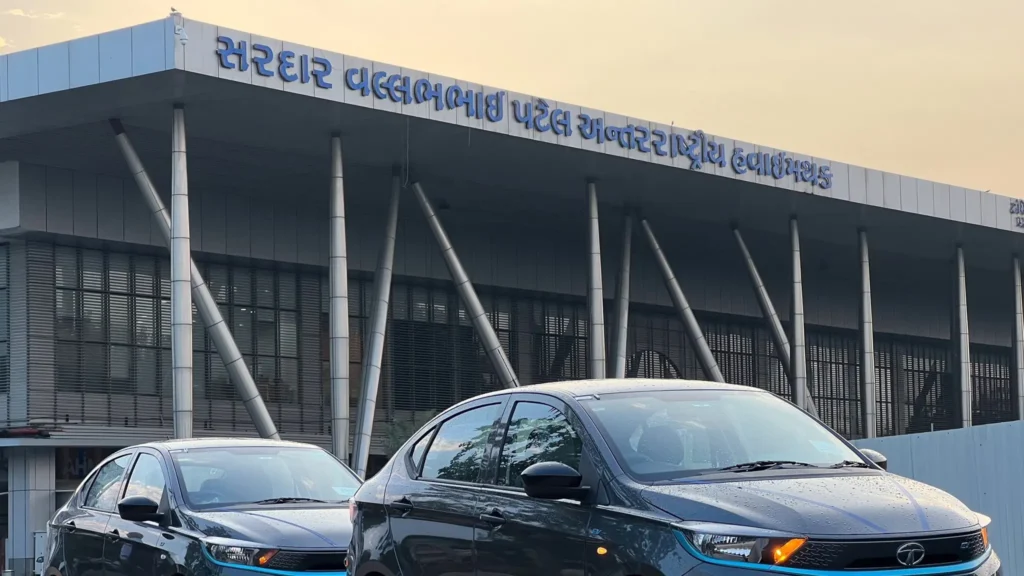
Ahmedabad Joins Hub-and-Spoke Network
Naidu inaugurated India’s third hub-and-spoke operation from Ahmedabad airport. The initiative follows operations launched at Varanasi and Amritsar, where the response was described as very positive.
The hub-and-spoke model is designed to connect passengers from regional airports with international destinations through major Indian hubs.
Naidu said the strategy is aimed at transforming India into a global aviation hub by improving international connectivity for passengers across the country.
Delhi is a major example of the existing hub model. Naidu said the capital provides direct connectivity to 54 destinations.
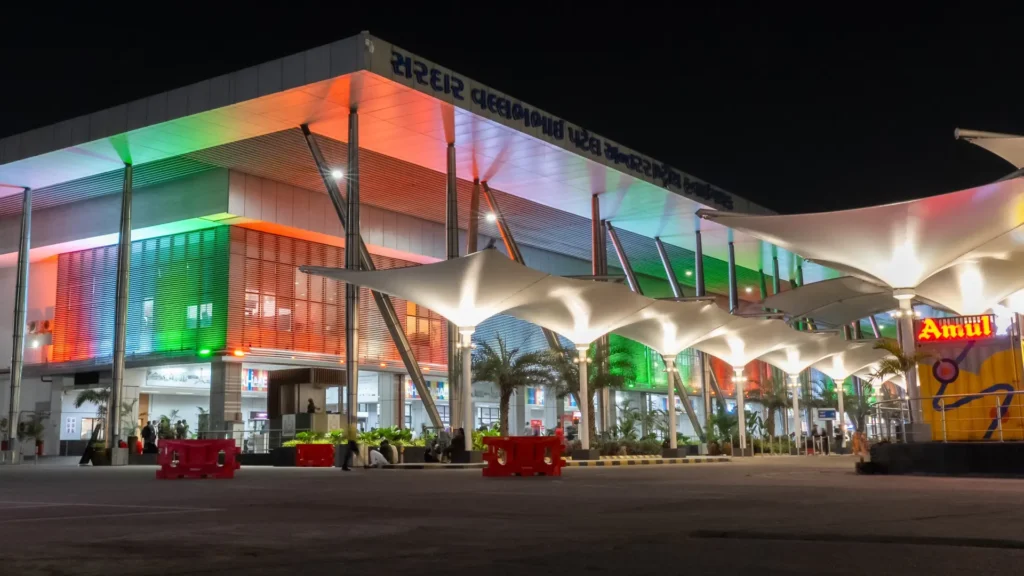
Why Ahmedabad Was Selected
Ahmedabad was selected because of the large NRI community from Gujarat and Ahmedabad living across the world.
Naidu said the ministry had also been receiving constant requests for better connectivity from the region.
He expressed confidence that Ahmedabad would outperform other airports operating the hub-and-spoke model at a similar scale. He said the initiative is being developed with a focus on passenger convenience.
Naidu said the main challenge is no longer only the construction of airports but also how effectively those airports are connected domestically and internationally.
The hub-and-spoke model is intended to address this gap by linking international services with domestic connectivity. The approach combines existing international airport infrastructure with stronger connections for passengers travelling from other parts of the country.

Aviation’s Economic Role
Naidu described civil aviation as India’s fastest-growing sector and highlighted its ability to generate economic activity and employment.
He said the impact of aviation extends beyond airports by connecting different groups of people within cities and across regions. He also said that advancing airports and aviation supports broader national development.
Gujarat, he added, plays a pivotal role in the National Civil Aviation Policy.
Gujarat Chief Minister Bhupendra Patel and Deputy Chief Minister Harsh Sanghavi were also present at the Ahmedabad event.
Stay tuned with us. Further, follow us on social media for the latest updates.
Join us on Telegram Group for the Latest Aviation Updates. Subsequently, follow us on Google News
