

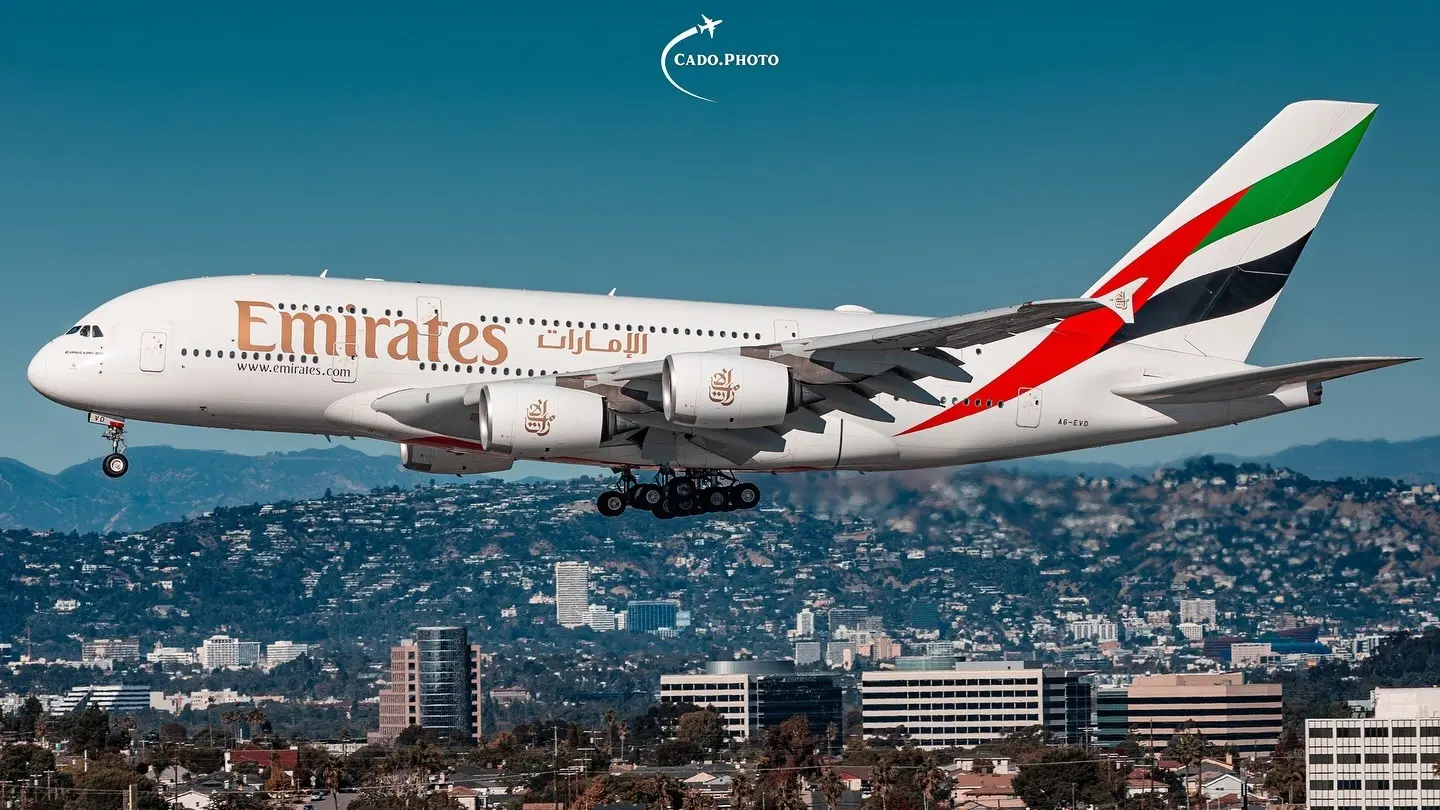
DUBAI- Emirates (EK) Airbus A380 crew operating flight EK203 from Dubai International Airport (DXB) to John F. Kennedy International Airport (JFK) faced questions from New York Approach after changing frequency without confirming their assigned speed on August 23, 2026.
The A380 crew initially declined a 180-knot instruction and switched to Kennedy Tower, prompting Approach to make repeated calls before directing the aircraft back to the previous frequency.
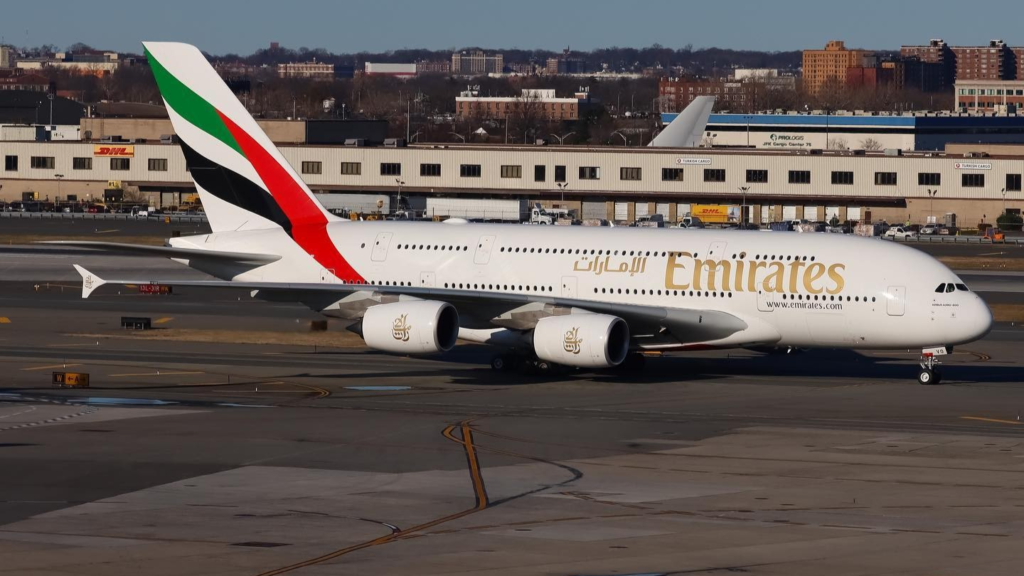
Emirates A380 Crew Draws Attention From JFK Approach
The incident involved Emirates Airbus A380-800, registration A6-EVF, operating flight UAE8ER / EK203 from Dubai to New York JFK.
During the approach to JFK, the aircraft was established for the ILS approach to Runway 22L and was instructed by the Approach controller to maintain 180 knots and then contact Kennedy Tower on 119.1.
The crew responded with Unable before changing to the Tower frequency. The controller then attempted several times to determine what speed the aircraft could maintain.
The recorded communications show the controller asking the crew to state their achievable speed, followed by calls asking whether they were still listening. The crew did not respond before contacting Kennedy Tower.
ALSO READ: All Nippon Airways Pilot And New York ATC Involved in Argument
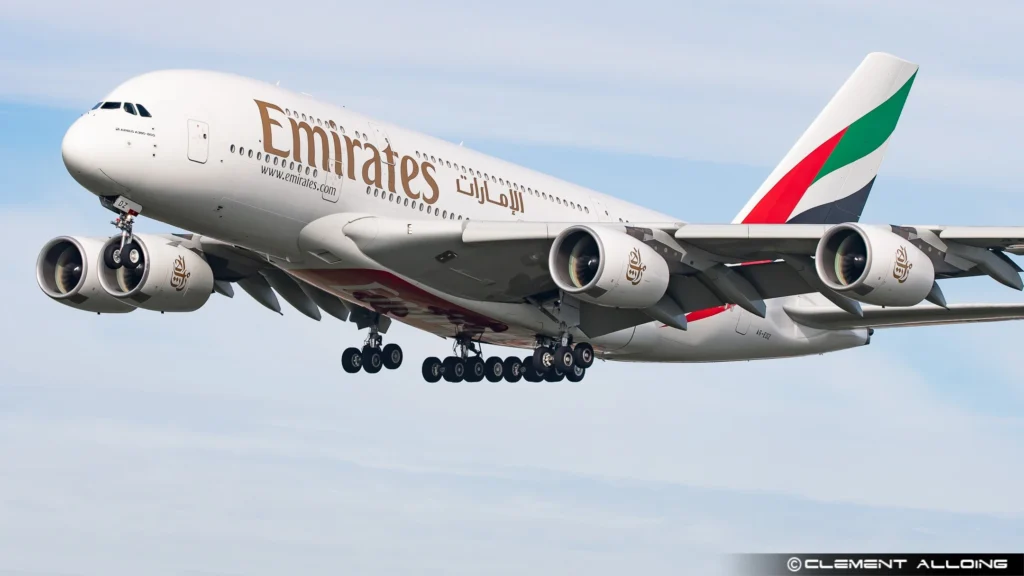
Crew Returns to Previous Frequency
After establishing contact with Kennedy Tower, the Emirates crew reported that it was reducing speed to 150 knots while about eight miles from the airport.
The Tower controller then instructed the crew to return to the previously assigned Approach frequency, 132.4. The crew acknowledged the instruction and returned to Approach.
Once back on frequency, the Approach controller again asked what speed the A380 could maintain. The crew reported that it was reducing to 160 knots.
The controller explained that the crew needed to communicate its intended speed rather than switching directly to Tower. The controller also noted that the information was important for managing traffic behind the A380, particularly aircraft that might need to slow because of the A380’s size and operating characteristics.
The exchange ended with Approach authorizing the Emirates crew to contact Kennedy Tower again on 119.1.
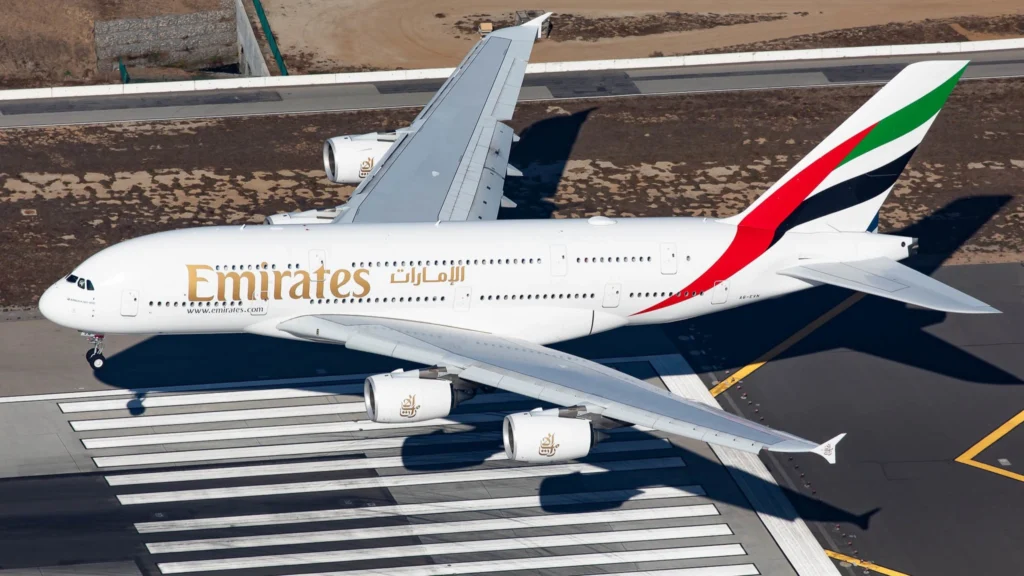
Emirates A380 Cleared to Land on Runway 22L
After returning to Tower frequency, the Emirates A380 was cleared to land on Runway 22L. The controller reported winds from 250 degrees at 10 knots.
Following landing, the aircraft was instructed to taxi via Zulu and hold short of Runway 31L. The crew acknowledged the instruction and subsequently received clearance to cross Runway 31L and continue on Zulu.
The Tower controller also asked the Emirates crew to contact its ramp operation to confirm gate availability. The crew was advised that Alpha 7 was available, although other traffic was present.
ALSO READ: Air France A350 Pilots Denied Clearance by Chicago O’Hare, Flight Returns to Paris
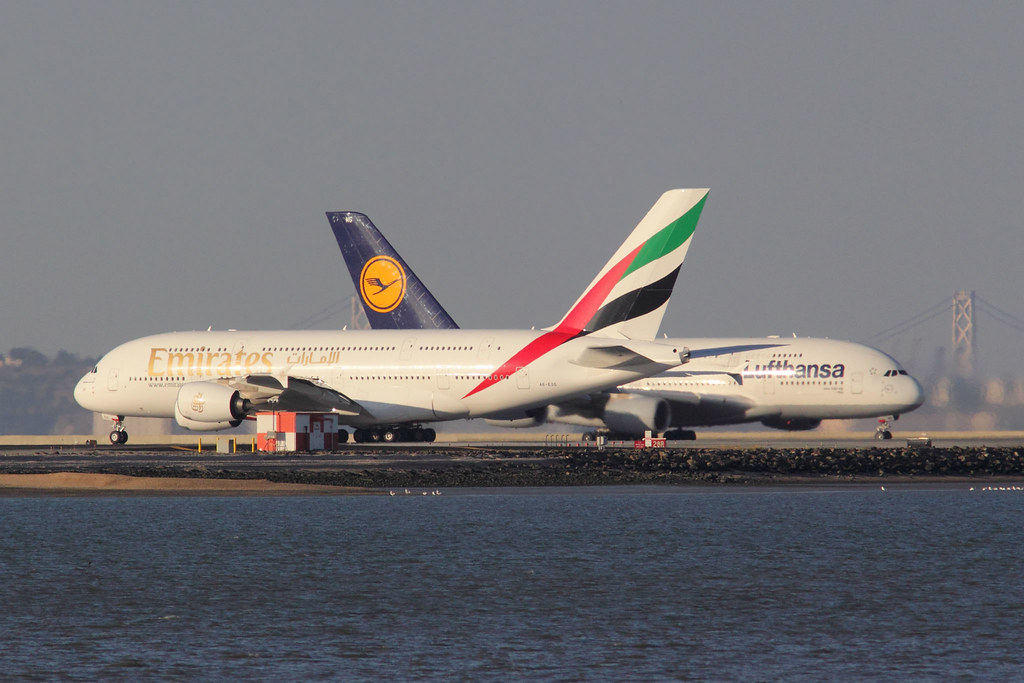
New York Approach Requests Contact With Emirates
After the aircraft landed, Kennedy Tower told the Emirates crew that New York Approach wanted them to make a telephone call and provided a number for the crew to copy.
The communication indicates that the request followed the earlier frequency change and the failure to establish the A380’s intended speed with Approach before transferring to Tower.
The available exchange does not state that the aircraft encountered a safety-critical situation. Instead, the communications center on coordination between the flight crew and air traffic control during the arrival.
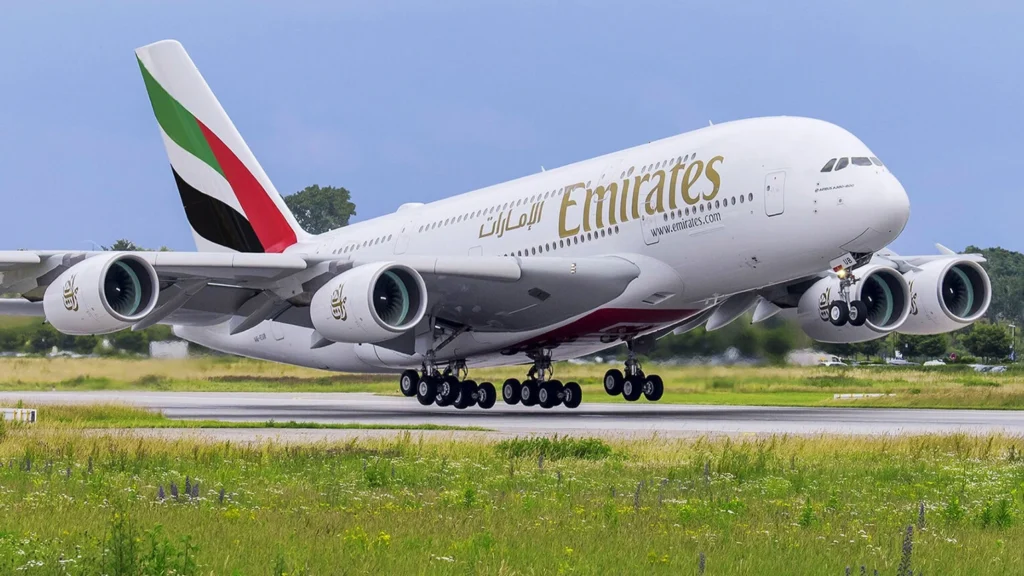
Why Speed Coordination Matters During A380 Arrivals
Speed control is an important tool for air traffic controllers when sequencing aircraft on approach. Controllers can assign speeds to maintain spacing between arriving aircraft and accommodate different aircraft performance characteristics.
An Airbus A380 requires particular consideration because of its size and wake turbulence category. Traffic following a large aircraft may require additional spacing or speed adjustments depending on the circumstances.
In this case, the Approach controller specifically told the Emirates crew that knowing its intended speed would allow the controller to accommodate traffic behind the A380.
The exchange highlights the importance of confirming speed restrictions and frequency changes during a busy arrival sequence. When a flight crew cannot comply with an assigned speed, communicating the speed it can maintain allows the controller to adjust the sequence accordingly.
Emirates Pilots and JFK ATC Communication
Here’s a detailed transcript of communication between Emirates EK203/UAE8ER pilots and New York JFK ATC as flagged by YouCanSeeATC:
FK Approach: Emirates 8ERO, maintain 3,000 feet, establish on the localizer, cleared to land Runway 22L.
Emirates Crew: 3,000 feet established, cleared Runway 22L, Emirates 8ERO.
JFK Approach: Emirates 8ERO, maintain 180 knots, then contact Kennedy Tower 119.1.
Emirates Crew: Unable. Emirates 8ERO, contact Tower 119.1. Speed able to do.
JFK Approach: Emirates 8ERO, say speed able to do.
JFK Approach: Emirates 8ERO, what speed are you able to do?
JFK Approach: Emirates 8ERO, hello, are you there?
Emirates Contacts JFK Tower
Emirates Crew: Kennedy Tower, good day, Emirates 8ERO. We left Runway 22L, we’re eight miles and reducing speed to 150 knots.
JFK Tower: Emirates 8ERO, return to your previously assigned frequency 132.4.
JFK Tower: Emirates 8ERO?
Emirates Crew: Yes, Emirates 8ERO.
JFK Tower: Return to your previously assigned frequency.
Emirates Crew: Okay, you changed that, 324.
Approach Questions the Crew About Speed
JFK Approach: Emirates 8ERO, what speed are you able to do?
Emirates Crew: Reducing to 160.
JFK Approach: Okay, well, you’re supposed to let me know instead of just switching to Tower, because we didn’t switch you. If you need a speed, I can accommodate with traffic behind if you need so.
JFK Approach: Contact Kennedy Tower 119.1.
Emirates Crew: Okay, so which one is it? We’re reducing speed to 160. Do you want me to stay on your frequency or do you want me to change to Tower?
JFK Approach: You can change to Tower now, but you can’t just switch to the frequency if I have to have a speed to maintain with slower guys behind you who need to slow because of your aircraft type.
Emirates Crew: Okay, Tower, bye.
JFK Tower Clears Emirates to Land
Emirates Crew: Emirates Tower, Emirates 8ERO.
Emirates Crew: Emirates Tower, Emirates 8ERO.
JFK Tower: Emirates 8ERO, Kennedy Tower. Wind 250 at 10, Runway 22L, cleared to land.
Emirates Crew: Cleared to land 22L.
After Landing
JFK Tower: Emirates 8ERO, taxi Zulu, hold short of Runway 31L.
Emirates Crew: Zulu, hold short 31L, Emirates 8ERO.
JFK Tower: Emirates 8ERO, call your ramp and find out if your gate’s available.
Emirates Crew: Alpha 7 is available to expect a Gulf entry, but there’s traffic apparently.
JFK Tower: Emirates 8ERO, super. Cross Runway 31L, continue Zulu and hold short of Gulf.
Emirates Crew: Zulu, hold short of Gulf, Emirates 8ERO. Super, cleared to cross 31L.
JFK Approach Requests a Phone Call
JFK Tower: Emirates 8ERO, super. New York Approach wants you to give them a call, so I have a phone number for you to copy whenever you’re ready.
Emirates Crew: Okay, standby one.
Emirates Crew: Confirm we’re number one, Emirates 8ERO, super.
JFK Tower: What is your question, Emirates 8ERO, super?
Emirates Crew: We’re crossing 31L, continuing on Zulu. Confirm we’re number one. We have traffic, Delta 67.
JFK Tower: Yes sir, you’re number one.
JFK Tower: Emirates 8ERO, super, no delay please, everyone’s waiting for you.
Emirates Crew: Roger, and I’m ready to copy that number, Emirates 8ERO.
Stay tuned with us. Further, follow us on social media for the latest updates.
Join us on Telegram Group for the Latest Aviation Updates. Subsequently, follow us on Google News
