

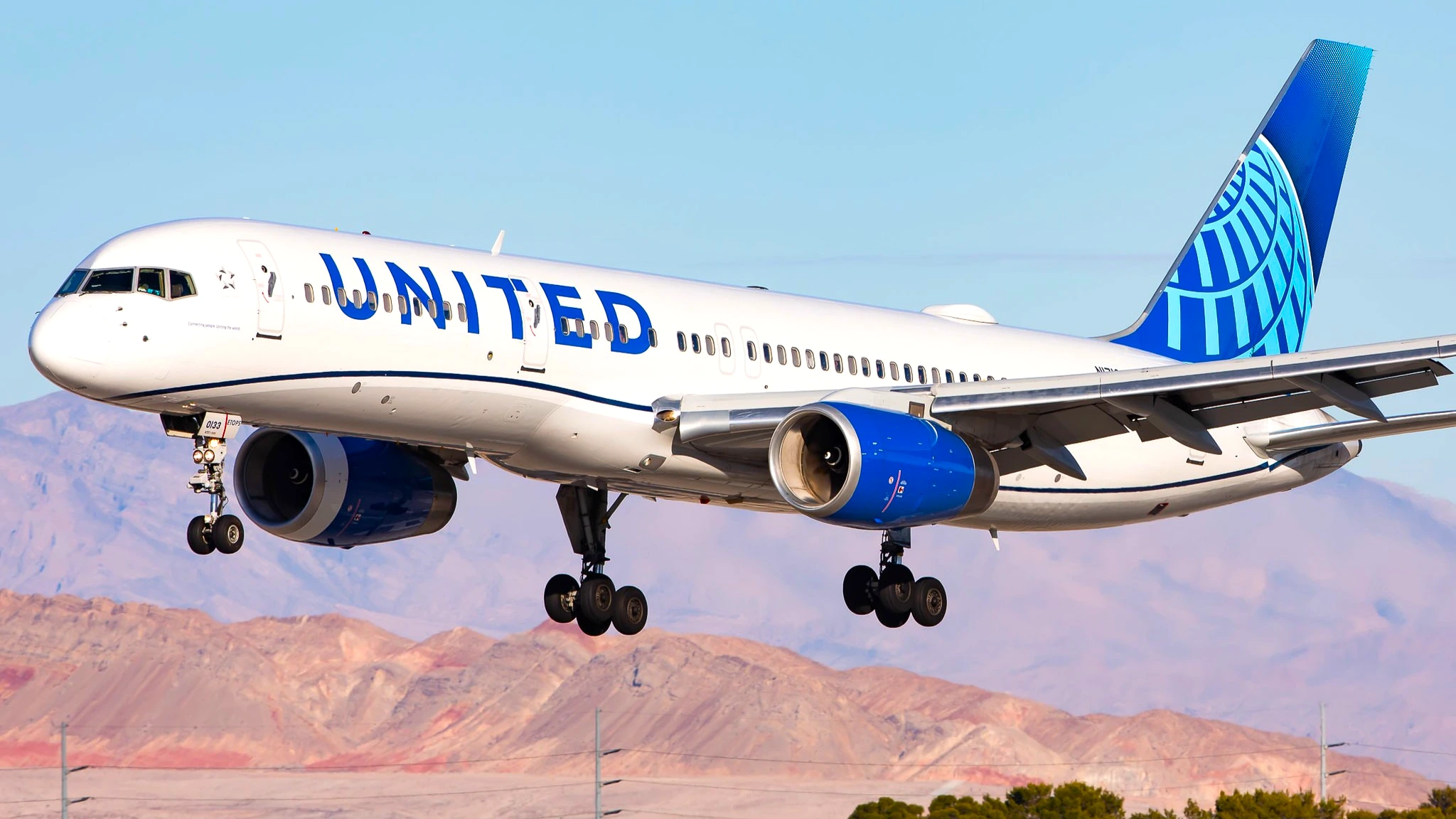
CHICAGO- United Airlines (UA) flight UA119 from Edinburgh (EDI) to Chicago O’Hare (ORD) faced a major disruption on July 27, 2026, after severe weather forced the Boeing 757 to divert to Austin Straubel (GRB) in Green Bay, Wisconsin.
Passengers then faced additional delays after the flight crew reached its legal duty limit while preparing to continue to Chicago. Flight tracking data shows UA 119 eventually reached O’Hare at 11:14 PM CDT, about 9 hours after its scheduled arrival.
The disruption left passengers at Green Bay for almost 9 hours, including about 4 hours onboard the aircraft and roughly 5 hours in a controlled area outside the airport’s customs facility.
The incident combined severe weather, crew-duty restrictions and international passenger-processing requirements, creating a difficult recovery operation.
United 757 Diverted to Green Bay After Severe Storms
The incident began on July 27, when severe thunderstorms affected the Chicago area and disrupted numerous flights.
The National Weather Service later recorded several tornadoes during the event, while reports from the region documented wind gusts reaching around 100 mph.
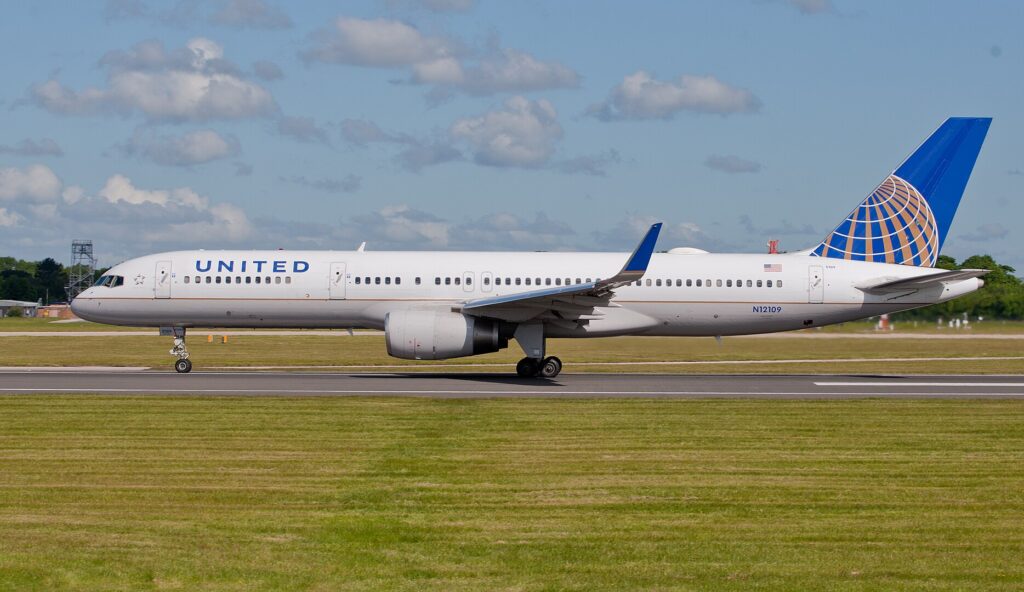
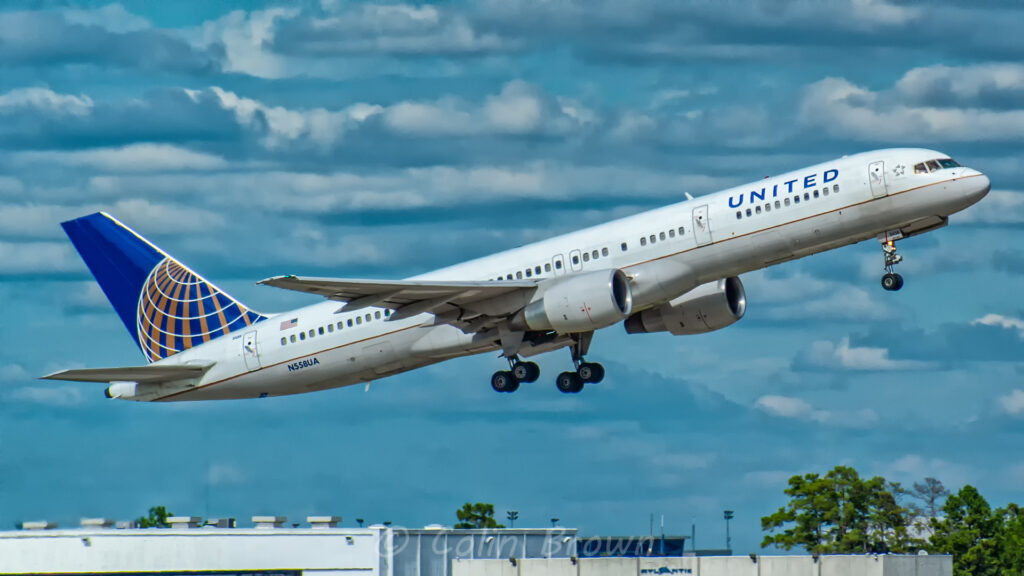
United’s daily UA119 was operating from Edinburgh to Chicago on a Boeing 757-200, registration N14120. The aircraft departed Edinburgh at approximately 11:55 AM local time and was scheduled to arrive at Chicago O’Hare at about 2:05 PM.
Flight tracking records confirm that N14120 operated UA119 on July 27 and eventually reached Chicago later that night.
As weather conditions deteriorated around Chicago, the flight diverted to Green Bay, approximately 175 miles north of Chicago. The diversion itself was caused by the weather, but the resulting ground delay created additional problems for the passengers and crew.
After landing at Austin Straubel International Airport, passengers remained onboard the aircraft for about four hours while United dealt with the diversion and prepared for a possible continuation to Chicago.
Passenger Heather Fields told ABC7 Chicago that conditions became increasingly difficult during the wait. She said the aircraft’s bathrooms filled up, toilet paper became scarce and food supplies ran out.
The prolonged onboard wait was only the first stage of the disruption. Once the aircraft was eventually prepared to leave Green Bay, passengers were told that the original crew could no longer operate the flight.
Fields said the pilot announced that the crew had reached its FAA duty limit and that the aircraft would have to return from the taxi toward the runway while United arranged a replacement crew.
That decision added another operational problem to a delay that had already lasted several hours.
Crew Duty Limit Forced the Aircraft to Stop
US airline flight crew operations are governed by the FAA’s flight, duty and rest regulations under 14 CFR Part 117. The rules establish limits on flight duty periods and are intended to prevent fatigue from compromising flight safety.
The time a crew spends handling a diversion and remaining on the ground can consume part of its permitted duty period. As the Green Bay delay continued, the original UA119 crew no longer had enough legal duty time to operate the next segment to Chicago.
The aircraft had already begun taxiing toward departure before the crew timed out. Rather than continue beyond the applicable limit, the crew returned the aircraft to the ramp.
This meant the aircraft was available, but the flight could not legally proceed until United arranged a new crew.
Passengers Waited Outside the Customs Facility
Because UA119 was an international flight arriving from the United Kingdom, passengers needed to complete US customs and immigration processing before they could enter the normal airport environment.
Austin Straubel’s CBP fact sheet lists regular office hours of 8:00 AM to 4:00 PM Monday through Friday. It also states that inspection services for arriving international aircraft can be provided 24 hours a day, 7 days a week when the required permission-to-land procedures are arranged in advance.
This distinction is important. The issue was not simply that Green Bay could never process an international arrival after normal office hours. Rather, the passengers were dealing with a diverted flight whose required CBP processing arrangements were unavailable at the time they needed to deplane.
According to United, CBP officers were unable to clear the customers but permitted them to leave the aircraft into a controlled area on the airport tarmac.
Passengers therefore remained outside the customs facility for roughly five hours while United arranged a replacement crew and worked through the international processing requirements.
The timing made the situation particularly difficult. The aircraft had landed just after 2:00 PM, but passengers remained onboard for almost 4 hours. By the time they were removed from the aircraft, normal CBP office hours had ended.
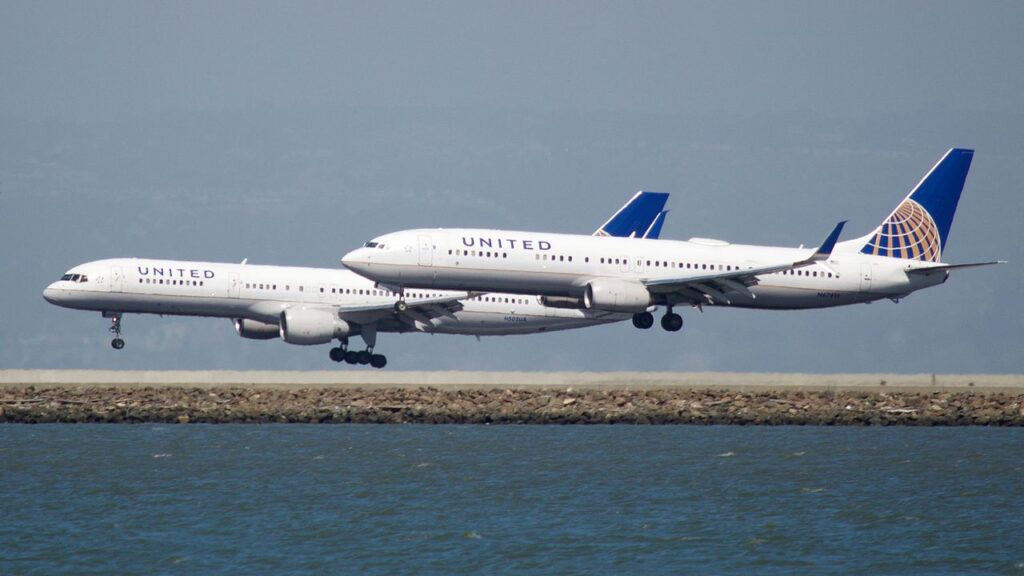
United’s Planned Departure
The length of the delay is clear from the flight’s operating timeline.
United had initially planned for the aircraft to leave Green Bay for Chicago at about 3:05 PM Instead, the aircraft remained at the airport for several more hours.
Flight tracking data shows the Boeing 757 eventually pushed back at approximately 10:19 PM and landed at Chicago O’Hare at about 10:55 PM, completing the Green Bay-to-Chicago flight in roughly 37 minutes. The broader flight history records the aircraft reaching Chicago at 11:14 PM CDT, reflecting the tracking methodology used for the flight record.
As reported by Simple Flying, The delay between the planned recovery departure and the eventual operation illustrates how the crew time-out and subsequent replacement process extended the disruption well beyond the original weather diversion.
Multiple Problems Prolonged the Delay
The Green Bay incident developed through several separate operational stages rather than one single failure.
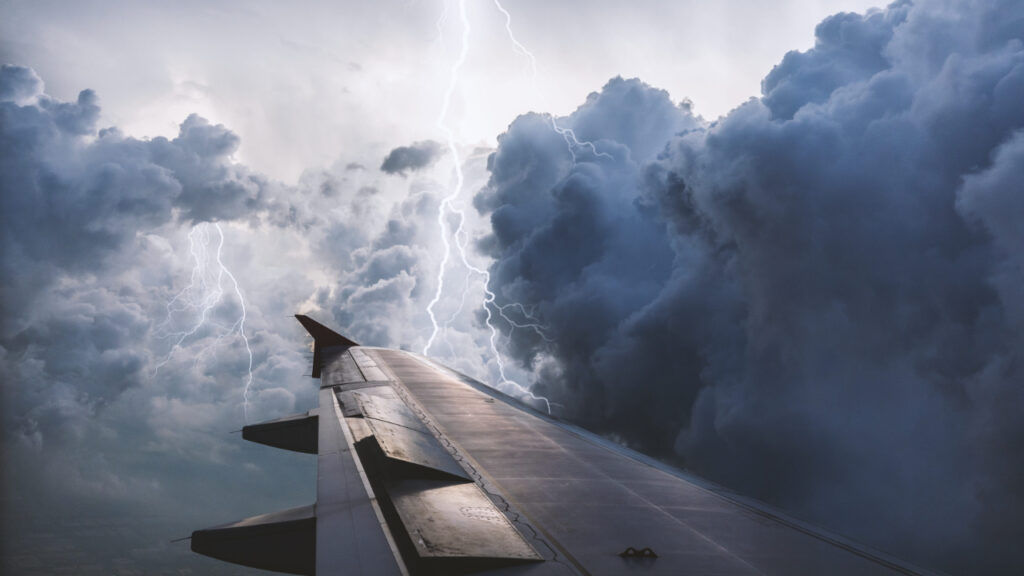
The severe weather around Chicago created the initial diversion. The four-hour ground delay then consumed the original crew’s available duty time. Once the crew could no longer continue, United needed a replacement crew.
At the same time, the international status of the passengers required appropriate CBP processing before they could move into the normal terminal environment.
Each issue added time to the recovery process. That combination explains why passengers remained in Green Bay for almost nine hours even though the actual flight from Green Bay to Chicago took less than an hour.
Tarmac Rules Cover Food, Water and Deplaning
Federal tarmac-delay regulations under 14 CFR §259.4 require covered carriers to provide passengers on international flights at a US airport an opportunity to deplane before a tarmac delay exceeds 4 hours, subject to specified safety, security and air-traffic-control exceptions.
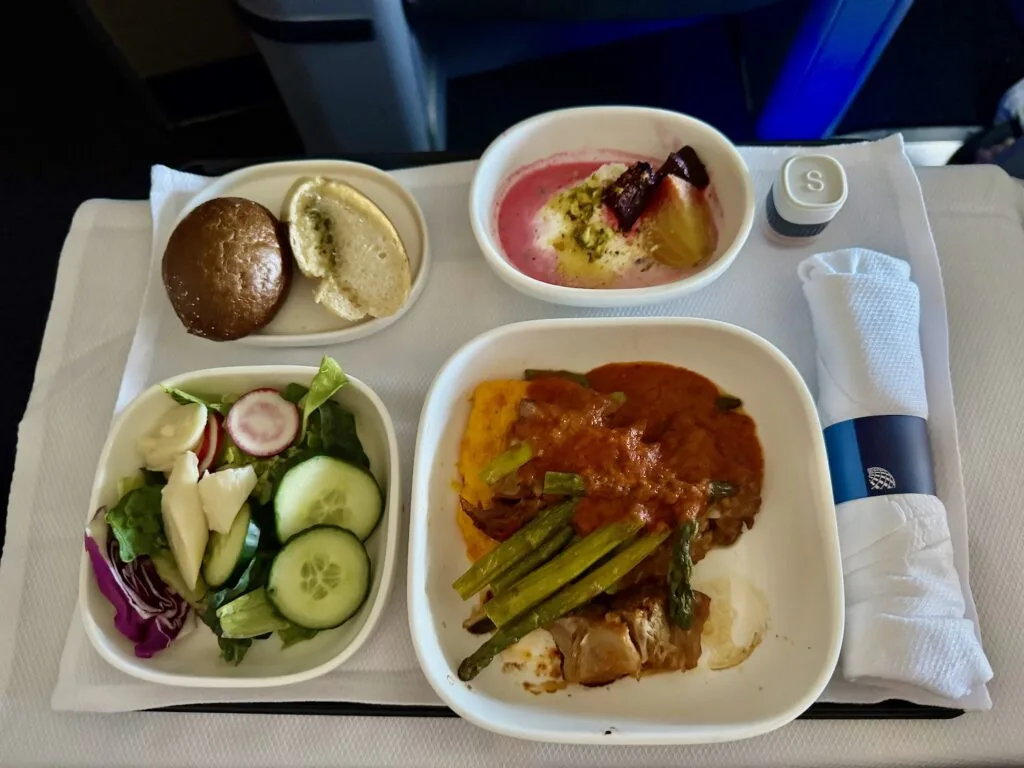
The rule also requires adequate food and potable water within 2 hours, unless safety or security considerations prevent service, and requires operable lavatories during the delay.
The regulation also includes specific language covering diversions. Carriers must notify passengers when a suitable opportunity to deplane exists, subject to the exceptions in the rule.
These requirements are separate from passenger compensation rules. A long delay does not automatically create a right to cash compensation, particularly when severe weather is the initial cause of the disruption.
The circumstances surrounding UA119 therefore need to be assessed separately under the applicable tarmac-delay requirements and any refund or compensation rights that may apply.
Passenger Compensation Was Increased upto $500
Fields, who was connecting onward to Denver, said she ultimately arrived about 20 hours behind schedule.
She also said United initially offered her $200 in flight credit before increasing the offer to $500.
The amount offered by an airline can depend on the circumstances and the carrier’s policies. Severe weather is generally treated differently from controllable causes such as certain mechanical or staffing issues when determining whether compensation is legally required.
US Department of Transportation rules provide refund protections when a flight is canceled or experiences a significant delay or significant schedule change and the passenger chooses not to accept the transportation offered. Those refund rights are distinct from voluntary travel credits or other goodwill offers.
Similar Incident
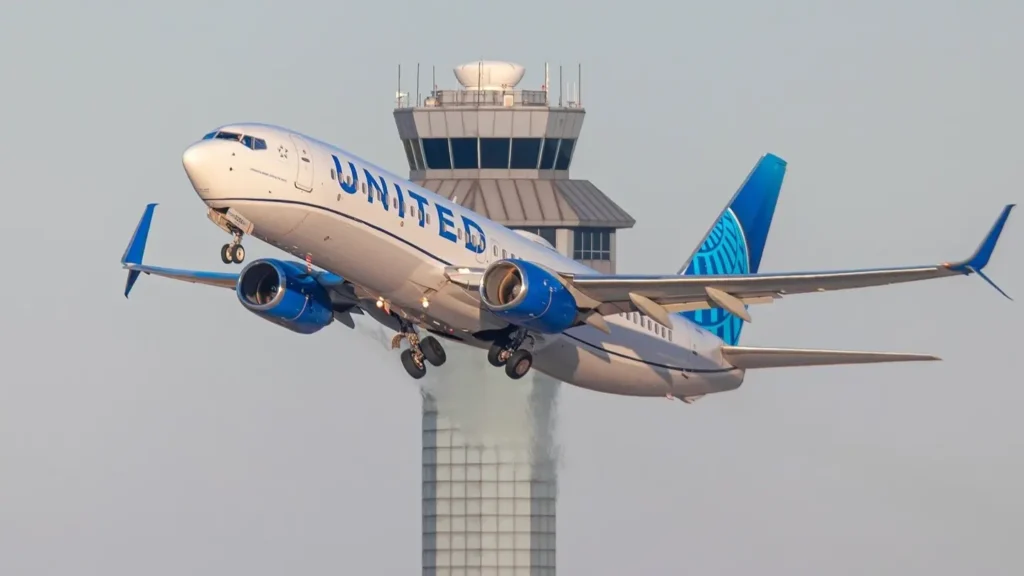
UA119 was not the only United flight affected by crew-duty limits after a weather diversion during the summer.
On June 14, 2026, United flight UA404 was scheduled to fly from Houston George Bush Intercontinental Airport (IAH) to Newark Liberty International Airport (EWR). The Boeing 737 MAX 9 diverted to Washington Dulles International Airport (IAD) because of weather near Newark.
After refueling at Dulles, the aircraft pushed back at about 2:48 a.m. and returned to the gate at approximately 3:16 a.m. Passengers reported that the pilot had reached the duty limit, with one passenger saying the limit was exceeded by only one minute. That one-minute claim was a passenger account and was not independently verified by United.
The comparison is relevant because both incidents show how weather disruptions can consume crew availability even after an aircraft reaches a diversion airport and appears ready to continue.
Crew-duty restrictions can create significant passenger disruption, but the underlying purpose is fatigue management.
A flightcrew member cannot simply continue operating because an aircraft is ready or passengers have already waited for several hours. The legality of a departure depends on whether the crew remains within the applicable limits for the planned operation.
In the case of UA119, the weather diversion and prolonged ground time used up the original crew’s available duty period. Replacing that crew became necessary before the aircraft could legally continue to Chicago.
Stay tuned with us. Further, follow us on social media for the latest updates.
Join us on Telegram Group for the Latest Aviation Updates. Subsequently, follow us on Google News
