

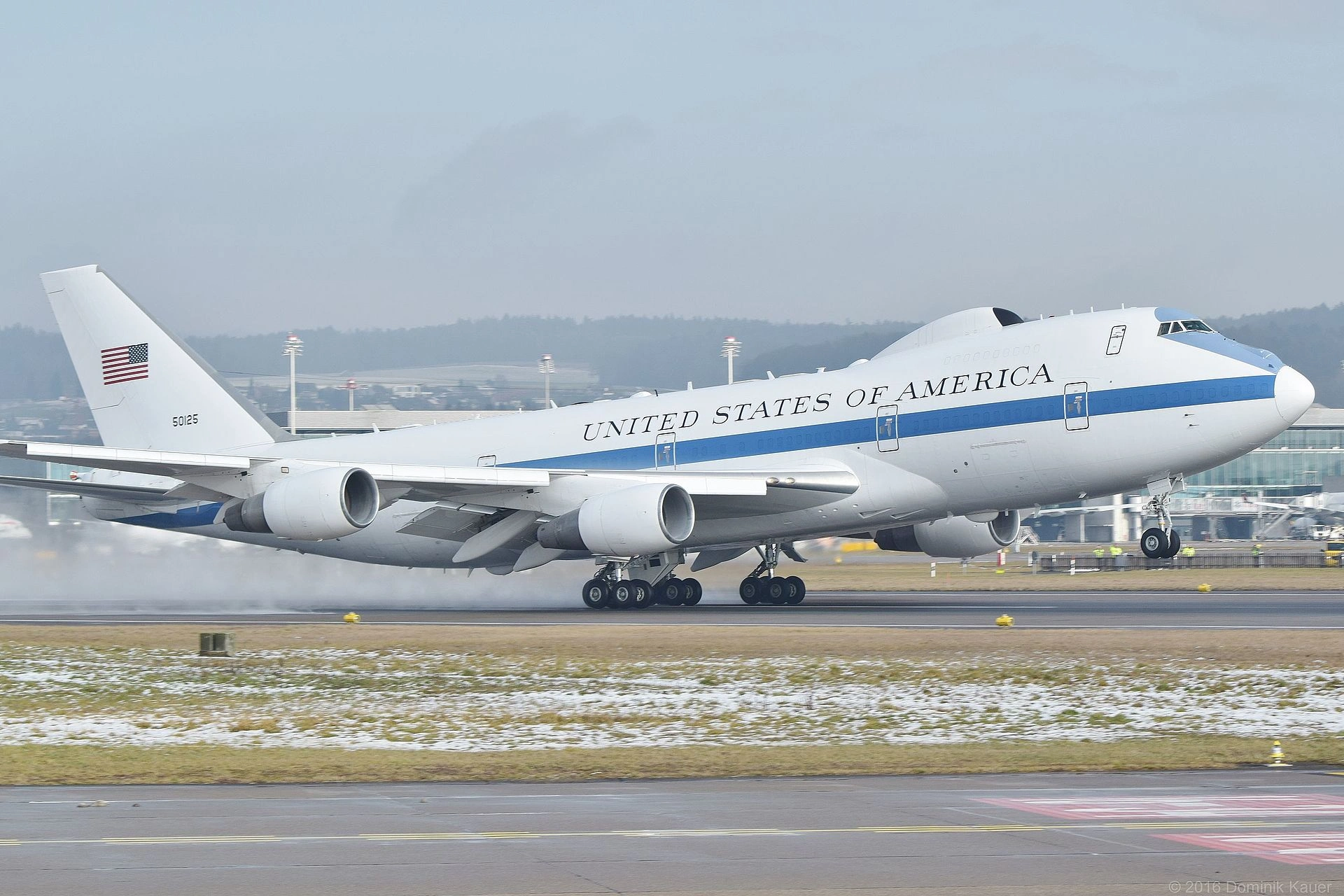
WASHINGTON, D.C.- Boeing is making steady progress repairing hundreds of microscopic structural cracks on the two Boeing 747-8 aircraft being converted into the next Air Force One fleet. The aircraft are being modified under the VC-25B program, but the additional repair work has further complicated one of Boeing’s most expensive defense projects.
The two Boeing 747-8 aircraft are being transformed into the future Air Force One fleet for the U.S. Air Force, with deliveries now expected in mid-2028 instead of the original December 2024 target. The program involves extensive structural modifications, specialized presidential systems, and FAA-mandated repairs that have contributed to more than $3 billion in Boeing’s financial losses, Bloomberg reported.
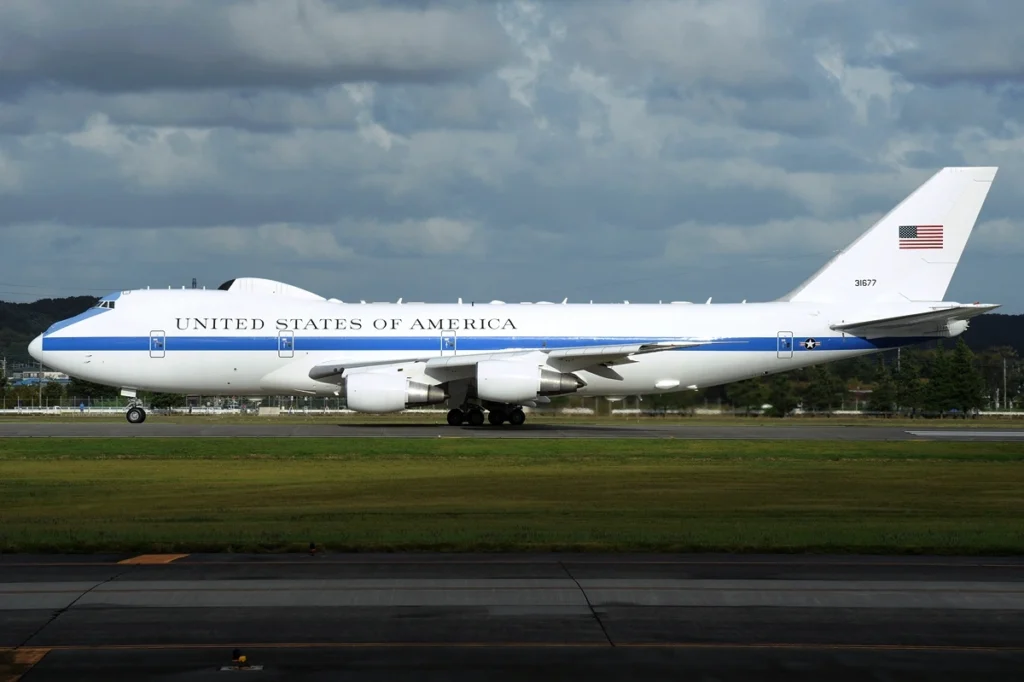
FAA Mandated Structural Repairs Continue on VC-25B Aircraft
Boeing has identified approximately 300 microscopic cracks in structural reinforcing members, known as stringers, on each of the two Boeing 747-8 aircraft undergoing conversion into the next generation Air Force One fleet.
Stringers are primary longitudinal structural components that extend from the aircraft’s nose toward the tail. They provide strength to the fuselage and help distribute structural loads during flight. According to the U.S. Air Force, these microscopic stress cracks are associated with corrosion that has also been found across the wider Boeing 747-8 fleet. The issue is not unique to the presidential aircraft.
The Federal Aviation Administration (FAA) has already established inspection and repair procedures for affected aircraft. Boeing is replacing damaged stringers as required under those regulations.
As of late July, the Air Force reported that around 300 stringer cracks had been identified on each aircraft. The first aircraft still required repairs or installation work on 21 stringers, while the second aircraft had completed replacement of 104 identified components.
The Air Force has stated that the structural repair work does not currently pose a significant threat to the revised delivery schedule. Boeing has also introduced multiple mitigation measures designed to minimize schedule impacts while completing the repairs.
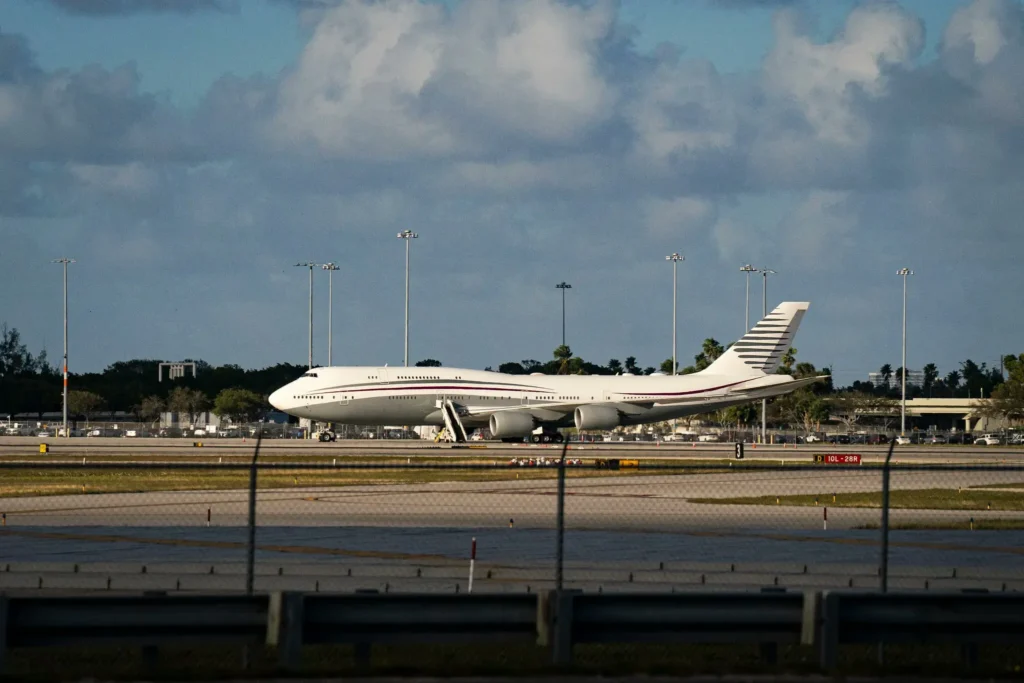
Air Force One Delivery Delayed Until Mid-2028
The VC-25B program has experienced repeated schedule setbacks since Boeing received the fixed price contract in 2018.
The first aircraft entered modification in February 2020, followed by the second aircraft in June 2020. Originally, both aircraft were scheduled for delivery in December 2024. However, the combination of engineering challenges, certification work, supplier delays, and structural modifications has pushed the expected delivery to mid-2028.
The conversion process extends far beyond structural repairs. Boeing must install secure communications systems, classified mission equipment, presidential interiors, electrical wiring, defensive capabilities, and numerous custom modifications required for the aircraft to serve as the flying White House.
Each design modification requires engineering validation, regulatory documentation, testing, and certification before work can proceed to the next phase, making the program significantly more complex than a standard commercial aircraft conversion.
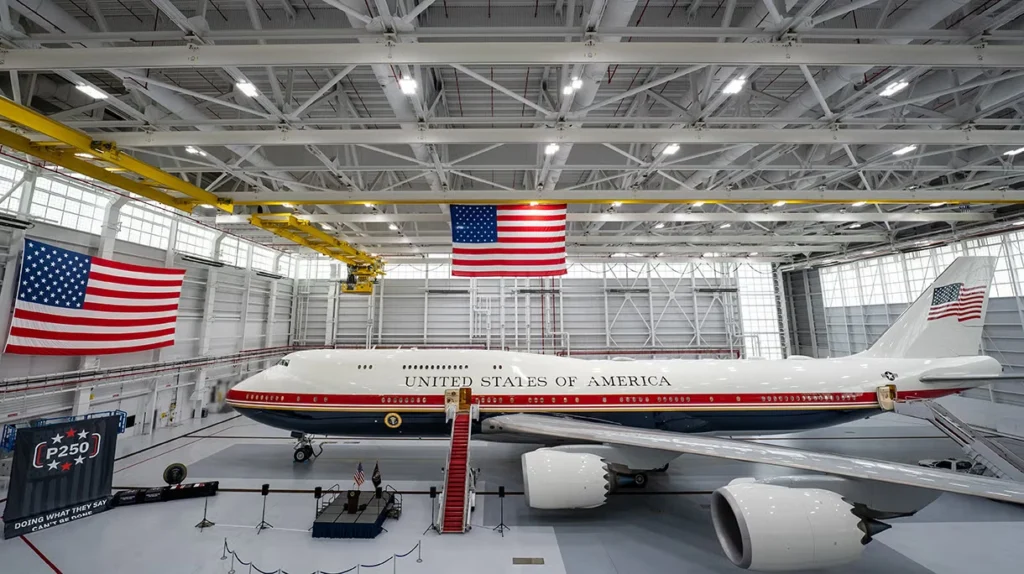
Boeing’s $3.13 Billion Cost Overruns Continue to Grow
The Air Force One program has become one of Boeing’s costliest fixed price contracts.
Under the 2018 agreement, Boeing is responsible for absorbing most additional expenses that exceed the contract value. Unlike cost reimbursement contracts, the company cannot pass unexpected engineering or production costs to the U.S. government.
Boeing’s cumulative losses on the VC-25B program have now reached approximately $3.13 billion.
| Year | Program Charges |
|---|---|
| 2020 | $168 million |
| 2021 | $318 million |
| 2022 | $1.4 billion |
| 2023 | $482 million |
| 2024 | $379 million |
| 2025 | $60 million |
| 2026 | $280 million |
| Total | $3.13 billion |
The latest $280 million charge, announced in July 2026, reflects higher spending on engineering personnel, quality assurance teams, and certification activities.
These expenses highlight that the program’s financial challenges extend well beyond physical aircraft modifications. Every engineering revision requires additional design work, documentation, compliance reviews, testing, and FAA certification before production can continue.
Interior Design and Supplier Delays Remain Major Challenges
While the stringer repairs have attracted attention, the Air Force believes several other issues present greater risks to the overall schedule.
Progress on the aircraft’s interior design has moved more slowly than planned, affecting wiring layouts, structural modifications, and installation sequencing. The resulting engineering changes have increased rework requirements and reduced production efficiency.
Staffing shortages within Boeing have also contributed to delays, limiting the pace of engineering and manufacturing activities.
The Air Force has additionally identified passenger windows and cockpit windshields as schedule concerns. Suppliers have struggled to deliver components that fully meet required specifications.
Window related delays could affect pressurization testing, interior installation, and later phases of ground and flight testing if replacement parts are unavailable when needed.
The Air Force program office has also reported certification work remains outstanding for a commercial spare windshield design, demonstrating how even individual supplier components can influence the overall project timeline.
Outlook for the Presidential Aircraft Program
Despite the discovery of hundreds of structural cracks, the Air Force considers the FAA mandated repairs manageable within the revised project schedule.
The greater challenge lies in coordinating thousands of engineering tasks, supplier deliveries, certification requirements, and specialized presidential modifications required to complete the VC-25B fleet.
Boeing continues to advance the structural repair work while addressing broader program risks. Whether the company can successfully manage remaining engineering, staffing, supplier, and certification challenges will ultimately determine if the first next generation Air Force One can meet its revised mid-2028 delivery target.
Stay tuned with us. Further, follow us on social media for the latest updates.
Join us on Telegram Group for the Latest Aviation Updates. Subsequently, follow us on Google News
