

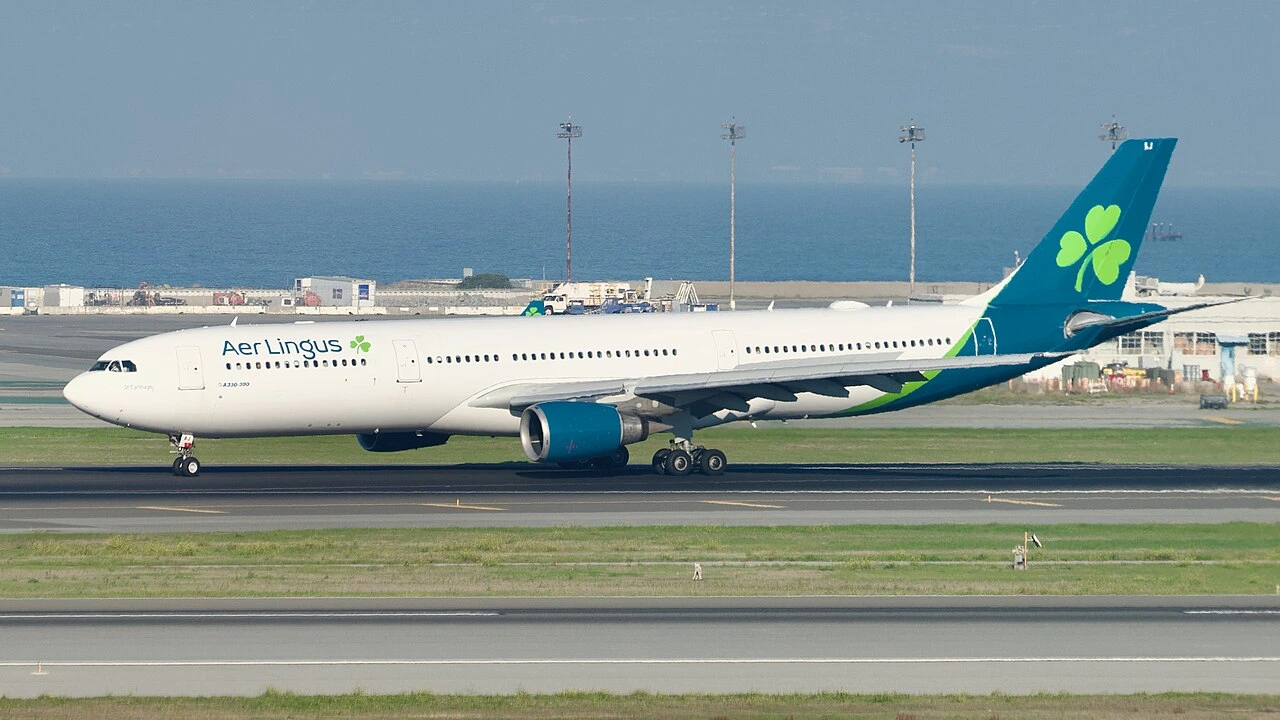
NORMANDY- French authorities have launched an investigation into an Aer Lingus (EI) pilot after the airline’s aircraft allegedly refused an initial instruction to land at a military airfield following a b*mb threat. The incident occurred while the aircraft was operating a flight from Dublin (DUB), Ireland, to Rome (FCO), Italy, prompting French military authorities to scramble two fighter jets to escort it.
The aircraft eventually landed at an air force base in Normandy, where authorities conducted security checks and found no explosives. The incident formed part of a wider wave of b*mb hoaxes across Europe on Thursday, November 5, 2026, which disrupted almost 30 flights operated by several airlines.
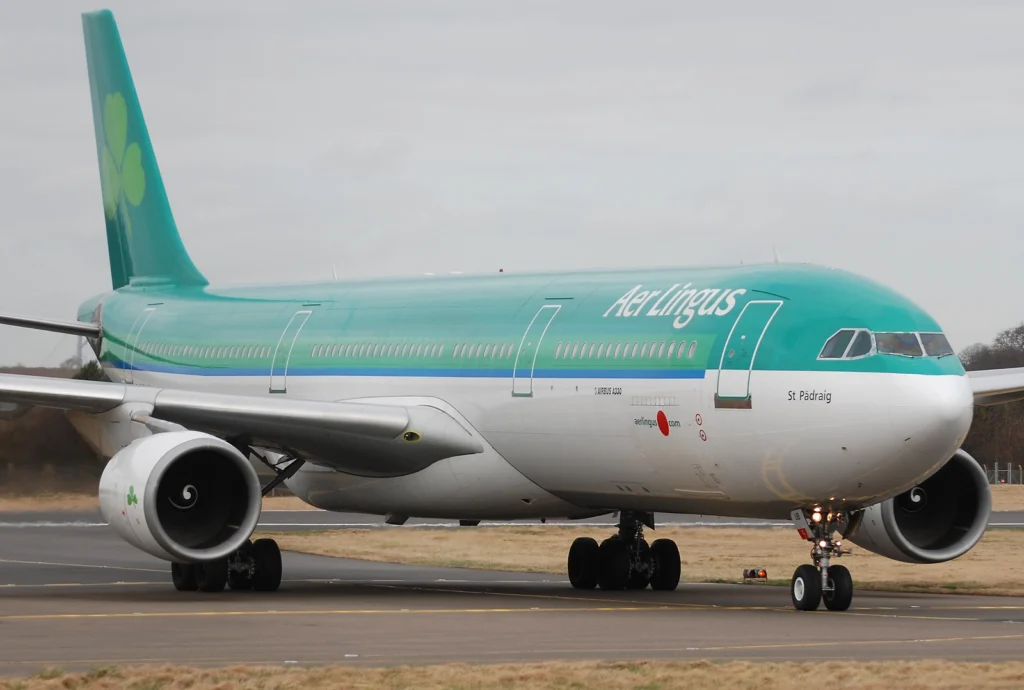
French Authorities Investigate the B*mb Threat
The investigation was opened by the public prosecutor’s office in Évreux after the pilot allegedly declined to follow instructions to land at the designated military facility.
Prosecutor Rémi Coutin said the aircraft appeared to have preferred a civilian airport instead. The French Prime Minister’s office also confirmed that the military deployed fighter aircraft after the pilot did not cooperate with authorities as expected.
The aircraft involved was Aer Lingus Flight EI402, an Airbus A320 operating from Dublin to Rome. It departed Dublin Airport at 6:24 a.m. on November 5, carrying 151 passengers and six crew members, according to French authorities.
The flight was approximately one hour into its journey when passengers were informed that a problem had occurred and that the aircraft would be diverted.
French fighter jets intercepted the aircraft and escorted it to Évreux-Fauville Air Base, located approximately 100 kilometres west of Paris. Passengers were moved to a secure area while a b*mb disposal unit examined the aircraft. The security inspection found no explosives or suspicious materials.
The pilot and co-pilot were questioned as part of the French investigation to establish why the aircraft allegedly did not follow the initial instructions. Prosecutors indicated that the inquiry could lead to charges if authorities determine that the crew refused to cooperate with official directions.
Aer Lingus subsequently defended its crew’s conduct. The airline said the captain and crew acted professionally throughout the security incident, while confirming that its pilots had fully cooperated with French authorities and that their engagement with investigators had concluded.

B*mb Threats Disrupt European Flights
The incident was part of a wider series of b*mb threats affecting European aviation on November 5. At least 27 flights faced disruption, with airlines, airports and security authorities responding to anonymous threats that prompted diversions, aircraft searches and military escorts.
Ryanair (FR) was among the most affected airlines. Three of its flights heading to Sofia, Bulgaria, from Madrid, Copenhagen and London received military escorts. Two landed in Sofia, while the London service was diverted to Plovdiv.
Other affected operators included Wizz Air (W6), Finnair (AY), easyJet (U2), Aegean Airlines (A3), Iberia (IB), Sky Express, Air Serbia (JU) and LOT Polish Airlines (LO). Flights across countries including Ireland, France, Italy, Spain, Bulgaria, Poland, Finland and the Czech Republic were affected.

Security Concerns Grow in Europe
European authorities are continuing investigations into the source of the threats and whether the incidents were connected.
Irish Foreign Affairs Minister Helen McEntee described the developments as extremely concerning, particularly with more than 50 European leaders expected to attend major summits in Dublin the following week.
A senior Irish government source suggested that the threats could have been coordinated, potentially involving individuals aligned with Russia or Iran.
However, McEntee said investigators had not established where the messages originated or whether the separate incidents were connected. No government has publicly confirmed responsibility for the threats, The Irish Times flagged.
Aviation security specialists have also warned that repeated false alarms can create substantial operational disruption, even when aircraft inspections find nothing suspicious.
Eric Schouten, head of aviation security group Dyami, highlighted the wider security challenges facing European aviation following the incidents.
The Aer Lingus investigation remains focused on the circumstances surrounding the pilot’s initial response to French instructions.
Meanwhile, the airline has maintained that its crew handled the situation professionally and prioritised passenger safety throughout the diversion.
Stay tuned with us. Further, follow us on social media for the latest updates.
Join us on Telegram Group for the Latest Aviation Updates. Subsequently, follow us on Google News
