

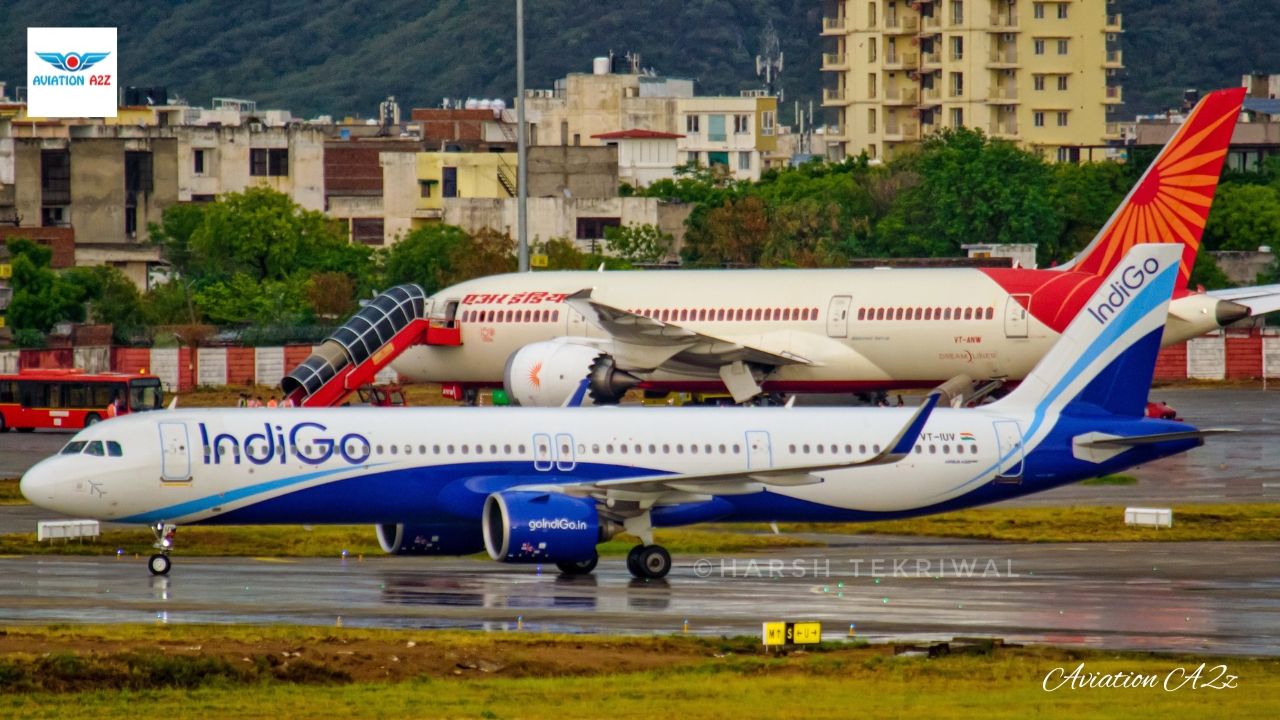
DELHI- IndiGo (6E) strengthened its lead in India’s domestic aviation market after increasing flight capacity, while Air India (AI) lost market share because of operational disruptions and reduced services. The latest data from the Directorate General of Civil Aviation (DGCA) shows IndiGo carried nearly two out of every three domestic passengers during June 2026.
Air India (AI) and Air India Express (IX) together saw their combined market share decline as capacity cuts affected operations across major airports, including Delhi Airport (DEL) and Mumbai Airport (BOM). Meanwhile, Akasa Air (QP) continued its steady expansion, while SpiceJet (SG) remained under pressure from financial and operational challenges.
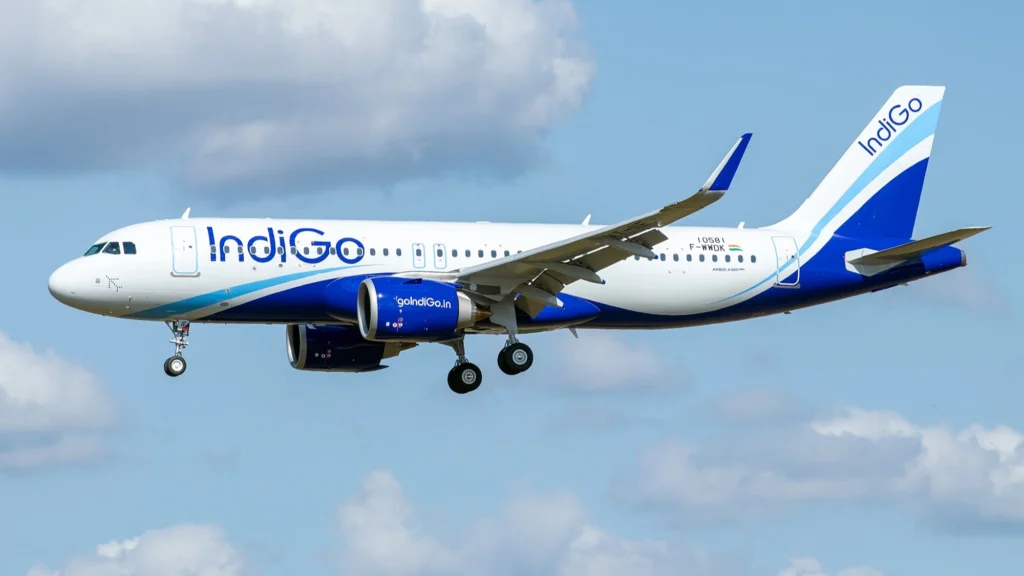
IndiGo Market Share at All-Time High
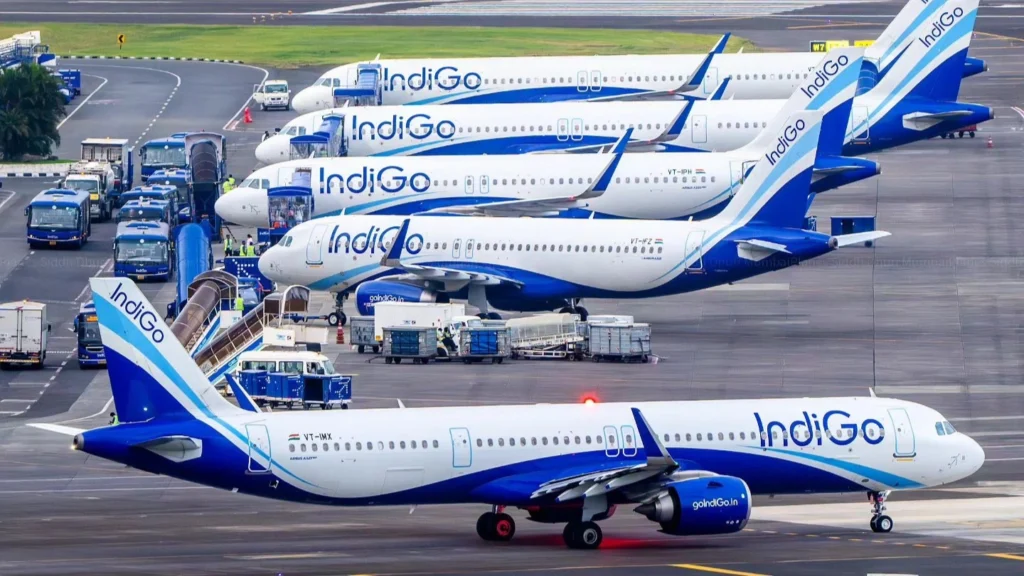
The DGCA reported that IndiGo’s domestic market share increased to 66.3% in June 2026, its highest level on record. This marks a significant improvement from 64.5% during the same month last year.
In comparison, the combined market share of Air India and Air India Express declined to 23.9%, down from 27.1% a year earlier.
The shift reflects a growing gap between India’s largest airline and its closest competitors. Capacity expansion played a major role in this change, allowing IndiGo to serve more passengers while rivals operated fewer flights, Mint reported.
Capacity Expansion Favoured IndiGo
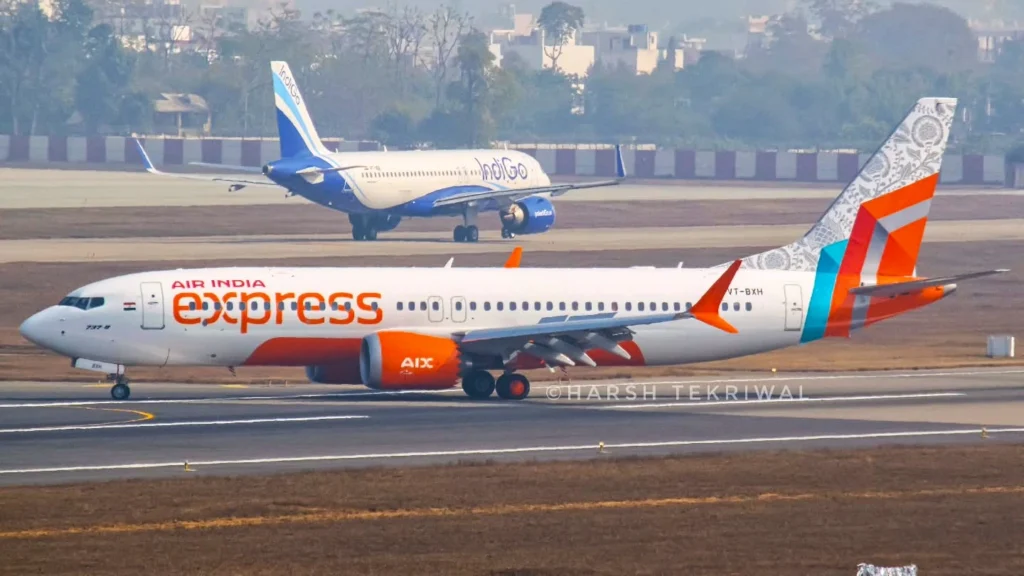
DGCA data showed the Air India Group operated approximately 3,900 fewer domestic departures during April and May compared with the same period last year. This represented a decline of around 7%.
IndiGo followed the opposite strategy by expanding its domestic network. The airline operated more than 13,000 additional domestic departures, representing a 12% increase over the previous year.
June departure figures have not yet been released by the DGCA, but the passenger market share already reflects the impact of these contrasting operational strategies.
Air India Expects Recovery From September
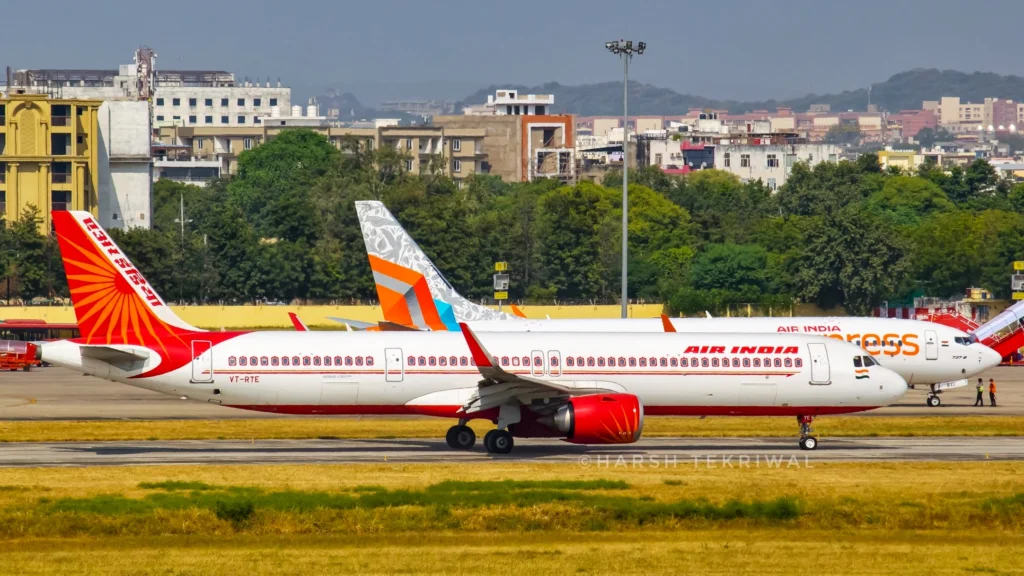
Air India’s reduced operations have been linked to delayed aircraft deliveries, fleet retrofits, maintenance requirements, aircraft retirements, and supply chain constraints that limited aircraft availability.
According to Kotak Institutional Equities, Air India operated nearly 25% fewer flights year on year during the first week of June across domestic and international routes.
The brokerage noted that if these capacity reductions continue through FY27 and FY28, airlines may benefit from stronger ticket pricing while IndiGo continues capturing passenger demand.
Air India, however, expects the slowdown to be temporary. Chief Commercial Officer Nipun Aggarwal said on 17 July that the airline plans to restore capacity across most domestic and international routes beginning in September 2026 as operational challenges ease.
Leadership Changes at India’s Largest Airlines
The market changes come as both leading carriers undergo leadership transitions.
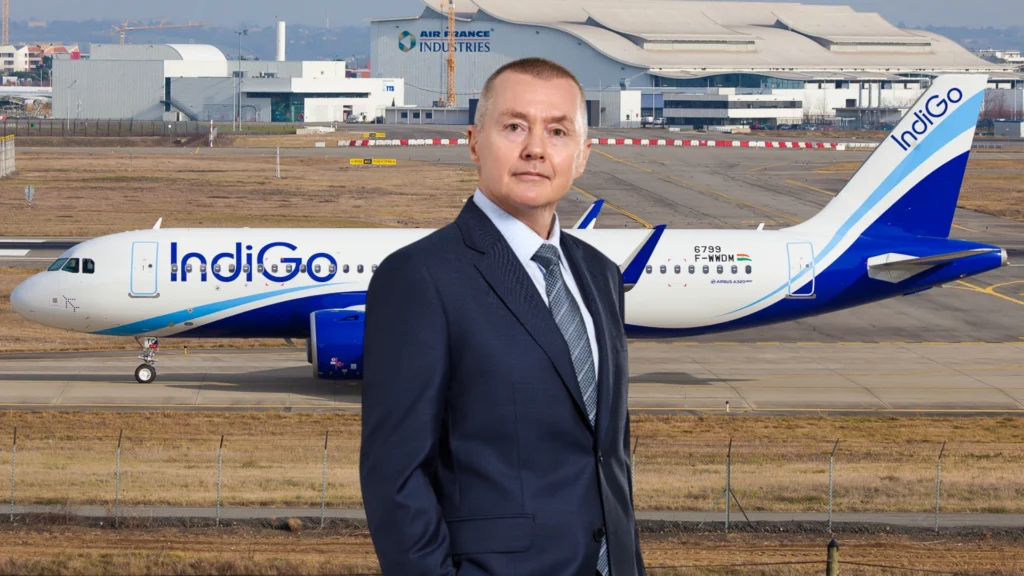
IndiGo appointed former British Airways executive Willie Walsh as its new Chief Executive Officer after Pieter Elbers resigned earlier this year.
Air India is also searching for a new chief executive following Campbell Wilson’s announcement that he will leave the airline by September.
These leadership changes coincide with an increasingly competitive domestic aviation market.
Akasa Air Continues to Expand
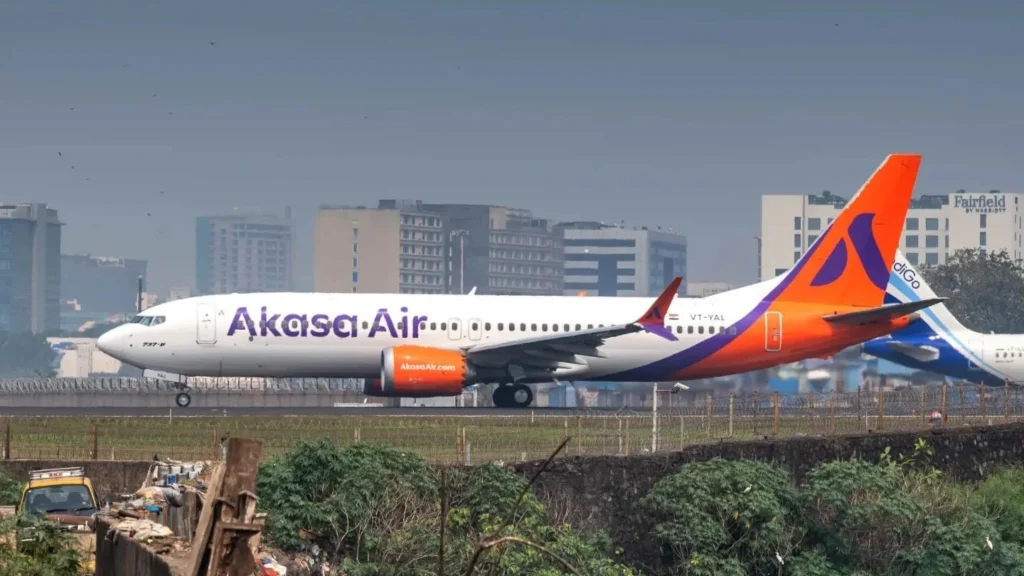
Akasa Air maintained its position as India’s third-largest airline by increasing its domestic market share to a record 6.4%.
The airline expanded its operations by 16% during April and May, operating 1,356 more domestic flights than during the same period last year.
Its continued fleet additions have supported steady network growth and helped strengthen its position in the market.
SpiceJet Faces Continued Operational Challenges
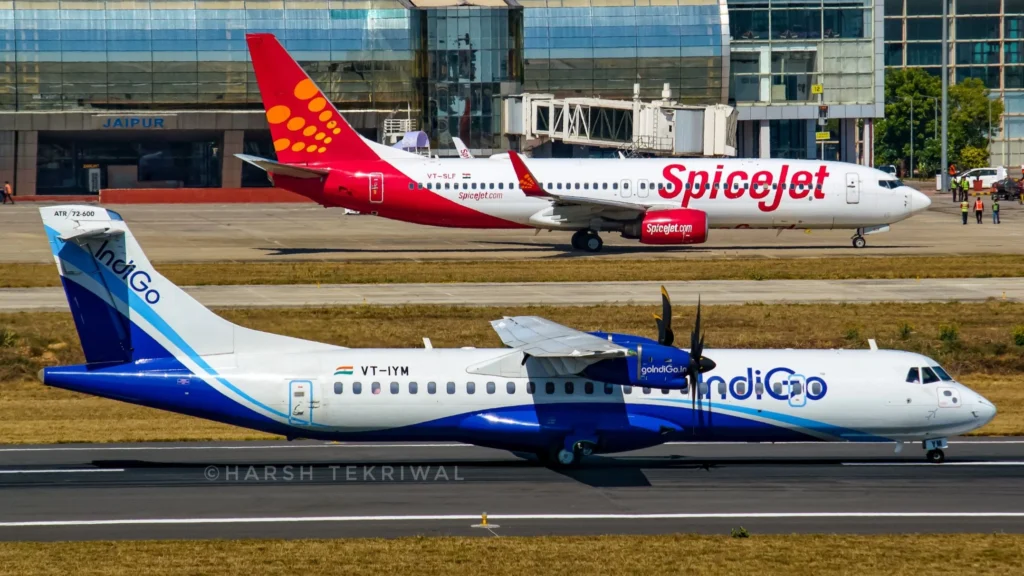
SpiceJet retained a domestic market share of 1.9%, the lowest among India’s scheduled airlines.
Although the airline added 195 domestic departures, representing approximately 3% growth, its limited fleet, legal disputes with aircraft lessors, grounded aircraft, and financial constraints continued to affect performance.
The modest increase in capacity was not enough to reverse its declining market position.
Operational Performance Strengthened IndiGo’s Position
Industry analysts believe aircraft shortages at Air India allowed IndiGo to capture displaced passenger demand.
Jainam Shah, Aviation Analyst at Equirus Securities, said delayed aircraft deliveries, fleet upgrades, retirements, and supply chain issues reduced aircraft availability for Air India, enabling IndiGo to significantly expand its market share.
He added that although Air India expects to restore capacity from September, recovering lost market share is likely to take time.
Amit Mittal, Director at Aerointellect Aviation, said the June figures reflect a widening gap within India’s aviation industry.
According to him, passengers affected by Air India’s reduced capacity and SpiceJet’s operational difficulties largely shifted to IndiGo, further strengthening the market leader’s position.
Strong Reliability Supported Passenger Growth
Operational performance also contributed to IndiGo’s market gains.
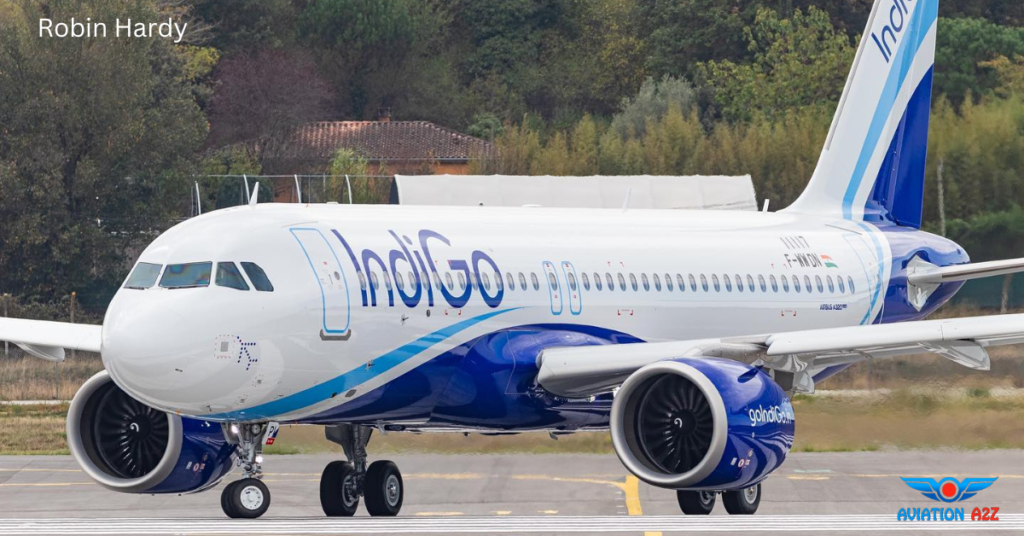
Among India’s ten busiest airports, IndiGo recorded an on-time performance (OTP) of 89.4% during June. The Air India Group followed with 85.9%, while Akasa Air achieved 82.7%.
SpiceJet recorded the lowest OTP at 33.5%.
IndiGo also maintained one of the industry’s lowest cancellation rates at 0.2%, compared with 0.49% for the Air India Group. SpiceJet reported the highest cancellation rate at 6.23%.
Strong operational consistency helped IndiGo maintain customer confidence while competitors dealt with aircraft shortages, maintenance issues, and network disruptions.
Domestic Passenger Traffic Remained Stable
DGCA data showed India’s domestic airlines carried 13.5 million passengers during June 2026.
Passenger traffic during the first six months of 2026 reached 86.4 million, representing a 1.44% increase compared with the same period last year.
Despite capacity reductions across parts of the industry, analysts said passenger demand remained stable, indicating continued resilience in India’s domestic aviation market.
Stay tuned with us. Further, follow us on social media for the latest updates.
Join us on Telegram Group for the Latest Aviation Updates. Subsequently, follow us on Google News
