

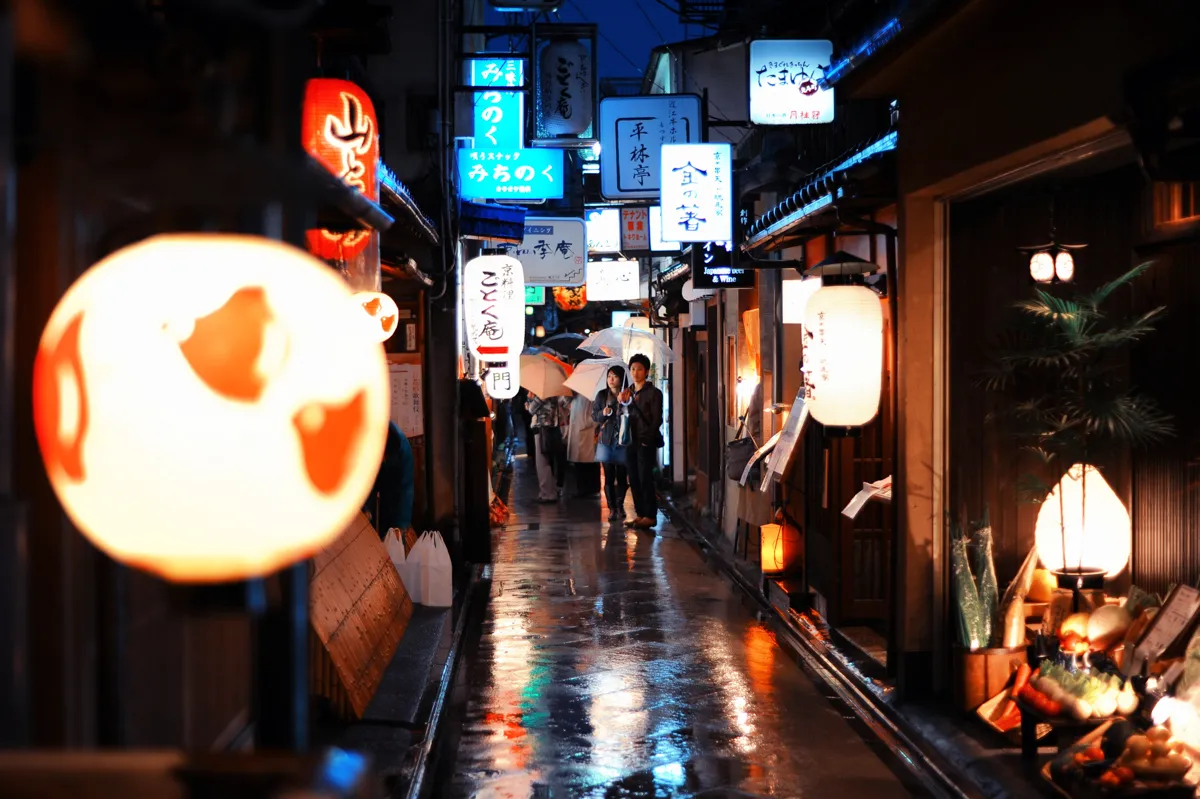
Kyoto has once again captured the spotlight after being recognized as Asia’s No. 1 city by travelers.
Known for its centuries-old temples, peaceful gardens, traditional tea houses, and vibrant cultural heritage, Japan’s former imperial capital continues to inspire visitors from around the world.
While famous attractions remain worth visiting, the true charm of Kyoto lies beyond the busiest tourist spots.
Kyoto, Japan: Asia’s Best City
From hidden neighborhoods and family-run markets to historic breweries and tranquil temples, Kyoto offers countless ways to experience authentic Japanese culture.
Instead of simply checking off famous landmarks, travelers can slow down and discover the city’s traditions through local food, craftsmanship, and everyday life. Here are ten places that reveal the authentic side of Kyoto while helping you avoid the biggest crowds.
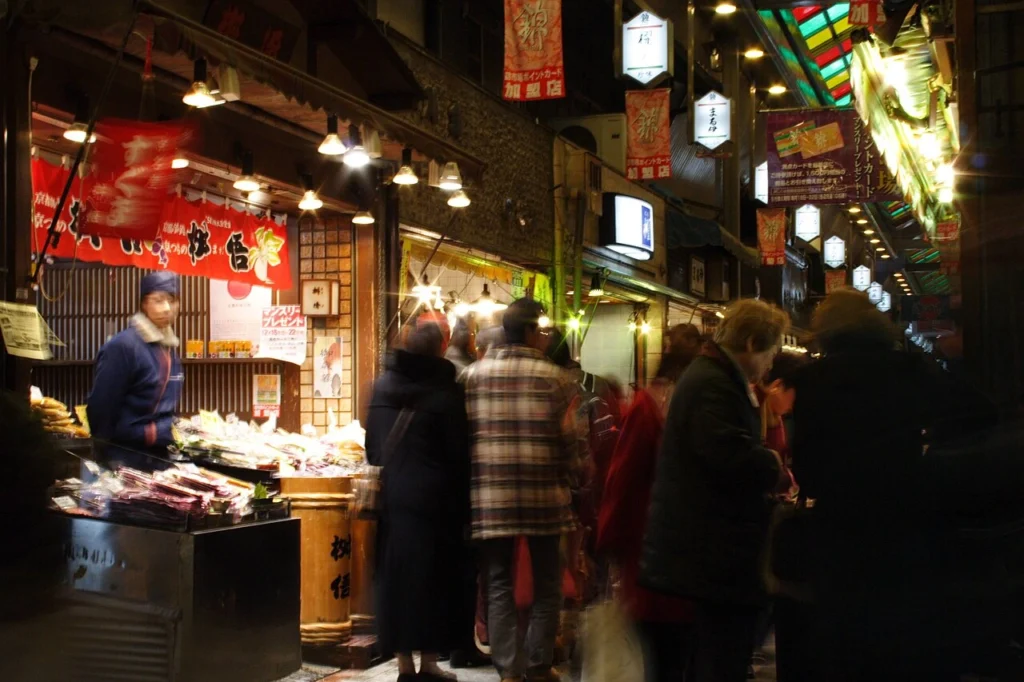
Nishiki Market
Known as “Kyoto’s Kitchen,” Nishiki Market is the city’s premier destination for authentic local cuisine. This historic covered market is home to family-run shops selling fresh seafood, handmade pickles, Japanese sweets, roasted tea, and regional specialties.
Arriving early lets visitors experience a quieter atmosphere before the crowds gather. Beyond sampling traditional snacks, the market is an excellent place to buy authentic souvenirs, including local spices, teas, and seasonings, offering a genuine taste of Kyoto’s rich culinary heritage.
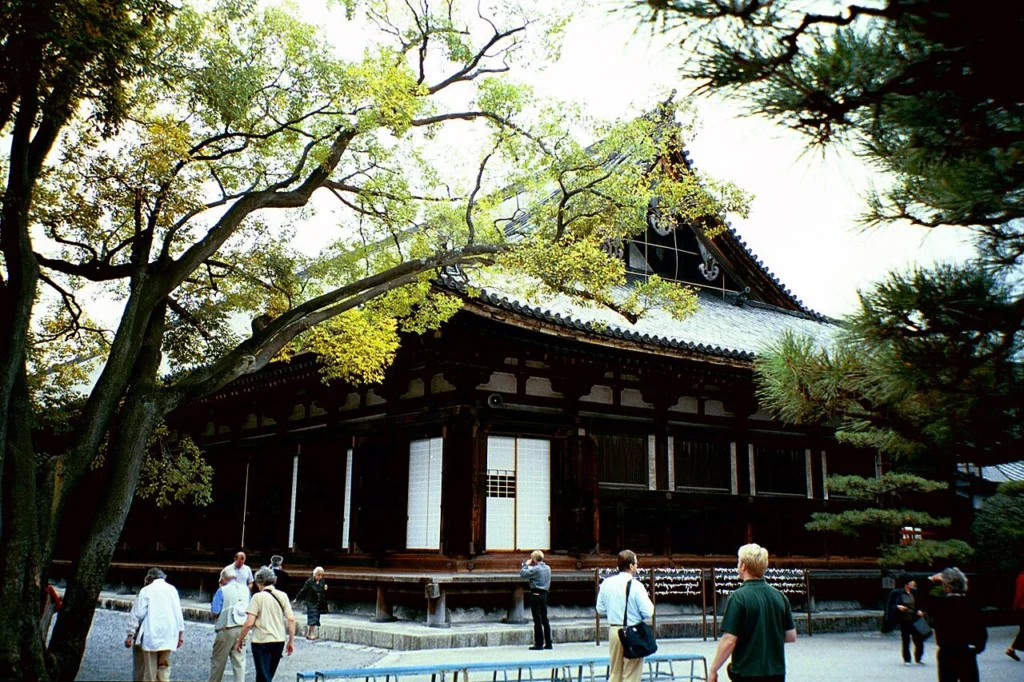
Sanjusangendo Temple
Sanjusangendo offers a peaceful alternative to Kyoto’s crowded temples. Best known for its impressive hall featuring 1,001 life-sized statues of Kannon, the Buddhist deity of compassion, the temple invites visitors to slow down and appreciate its remarkable craftsmanship.
Since photography is not allowed inside, guests can fully immerse themselves in the spiritual atmosphere.
Dating back to the 12th century, Sanjusangendo remains one of Kyoto’s most extraordinary historical landmarks and a rewarding stop for those seeking a deeper cultural experience.
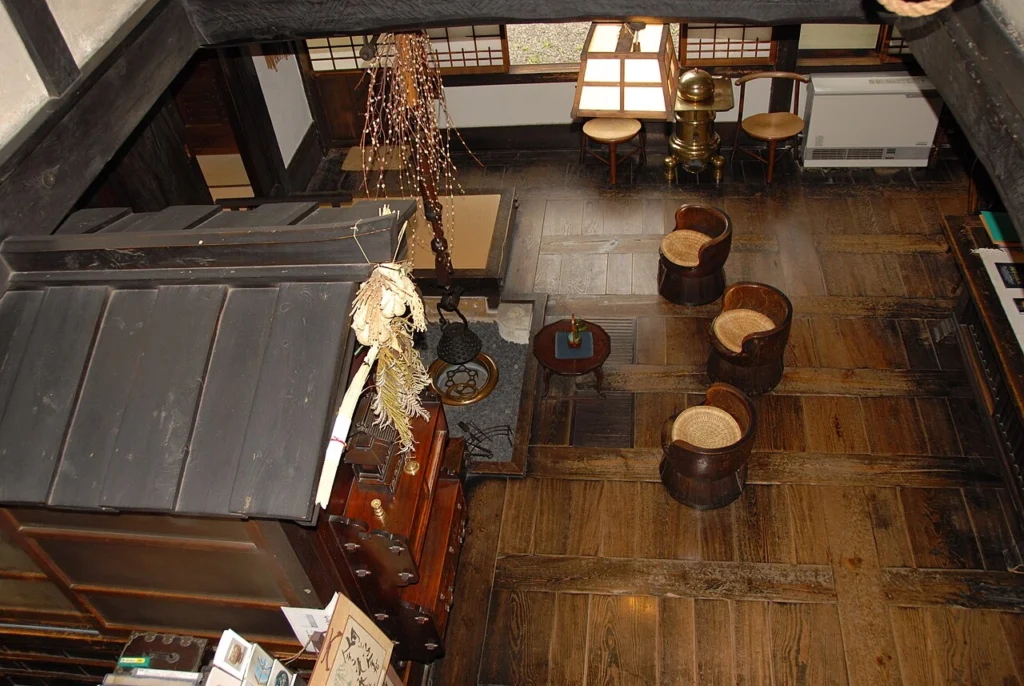
Kawai Kanjiro House
The Kawai Kanjiro House offers a unique glimpse into the life of one of Japan’s most celebrated ceramic artists. Preserved as both a home and workshop, it features original pottery, handcrafted furniture, and a traditional climbing kiln.
Rather than a conventional museum, the residence allows visitors to experience how art and daily life were closely connected.
The peaceful atmosphere and beautifully preserved interiors make it an inspiring destination for anyone interested in Kyoto’s rich artistic heritage and traditional craftsmanship.
Matsui Sake Brewery
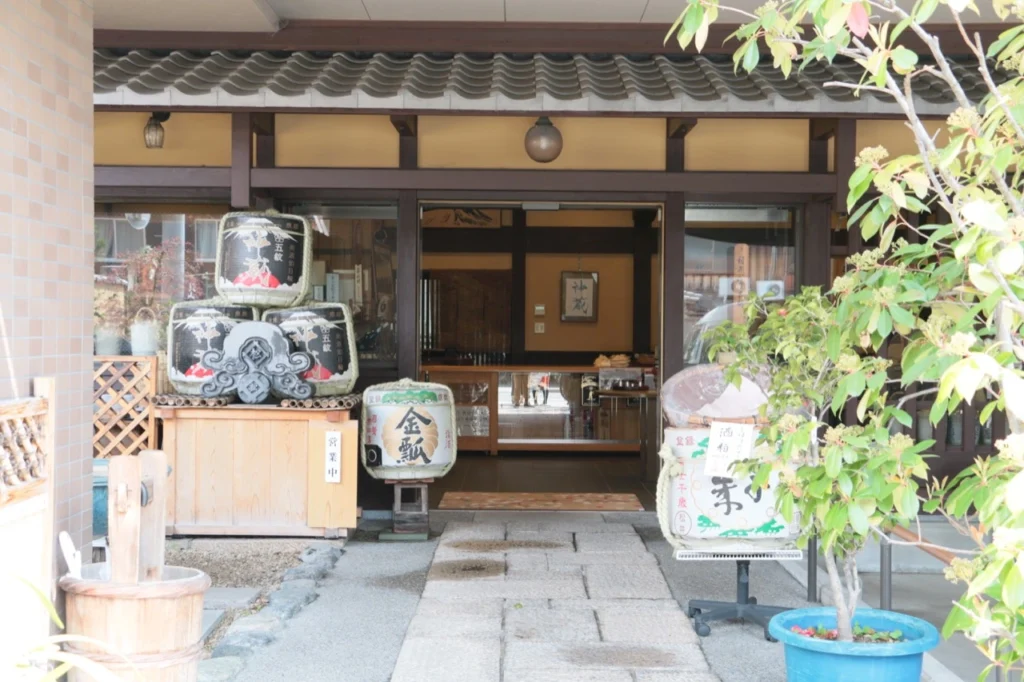
Founded in 1726, Matsui Sake Brewery offers an authentic introduction to Kyoto’s centuries-old sake-making tradition. Visitors can join guided tours to learn about the brewing process, from rice polishing to fermentation, while discovering the history behind one of Japan’s oldest crafts.
Tastings allow guests to sample a variety of premium sake, each with distinct flavors and aromas. Combining tradition, craftsmanship, and local heritage, the brewery provides a memorable cultural experience beyond Kyoto’s famous temples and landmarks.
Fushimi
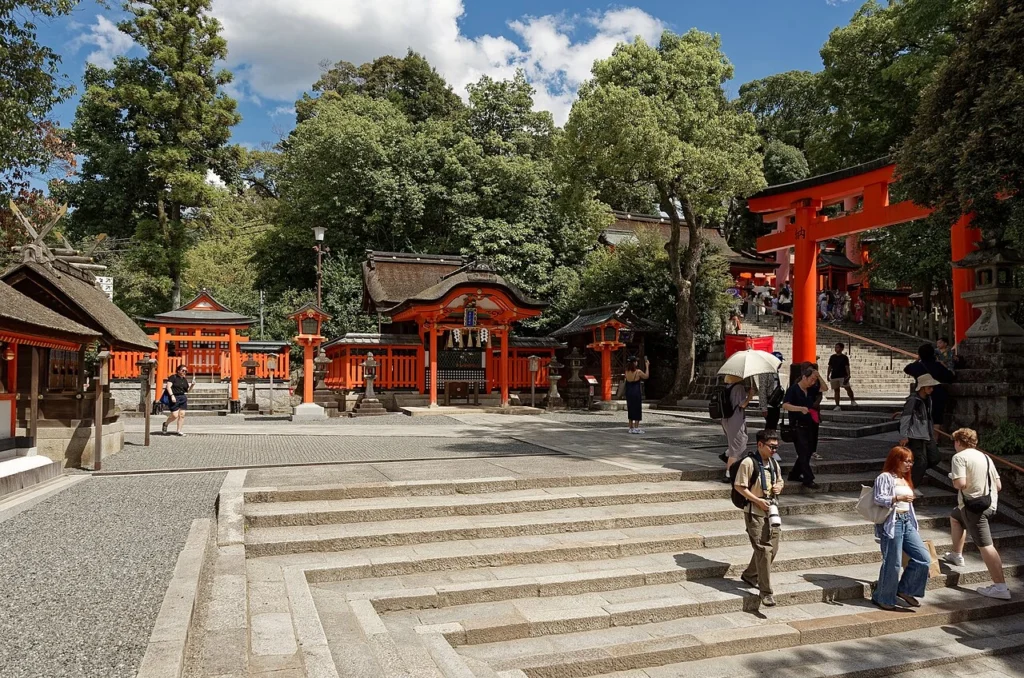
Fushimi is best known for the iconic red torii gates of Fushimi Inari Shrine, but the district also boasts a rich sake-making heritage. Historic breweries, scenic canals, and traditional merchant houses offer visitors a glimpse into Kyoto’s cultural past.
Many breweries welcome guests for tours and tastings, showcasing centuries-old brewing techniques.
Away from the shrine’s busiest areas, Fushimi provides a quieter atmosphere, making it an ideal destination for travelers seeking authentic local experiences, history, and traditional Japanese craftsmanship.
Arashiyama
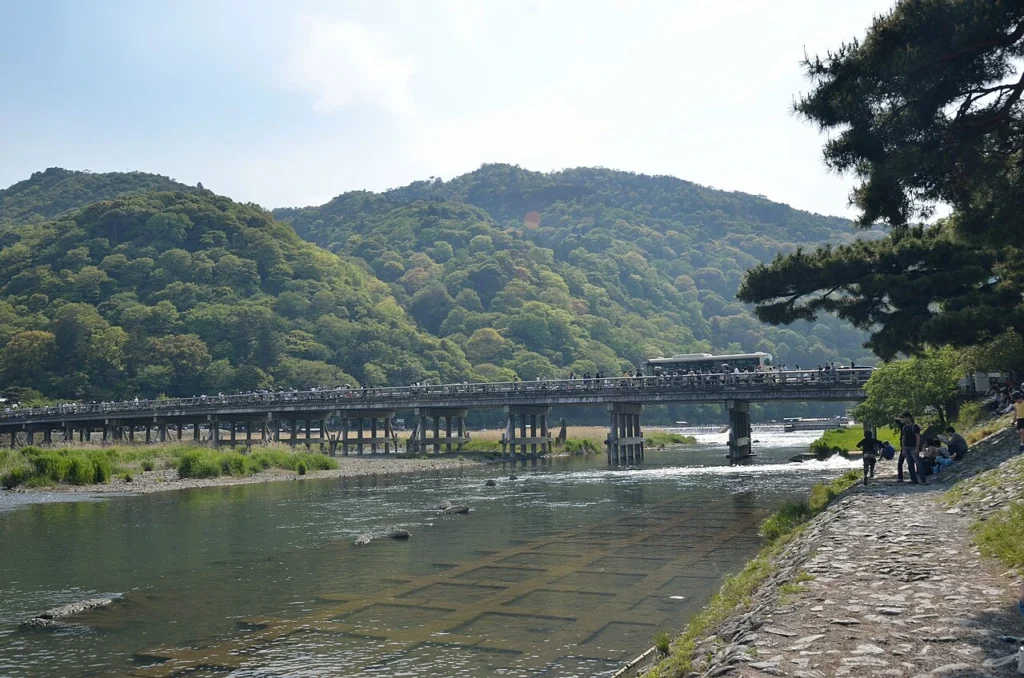
Arashiyama is best known for its iconic bamboo grove, but the district offers much more than stunning photographs. Visitors can explore the tranquil gardens of Tenryu-ji Temple, enjoy peaceful walks along the Hozugawa River, or browse charming cafés and artisan shops.
Seasonal scenery transforms the area throughout the year, from cherry blossoms in spring to vibrant autumn foliage.
For those looking to experience Kyoto beyond its busiest attractions, Arashiyama combines natural beauty, cultural heritage, and a relaxing atmosphere in one unforgettable destination.
Gion
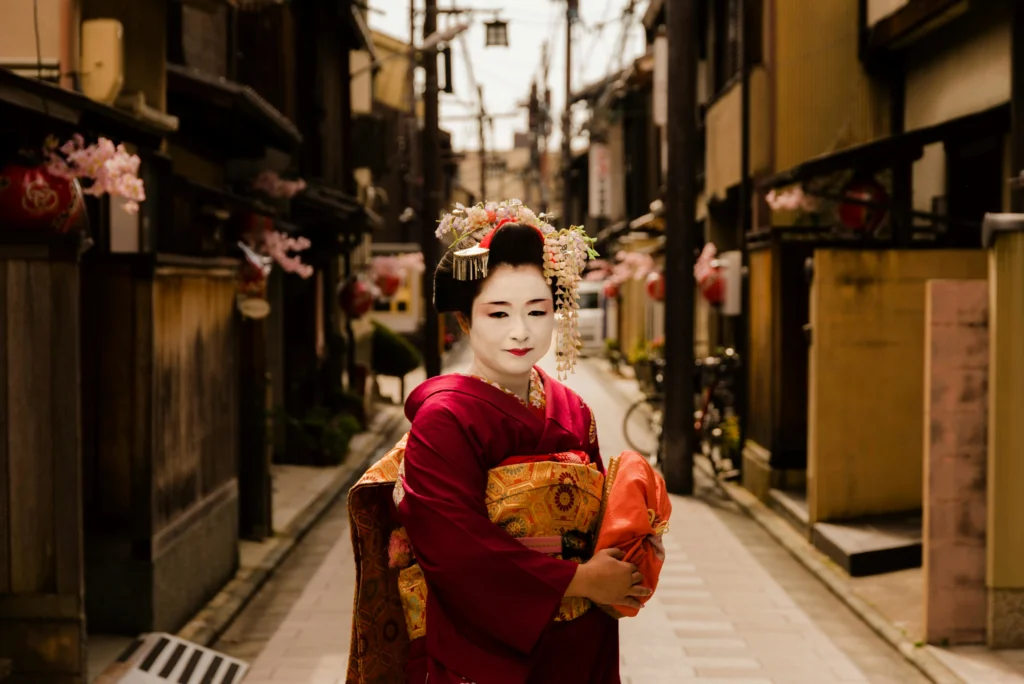
Gion is Kyoto’s most iconic historic district, celebrated for its traditional wooden machiya houses, stone-paved streets, and charming tea houses. Visitors may spot a geiko or maiko on their way to evening engagements, adding to the area’s timeless atmosphere.
Exploring early in the morning or after sunset offers a quieter experience away from the crowds. With its excellent restaurants, cultural performances, and preserved heritage, Gion remains one of the best places to experience the authentic spirit of old Kyoto.
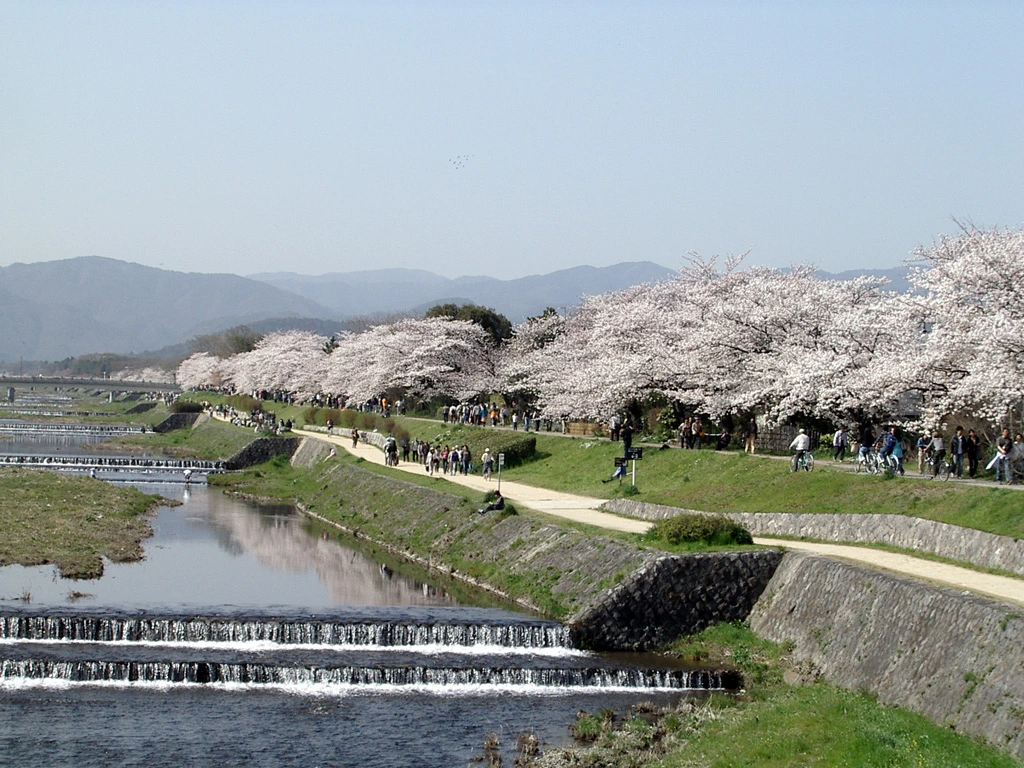
Kamogawa River
Flowing through the center of Kyoto, the Kamogawa River is a favorite gathering place for locals seeking relaxation. Visitors can enjoy peaceful walks, cycling paths, or riverside picnics while taking in views of both historic and modern Kyoto.
During warmer months, restaurants open outdoor terraces overlooking the water, creating a memorable dining experience.
Whether at sunrise or sunset, the Kamogawa River offers a calm escape from the city’s busy attractions and showcases Kyoto’s natural beauty and everyday lifestyle.
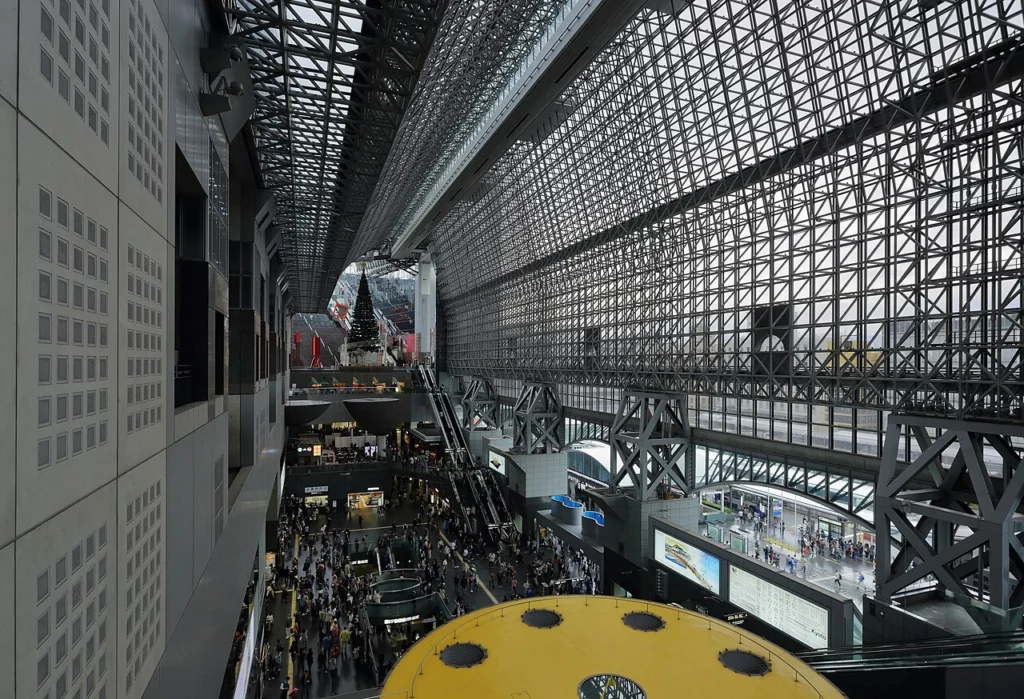
Kyoto Station
Kyoto Station is more than a transportation hub—it’s one of the city’s most striking modern landmarks. Its contemporary architecture stands in contrast to Kyoto’s historic temples, symbolizing the city’s blend of tradition and innovation.
Inside, visitors can explore shopping areas, regional food halls, observation decks, and cultural attractions.
The station also serves as a gateway to nearby cities like Nara, Osaka, and Kobe, making it an ideal starting point for exploring the Kansai region while enjoying local cuisine and shopping.
Bottom Line
Kyoto’s recognition as Asia’s top city reflects more than its famous landmarks. The city’s true appeal lies in its ability to preserve centuries-old traditions while embracing modern life.
From quiet temples and historic neighborhoods to vibrant food markets and sake breweries, every corner offers a deeper understanding of Japanese culture. T+L reported
Rather than rushing from one iconic attraction to another, travelers who explore these lesser-known experiences will discover a more authentic side of Kyoto.
It’s this combination of history, hospitality, craftsmanship, and everyday local life that continues to make Kyoto one of the world’s most unforgettable travel destinations.
Stay tuned with us. Further, follow us on social media for the latest updates.
Join us on Telegram Group for the Latest Aviation Updates. Subsequently, follow us on Google News


.jpg)

