


In an era when e-commerce, just-in-time manufacturing, and global supply chains rely heavily on air freight, cargo aircraft have become the silent engines of international commerce.
Every day, thousands of freighter flights carry goods ranging from electronics and pharmaceuticals to express parcels and fresh produce.
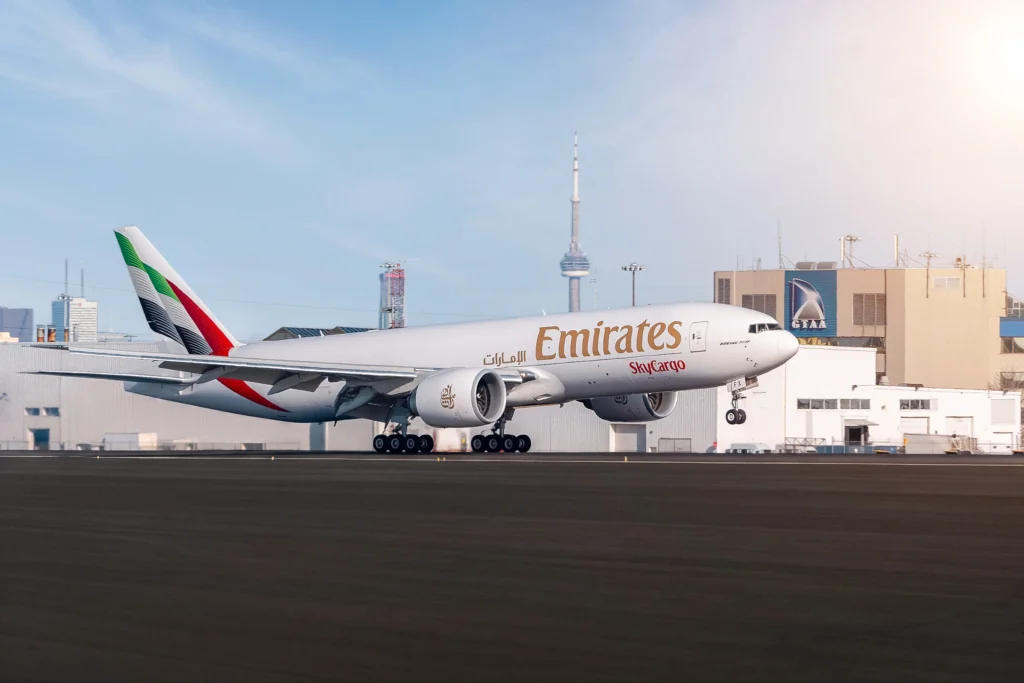
Most Active Cargo Aircraft
As logistics networks evolve and demand for fast, reliable transportation grows, certain aircraft types have emerged as the most active cargo aircraft in the world, serving as the workhorses that keep goods moving between continents.
Based on average daily flights and flight times, here are the ten cargo aircraft dominating the skies in 2025.
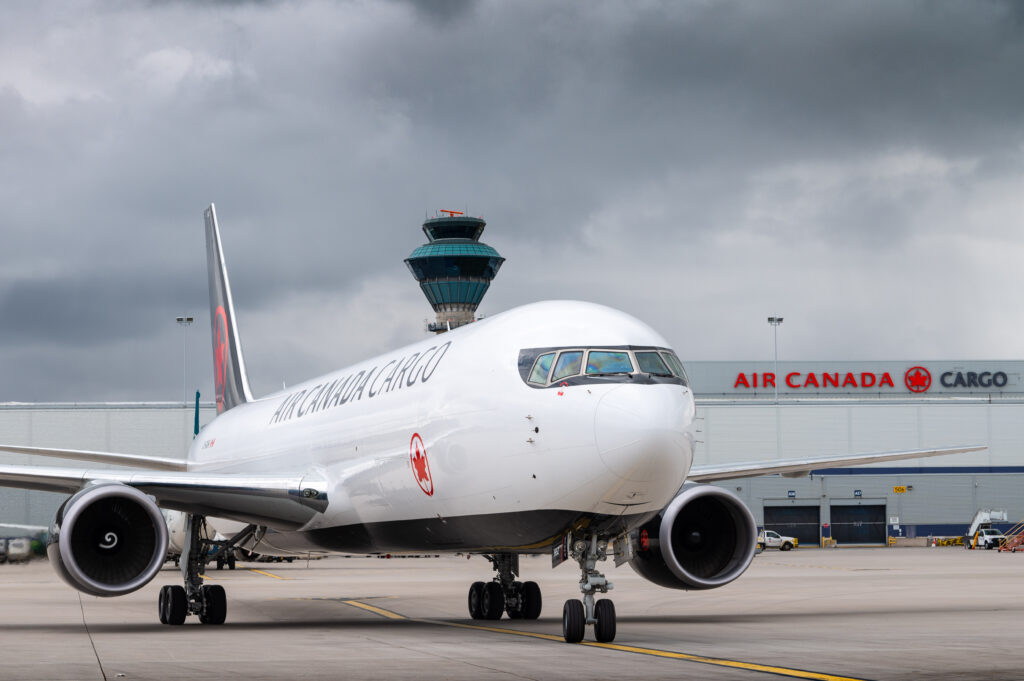
1. Boeing 767-300 Freighter (B763)
Average Daily Flights: 915 | Average Flight Time: 2 hours, 37 minutes
The Boeing 767-300 Freighter stands out as the most active cargo aircraft in the world, averaging 915 daily flights. Its combination of payload capability, range, and fuel efficiency makes it the backbone of medium-haul cargo operations.
Operated widely by FedEx Express, UPS Airlines, and Amazon Air, the 767-300F serves routes across North America, Europe, and Asia, often connecting regional hubs to major distribution centers. With a payload capacity of around 58 tons and a range exceeding 3,000 nautical miles, it perfectly fits the growing demand for mid-range express logistics.
As older 757s and A300s retire, the 767-300F continues to thrive, both as a factory-built freighter and as a passenger-to-freighter (P2F) conversion. Its dominance is likely to extend well into the next decade thanks to Boeing’s continuous production and global support network.
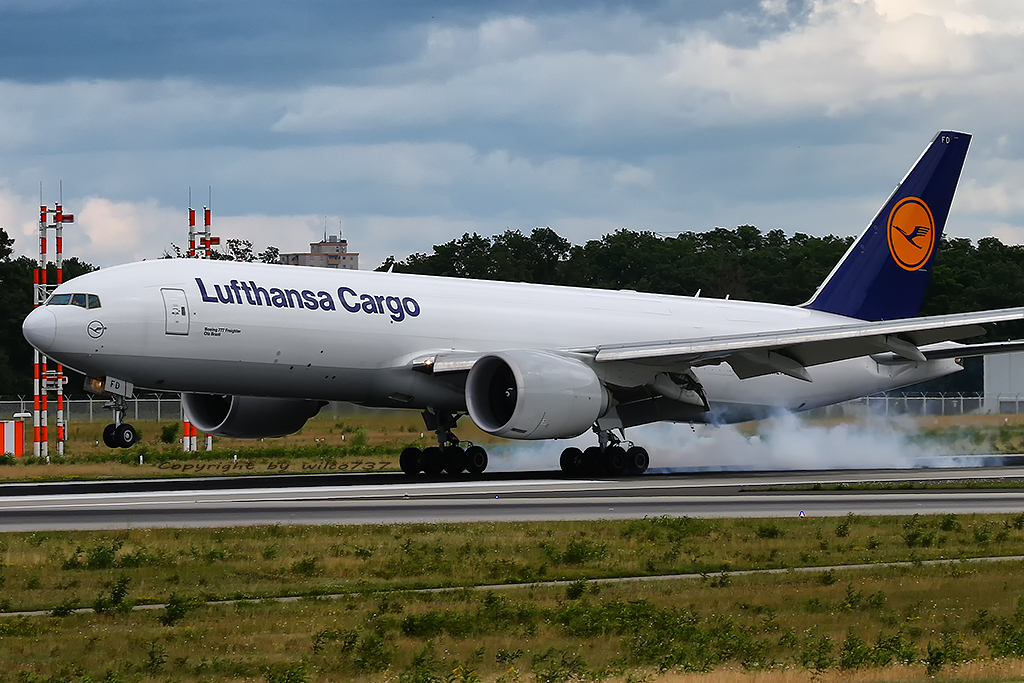
2. Boeing 777 Freighter / 777-200LR (B77L)
Average Daily Flights: 581 | Average Flight Time: 7 hours, 5 minutes
The Boeing 777 Freighter, often designated as B77L, ranks second with an average of 581 daily flights and the longest average flight time, exceeding seven hours. It is the preferred aircraft for long-haul cargo operators, thanks to its ability to carry up to 102 tons of freight over 4,900 nautical miles nonstop.
Major airlines, such as Qatar Airways Cargo, Emirates SkyCargo, FedEx, and Lufthansa Cargo, rely heavily on the 777F for their intercontinental operations. Its fuel-efficient twin-engine design offers a modern alternative to older quadjets like the 747-400F.
With Boeing set to introduce the 777-8 Freighter later this decade, the 777F’s global footprint highlights the continuing shift toward efficient, long-range twin-engine freighters that combine performance with lower operating costs.
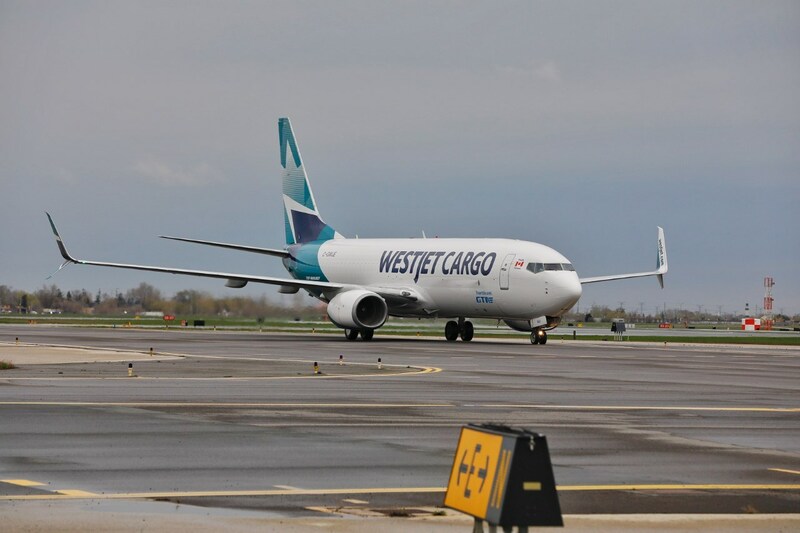
3. Boeing 737-800 Freighter (B738)
Average Daily Flights: 399 | Average Flight Time: 1 hour, 57 minutes
The Boeing 737-800 Freighter (B738F) occupies third place, logging an average of 399 daily flights and an average flight time of just under two hours. As the converted freighter version of one of the world’s most successful passenger jets, it has quickly become a favorite for regional express and e-commerce carriers.
Operators such as DHL, West Atlantic, and SF Airlines deploy the 737-800F on dense short-haul routes where quick turnarounds are essential. Its 23-ton payload and ability to access secondary airports make it ideal for intraregional operations in Europe, China, and North America.
The 737-800’s rise in the cargo market underscores the growing influence of e-commerce-driven logistics—where speed and frequency matter as much as capacity.
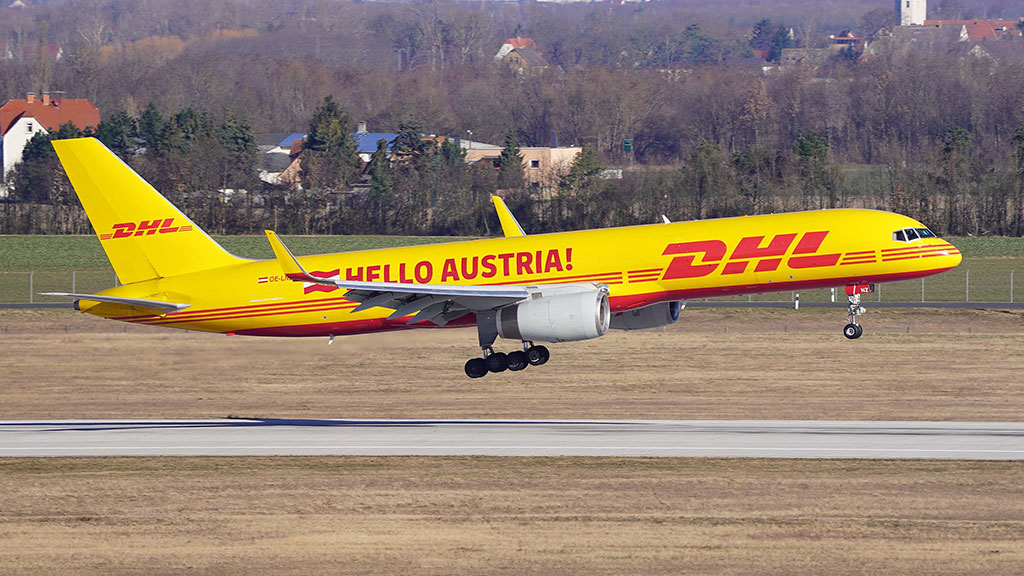
4. Boeing 757-200 Freighter (B752)
Average Daily Flights: 385 | Average Flight Time: 1 hour, 37 minutes
In fourth place, the Boeing 757-200 Freighter remains one of the most reliable narrowbody cargo aircraft ever built, averaging 385 flights per day. Despite its age, it remains the workhorse for express parcel and regional air freight operations.
Its blend of speed, range (over 3,000 nautical miles), and payload capacity of around 32 tons makes it particularly popular with FedEx Express and UPS Airlines, which together operate hundreds of 757s in their fleets.
While Boeing ceased 757 production in 2004, the aircraft’s efficient performance and sturdy design keep it flying daily across North America, Europe, and the Asia-Pacific region. Conversion programs ensure the 757 remains a vital link in global logistics for years to come.
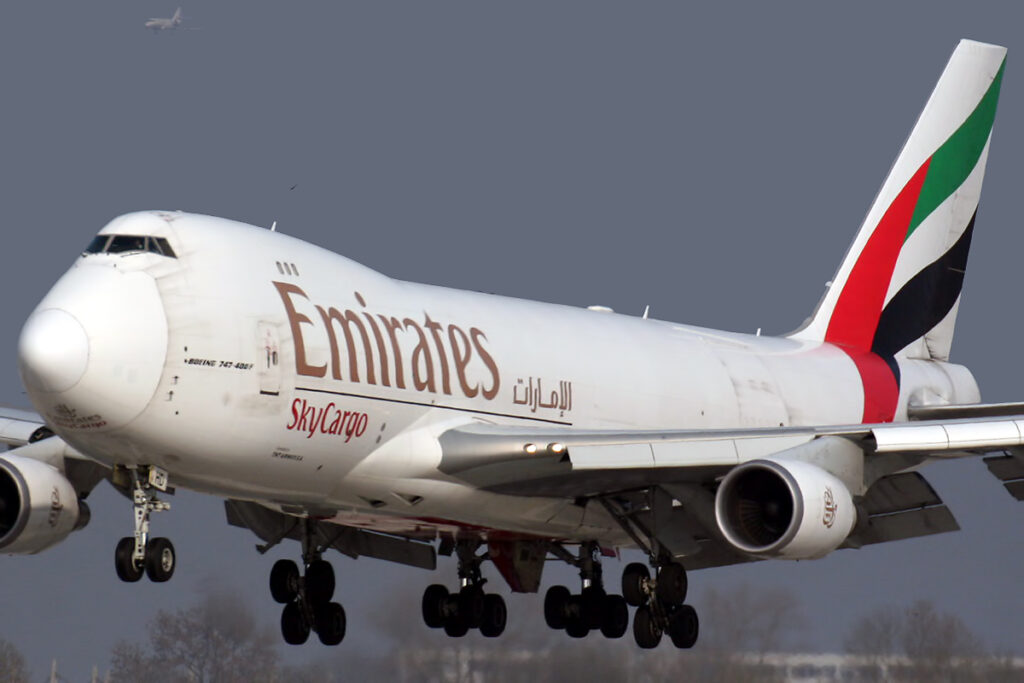
5. Boeing 747-400 Freighter (B744)
Average Daily Flights: 350 | Average Flight Time: 6 hours, 3 minutes
The legendary Boeing 747-400 Freighter ranks fifth, with 350 daily flights and an average duration exceeding six hours. Known as the “Queen of the Skies,” the 747-400F has been a cornerstone of long-haul cargo transport for over three decades.
Its nose-loading capability and vast 113-ton payload make it indispensable for transporting oversized cargo, heavy machinery, and bulk shipments. Operators such as Cargolux, Atlas Air, and Korean Air Cargo continue to rely on the 747-400F, especially on transpacific and Europe–Asia routes.
Although gradually being phased out in favor of newer aircraft, such as the 777F, the 747-400F remains a symbol of power and capacity in global freight operations, bridging continents and sustaining high-volume trade lanes.
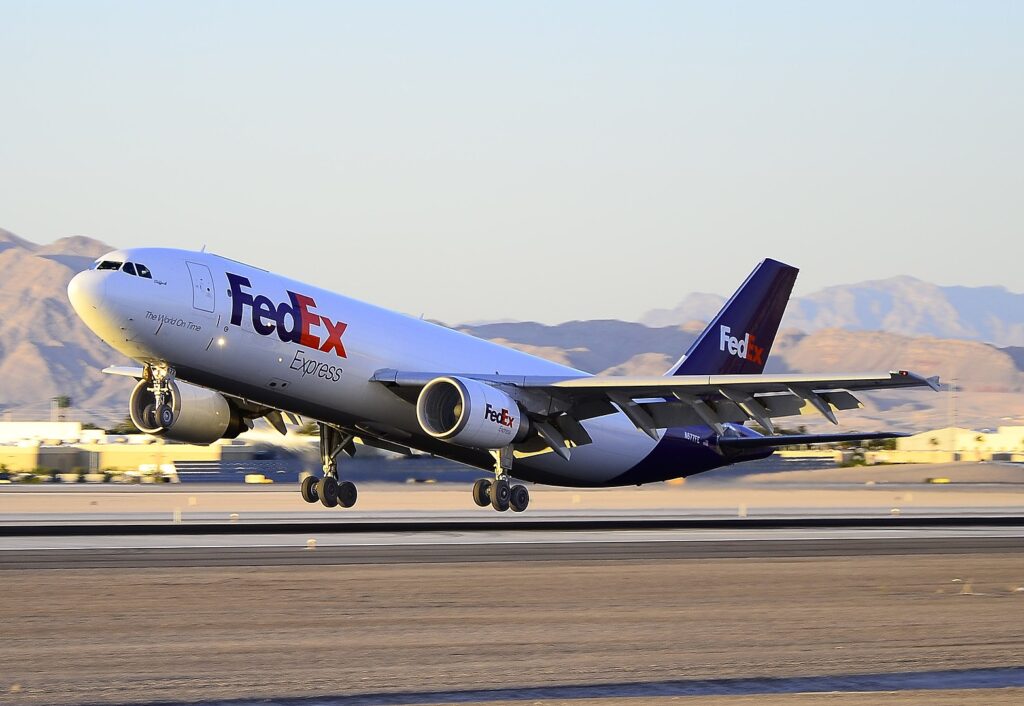
6. Airbus A300-600 Freighter (A306)
Average Daily Flights: 221
The Airbus A300-600F maintains a steady presence in the mid-range cargo sector with 221 daily flights. It was one of Airbus’s earliest ventures into dedicated freighters, and despite its age, it continues to perform reliably for carriers such as UPS Airlines and DHL Aviation.
The aircraft’s spacious lower hold and wide main deck make it well-suited for bulky freight, while its range and efficiency complement regional cargo networks. Though production ended in 2007, many A300-600Fs remain active thanks to robust maintenance programs and efficient operating economics.
As Airbus continues to focus on newer freighter variants, such as the A330-200F and the upcoming A350F, the A300’s longevity highlights its enduring contribution to medium-haul logistics.
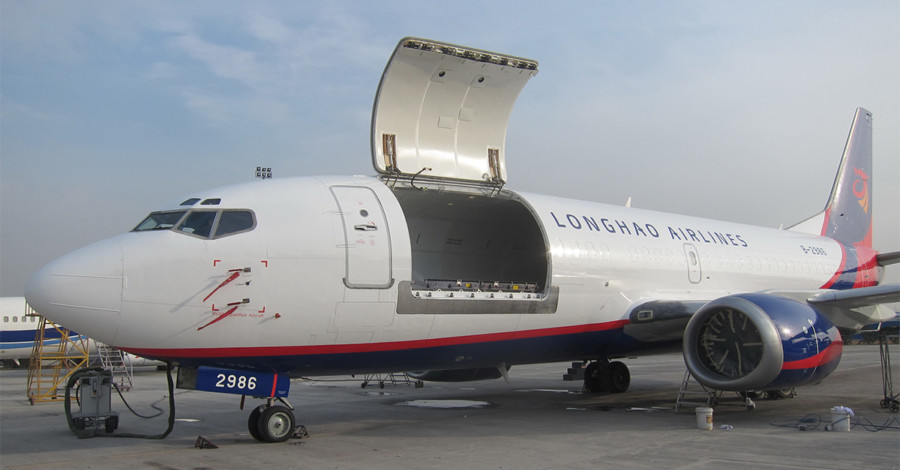
7. Boeing 737-400 Freighter (B734)
Average Daily Flights: 171
The Boeing 737-400 Freighter remains a dependable narrowbody workhorse, averaging 171 flights per day. Once a mainstay passenger aircraft, it found new life through conversion programs, becoming a cost-effective option for smaller cargo operators.
It is commonly used by regional carriers in Europe, Southeast Asia, and Africa for overnight express shipments. With a payload capacity of around 21 tons, the 737-400F fills the niche between smaller turboprops and newer 737-800Fs.
Although gradually being replaced by newer-generation 737NG freighters, the -400 variant remains a practical solution for operators seeking affordability and simplicity in short-haul cargo operations.
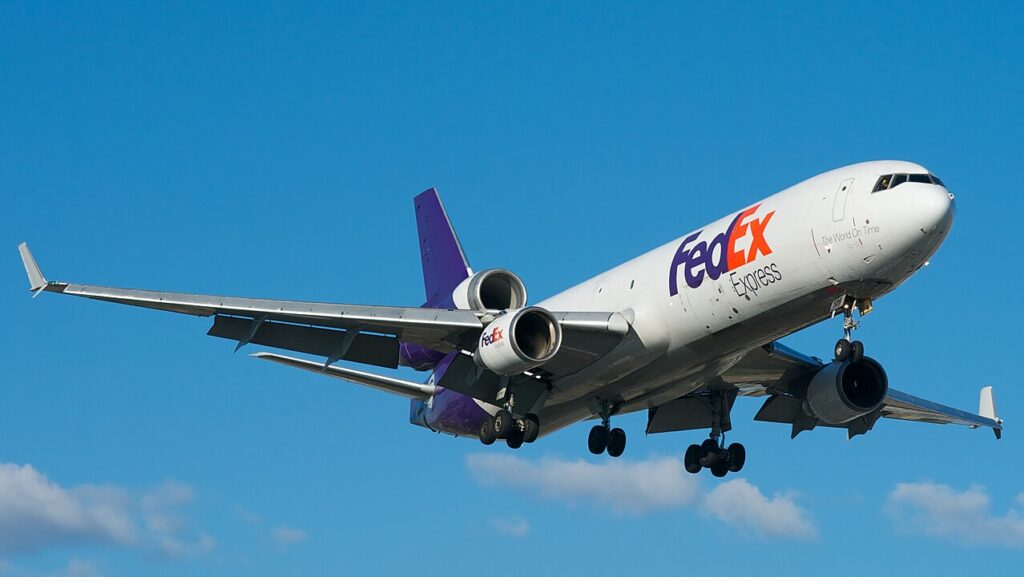
8. McDonnell Douglas MD-11 Freighter (MD11)
Average Daily Flights: 97 | Average Flight Time: 2 hours, 28 minutes
The McDonnell Douglas MD-11F, with an average of 97 daily flights, has earned a cult following among cargo enthusiasts. Its trijet design, unique profile, and long-range performance made it a favorite for transoceanic freight in the 1990s and 2000s.
Although no longer in production, it remains active with carriers like FedEx Express and Lufthansa Cargo, particularly on intercontinental routes. The MD-11F’s ability to carry nearly 90 tons of freight and its robust engineering have kept it relevant long past its commercial passenger career.
However, as newer twinjets offer better efficiency, the MD-11’s retirement from global fleets is accelerating. Yet its contribution to the history of long-haul cargo remains unparalleled.
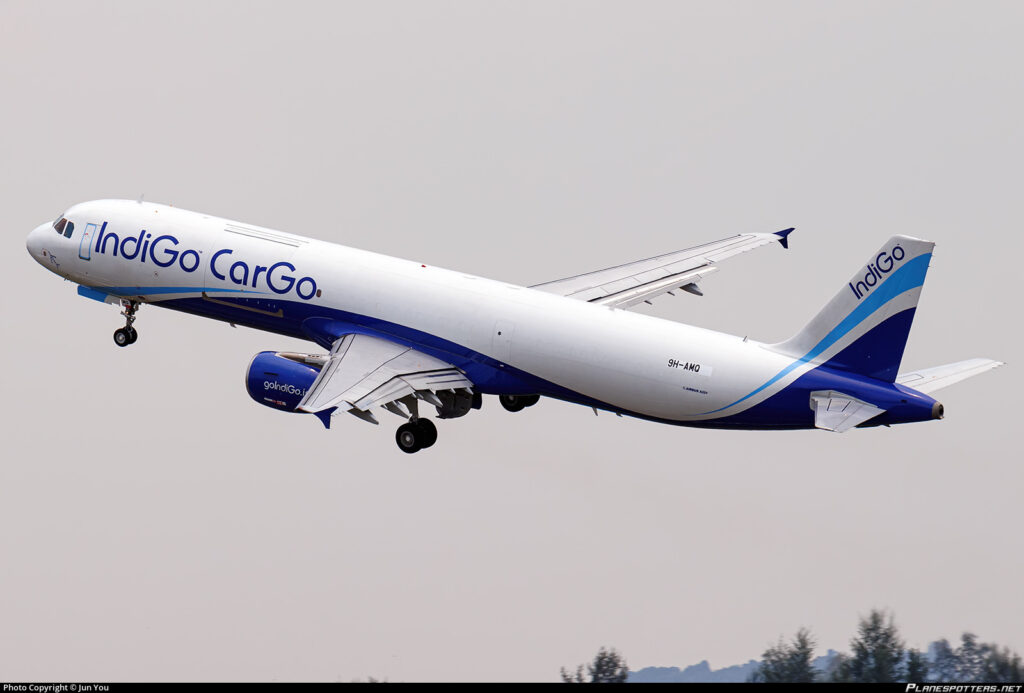
9. Airbus A321 Freighter (A321)
Average Daily Flights: 87 | Average Flight Time: 2 hours, 15 minutes
The Airbus A321 Freighter represents the next generation of narrowbody cargo aircraft, logging 87 daily flights and gaining momentum across global logistics networks. Converted from passenger A321s, it offers up to 27 tons of payload with advanced avionics and modern fuel efficiency.
Operators such as SmartLynx, Lufthansa Cargo (in partnership with DHL), and IndiGo Cargo have embraced the A321P2F for short to medium-haul missions. Its lower emissions, larger cargo volume, and compatibility with standard containers make it a key aircraft for the e-commerce era.
As demand for sustainability grows, the A321F is poised to replace aging 737-400s and 757s, setting a new standard for efficiency in the narrowbody freighter market.
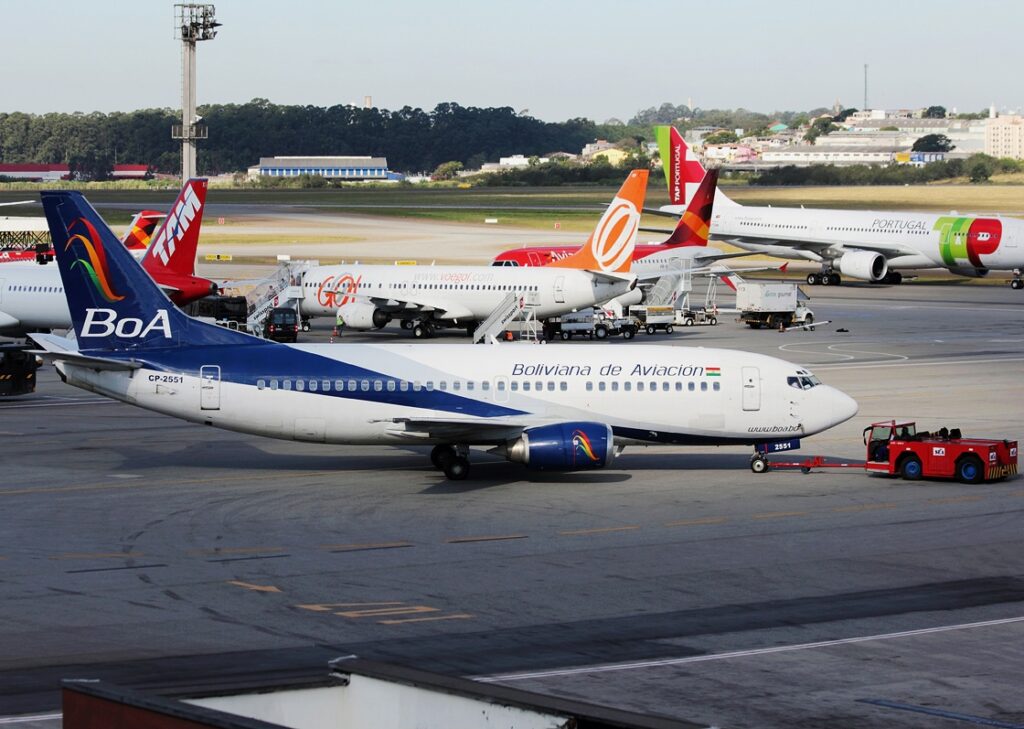
10. Boeing 737-300 Freighter (B733)
Average Daily Flights: 83 | Average Flight Time: 1 hour, 29 minutes
The Boeing 737-300 Freighter closes the list with 83 average daily flights. As one of the earliest 737 Classic conversions, it played a significant role in shaping regional cargo operations in the 1990s and early 2000s.
Today, it remains active primarily in developing markets, serving express delivery and feeder routes where demand is steady but payload requirements are modest. Its reliability and low acquisition costs make it an attractive option for small cargo carriers across Latin America and Eastern Europe.
While its operational numbers are declining, the 737-300F’s enduring presence highlights its role as a pioneer of modern narrowbody freight transport.
Conclusion
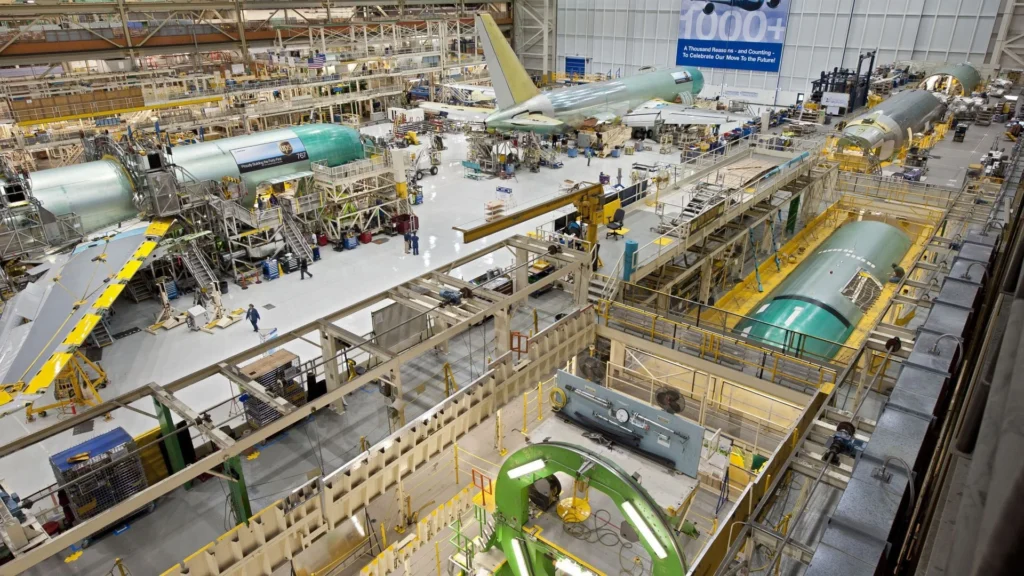
From the Boeing 767-300F’s unmatched versatility to the 747-400F’s long-haul might, the world’s most active cargo aircraft showcase the diversity and resilience of the global air freight industry. Together, they form the backbone of a system that connects continents, sustains economies, and keeps supply chains flowing, often without passengers ever being aware of it.
As technology advances and fleets modernize, these aircraft will continue to define how goods move swiftly and safely across the world, one flight at a time.
Stay tuned with us. Further, follow us on social media for the latest updates.
Join us on Telegram Group for the Latest Aviation Updates. Subsequently, follow us on Google News.
