

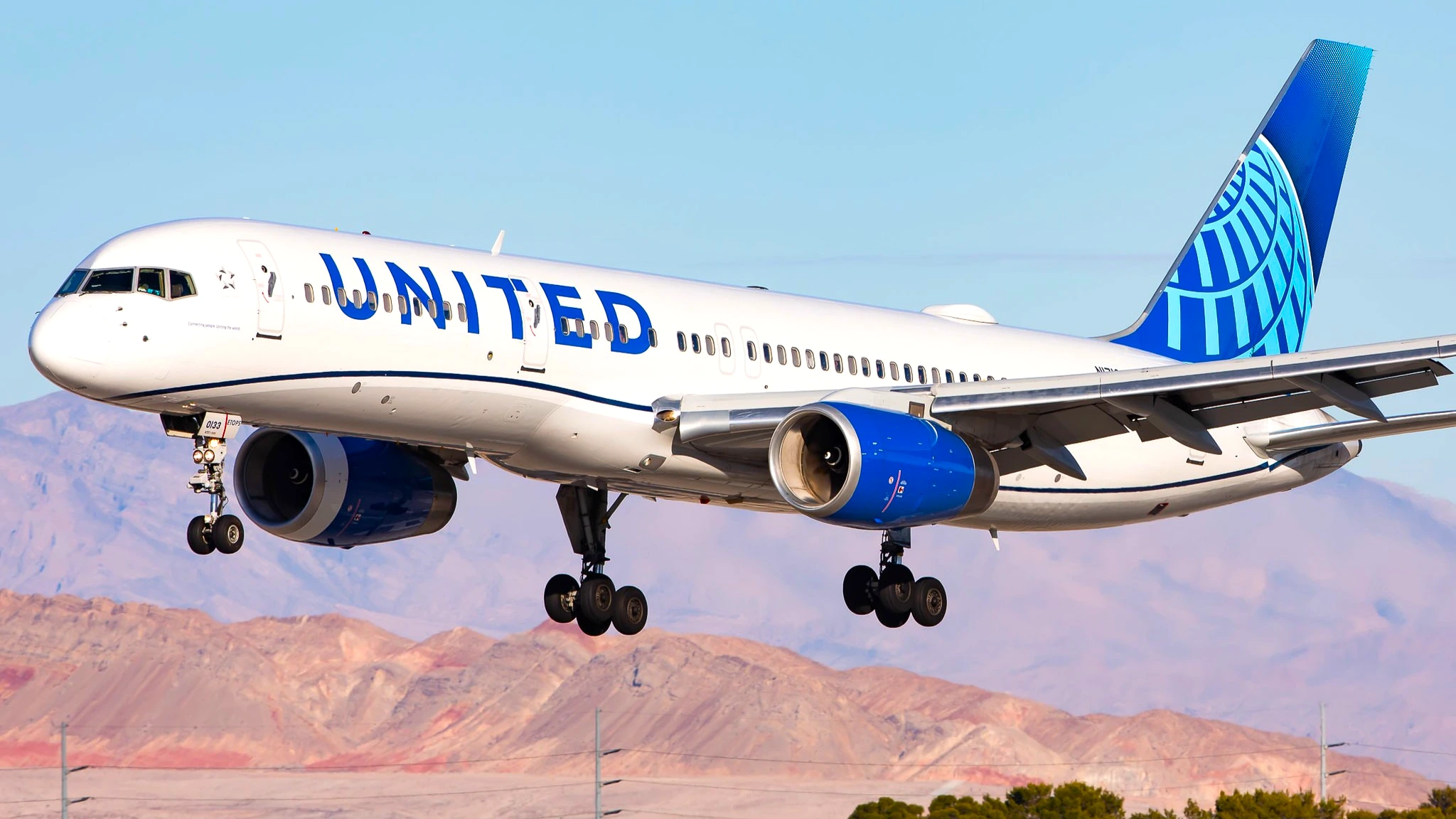
CHICAGO- United Airlines (UA) flight UA979 from Edinburgh (EDI) to Washington Dulles (IAD) landed on June 11, 2026, with a reported possible Ebola concern onboard. The Boeing 757-200 completed the transatlantic crossing despite the alert, and no authority has publicly confirmed that any passenger had Ebola.
Air traffic control audio indicates that a family recently in Uganda showed symptoms during the flight. The crew considered diversions to Bangor (BGR) and New York (JFK) before continuing to Dulles, one of four U.S. gateways designated for enhanced Ebola screening.
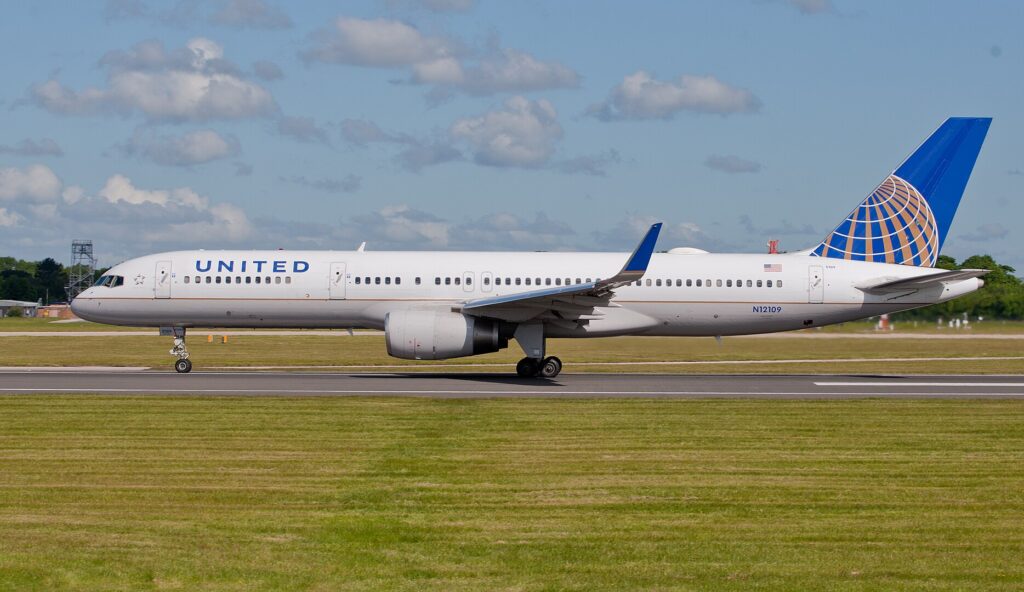
United Ebola Concern On The Edinburgh To Dulles Service
The aircraft departed Edinburgh late at 2:35 pm local time and arrived at Dulles at 5:00 pm local time. Flight tracking data shows the crew evaluated diversions to both Bangor, Maine, and New York JFK before proceeding to the planned destination at IAD.
According to ATC audio, operations staff relayed that customs and border control could not verify the situation but flagged a possible Ebola case onboard. The crew understood the concern involved a family of five or six who had traveled from Uganda. No seat numbers were available at the time of the report.
It remains unclear how the family traveled from Uganda to Edinburgh. Uganda Airlines (UR) operates a service from Entebbe (EBB) to London Heathrow (LHR) using its lone Airbus A330-800neo, though the exact routing to Scotland is not known.
A reported possible Ebola concern is not the same as a confirmed Ebola case. The alert may have been based on travel history rather than active symptoms, and the full picture is not yet public, Live and Let’s Fly reported.
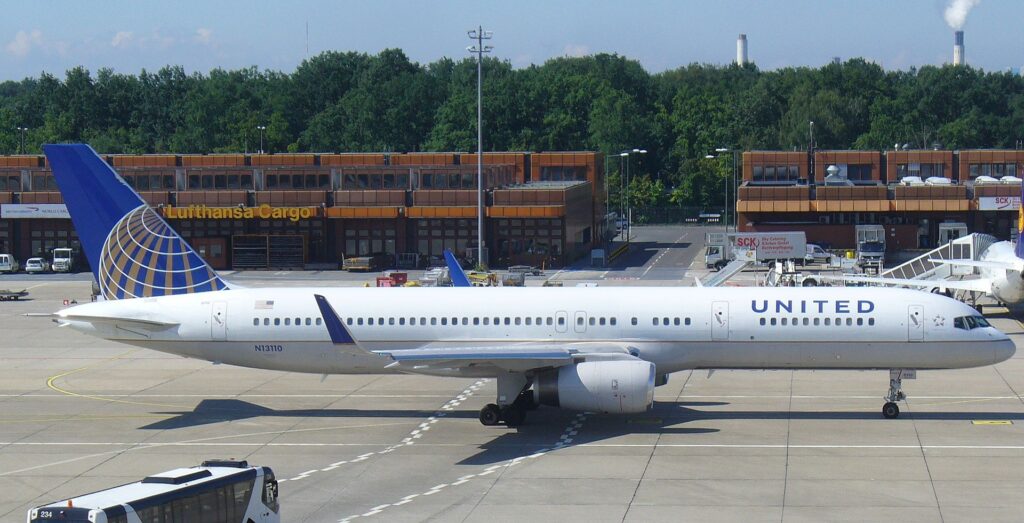
Why Washington Dulles Was A Logical Landing Point
Since May 20, 2026, U.S.-bound travelers who were recently in the Democratic Republic of Congo, Uganda, or South Sudan must enter the United States through one of four designated airports for enhanced Ebola screening. Washington Dulles is one of those gateways.
The other three approved entry points are New York JFK, Atlanta (ATL), and Houston (IAH). United has no operational presence at JFK, which helps explain why the carrier continued to Dulles rather than diverting there.
The CDC states that U.S. citizens, U.S. nationals, and lawful permanent residents who were in the affected countries within the previous 21 days may enter the United States, but only through one of these four airports. Foreign nationals face tighter restrictions.
Enhanced screening may include temperature checks, travel-history review, symptom screening, and collection of contact information for follow-up. If a passenger on UA979 had recently traveled from an affected country, landing at Dulles aligned with the required protocol rather than being a random choice.
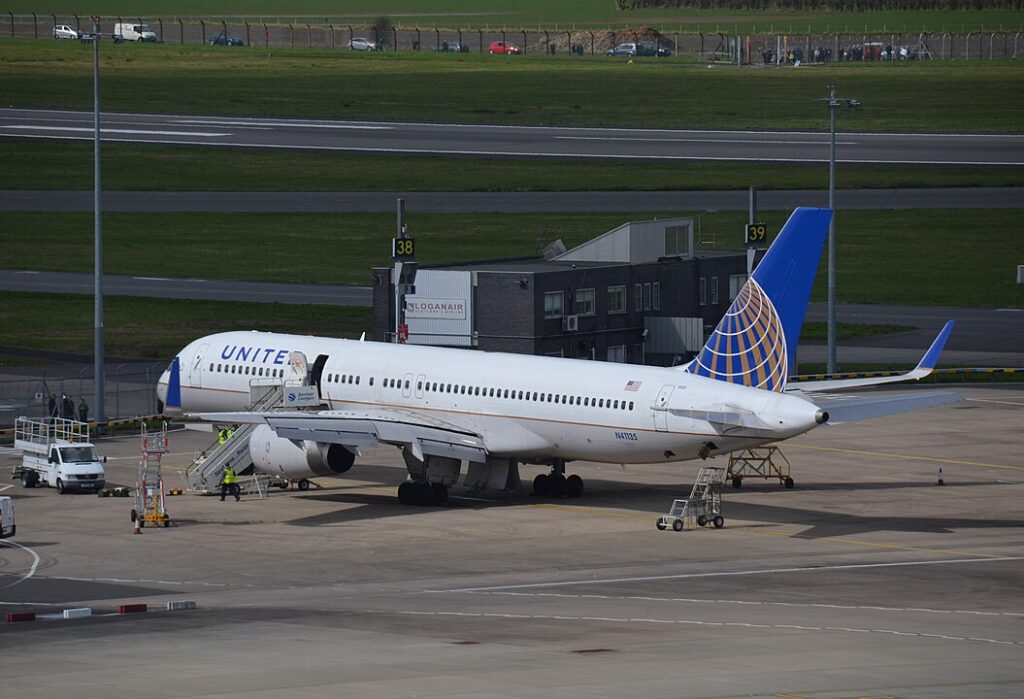
What Is Known About Ebola Transmission
There is no public evidence that anyone onboard UA979 actually had Ebola, and no public evidence that any passenger was exposed to the virus during the flight.
Ebola does not spread like measles, COVID-19, or influenza. Unlike airborne viruses, transmission typically requires direct contact with bodily fluids from a symptomatic person. This does not reduce the seriousness of the disease, but it does mean a possible concern onboard should not be read as confirmed exposure.
The CDC has previously emphasized that the domestic risk remains low and that enhanced screening at Dulles forms part of a layered public health approach.
Bottom Line
United flight UA979 from Edinburgh to Washington Dulles landed on June 11, 2026, with a reported possible Ebola concern onboard. Flight data suggests the crew nearly diverted to Bangor and New York JFK before continuing to IAD.
No public confirmation exists that any passenger had Ebola, and the situation may reflect a precautionary screening issue tied to recent travel history. Because Dulles is a designated airport for enhanced Ebola screening of certain travelers, landing there appears to match the established protocol.
Stay tuned with us. Further, follow us on social media for the latest updates.
Join us on Telegram Group for the Latest Aviation Updates. Subsequently, follow us on Google News
