

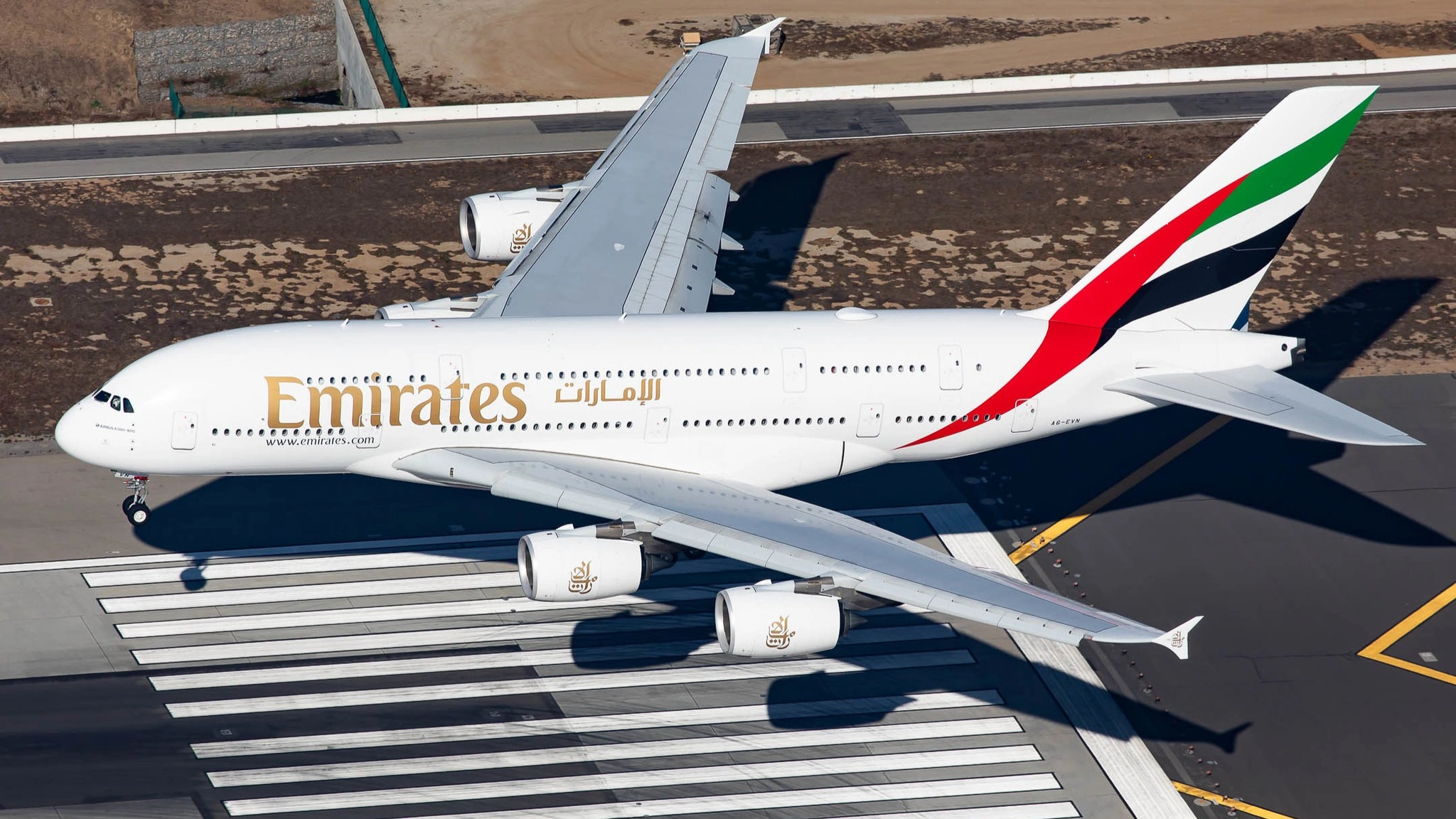
FRANKFURT— Travelers flying between Germany and Dubai will temporarily see fewer Airbus A380 flights as Emirates (EK) adjusts its summer schedule and deploys alternative aircraft across several major routes.
The temporary changes affect services at Frankfurt Airport (FRA), Munich Airport (MUC), and Düsseldorf Airport (DUS), where the airline is replacing several Airbus A380 flights with Boeing 777 and Airbus A350 aircraft.
The move comes as Emirates manages fleet availability and responds to changing seasonal demand patterns.
Emirates Reduces A380 Flights to Germany
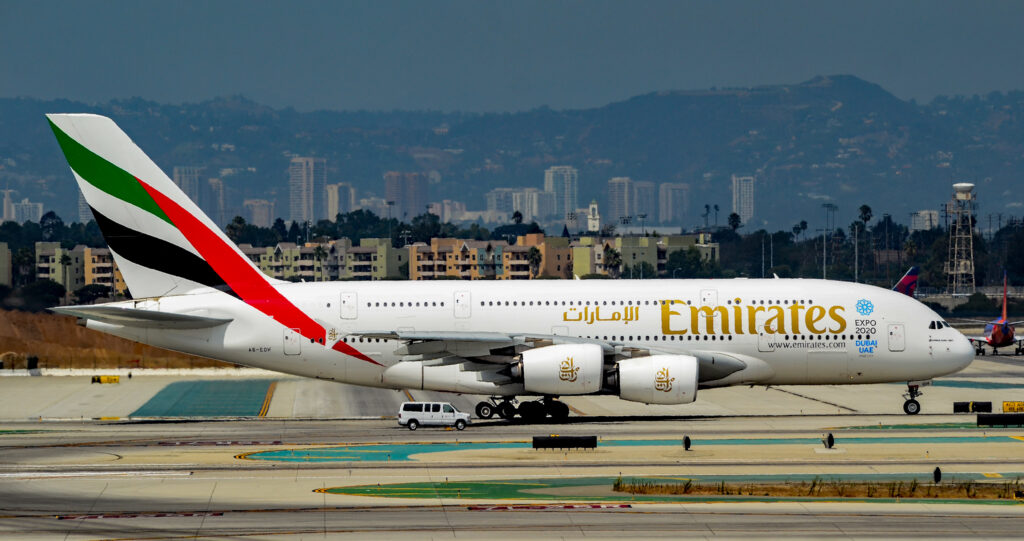
Emirates has begun a temporary reduction of Airbus A380 operations across Germany, impacting three of its four destinations in the country.
Hamburg Airport (HAM) has already been served exclusively by Boeing 777 aircraft, while Frankfurt, Munich, and Düsseldorf traditionally receive regular Airbus A380 service.
In Munich, one of the airline’s two daily services had already been operated by a Boeing 777. Beginning June 1, the second daily flight also transitioned from the Airbus A380 to the Boeing 777.
The airline has also reduced one Munich frequency from seven weekly flights to four weekly flights between June 9 and June 23.
Düsseldorf is experiencing a similar adjustment. Emirates has replaced the Airbus A380 with a Boeing 777 on its route between Dubai and Düsseldorf from June 9 through June 25.
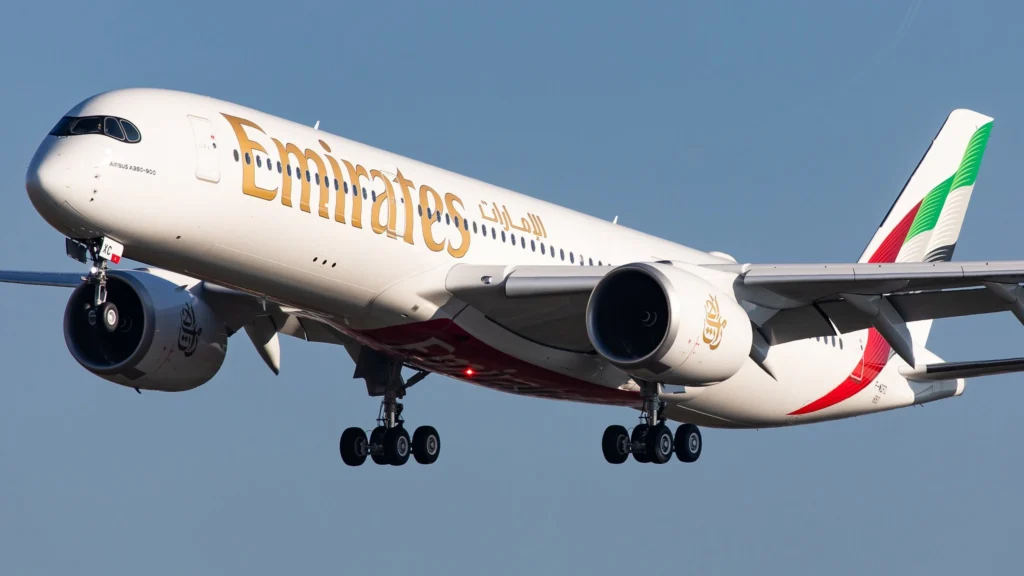
Frankfurt has undergone the most significant fleet reshuffle. One daily service switched from the Boeing 777 to the Airbus A350-900, while another route changed from the Airbus A380 to the Boeing 777. A third daily Frankfurt service continues to operate with the Boeing 777.
These changes mean Germany’s largest airports will temporarily lose regular Emirates Airbus A380 operations for several weeks, AeroTelegraph reported.
Reasons Behind the Reduction Of A380 Operations
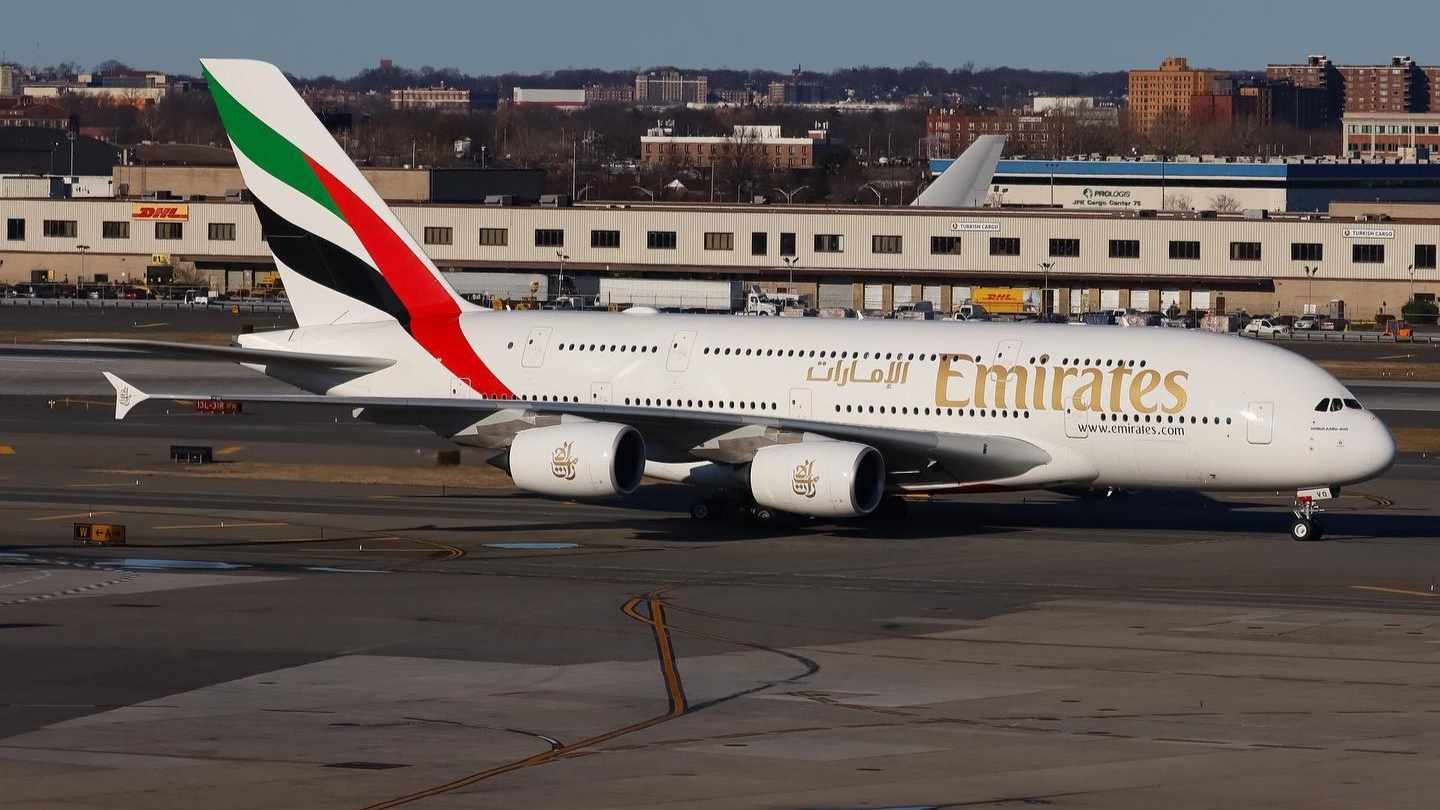
Several operational and market factors appear to be contributing to the temporary withdrawal of Airbus A380 aircraft from German routes.
The summer season in Dubai typically brings extremely high temperatures and lower inbound tourism demand compared with the cooler winter months. Airlines often adjust capacity during this period to better match passenger demand.
Regional geopolitical tensions have also influenced travel patterns across parts of the Middle East. Airlines serving the region have faced challenges maintaining strong passenger loads on some long-haul routes, making smaller aircraft more practical for selected services.
Fleet availability is another key factor. Emirates continues to operate the world’s largest Airbus A380 fleet, but a significant number of aircraft are currently unavailable for regular service.
A380 Retrofit Program Progress Update
According to industry fleet data, 32 of Emirates’ 117 Airbus A380 aircraft are currently parked. Some aircraft are undergoing scheduled maintenance, while others are being retrofitted with the airline’s upgraded cabin products.
The modernization program includes refreshed premium cabins and enhanced onboard features designed to improve the passenger experience. While the upgrades strengthen the airline’s long-term product offering, they temporarily reduce the number of available aircraft.
Germany is not the only market affected by the changes. Emirates has also removed Airbus A380 operations from selected flights serving Copenhagen, Glasgow, London Gatwick, Manchester, Kansai, Perth, and Washington during June.
Although the Airbus A380 remains one of the most recognizable aircraft in commercial aviation, German travelers will need to wait several weeks before the superjumbo returns to regular operations at Frankfurt, Munich, and Düsseldorf.
Until then, Boeing 777s and Airbus A350s will handle a larger share of Emirates’ services between Germany and Dubai.
Stay tuned with us. Further, follow us on social media for the latest updates.
Join us on Telegram Group for the Latest Aviation Updates. Subsequently, follow us on Google News
