

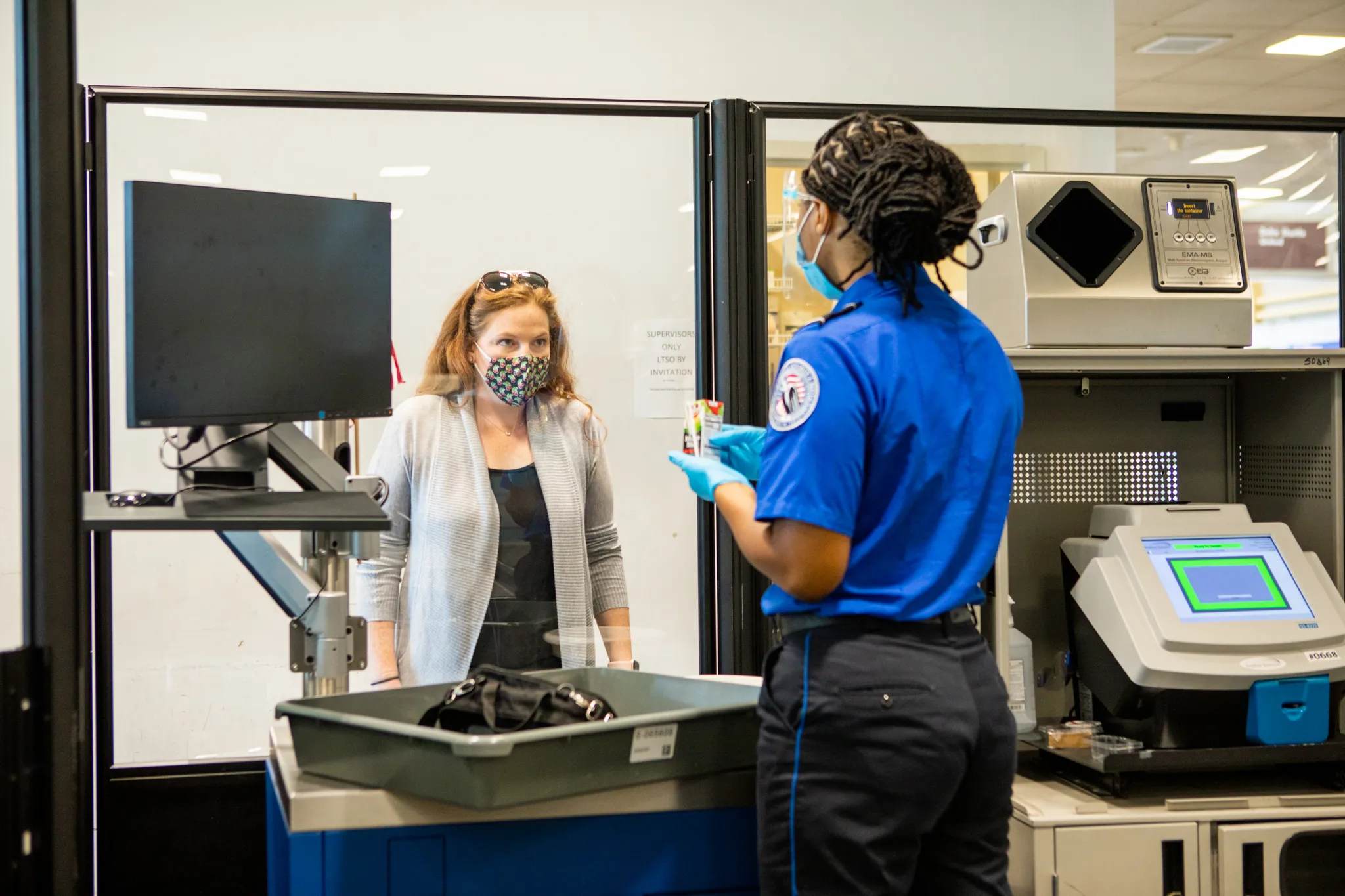
The Trump administration is reportedly considering major changes to customs operations at several large US airports located in so-called sanctuary cities.
The proposal, discussed by Homeland Security Secretary Markwayne Mullin, could affect international arrivals at airports serving cities such as New York (JFK), Los Angeles (LAX), Chicago (ORD), and San Francisco (SFO).
The potential policy shift has already raised concerns across the aviation industry, especially among major carriers including United Airlines (UA), American Airlines (AA), Delta Air Lines (DL), and JetBlue Airways (B6).
Industry executives fear that limiting customs facilities at major gateway airports could severely disrupt international travel networks and airline operations across the United States.

DHS Customs Plan
The controversy began after Homeland Security Secretary Markwayne Mullin discussed sanctuary cities during a televised interview earlier this year.
Mullin argued that cities limiting cooperation with federal immigration authorities should not continue benefiting from federally supported customs processing at international airports.
According to reports, Mullin later met with airline and travel industry executives at the Department of Homeland Security headquarters in May 2026 to further discuss the proposal.
Sources familiar with the meeting stated that the administration is evaluating restrictions that could begin after the FIFA World Cup concludes in July 2026, OMAAT flagged.
The reported plan would prioritize customs staffing and airport processing resources at cities that cooperate more closely with federal immigration enforcement policies.
While no official implementation timeline has been confirmed, the proposal has continued to gain attention within the aviation sector.
Impact On Airlines
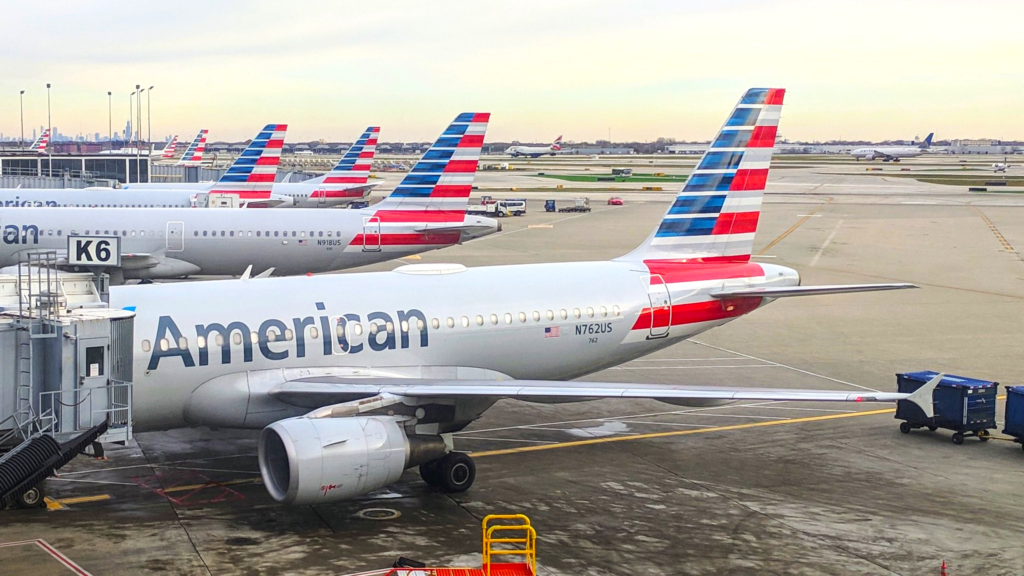
Aviation analysts warn that removing or reducing customs operations at major airports could create widespread operational problems for US and international airlines.
Airports such as Newark (EWR), Seattle (SEA), Boston (BOS), and Philadelphia (PHL) serve as critical international gateways for multiple airlines and alliance partners.
For carriers like United Airlines, Delta Air Lines, and American Airlines, international hubs generate a substantial portion of long-haul revenue. Any reduction in customs capacity could force airlines to reroute international flights, alter schedules, or consolidate operations at fewer airports.
Industry experts also note that international travelers rely heavily on coastal gateway airports for connections.
Restricting customs services at those airports could increase congestion at remaining hubs, particularly Miami (MIA) and Houston (IAH), which may see additional traffic if changes move forward.
Airline groups have reportedly expressed concern that such measures would negatively impact tourism, business travel, and cargo operations. Several travel organizations are also expected to lobby against the proposal in the coming months.
Sanctuary City Debate
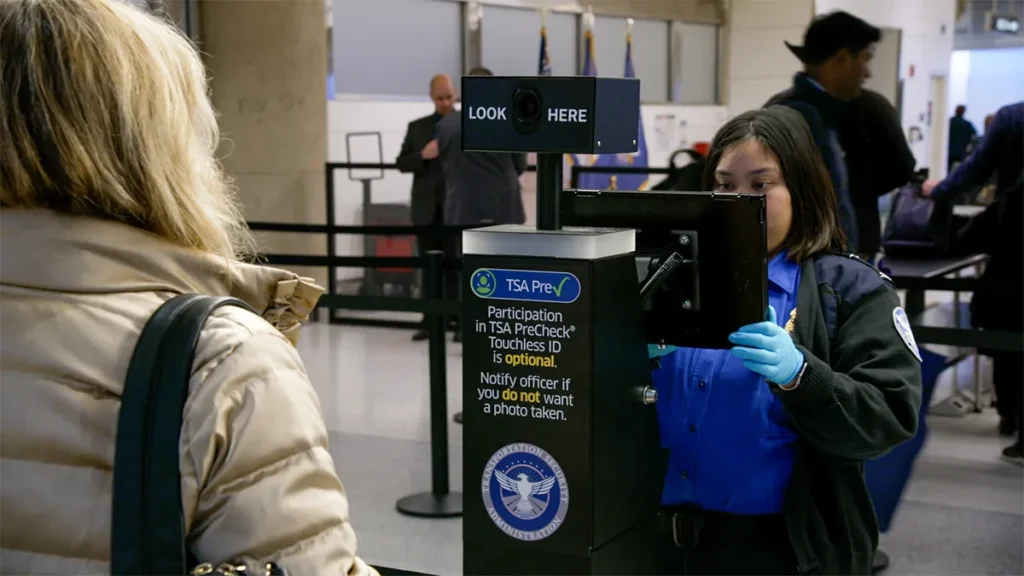
The term “sanctuary city” generally refers to jurisdictions that limit local cooperation with federal immigration enforcement agencies.
However, there is no single legal definition recognized nationwide, which has added complexity to the debate.
Critics argue that targeting airport customs facilities could create economic damage far beyond immigration policy disputes. Major international airports support thousands of jobs and serve as key infrastructure assets for local economies.
Supporters of the proposal, meanwhile, believe the federal government should prioritize resources in locations that align more closely with national immigration enforcement objectives.
The administration has not yet announced any formal policy changes, but the aviation industry continues monitoring the situation closely.
Stay tuned with us. Further, follow us on social media for the latest updates.
Join us on Telegram Group for the Latest Aviation Updates. Subsequently, follow us on Google News
