

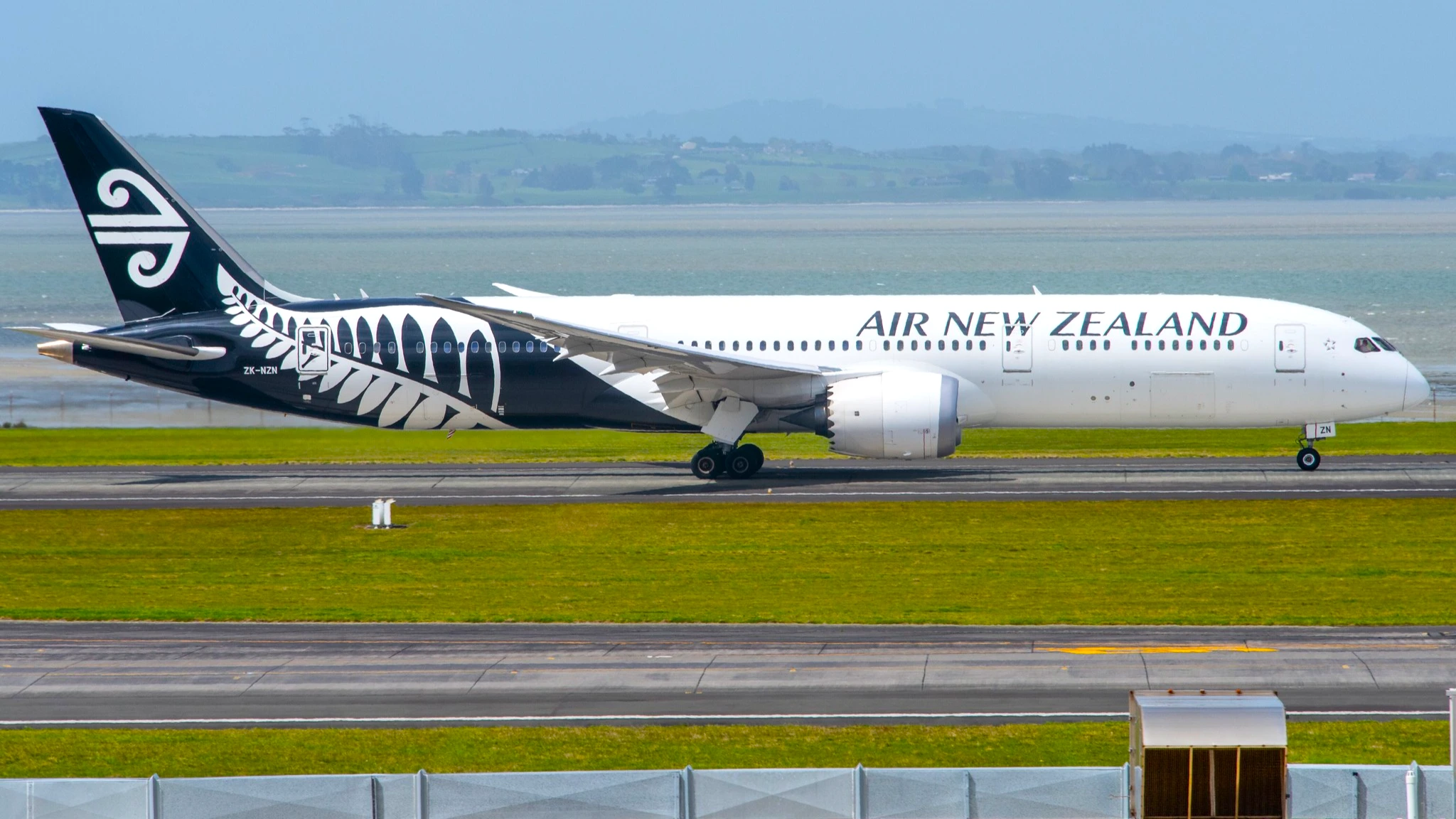
CHRISTCHURCH- Air New Zealand (NZ) has defended its decision to launch three new international routes from Christchurch Airport (CHC) despite cutting flights across parts of its domestic and regional network.
Chief executive Nikhil Ravishankar said the airline’s new services to Perth, Singapore, and Tokyo align with strong international demand and current fuel market conditions.
The new Christchurch connections include direct flights to Perth Airport (PER), Singapore Changi Airport (SIN), and Tokyo Narita Airport (NRT).
The announcement came weeks after Air New Zealand reduced frequencies on several domestic routes as rising fuel prices and engine availability issues continue to pressure airline operations.

Air New Zealand’s New International Routes
Ravishankar said the Christchurch expansion reflects long-term demand trends rather than short-term market conditions.
He explained that the airline continues to balance network growth with operational constraints caused by high fuel prices and ongoing Pratt & Whitney engine shortages.
According to the Air NZ chief, the Perth route specifically targets growing demand from New Zealanders employed in Western Australia’s mining industry. Many workers commute on rotational schedules, usually spending two weeks in Australia before returning home.
He stated that the Western Australia market has now become larger for the airline than some traditional Australian trunk routes.
The airline believes the Christchurch-Perth connection will support both labor mobility and tourism traffic between New Zealand and Australia.
Ravishankar also emphasized the strategic value of direct South Island connections to Asia.
He said the Singapore and Tokyo routes would strengthen tourism, business, and trade links while reducing the need for travelers to transit through Auckland Airport (AKL), 1news flagged.
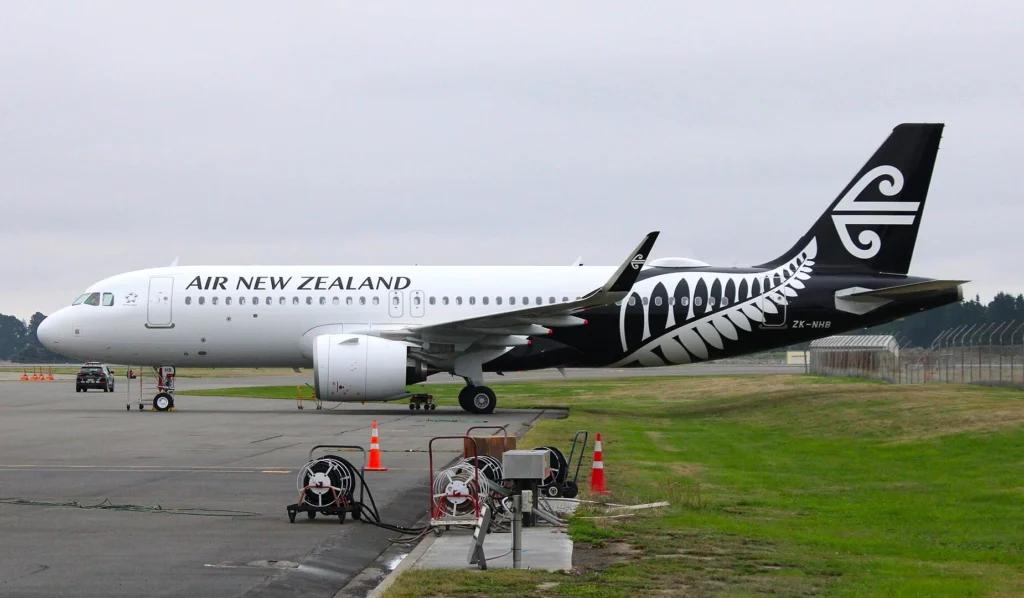
Fuel Costs Pressure on NZ
Air New Zealand continues to face rising operational costs tied to global fuel prices and supply chain disruptions. Ravishankar noted that fuel expenses remain heavily influenced by instability in the Middle East and the ongoing Iran conflict.
Despite these pressures, the airline does not currently plan to increase fares between August and October. Instead, Air NZ intends to manage costs through schedule consolidation and frequency reductions on lower-demand routes.
The airline has already reduced capacity by up to 5% across domestic, short-haul, and long-haul operations. Ravishankar said the strategy focuses on avoiding half-empty flights while conserving fuel and maintaining route connectivity.
He added that Air NZ is reviewing Pacific operations ahead of the Southern Hemisphere shoulder season, when travel demand typically softens. However, the carrier is not considering cutting entire Pacific routes at this stage.

Tourism Demand Remains Strong in New Zealand
Ravishankar said inbound travel demand from the United States and Asia remains robust, with New Zealand continuing to attract international tourists.
Favorable currency exchange rates have also encouraged travel, particularly from American visitors and New Zealand travelers heading to Japan.
At the same time, Air NZ is seeing weaker domestic and outbound demand within New Zealand. The airline expects these softer conditions to continue during the August-to-October shoulder season before rebounding during the summer peak.
Looking ahead, Ravishankar described aviation as critical to New Zealand’s economy and connectivity.
He stressed that Air NZ’s long-term strategy focuses on building resilience while maintaining a strong domestic and international network for the country.
Stay tuned with us. Further, follow us on social media for the latest updates.
Join us on Telegram Group for the Latest Aviation Updates. Subsequently, follow us on Google News
