

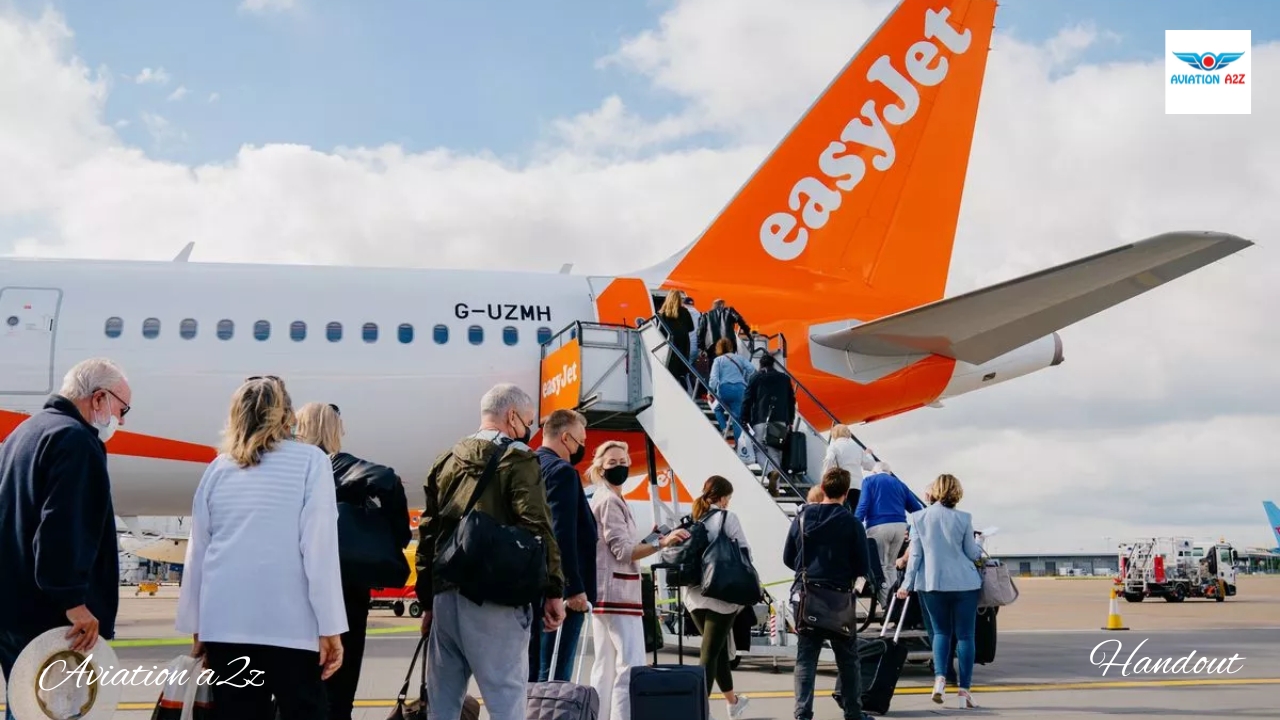
Flight attendants across major airlines are increasingly calling attention to passenger boarding habits that slow aircraft departures and create unnecessary operational disruptions.
While many travelers may view certain behaviors as harmless, cabin crew say small delays during boarding can quickly affect an airline’s tightly scheduled turnaround process.
Former cabin crew members from airlines including Virgin America (VX) and US Airways (US) recently shared some of the most common passenger actions that create problems before takeoff to Travel and Leisure
Passengers’ Mistakes Annoy Flight Attendants
Industry professionals say issues such as seat switching, improper baggage placement, and pre-departure aisle congestion can all contribute to delayed departures.
Seat Change Issues
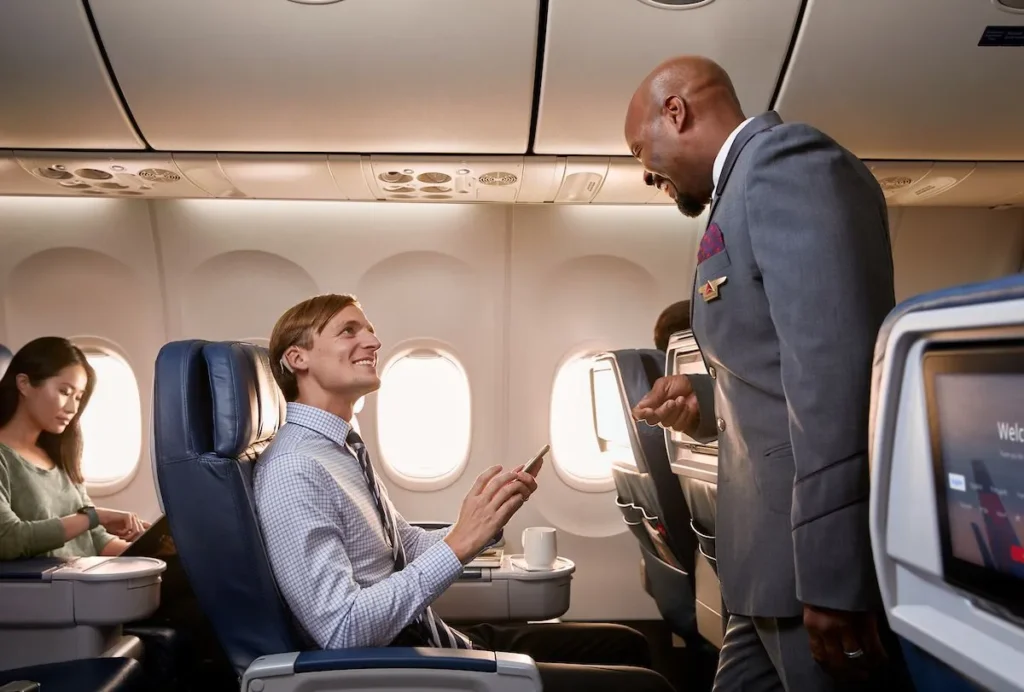
Flight attendants say unauthorized seat changes remain one of the most frustrating boarding behaviors. Passengers frequently attempt to move closer to travel companions or relocate to empty rows without consulting crew members first.
Cabin crew notes that airlines increasingly track seating assignments digitally, especially for premium or extra-legroom seats that passengers pay additional fees to reserve.
On smaller regional aircraft, unauthorized seat changes can also affect weight and balance calculations used by pilots before departure.
Former flight attendant Bobby Laurie explained that crews monitor seat maps closely throughout boarding.
While moving one row may not create a serious safety risk on larger aircraft, flight attendants still must ensure passenger distribution aligns with operational requirements.
The problem becomes more noticeable when travelers stop in the aisle negotiating seat swaps while other passengers wait behind them. Cabin crew says these interruptions can slow boarding significantly during peak travel periods.
Carry-On Problems
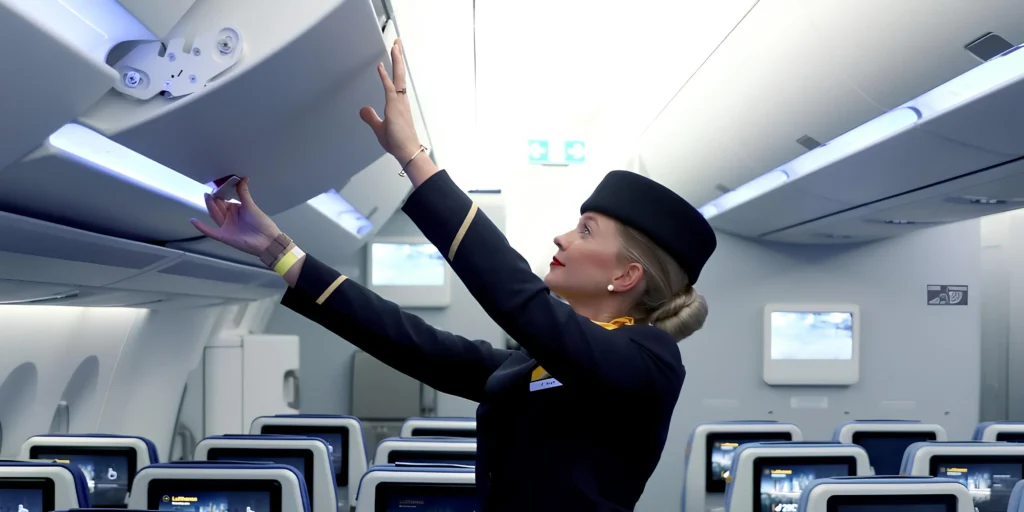
Overhead bin space has become another major source of conflict onboard modern flights. As more airlines charge checked baggage fees, travelers increasingly rely on carry-on bags, creating competition for limited cabin storage space.
Flight attendants report that passengers often place bags sideways, rearrange other travelers’ belongings, or ignore storage diagrams displayed inside overhead compartments.
These actions can prevent bins from closing properly and force crew members to intervene before departure.
Cabin crew also discourage passengers from stopping mid-aisle to reorganize backpacks, remove electronics, or search for personal items during boarding.
Flight attendants recommend that travelers move directly into their assigned seat before accessing carry-on luggage.
According to current and former crew members, even short aisle blockages can create bottlenecks that delay the boarding process for hundreds of passengers behind them.
Preflight Delays
Flight attendants also point to pre-departure restroom visits and beverage requests as avoidable causes of delay. Many travelers wait until after boarding to use the lavatory, even when airport facilities remain available before departure.
Crew members say this becomes especially challenging because aircraft cannot push back from the gate until all passengers return to their assigned seats.
Long restroom lines inside narrow aircraft cabins may also interfere with final safety checks and cabin preparation.
Some flight attendants also highlighted pre-takeoff water requests in economy cabins. While crews routinely accommodate passengers needing medication, each drink service before departure may require additional cleanup before takeoff approval.

Bottom Line
Airline crews stress that most passengers are not intentionally disruptive.
However, they emphasize that boarding a commercial aircraft is a highly coordinated operation where even minor delays can affect departure times, gate availability, and connecting flights across the network.
Stay tuned with us. Further, follow us on social media for the latest updates.
Join us on Telegram Group for the Latest Aviation Updates. Subsequently, follow us on Google News
