

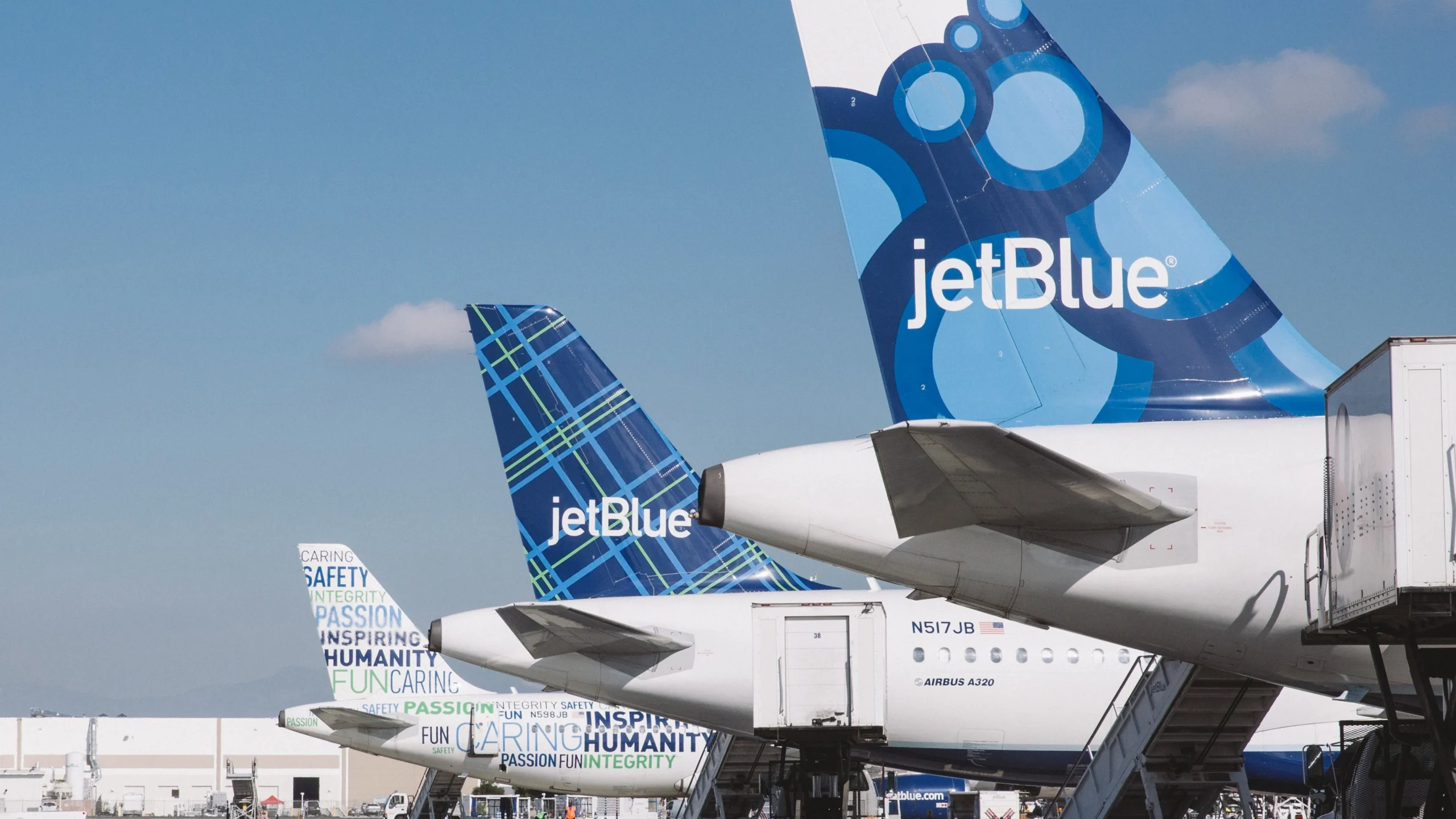
CHICAGO- JetBlue Airways (B6) is cutting 10 routes across the United States and the Caribbean as the airline reshapes its network to focus on profitability and stronger-performing markets.
The latest changes affect flights from Newark Liberty International Airport (EWR), Manchester-Boston Regional Airport (MHT), Bradley International Airport (BDL), and Orlando International Airport (MCO).
The route cuts come just weeks after JetBlue announced a major expansion at Fort Lauderdale-Hollywood International Airport (FLL), adding 11 new routes.
The airline is shifting aircraft toward Florida and other core leisure markets as it deals with limited fleet growth and ongoing industry-wide engine supply challenges.
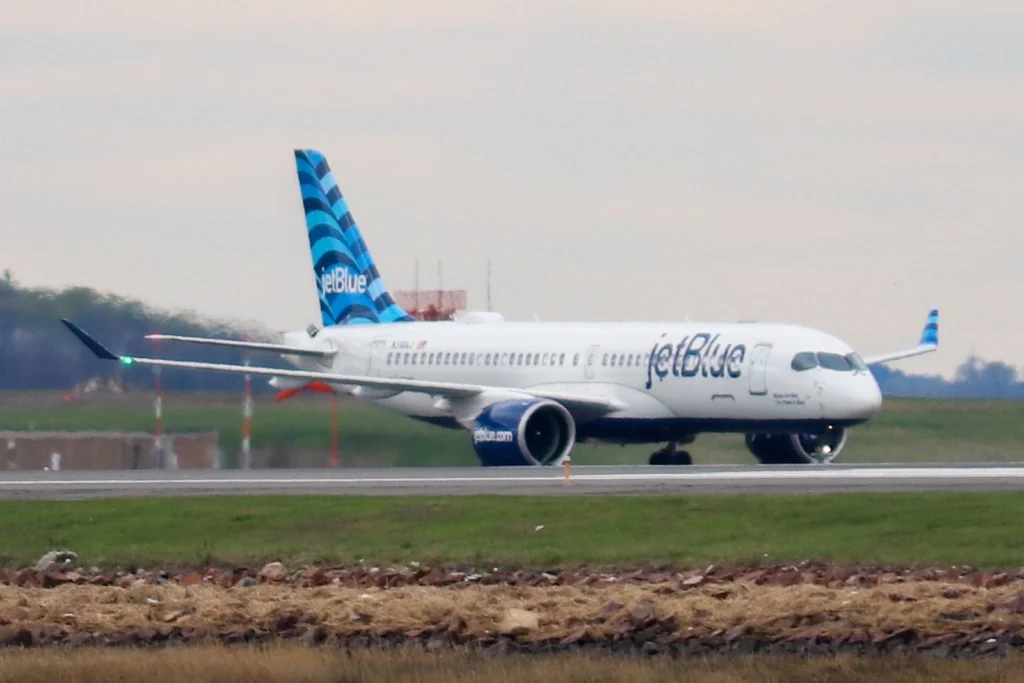
JetBlue Cuts 10 Routes
JetBlue confirmed it will completely exit Manchester (MHT) by July 8, ending flights to Fort Lauderdale (FLL), Fort Myers (RSW), and Orlando (MCO). The airport only returned to JetBlue’s network in 2025, but the airline said the routes failed to meet performance expectations.
The carrier is also ending several Newark (EWR) routes, including Aruba (AUA), Cancún (CUN), Punta Cana (PUJ), Santo Domingo (SDQ), and Tampa (TPA). Additional cuts include Hartford (BDL) to Tampa and Orlando (MCO) to San José, Costa Rica (SJO).
Several of the discontinued routes posted strong passenger loads over the last 12 months. Newark–Punta Cana recorded an 87.4% load factor, while Hartford–Tampa reached 87.3%.
However, industry analysts note that high load factors do not always translate into strong profits, especially on routes facing aggressive fare competition.
JetBlue has increasingly focused on yield performance rather than passenger volume alone. Many of the affected routes competed directly with major carriers, including United Airlines (UA), Southwest Airlines (WN), Frontier Airlines (F9), Breeze Airways (MX), and Arajet (DM).
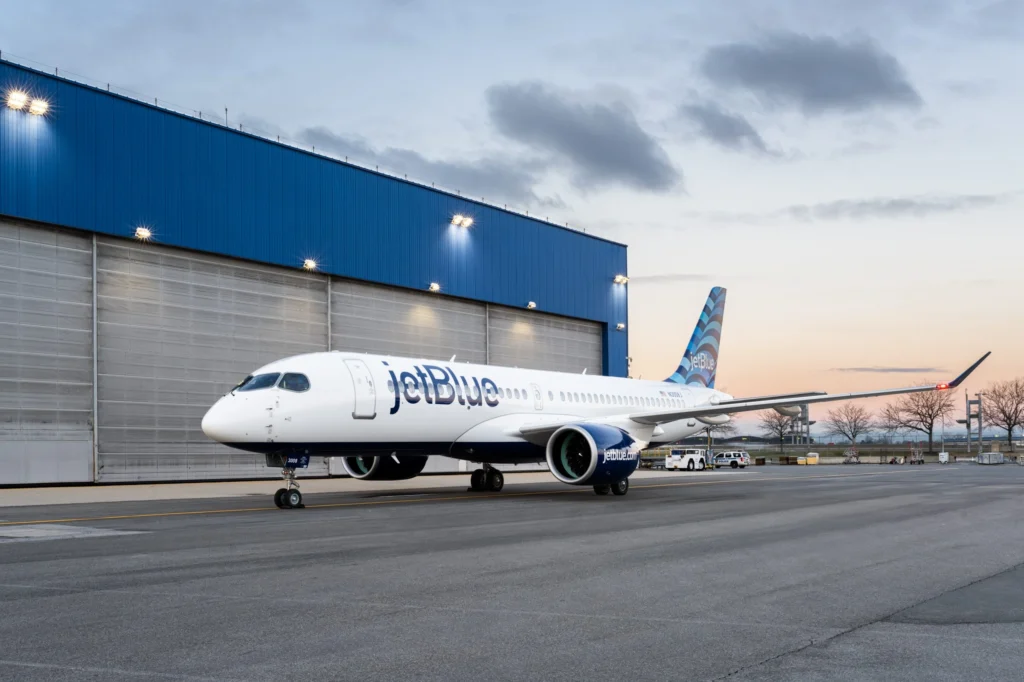
Newark Network Shift
The largest portion of the cuts centers on Newark (EWR), where JetBlue has long operated as a smaller competitor against United Airlines’ dominant hub operation, Simple Flying flagged.
Airline executives described Newark as one of the most expensive airports in JetBlue’s network, creating additional pressure on route profitability.
Unlike Fort Lauderdale, where JetBlue already holds a leading market share, Newark offers limited opportunities for network scale. United’s large domestic feed, corporate contracts, and loyalty program advantages also make it difficult for smaller carriers to sustain competitive yields on overlapping routes.
JetBlue’s ongoing “Blue Sky” loyalty partnership with United may also reduce the need for direct competition on some overlapping leisure routes. Instead of operating its own flights, JetBlue can still offer customers access to certain destinations through partner connectivity.
The airline’s broader strategy reflects a growing emphasis on aircraft productivity. With only 12 Airbus A220-300 deliveries expected this year and Airbus narrowbody deliveries deferred into the next decade, JetBlue is carefully reallocating capacity toward markets where it sees stronger long-term returns.
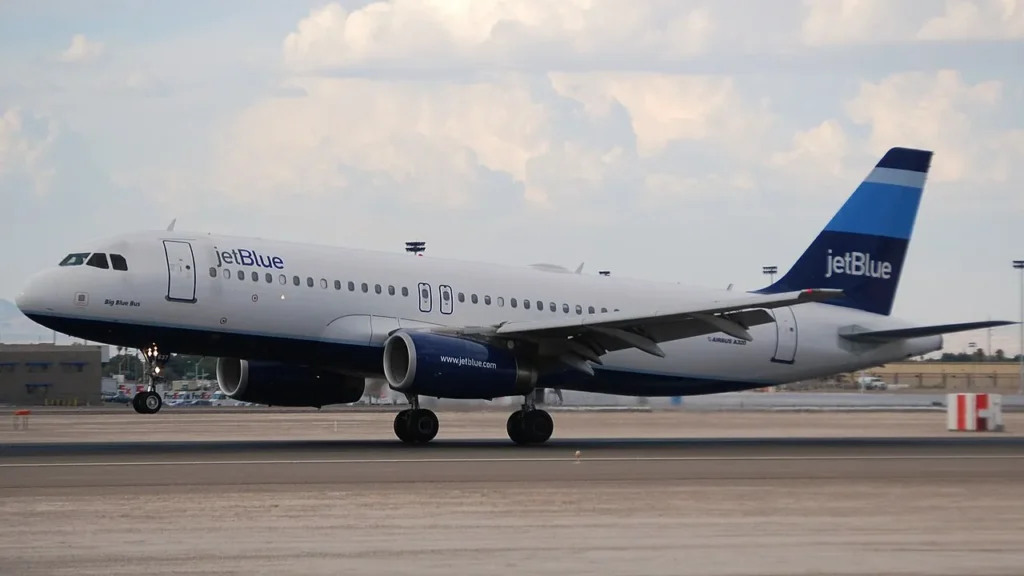
Florida Expansion Focus
While JetBlue trims underperforming routes, Florida remains a major priority for the carrier.
The airline continues to strengthen its presence in Fort Lauderdale, San Juan, Boston, and New York JFK Airport (JFK), focusing heavily on leisure and visiting-friends-and-relatives traffic.
Spirit Airlines’ shrinking presence in Fort Lauderdale has also created new opportunities for JetBlue to expand in markets where it already has strong customer recognition.
Industry observers expect the airline to continue adjusting its network throughout 2026 as it balances fleet constraints with profitability goals.
Stay tuned with us. Further, follow us on social media for the latest updates.
Join us on Telegram Group for the Latest Aviation Updates. Subsequently, follow us on Google News
