


CANBERRA- Australia’s highly concentrated domestic aviation market could soon face another challenger, as former Qantas Airways (QF) executive Peter Kelly pushes ahead with plans for a new ultra-low-cost airline called Zinc Airlines.
The proposed carrier would operate from Western Sydney International Airport (WSI), which is scheduled to open for passenger flights in October 2026.
Kelly, who previously led Qantas Frequent Flyer and also worked with the former Ansett Australia, wants Zinc Airlines to follow a business model similar to Ryanair (FR), Europe’s largest ultra-low-cost airline.
The startup would rely heavily on Airbus A321neo aircraft, high daily aircraft utilization, and low base fares aimed at budget-conscious travelers across Australia.
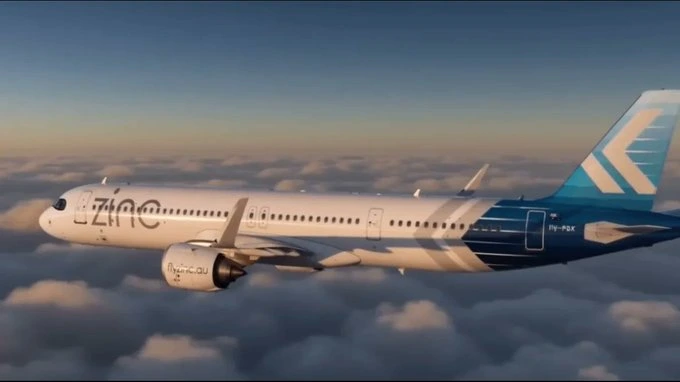
Zinc Airline Strategy
Zinc Airlines plans to focus initially on high-demand domestic routes linking Sydney, Melbourne, Brisbane, and the Gold Coast.
According to reports, the airline intends to maximize aircraft use by operating flights for at least 12 hours daily, while also benefiting from WSI’s 24-hour operating capability.
Unlike Sydney Kingsford Smith Airport (SYD), which remains restricted by overnight curfews and slot limitations, WSI offers unrestricted operations. That operational flexibility could become a key advantage for any low-cost airline seeking to increase aircraft productivity and reduce turnaround delays.
Kelly is reportedly seeking up to AU$200 million in combined equity and debt funding, Simple Flying flagged. The first AU$100 million would support aircraft deposits and launch preparation, while additional financing would help fund operations during the airline’s early growth phase.
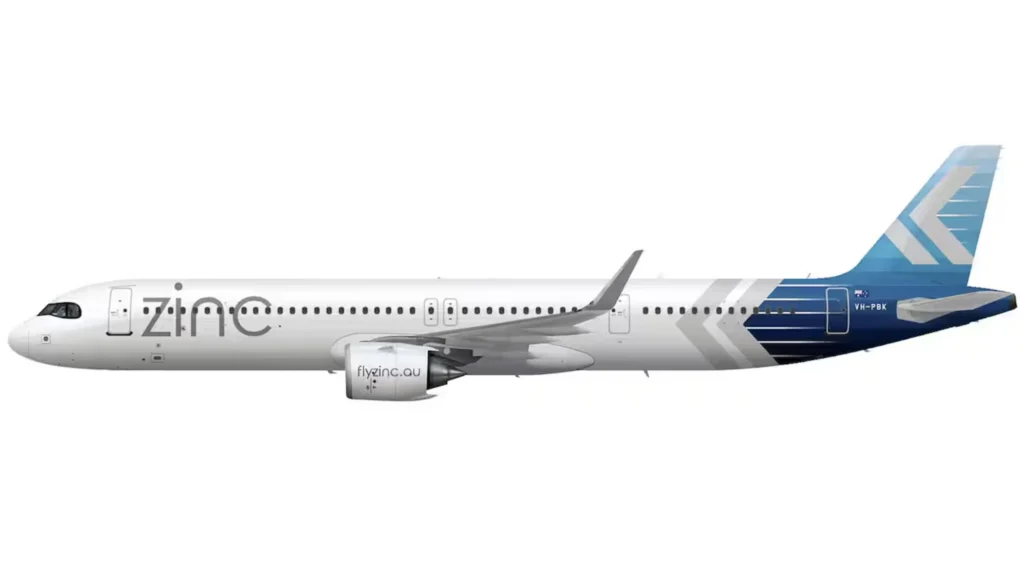
Zinc’s A321neo Operations
The Airbus A321neo is expected to form the backbone of Zinc’s fleet strategy. In a high-density single-class configuration, the aircraft can accommodate up to 244 passengers, allowing airlines to lower seat-mile costs while increasing revenue potential on busy domestic routes.
Industry analysts have long viewed the A321neo as a strong fit for Australia’s growing leisure market because of its fuel efficiency and larger seating capacity compared to older narrowbody jets.
Zinc also plans to generate ancillary revenue through optional services such as baggage fees, seat selection, and priority boarding.
The proposed airline aims to undercut fares offered by Jetstar Airways (JQ), the low-cost subsidiary of Qantas Group.
However, Zinc has not yet secured regulatory approval from Australia’s Civil Aviation Safety Authority, and no launch timeline has been officially announced.
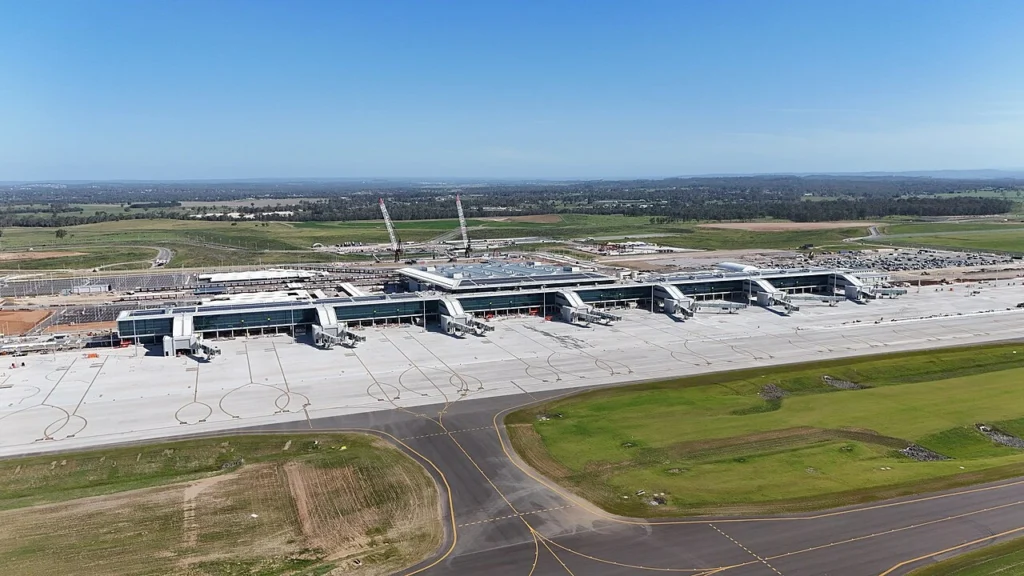
Possible Impact of Zinc on WSI Growth
Western Sydney International Airport is emerging as a major factor behind Zinc’s ambitions. Located around 44 kilometers west of Sydney’s central business district, the new airport is designed to operate without curfews or movement caps, unlike SYD.
The airport will initially handle up to 10 million annual passengers and already has commitments from Air New Zealand (NZ) and Singapore Airlines (SQ). Qantas Group has also confirmed future operations at the airport through QantasLink and Jetstar services.
Several challengers, including Bonza and Rex Airlines, have struggled financially in recent years, highlighting the difficulties faced by new entrants.
Stay tuned with us. Further, follow us on social media for the latest updates.
Join us on Telegram Group for the Latest Aviation Updates. Subsequently, follow us on Google News
