

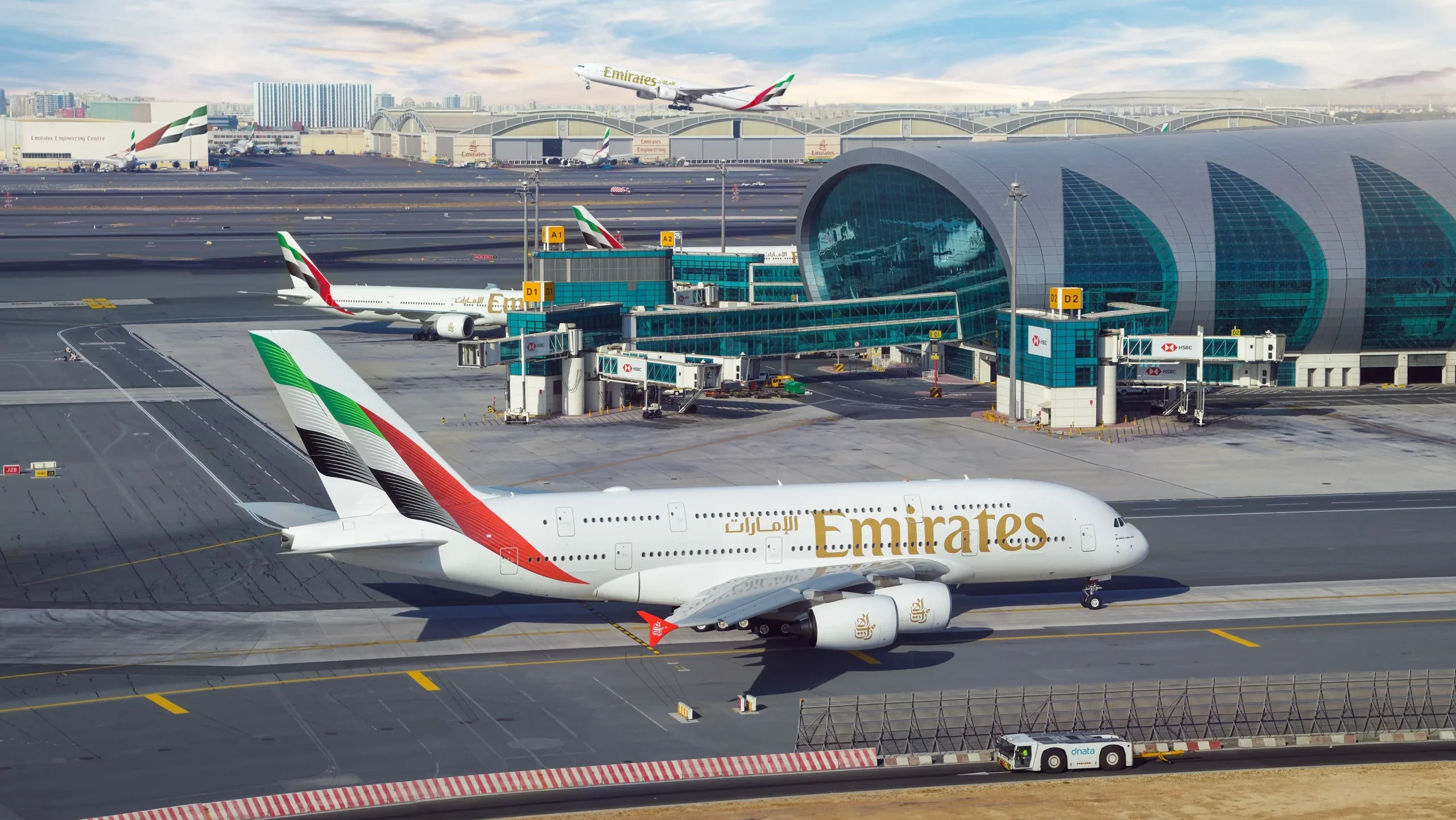
DUBAI- Israel’s Ministry of Transportation has approached Emirates Airline (EK) with an unprecedented proposal to launch seventh freedom flights from Tel Aviv Ben Gurion Airport (TLV) to New York John F. Kennedy International Airport (JFK) and Bangkok Suvarnabhumi Airport (BKK). The offer would let the Dubai-based carrier operate standalone routes between Israel and two foreign markets without any connection to its home base.
The plan appears to form part of a broader negotiation aimed at bringing Emirates back to its Dubai (DXB) to Tel Aviv service, which has been suspended for more than two years. The proposal carries significant legal and political hurdles, and Israeli carriers such as EL AL (LY) and Arkia (IZ) are expected to resist it strongly.

Israel’s Bid to Bring Emirates Back to Tel Aviv
Israeli broadcaster N12, also known as Channel 12, first reported that senior officials from Israel’s Transportation Ministry met with Emirates representatives and counterparts at the UAE Ministry of Transport.
The discussions reportedly took place over a weekend and signal that both governments are treating the idea seriously.
The core of the proposal is the seventh freedom of the air, a rarely granted traffic right. Under this right, an airline carries passengers between two foreign countries without the route touching the airline’s home country.
In this case, Emirates aircraft and crews would operate directly between Tel Aviv and New York, and between Tel Aviv and Bangkok, with no requirement to route through Dubai.
This differs from a fifth freedom operation, where an airline carries traffic between two foreign points as an extension of a service from its home base.
Emirates already runs several fifth freedom routes that touch the United States, including New York (JFK) to Milan Malpensa Airport (MXP), Newark Liberty International Airport (EWR) to Athens International Airport (ATH), and Miami International Airport (MIA) to Bogota El Dorado International Airport (BOG). A seventh freedom grant would move beyond all of these arrangements.

Why Israel Wants This Deal
Israel has historically followed a protectionist approach toward its national carriers. The decision to invite a major Gulf airline to base aircraft and crew at Ben Gurion Airport marks a sharp departure from that stance and is widely described as unprecedented.
The motivation appears straightforward. Emirates launched its Dubai to Tel Aviv route in June 2022, scaled it to three daily flights by 2023, and then suspended all service following the October 2023 escalation.
The airline has not flown to Israel since. The seventh freedom offer functions as a strong incentive package designed to draw the carrier back into the Israeli market.
The Transport Minister has reportedly given personal backing to the plan. In a parallel move, Israel is said to be offering subsidies and free shuttle services to attract flydubai (FZ) to operate a base at Ramon Airport (ETM) near Eilat, mirroring incentives previously prepared for other foreign low-cost carriers.

Strong Consumer Upside on Premium Routes
Tel Aviv to New York and Tel Aviv to Bangkok rank among the busiest and most expensive routes out of Ben Gurion Airport.
More than 400,000 Israelis travel to Thailand each year, creating dense year-round demand, while the United States corridor remains one of the highest-yield long-haul markets out of Israel.
Several United States carriers, including Delta Air Lines (DL), United Airlines (UA), and American Airlines (AA), suspended Israel service after October 2023.
With limited nonstop competition currently available to North America, a well-resourced international operator entering these routes could push fares down sharply for Israeli travelers.
Major Obstacles Stand in the Way
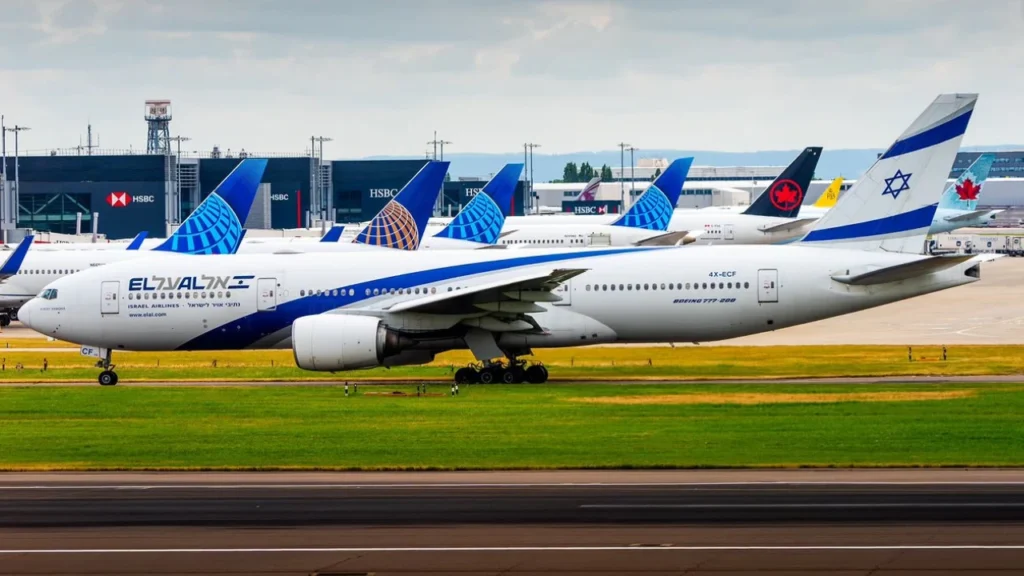
The proposal faces serious barriers on both sides. Israeli aviation law would need to be amended before any foreign carrier could operate domestic-style seventh freedom rights from Tel Aviv. Local airlines, led by EL AL, are expected to file formal objections and lobby against the change.
United States approval is also required, since seventh freedom rights between Tel Aviv and New York are not covered under the existing United States and UAE Open Skies framework. American and Israeli carriers would likely contest such authority, given its competitive impact.
A further question concerns Emirates itself. Regional stability remains uncertain, and the airline must weigh commercial gains against operational risk and brand considerations before committing crews and aircraft to a Tel Aviv base.
Bottom Line
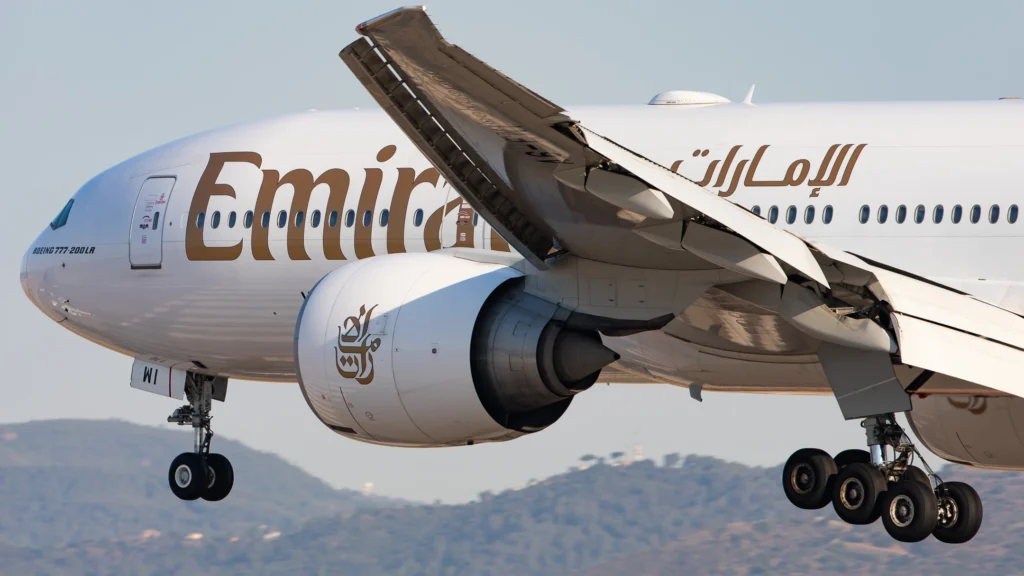
Israel is inviting the Emirates to establish a presence in Tel Aviv and operate direct flights to New York and Bangkok, most likely as leverage to restore the long-suspended Dubai to Tel Aviv route.
The plan would benefit consumers on two costly routes, but it requires legal changes in Israel, United States regulatory approval, and a clear commercial decision from Emirates. The outcome remains uncertain, and the proposal is one to watch closely in the months ahead.
Stay tuned with us. Further, follow us on social media for the latest updates.
Join us on Telegram Group for the Latest Aviation Updates. Subsequently, follow us on Google News
