

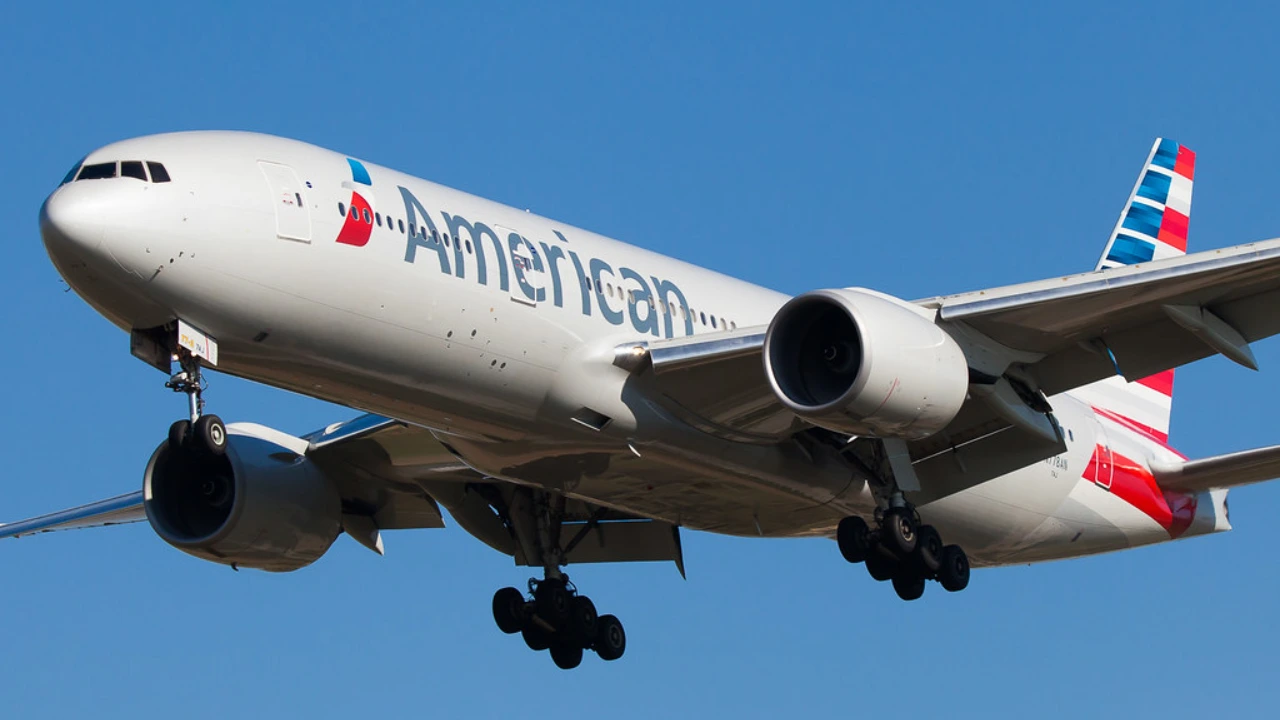
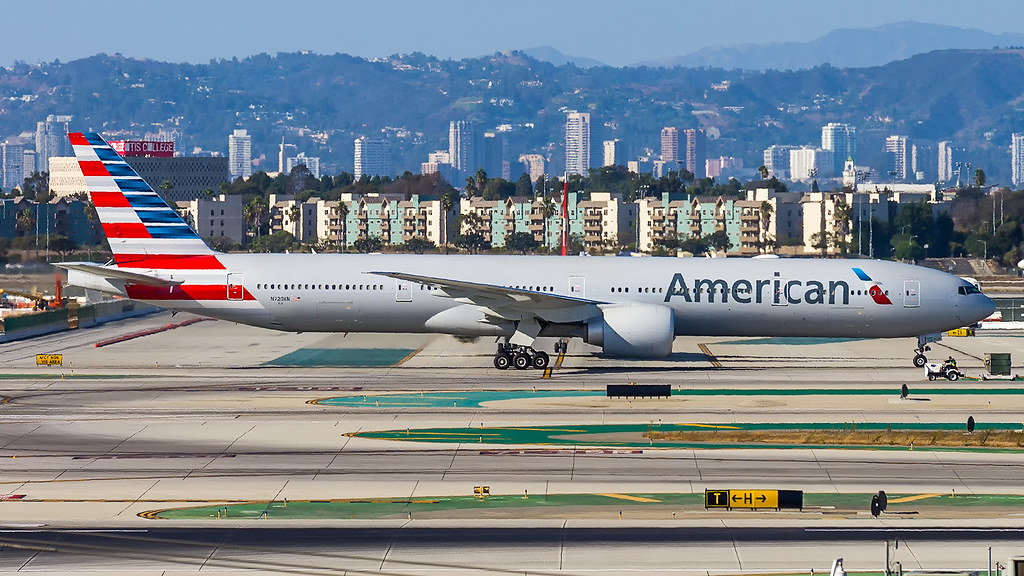
CHARLOTTE— American Airlines (AA) flight 784 from Charlotte (CLT) to Munich (MUC) diverted to New York John F. Kennedy International Airport (JFK) on Tuesday night (May 12, 2026) after the first officer’s cockpit windshield shattered over the Atlantic Ocean. The Boeing 777-200, registered N776AN, turned back without incident.
The 273-seat widebody departed Charlotte (CLT) 43 minutes behind schedule at 8:58 p.m. and was flying over the Atlantic when the co-pilot’s windshield failed.
A crewmember’s photograph of the damaged window has since circulated online. All passengers reached Munich (MUC) less than eight hours late on a replacement aircraft.
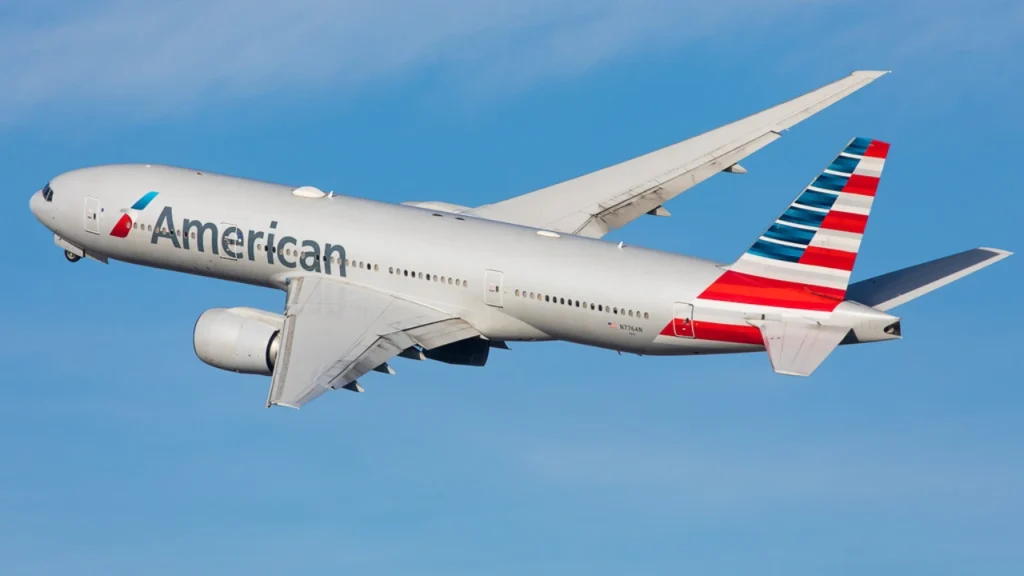
American Airlines Flight Diverted to New York
After the windshield failure, the crew turned the aircraft toward New York JFK and landed safely. The multi-ply construction of cockpit windshields meant the crack, while dramatic in appearance, involved no penetration of the window structure and no loss of cabin pressurization.
American Airlines recovered the schedule by assigning a second Boeing 777, registered N786AN, to operate the Munich leg. That aircraft departed JFK at 2:48 a.m. and landed 7 hours and 26 minutes later.
Accounting for the extra flying time and the ground time in New York, passengers arrived less than eight hours late. Because this was a United States carrier operating toward Europe rather than from Europe, no EU261 compensation obligation applied, View from the Wing reported.
Likely Cause of the Windshield Failure
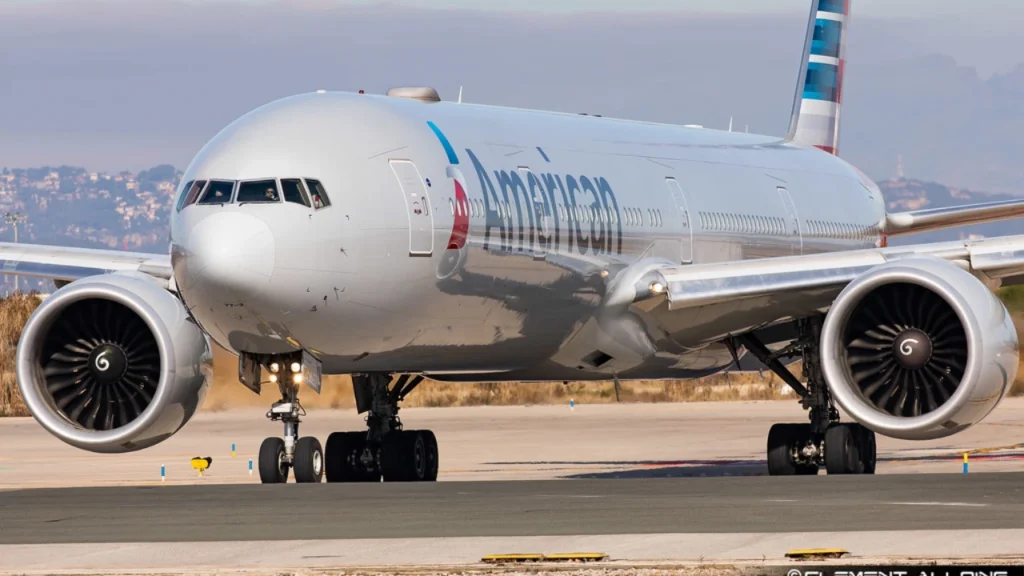
The official cause has not yet been determined. The most probable explanation points to a heated windshield failure on the flight deck.
Possible triggers include a heat controller or terminal fault, overheating, electrical arcing, moisture entering the heat circuit, or thermal stress that cracked one ply of the laminated windshield.
This type of failure is a known issue across the industry. Loose electrical connections on the heating elements of cockpit windows can produce smoke, fire, or cracking of the inner layer. An earlier airworthiness directive addressed lower windshield terminal problems on Boeing aircraft.
American Airlines identified solder-joint damage inside windshield terminal blocks as a cause of flight deck window heat, smoke, and odor events.
Cockpit Windshield Incidents in Recent Aviation History
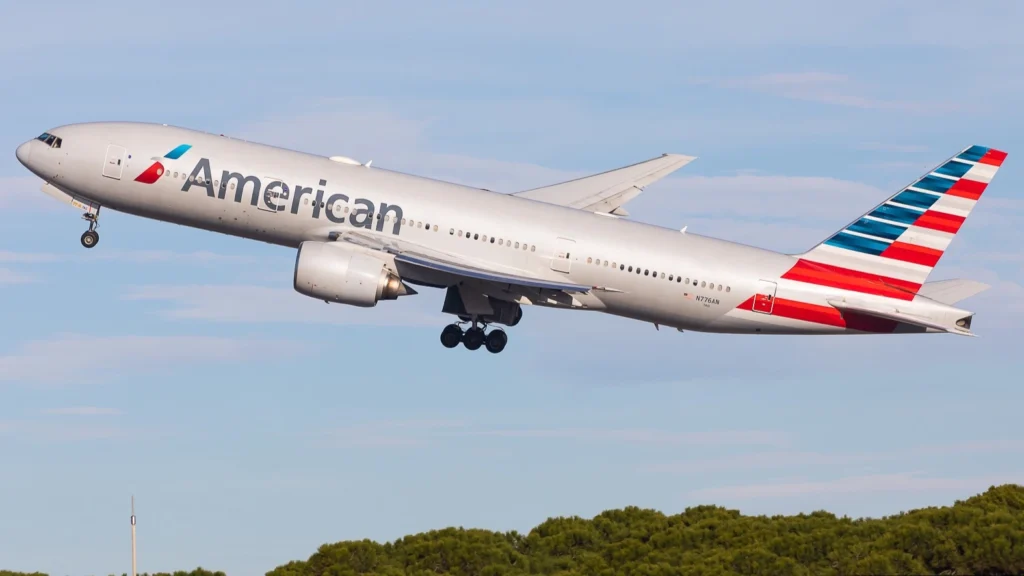
Cracked cockpit windshields have featured in several notable diversions. A previous American Airlines 777 diverted twice over a cracked windshield, though that flight departed from Europe and carried greater duty-of-care obligations, with passengers receiving pizza during the ground stop in Gander.
The subject also gained wider attention through a recent United Airlines event. A captain initially feared that space debris had struck and cracked his cockpit windshield, but the object was later identified as a balloon. In each case, the layered design of the windshield performed as intended and kept the aircraft safe.
Why Cockpit Windshields Withstand This Kind of Damage
Cockpit windshields are engineered as multi-ply laminated structures. This design allows the window to sustain a crack in one layer while retaining its structural integrity.
The remaining plies continue to hold cabin pressure and protect the flight deck, which is why an event that looks alarming rarely creates an immediate safety threat.
Stay tuned with us. Further, follow us on social media for the latest updates.
Join us on Telegram Group for the Latest Aviation Updates. Subsequently, follow us on Google News
