


SEATTLE— A jury in the United States has ordered aerospace giant Boeing to pay $49.5 million in damages to the family of a victim killed in the 2019 crash of Ethiopian Airlines (ET) Flight 302.
The ruling marks another major legal setback tied to the Boeing 737 MAX crisis that claimed 346 lives across two fatal accidents.
The verdict was delivered in Seattle on May 13 after a years-long legal battle involving the family of Samya Rose Stumo, a 24-year-old American passenger who died when the Ethiopian Airlines Boeing 737 MAX 8 crashed shortly after takeoff from Addis Ababa Bole International Airport (ADD).
The aircraft went down near Addis Ababa, Ethiopia, killing all 157 people onboard.
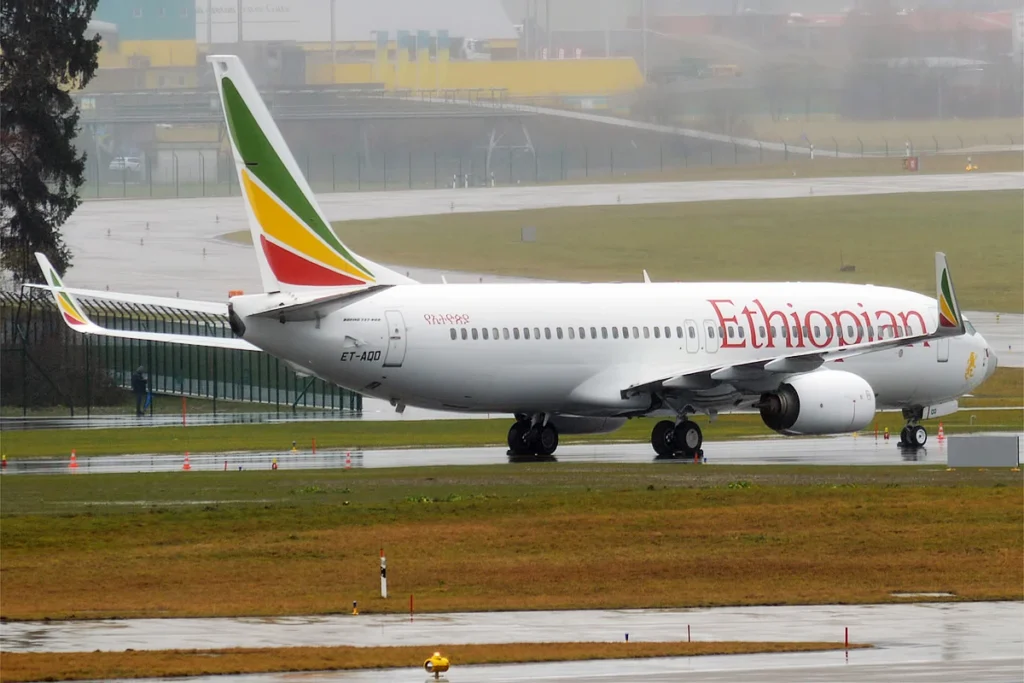
Boeing Lawsuit Verdict
The case focused on Boeing’s handling of the Maneuvering Characteristics Augmentation System, commonly known as MCAS, which investigators linked to both the Ethiopian Airlines crash and the earlier Lion Air (JT) Flight 610 disaster in Indonesia in 2018.
Court proceedings revisited accusations that Boeing failed to fully disclose details about the software system to regulators and pilots before the aircraft entered service.
The jury ultimately awarded the Stumo family $49.5 million in compensation after determining the company bore significant responsibility for the tragedy.
The verdict follows another major settlement reached in late 2025 involving the family of another victim, with Boeing agreeing to pay more than $28 million in damages.
Although the manufacturer has settled most lawsuits connected to the crashes, several families have continued pursuing courtroom trials in search of public accountability.
Attorneys representing the Stumo family stated after the ruling that the decision reflected the importance of exposing the failures that contributed to the crash.
The legal team described the trial as an opportunity to publicly examine Boeing’s actions during the certification and marketing of the 737 MAX program.
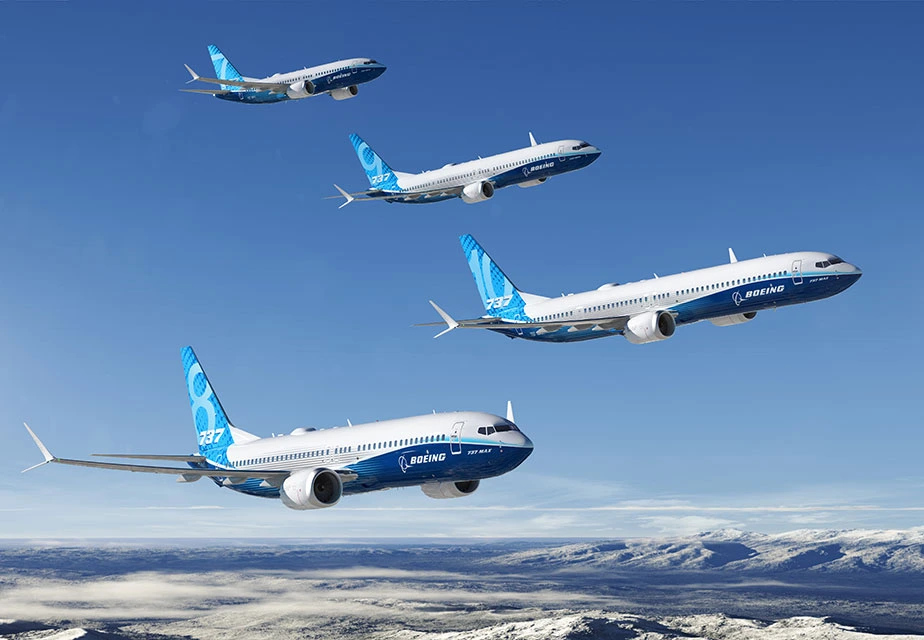
737 MAX Fallout
The Boeing 737 MAX crisis remains one of the most damaging corporate scandals in modern aviation history. Investigators found that flaws in the MCAS flight-control system repeatedly forced the aircraft’s nose downward based on faulty sensor data.
The crashes of Lion Air Flight 610 and Ethiopian Airlines Flight 302 led regulators worldwide to ground the 737 MAX fleet for nearly two years.
Multiple investigations later criticized Boeing’s internal safety culture and oversight failures during aircraft development.
Boeing has already paid more than $3.8 billion through compensation funds, regulatory fines, airline reimbursements, and legal settlements, Simple Flying flagged.
Payments included penalties from the US Department of Justice, compensation to airlines affected by the grounding, and funds allocated to the crash victims’ families.
The company also faced scrutiny from the Federal Aviation Administration and the Securities and Exchange Commission over safety disclosures and investor communications tied to the aircraft program.

Boeing Recovery Efforts
Despite ongoing legal challenges, Boeing has recently shown signs of recovery in the commercial aviation market. Airlines worldwide continue placing strong orders for the 737 MAX family as travel demand rises and fleet renewal programs accelerate.
The manufacturer secured hundreds of new aircraft orders during the opening months of 2026 while increasing production rates under close FAA supervision.
Regulators still maintain strict oversight of Boeing’s manufacturing process following quality-control concerns involving the 737 MAX program and other aircraft issues.
Boeing is also pushing toward certification of the 737 MAX 7 and MAX 10 variants, which could strengthen its position against rival Airbus in the narrowbody aircraft market.
Stay tuned with us. Further, follow us on social media for the latest updates.
Join us on Telegram Group for the Latest Aviation Updates. Subsequently, follow us on Google News
