

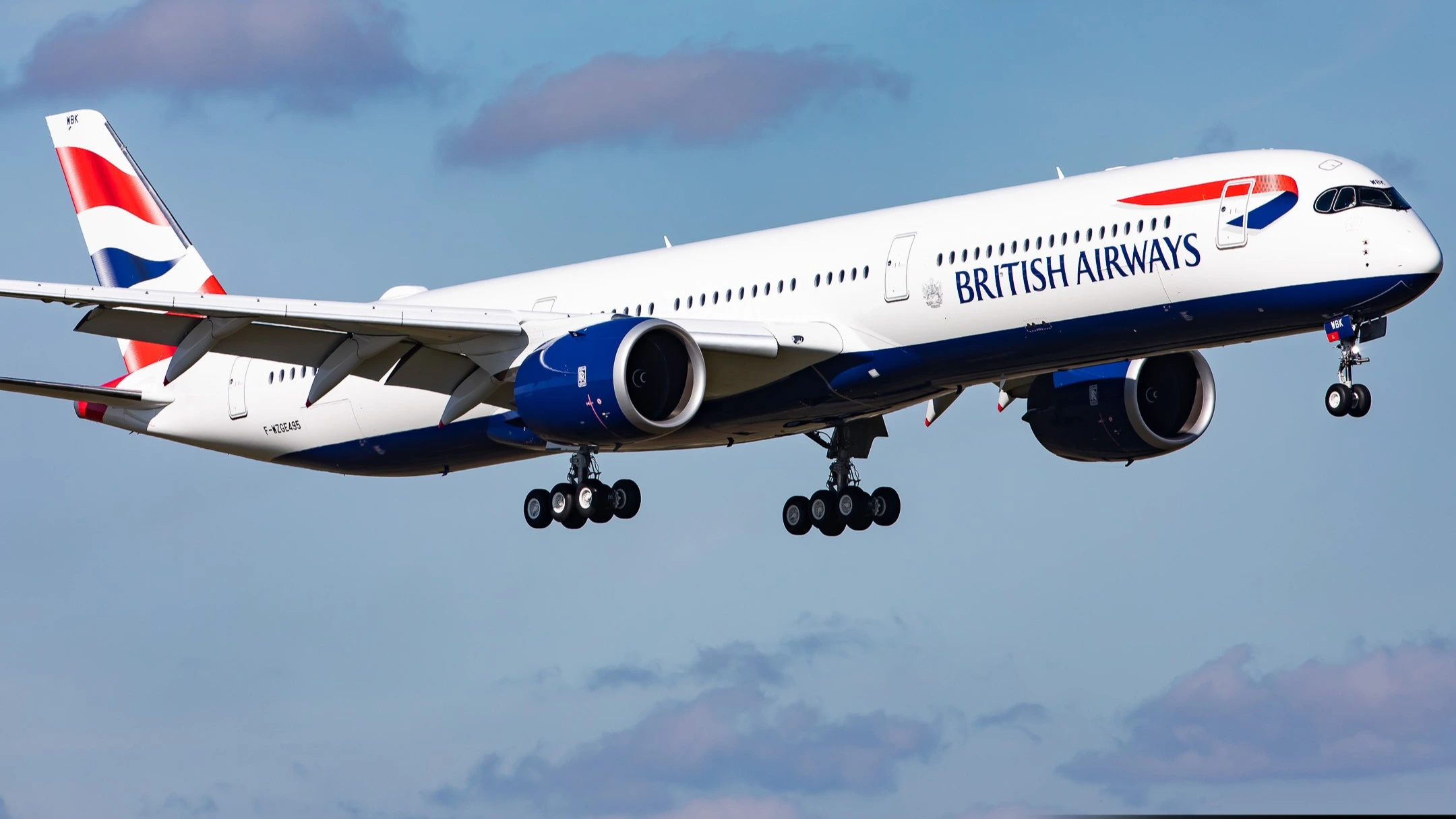
LONDON- British Airways (BA) has banned passengers from storing portable power banks in overhead lockers, citing fears that the devices could overheat and ignite undetected mid-flight. The flag carrier of the United Kingdom, headquartered near London Heathrow Airport (LHR), introduced the rule on Thursday with immediate effect.
The carrier has also barred travellers from using in-seat power supplies to charge their power banks. The change brings British Airways (BA) in line with carriers such as American Airlines (AA), Lufthansa (LH), Southwest Airlines (WN), and Emirates (EK), all of which have tightened lithium battery rules following a serious fire on an Air Busan (BX) Airbus A321 in South Korea.
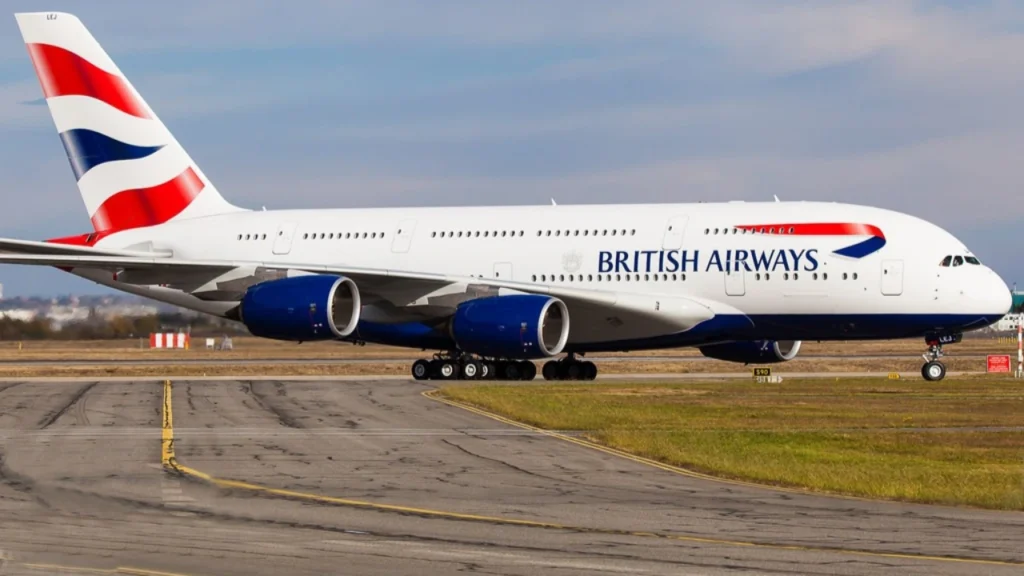
British Airways Tightened Power Bank Rules
The new policy mirrors recently published guidelines from the International Civil Aviation Organization (ICAO), the United Nations agency responsible for global aviation safety standards.
ICAO issued the guidance after reviewing a string of incidents involving lithium-ion batteries overheating and catching fire onboard commercial aircraft.
The review followed a serious event in January 2025, when a power bank inside a passenger’s rucksack ignited while travellers were still boarding an Air Busan Airbus A321 at Gimhae International Airport (PUS). The bag had been placed in an overhead locker.
Cabin crew could not contain the fire once it spread, and although every passenger evacuated using the emergency slides, the aircraft was destroyed.
Some airlines acted within weeks of the Air Busan fire. Others waited for ICAO and its member states to complete their joint safety review before updating the cabin baggage policy.
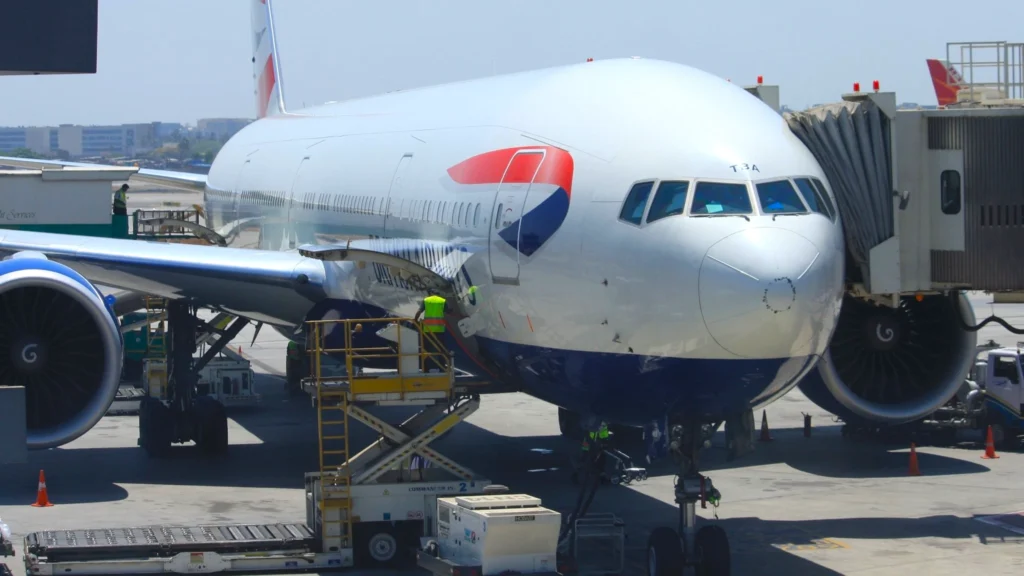
Key Rules Now in Force on British Airways Flights
According to PYOK, the new British Airways policy closely follows the ICAO framework. Passengers must comply with the following conditions on every flight:
- A maximum of two power banks per passenger, with each unit not exceeding 100 Wh.
- Power banks must never be placed in overhead lockers during any phase of the flight.
- In-seat power outlets cannot be used to charge power banks.
- Power banks must stay within easy reach of the passenger at all times.
- Devices cannot be charged using a power bank during takeoff or landing.
Travellers carrying more than the permitted number of power banks will not be allowed to transfer the extra units to checked luggage. Lithium-powered devices, including power banks, have been banned from the cargo hold for several years, and that restriction remains unchanged.
American Airlines and Lufthansa have already adopted similar measures. Southwest Airlines and Emirates have applied stricter limits, allowing only one power bank per passenger.
The patchwork of rules means travellers connecting between carriers should check the strictest policy on their itinerary before flying.
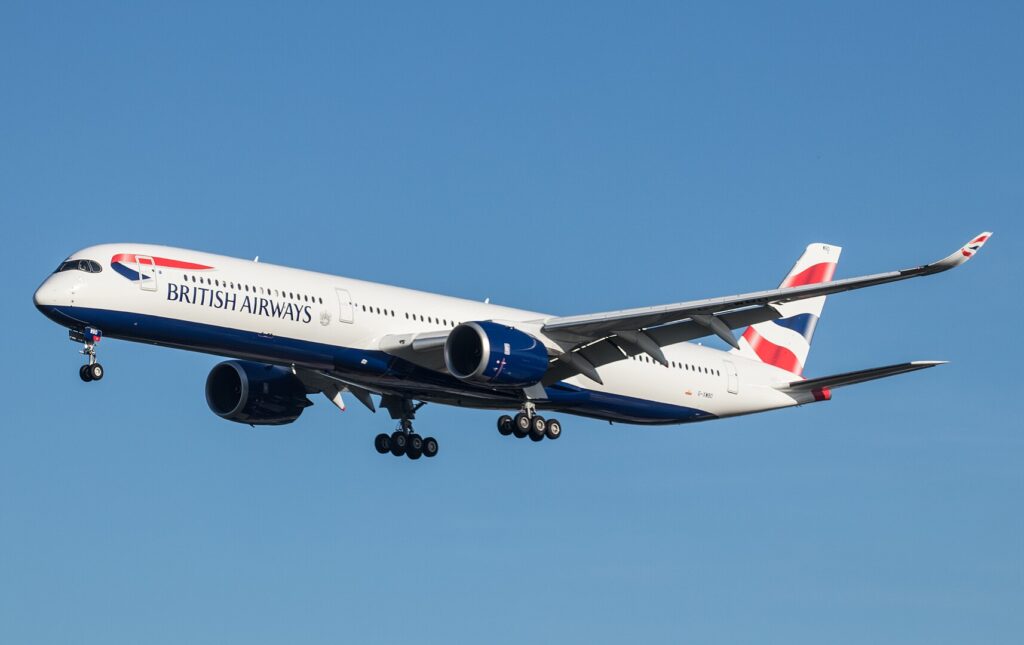
Understanding the Thermal Runaway Risk
Any device powered by a lithium battery, including smartphones, laptops, e-cigarettes, and power banks, can overheat and catch fire through a chemical process known as thermal runaway. Lithium batteries contain multiple fuel cells, and when one cell overheats, the failure can cascade to neighbouring cells until the entire unit ignites.
A thermal runaway event produces intense heat, sparks, flames, and dense smoke, and the resulting fire is difficult to extinguish using standard methods. Aviation regulators view power banks as a particular concern because their batteries are larger than those in modern smartphones and lack the same internal safety controls.
A Pattern of Onboard Battery Incidents
The Air Busan fire was the most destructive case to date, but similar events have grown more frequent. Several flights have diverted to the nearest airport after lithium battery incidents, with passengers evacuated onto runways through emergency slides.
Flight attendants receive specific training to manage onboard fires and have access to Halon extinguishers, protective breathing equipment, and heat-resistant containment bags designed to hold a smouldering battery.
The Federal Aviation Administration (FAA) advises a simpler approach for an active battery fire, recommending crews douse the device with large volumes of water before fully submerging it.
By keeping power banks within sight of passengers and crew, airlines aim to detect smoke or heat early, before a small fault can grow into a catastrophic cabin fire.
Stay tuned with us. Further, follow us on social media for the latest updates.
Join us on Telegram Group for the Latest Aviation Updates. Subsequently, follow us on Google News
