


Asia is home to many of the finest airports in the world, but not every traveller passes through giant hubs like Singapore Changi, Tokyo Haneda, or Seoul Incheon.
Across the continent, regional airports are proving that smaller scale can often mean a better travel experience. These airports may handle fewer passengers than mega hubs, yet they often offer faster processing, shorter walking distances, calmer terminals, and easier city access.
That is why the Best Regional Airports in Asia ranking has become increasingly respected. It highlights airports that consistently offer excellent passenger satisfaction through cleanliness, efficiency, comfort, staff service, facilities, and convenience. For many travellers, these airports are where flying feels less stressful and more enjoyable.
Top 10 Best Regional Airports in Asia in 2026
The 2026 rankings show Japan continuing its airport dominance, India strengthening its position with multiple entries, and Southeast Asia producing rising stars. China and South Korea also feature strongly.
Here are the best regional airports in Asia in 2026.
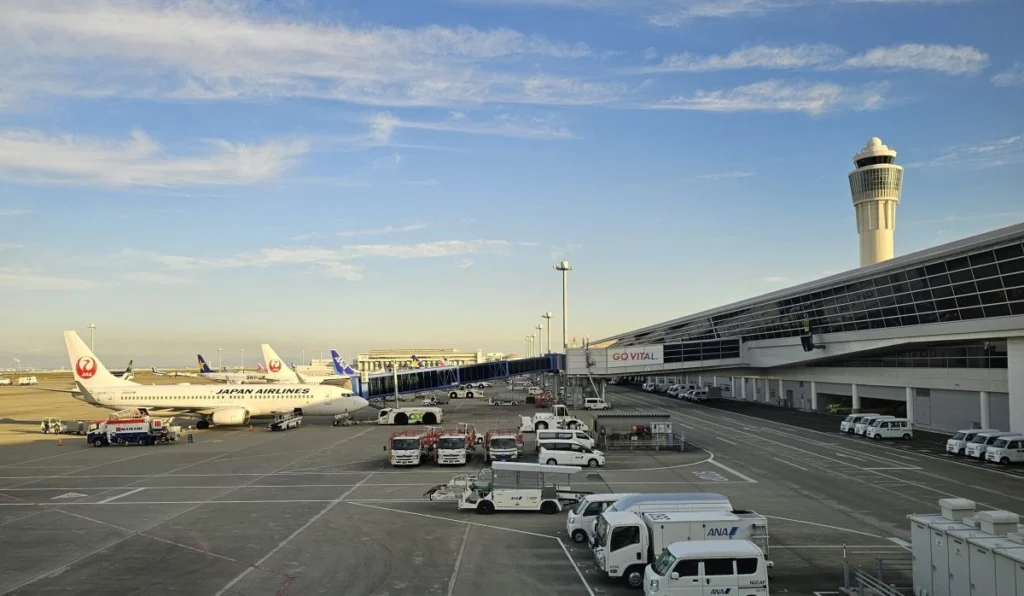
1. Centrair Nagoya Airport (Japan)
Centrair Nagoya takes the top spot in Asia and remains one of the most admired regional airports worldwide. Serving central Japan, the airport combines excellent efficiency with a calm and polished passenger experience.
Travellers praise its spotless terminals, clear signage, punctual operations, and highly professional staff. Like many leading Japanese airports, service standards are consistently strong.
Centrair also offers more than just transport. Observation decks, good shopping, restaurants, and comfortable waiting spaces make time at the airport genuinely pleasant.
Its medium size works in its favour, allowing passengers to move quickly without the congestion often found at major hubs.
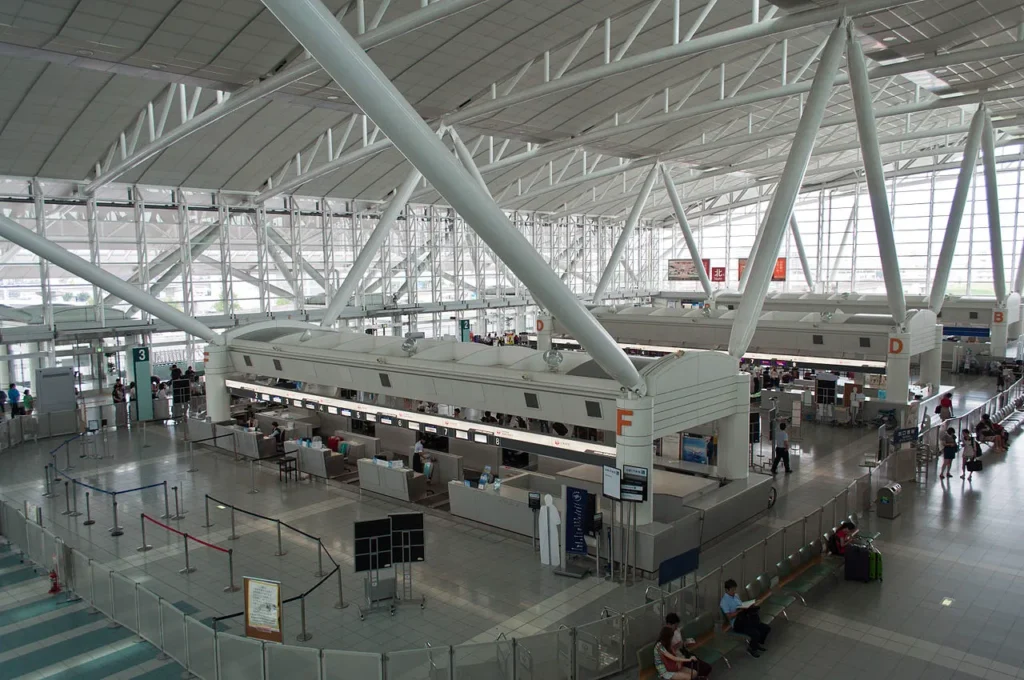
2. Fukuoka Airport (Japan)
Fukuoka Airport ranks second and is famous for one key advantage—location. It sits extremely close to central Fukuoka, allowing passengers to reach downtown within minutes.
That convenience makes it a favourite for business travellers and short city breaks. Inside, the airport is compact but efficient, with quick movement between check-in, security, and gates.
Passengers also appreciate strong food options, reflecting Fukuoka’s reputation as one of Japan’s top culinary cities. Even a short layover can include quality ramen or regional specialities.
Simple, fast, and practical, Fukuoka remains one of Asia’s smartest airports.

3. Haikou Meilan Airport (China)
Haikou Meilan rises to third place and shows how rapidly Chinese regional airports are improving. Located on Hainan Island, it acts as a gateway to beaches, resorts, and China’s tropical tourism market.
The airport features modern terminals, spacious design, and improved service standards. Travellers often find it less stressful than some larger mainland Chinese hubs.
Its growing reputation reflects investment in infrastructure and tourism. As Hainan develops further as a leisure and business destination, Haikou Meilan’s importance should only increase.
It is one of Asia’s rising airport success stories.

4. New Chitose Airport (Japan)
New Chitose ranks fourth and serves Sapporo plus the wider Hokkaido region. It is one of the most distinctive airports in Asia thanks to its blend of efficiency and entertainment.
Passengers love the food scene, featuring fresh seafood, dairy products, sweets, and ramen. There are also shops, themed attractions, cinemas, and relaxation spaces.
Operationally, it remains highly dependable despite Hokkaido’s challenging winter weather. Snow management and organisation are often impressive.
For travellers heading to ski resorts or exploring northern Japan, New Chitose offers a memorable and enjoyable gateway.

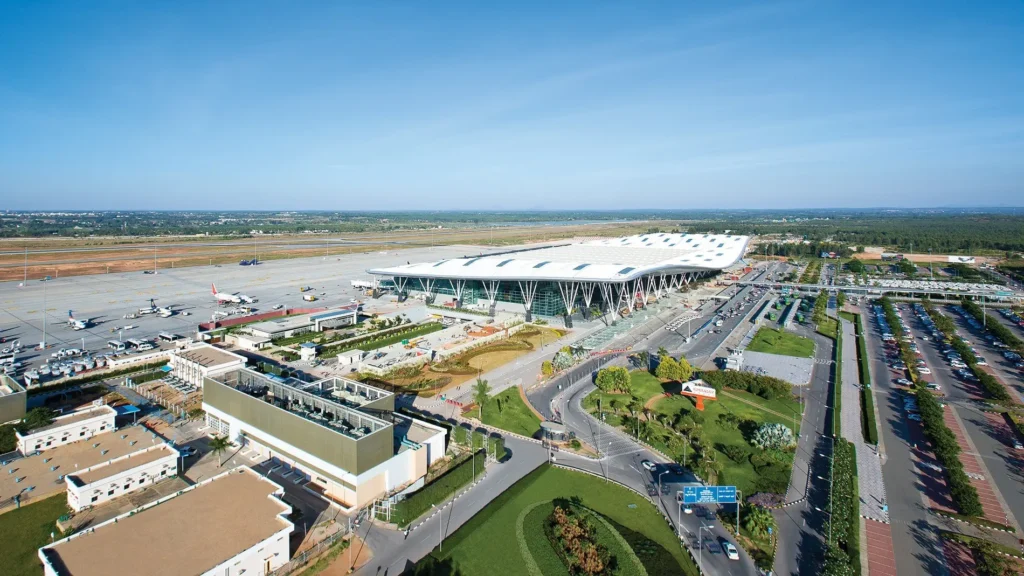
5. Bangalore Airport (India)
Bangalore takes fifth place and highlights India’s growing airport standards. Officially Kempegowda International Airport, it serves one of Asia’s most important technology and business cities.
Recent terminal expansion has significantly improved capacity and passenger comfort. Travellers praise the modern architecture, cleaner spaces, and increasingly premium experience.
The airport balances heavy traffic demand with better facilities than many older Indian gateways. Lounges, retail, and dining have all improved.
Its ranking reflects Bengaluru’s rise as a global city and India’s expanding aviation ambitions.
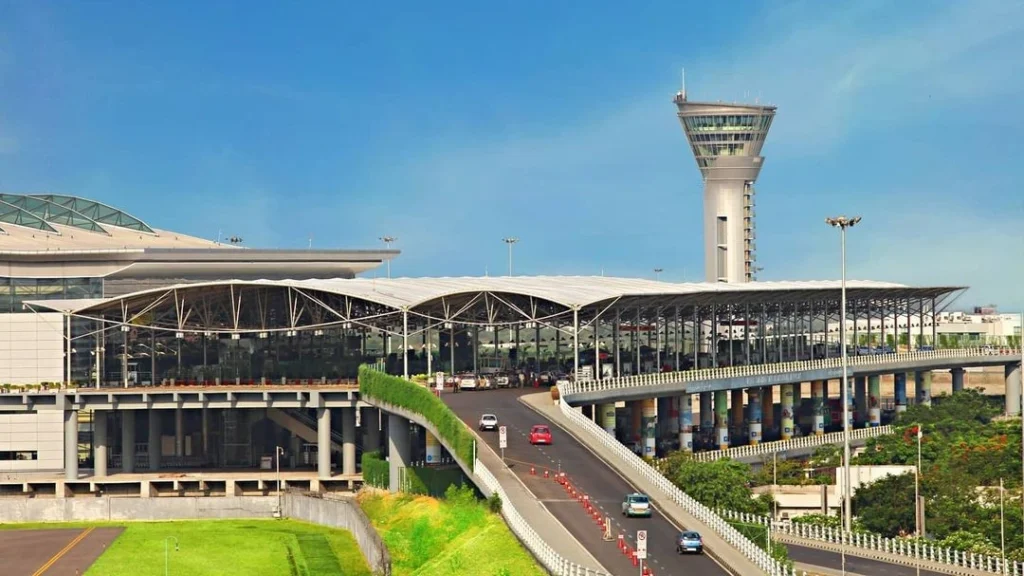
6. Hyderabad Airport (India)
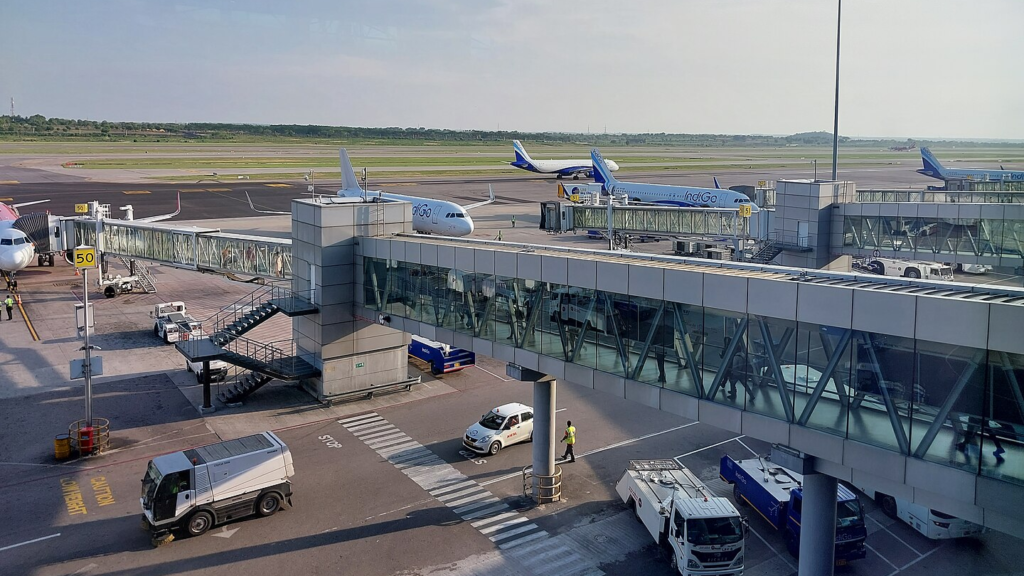
Hyderabad ranks sixth and gives India a second entry in Asia’s top ten. Rajiv Gandhi International Airport has long been considered one of the country’s most efficient airports.
Passengers value organised terminals, relatively smooth processing, and strong cleanliness standards. It often receives praise for reliability and staff helpfulness.
Serving a major business and pharmaceutical hub, Hyderabad handles both domestic and international demand well. Expansion projects continue to support future growth.
For many frequent flyers in India, Hyderabad is one of the easiest airports in the country to use regularly.
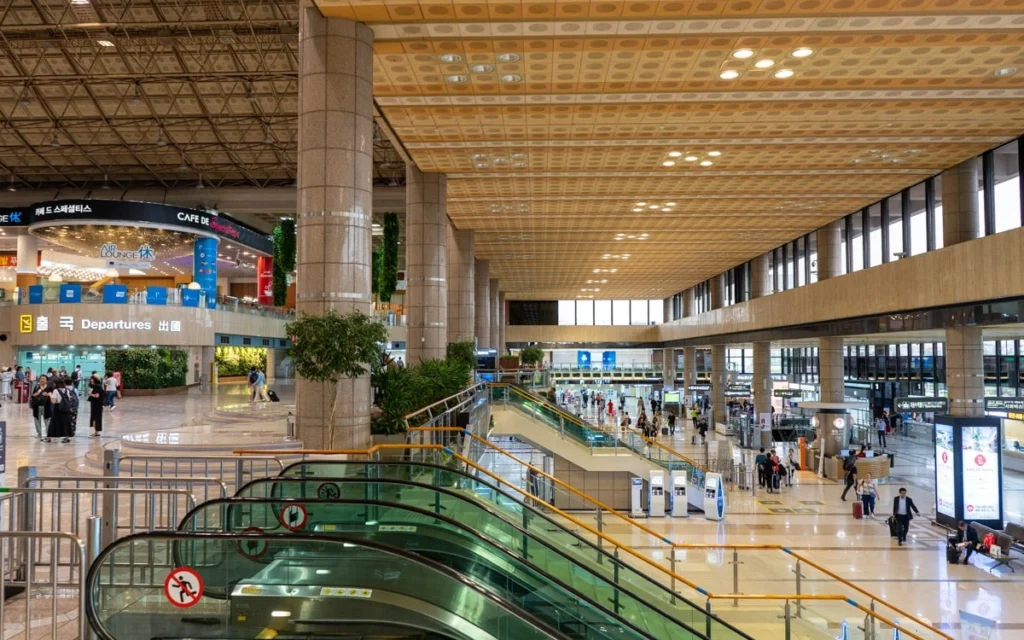
7. Seoul Gimpo Airport (South Korea)
Seoul Gimpo comes seventh and remains an excellent urban airport. While Incheon handles most long-haul international traffic, Gimpo is favoured for domestic flights and select regional routes.
Its greatest advantage is location. Closer to central Seoul than Incheon, it saves valuable travel time for passengers.
The airport is efficient, clean, and easy to navigate. Transfers to city transport networks are strong, making arrivals straightforward.
For short-haul travel within Korea or nearby countries, Gimpo is often the smarter option.
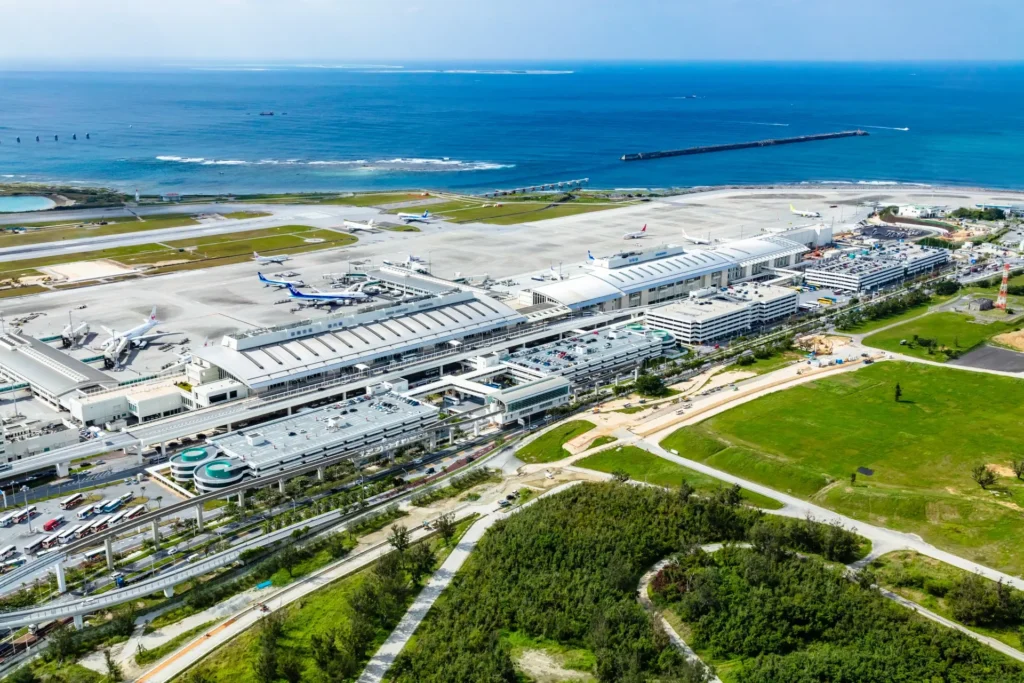
8. Okinawa Airport (Japan)
Okinawa enters eighth place and adds yet another Japanese success story. Serving the subtropical islands of Okinawa Prefecture, the airport is an important tourism gateway.
Passengers appreciate its bright atmosphere, practical layout, and friendly service. It offers a more relaxed feel than many larger airports.
As Okinawa grows in popularity for beaches, diving, and island holidays, the airport’s role continues to expand.
Its ranking also underlines Japan’s consistency across airports of all sizes.
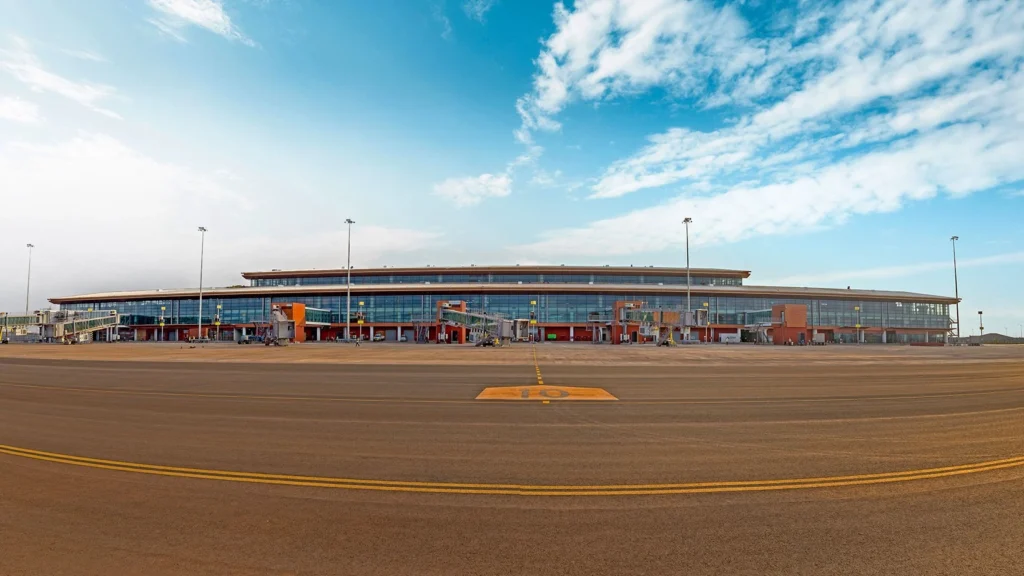
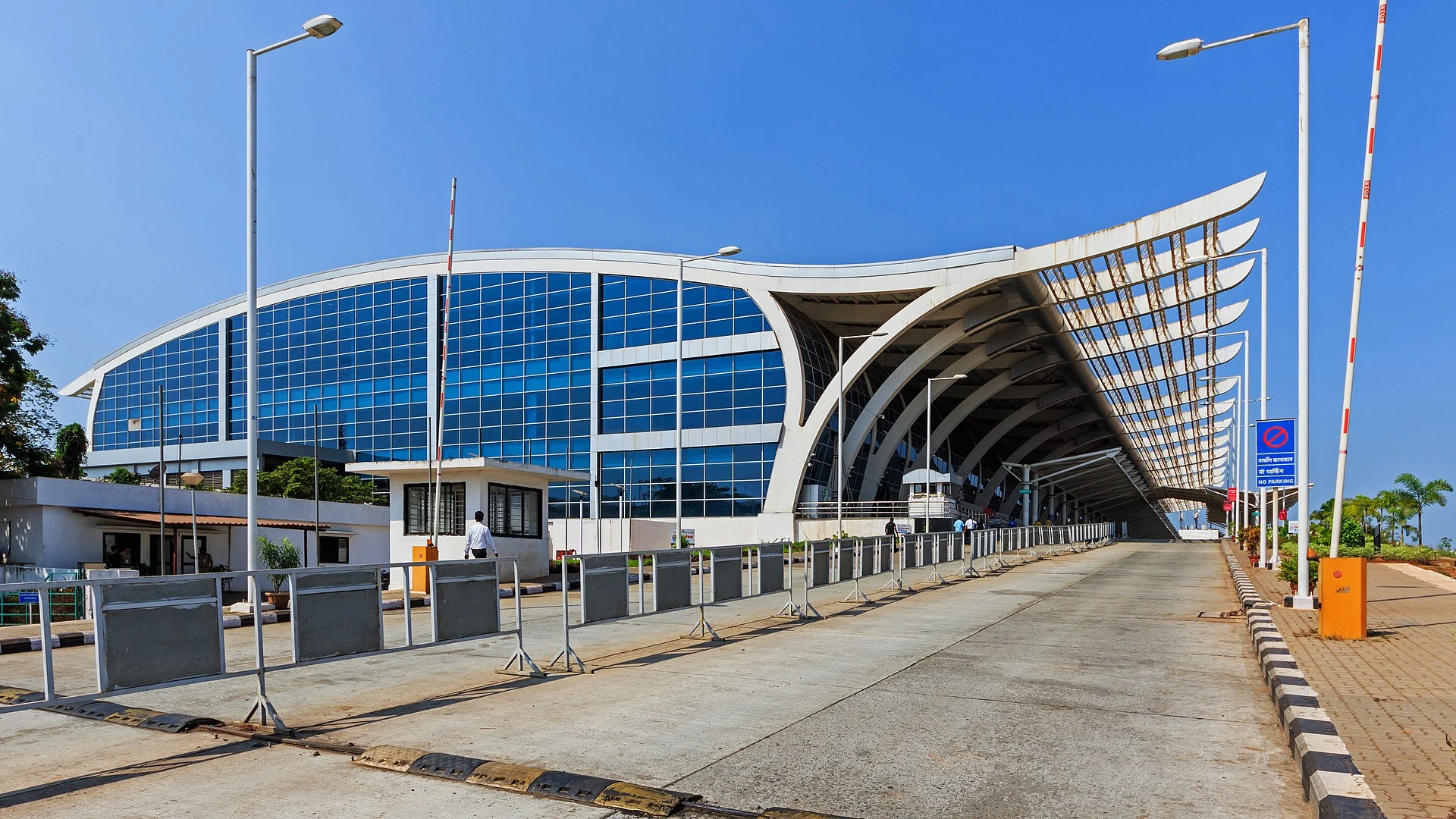
9. Goa Manohar Airport (India)
Goa Manohar ranks ninth and represents one of Asia’s newer airport developments. Built to support tourism demand in Goa, it offers modern facilities and improved capacity.
Travellers heading to India’s beach state benefit from a fresh terminal, smoother flows, and a more contemporary travel experience.
As tourism grows, the airport is expected to become even more important. Its inclusion in the top ten is a strong early achievement.
It also gives India three airports in Asia’s regional top ten, showing major progress.
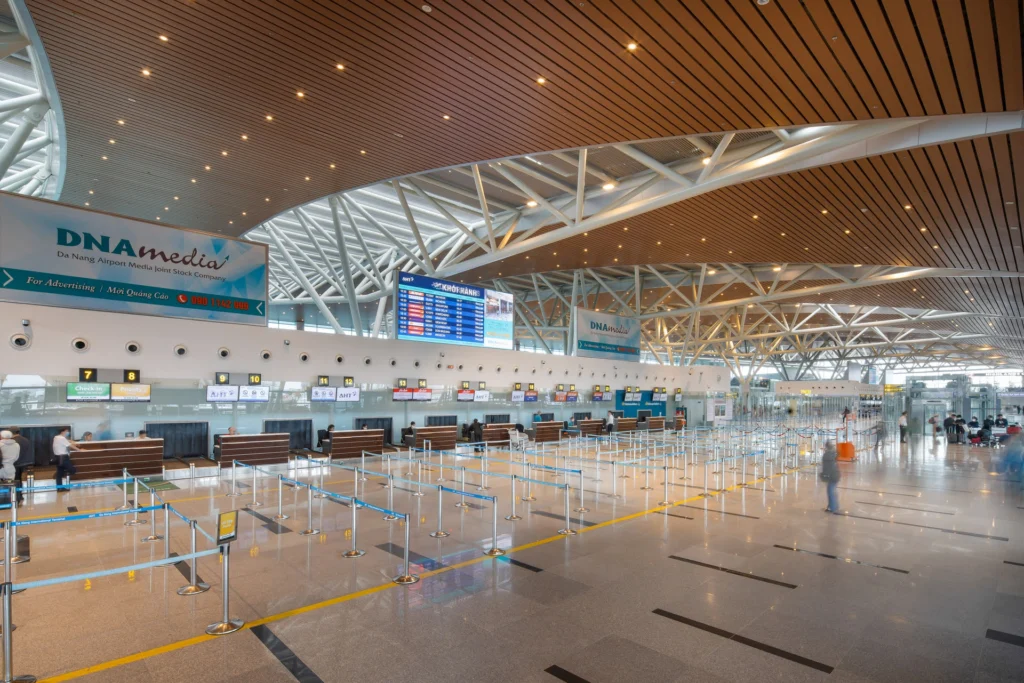
10. Da Nang Airport (Vietnam)
Da Nang completes the top ten and highlights Vietnam’s growing tourism appeal. Located on the central coast, it serves beach resorts, historic towns, and popular destinations such as Hoi An and Hue.
Passengers often praise the airport for its manageable size, quick processing, and convenient access to resorts and city areas.
It may not be enormous, but it performs well where travellers notice most – speed and simplicity.
As Vietnam continues to rise as a travel hotspot, Da Nang’s reputation should grow further.
Why Regional Airports Matter in Asia
Many travellers prefer regional airports because they offer:
- Shorter queues
- Easier navigation
- Faster baggage delivery
- Less congestion
- Better punctuality in some cases
- Quicker city access
- Lower stress levels
- More personal service
For families, business travellers, and short-break passengers, these benefits can be more valuable than giant terminals.
Bottom Line
The best regional airports in Asia in 2026 prove that smaller airports often provide the smoothest journeys. Centrair Nagoya leads through near-flawless balance, while Fukuoka and New Chitose confirm Japan’s unmatched consistency.
India’s strong showing through Bangalore, Hyderabad, and Goa Manohar signals major progress, while Haikou Meilan and Seoul Gimpo reflect rising regional standards elsewhere.
Da Nang completes a diverse and impressive list. For travellers across Asia, these airports show that comfort, speed, and convenience can matter far more than size.
Best Regional Airport in Asia FAQs
Centrair Nagoya Airport in Japan ranks number one in Asia for 2026.
Japan has four airports in the top ten, the most of any country.
Regional airports are usually quicker, less crowded, easier to navigate, and often closer to city centres than major hubs.
Stay tuned with us. Further, follow us on social media for the latest updates.
Join us on Telegram Group for the Latest Aviation Updates. Subsequently, follow us on Google News
