

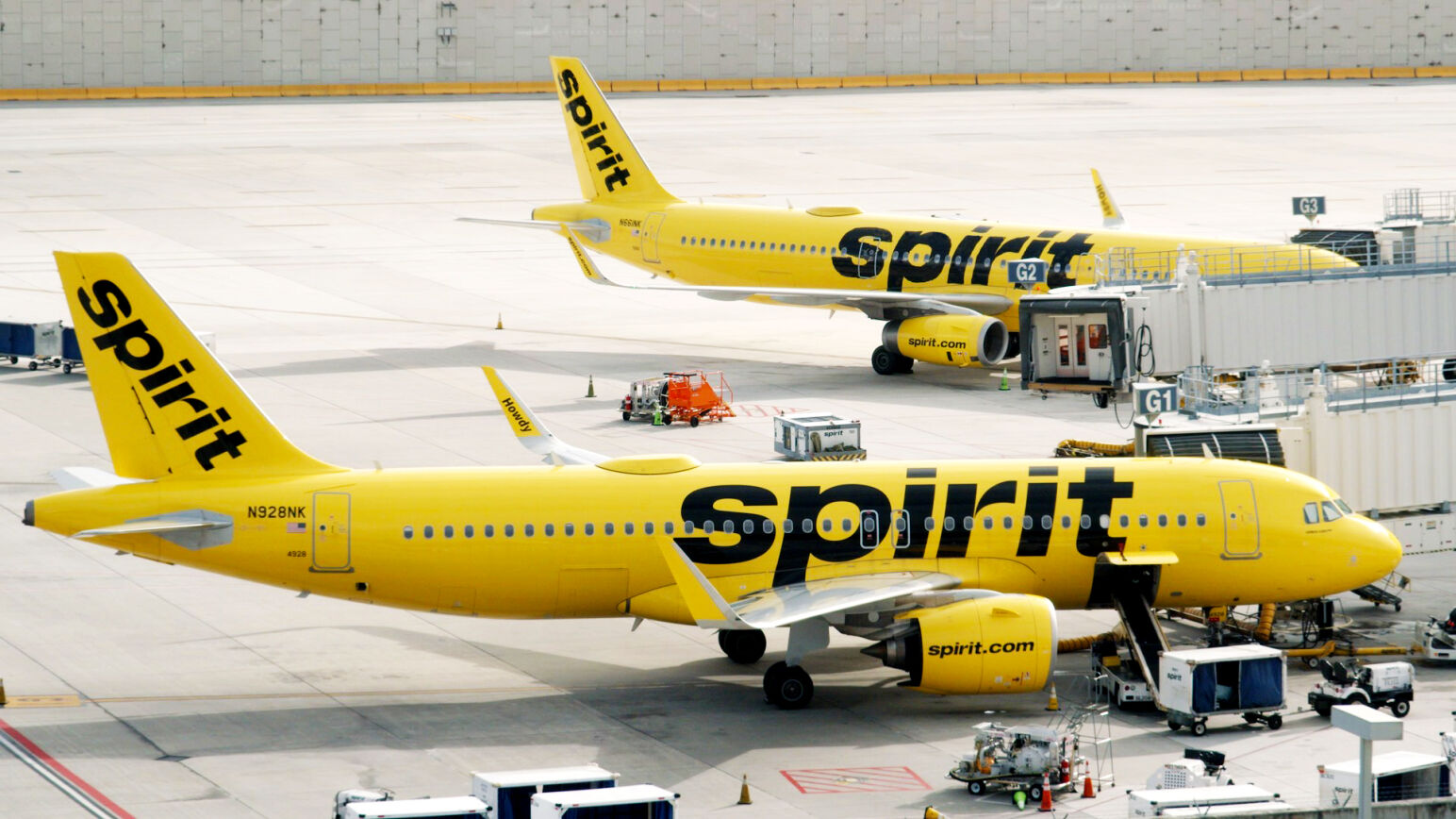
WASHINGTON- Spirit Airlines (NK) is preparing to cease operations after a potential rescue deal collapsed, leaving the ultra-low-cost carrier without critical liquidity support.
The airline has been operating key hubs at Fort Lauderdale-Hollywood International Airport (FLL), Orlando International Airport (MCO), and Detroit Metropolitan Wayne County Airport (DTW), all of which now face operational uncertainty.
The carrier had been in advanced discussions over a $500 million government-backed lifeline aimed at stabilizing its finances.
However, the talks failed amid disagreements between bondholders, policymakers, and internal stakeholders over the structure of the proposed rescue package.
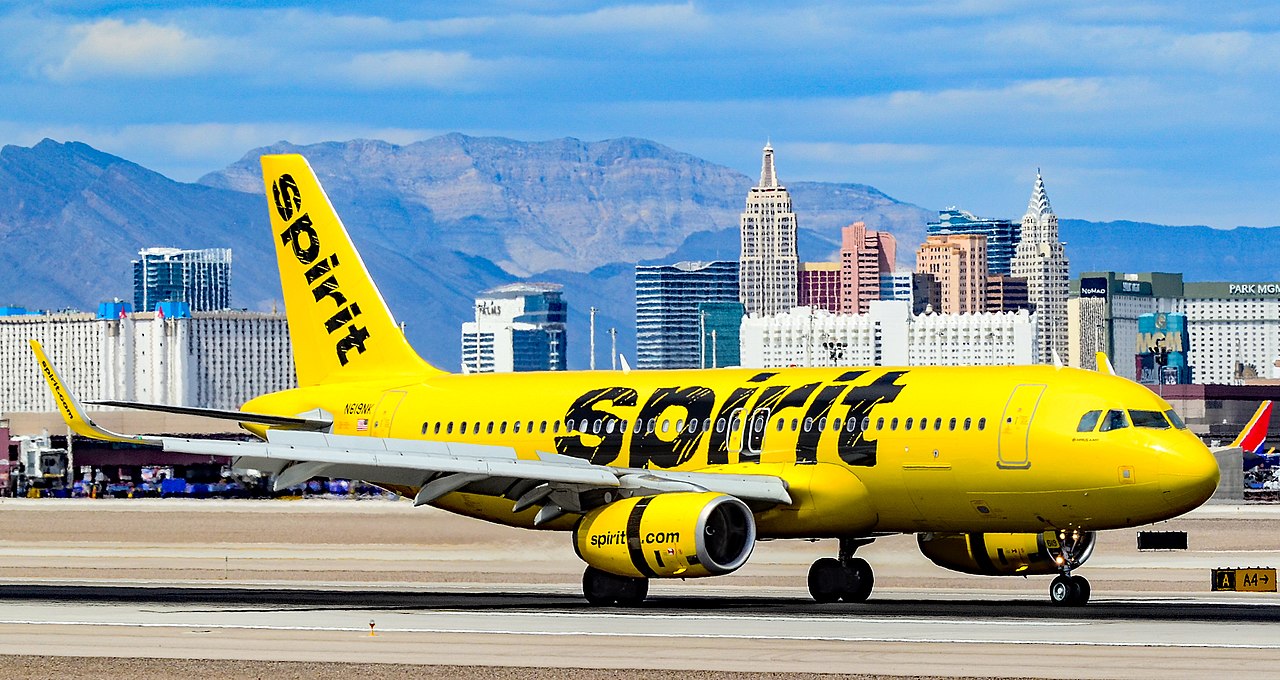
Spirit Airlines Shutdown After 34 Years
Spirit had engaged in talks with the Trump administration for a funding package that would have provided liquidity in exchange for warrants, potentially giving the government up to a 90% equity stake.
However, negotiations broke down due to disagreements over structure and creditor protection.
The airline’s financial restructuring efforts were further complicated by opposition from bondholders who feared steep dilution of their positions.
Spirit also struggled to align internal stakeholders and policymakers on bailout conditions, which slowed decision-making and reduced the likelihood of a timely agreement.
The breakdown in negotiations left the airline without access to the emergency capital it needed to sustain operations. This triggered immediate concerns over liquidity and accelerated contingency planning.
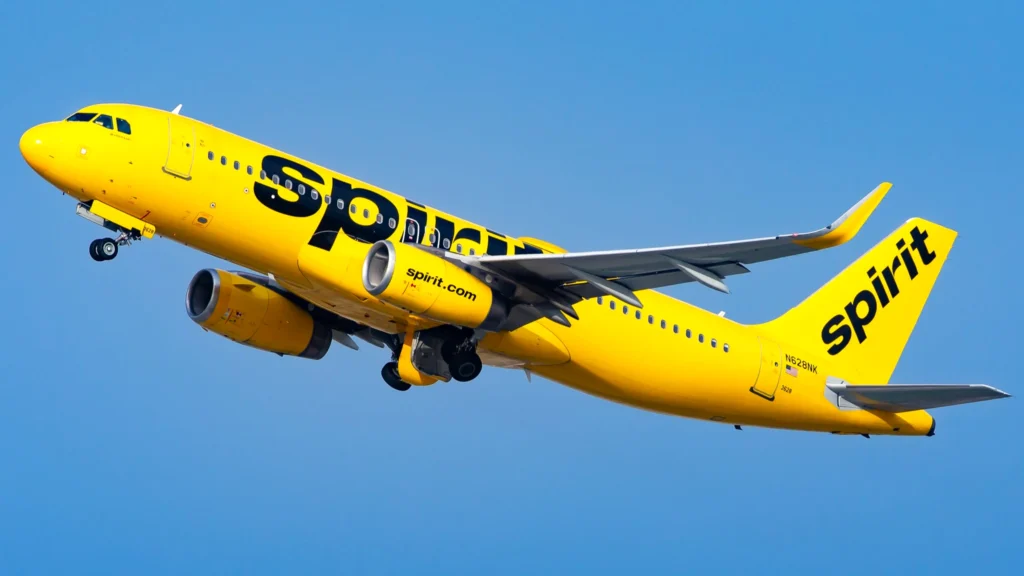
Financial Pressure Builds on Spirit
Spirit has been under severe cost pressure driven by elevated fuel prices and weakening demand in the ultra-low-cost segment. The escalation in global energy costs further strained its already fragile balance sheet.
The carrier’s challenges were compounded by its failed $3.8 Billion merger attempt with JetBlue, which was blocked by a federal judge in 2024 after the Department of Justice argued it would reduce competition, WSJ reported.
The ruling forced Spirit to continue independently while carrying a heavy debt burden and facing aggressive competition from larger U.S. airlines.
These setbacks eroded investor confidence and limited the airline’s ability to raise fresh capital. The company’s low-fare model also came under pressure as rivals matched pricing strategies.
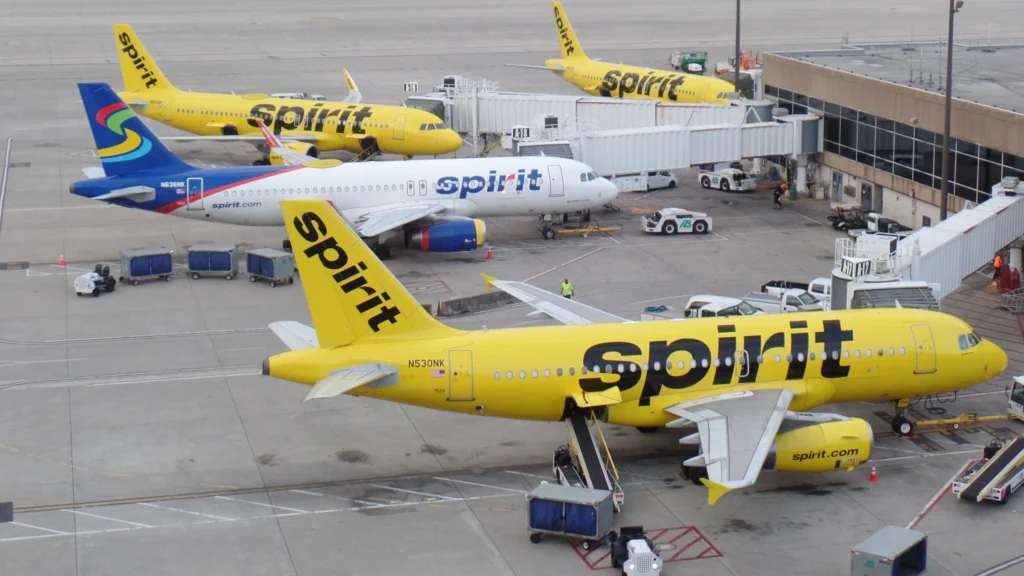
Chapter 11 Bankruptcy Exit
Spirit Airlines has spent much of the past year and a half in Chapter 11 restructuring, attempting to streamline operations and reduce fleet size. The carrier focused its remaining operations on core markets such as Fort Lauderdale, Orlando, and Detroit.
Despite restructuring efforts, the airline has continued to sell tickets in recent days while preparing for a potential liquidation of its aircraft fleet. Thousands of employees remain impacted as uncertainty grows over the timeline and scope of a possible shutdown.
Industry observers note that Spirit’s repeated restructuring attempts were not enough to offset sustained financial and competitive pressures. The company now faces one of the most significant collapses in the U.S. low-cost aviation sector in recent years.
Stay tuned with us. Further, follow us on social media for the latest updates.
Join us on Telegram Group for the Latest Aviation Updates. Subsequently, follow us on Google News
