

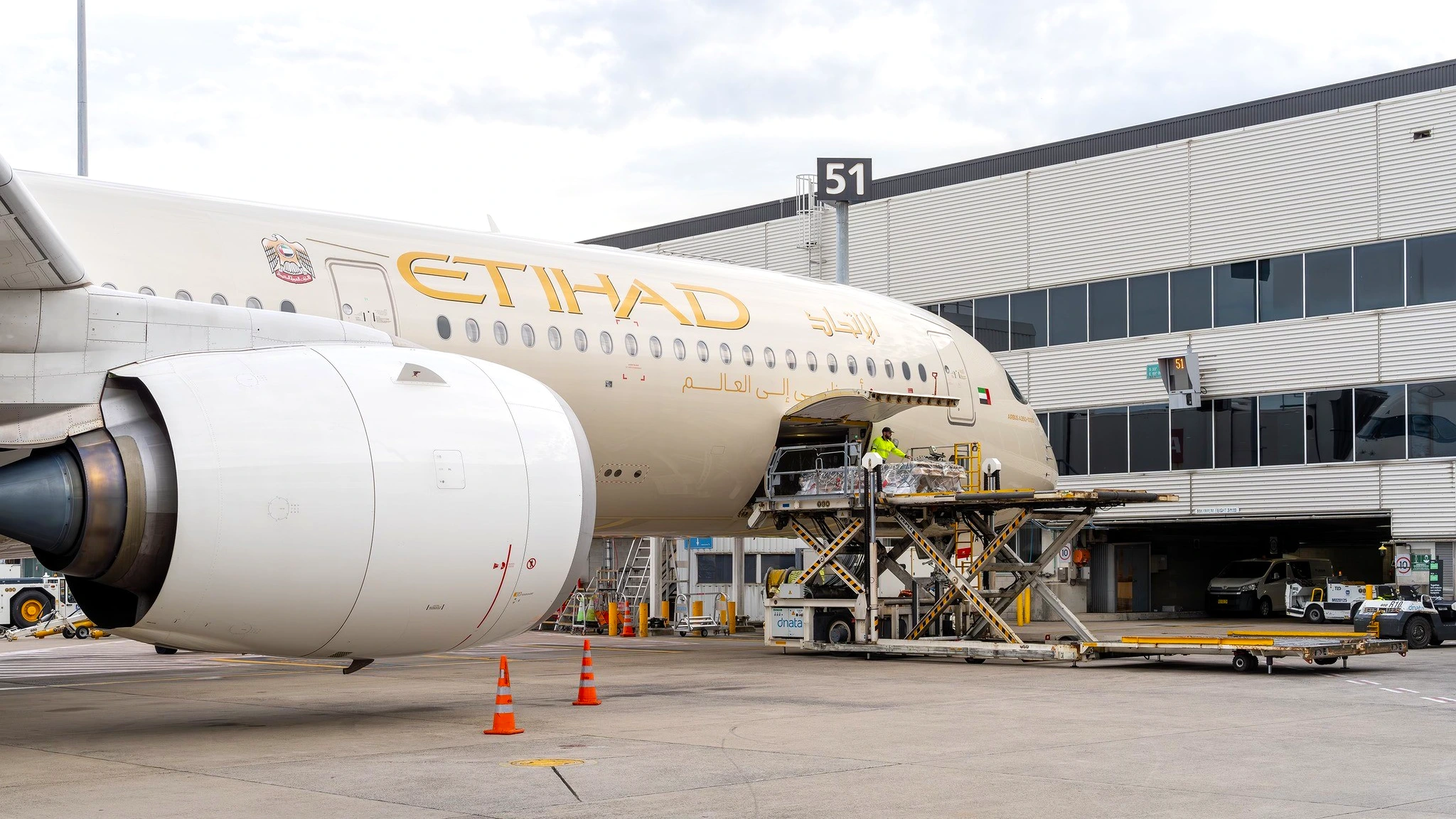
ABU DHABI— Etihad Airways (EY) has reportedly terminated 15 Pakistani employees based in Abu Dhabi, United Arab Emirates (UAE), triggering concern among expatriate communities and raising questions about evolving labour dynamics in the Gulf aviation sector.
The affected staff were asked to leave the country within a 48-hour window, according to accounts cited in international reporting.
The incident involves operations linked to Abu Dhabi’s Zayed International Airport (AUH), a major hub for Etihad, where many foreign professionals are employed across technical and service roles.
The sudden nature of the dismissals has drawn attention due to the absence of standard human resource procedures, as reported. Pakistan, which depends heavily on overseas remittances, now faces renewed scrutiny over the treatment of its workers abroad.
Employee Terminations
Etihad Airways (EY) reportedly ended the contracts of 15 Pakistani nationals working in Abu Dhabi without prior formal HR notifications, CNN-News18 reported.
Sources indicate that several employees were instead directed to immigration authorities, bypassing internal corporate communication channels.
Among those affected were long-serving professionals, including at least one employee with nearly two decades of service.
The abrupt termination has intensified concerns among expatriates who rely on stable employment in the UAE aviation sector.

Exit Orders Issued
Authorities issued a 48-hour departure requirement, leaving little time for financial, logistical, or family arrangements.
The short notice has created significant disruption for affected individuals residing in Abu Dhabi.
Reports suggest that immigration offices executed the orders directly, rather than through Etihad administrative processes.
This unusual approach has led observers to question whether the action reflects a routine workforce restructuring or a broader regulatory directive.

Diplomatic Concerns
The lack of an official explanation from Etihad Airways has fueled uncertainty among aviation and diplomatic observers.
While workforce adjustments are common in the airline industry, the involvement of immigration enforcement has added complexity to interpretations of the case.
Analysts referenced in international coverage view the development as potentially reflective of shifting labour and diplomatic dynamics between the UAE and Pakistan.
However, no formal statements have confirmed any policy change or bilateral strain.
The episode has drawn attention to Pakistan’s reliance on Gulf employment opportunities, particularly in aviation and related service sectors. Any disruption in this corridor could have wider implications for remittance flows and workforce mobility.

Bottom Line
The incident underscores the fragile position of expatriate workers in the Gulf aviation ecosystem.
As Etihad Airways continues operations at Abu Dhabi’s Zayed International Airport, the case highlights growing sensitivity around employment security and regulatory enforcement.
Stay tuned with us. Further, follow us on social media for the latest updates.
Join us on Telegram Group for the Latest Aviation Updates. Subsequently, follow us on Google News
